

Everyday Purchases Draining Savings: How to Spot Leaks and Rebuild Your Cash

Everyday purchases draining savings can feel invisible until you check your balance and wonder where the money went. The problem is rarely one big expense. It is usually a pattern of small, frequent spending that grows when life gets busy, prices rise, or you rely on convenience. The fix is not extreme budgeting. It is building a system that makes the leaks obvious, sets limits you can live with, and protects your savings for the things that matter.
Contents
29 sections
-
Why everyday spending drains savings faster than you expect
-
The math of "just this once"
-
Everyday purchases draining savings: the biggest "leak" categories
-
1) Food convenience (the usual #1)
-
2) Subscriptions and memberships
-
3) Shopping creep
-
4) Transportation and "micro" car costs
-
5) Bank fees and interest
-
Find your leaks in 30 minutes: a simple audit
-
What this looks like with real numbers (3 sample monthly plans)
-
Scenario A: Net income $3,200/month, savings keeps shrinking
-
Scenario B: Net income $4,500/month, wants to rebuild savings faster
-
Scenario C: Net income $2,600/month, irregular expenses cause overdrafts
-
Protect savings with "sinking funds" (so surprises do not become debt)
-
Common sinking funds to consider
-
When savings is low: cash vs credit vs a loan (decision rules)
-
Decision rules by timeline
-
A practical borrowing ladder (from generally lower cost to higher risk)
-
Before you borrow: a quick cost and risk checklist
-
Rebuild savings without feeling deprived
-
Set up a "two-account" spending system
-
Try a weekly reset
-
Where to keep your savings so it is harder to "accidentally" spend
-
If debt is part of the problem: prioritize the most expensive balances
-
Credit checkup: make sure errors are not costing you money
-
A 14-day action plan to stop the drain
-
Days 1 to 2: Identify the top two leaks
-
Days 3 to 7: Put guardrails in place
-
Days 8 to 14: Make it automatic
This guide walks through the most common “silent spend” categories, how to measure the damage with real numbers, and practical decision rules for using cash, credit, or a loan when you are short. You will also see sample budgets and savings allocations that add up, plus checklists and tables you can use right away.
Why everyday spending drains savings faster than you expect
Small purchases hit savings hard for three reasons:
- Frequency beats size. A $9 purchase made 20 times a month is $180. Many people underestimate how often they buy the same “small” thing.
- Convenience premiums stack. Delivery fees, tips, markups, and impulse add-ons can double the cost of a simple meal or errand.
- Cash flow timing matters. If bills are due before payday, you may dip into savings even if your monthly income covers your monthly spending on paper.
The math of “just this once”
Here are realistic examples that often show up on statements:
- Coffee and snack: $7, four days a week = about $112/month
- Lunch out: $14, eight times a month = $112/month
- Delivery dinner: $28, four times a month = $112/month
- Streaming add-on: $6/month
- App subscriptions you forgot: $15/month
That is about $457/month. Over a year, that is $5,484. You might still enjoy some of those purchases, but the point is clarity: you cannot choose what you cannot see.
Everyday purchases draining savings: the biggest “leak” categories
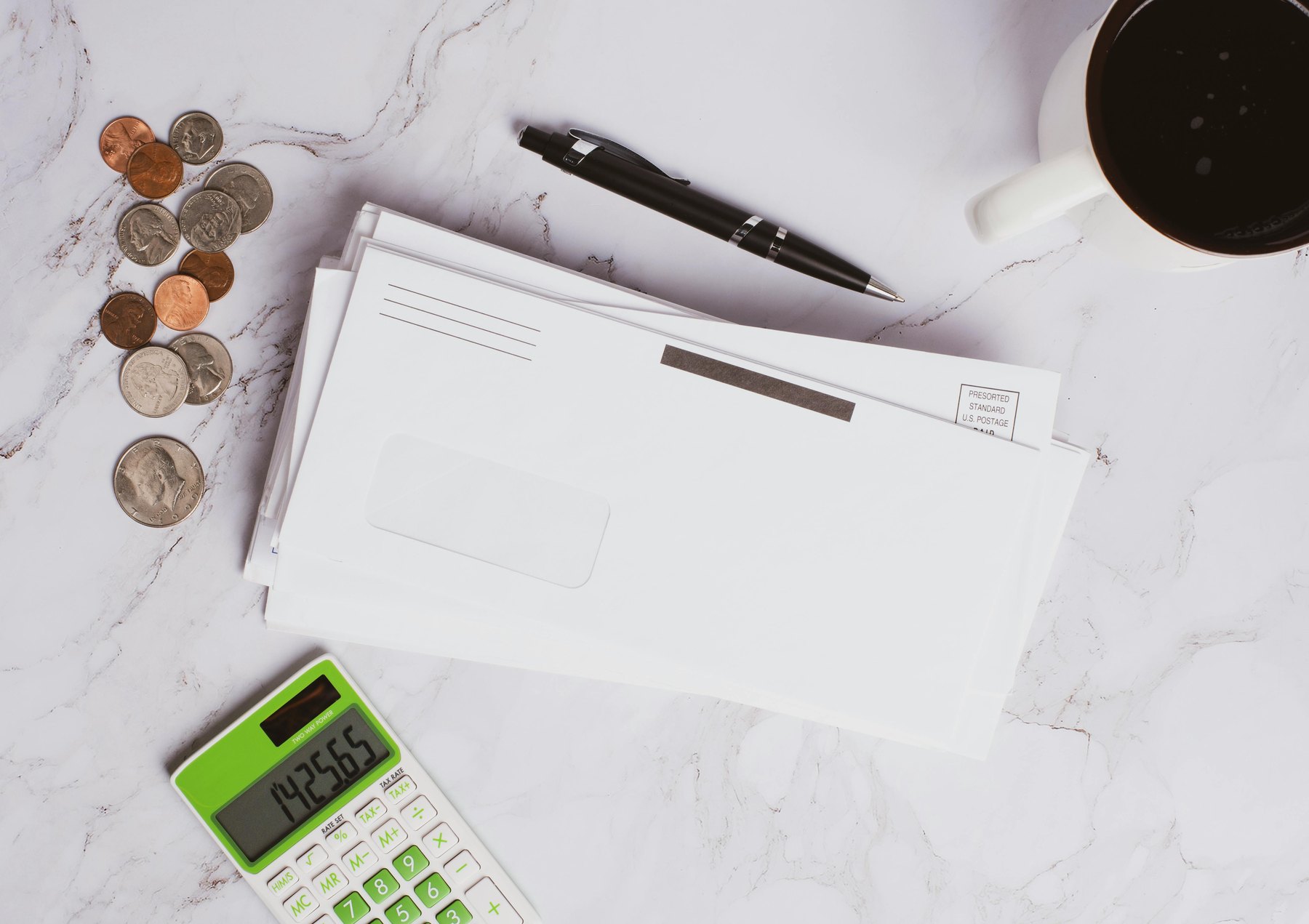
Use this list to scan your last 30 to 60 days of transactions. You are looking for patterns, not perfection.
1) Food convenience (the usual #1)
- Takeout and delivery fees and tips
- Gas station snacks and drinks
- Workday “treats” that become routine
Decision rule: Pick a weekly convenience food budget you can stick to, then pay for it from a separate card or account so it cannot quietly expand.
2) Subscriptions and memberships
- Streaming services, music, gaming
- Cloud storage, apps, “free trial” renewals
- Gym memberships you are not using
Decision rule: If you have not used it in the last 30 days, cancel it or downgrade. If you might use it later, set a calendar reminder to re-subscribe when you actually need it.
3) Shopping creep
- Small online orders with shipping
- Target runs and “just browsing” purchases
- Buy now, pay later plans that fragment your budget
Decision rule: Add a 24-hour pause for non-essentials over a set amount (for example, $25 or $50). Put the item in a cart and revisit tomorrow.
4) Transportation and “micro” car costs
- Rideshares instead of transit or carpooling
- Parking, tolls, convenience store fill-ups
- Ignoring maintenance until it becomes a repair
Decision rule: If you drive, build a monthly car sinking fund for maintenance and tires so you are not forced to use savings or credit later.
5) Bank fees and interest
- Overdraft and NSF fees
- Out-of-network ATM fees
- Credit card interest from carrying balances
Fees are “everyday purchases” in disguise because they are triggered by routine behavior. If overdrafts are common, consider setting low-balance alerts and linking a savings account for overdraft transfers (and confirm the bank’s transfer fee policy).
Find your leaks in 30 minutes: a simple audit
You do not need fancy software. You need categories and totals.
- Pull the last 30 days of bank and credit card transactions.
- Sort into 6 buckets: groceries, eating out, subscriptions, shopping, transportation, and “other.”
- Circle repeats (same merchant, same type of purchase).
- Pick your top 2 leak categories by total dollars, not by annoyance.
- Set one rule per category (weekly cap, cancel list, or a replacement habit).
| Leak category | What to look for on statements | Quick fix | Longer-term fix |
|---|---|---|---|
| Eating out and delivery | Multiple small charges, delivery fees, tips | Set a weekly cap and pre-plan 2 easy meals | Meal prep a few staples, keep “backup” freezer meals |
| Subscriptions | Auto-renewals, free trials, app stores | Cancel 2 today, pause 1 | Annual subscription review every 6 months |
| Shopping | Small orders, shipping, impulse buys | 24-hour rule for non-essentials | Use a monthly “fun money” envelope or separate account |
| Transportation | Rideshares, parking, tolls | Plan errands, compare transit options | Car maintenance sinking fund |
| Fees and interest | Overdrafts, late fees, interest charges | Alerts and autopay minimums | Rebuild a buffer and pay down high-interest debt |
What this looks like with real numbers (3 sample monthly plans)
Below are three simplified examples. Adjust the categories to match your life, but keep the totals accurate. The goal is to stop savings from being the default “catch-all” when spending runs high.
Scenario A: Net income $3,200/month, savings keeps shrinking
Problem pattern: $300 to $500/month in untracked convenience spending and subscriptions.
- Needs (rent, utilities, insurance, minimum debt payments): $2,050
- Groceries: $350
- Transportation: $250
- Eating out and convenience: $350
- Subscriptions: $50
- Misc: $200
- Savings goal: $0 (currently negative, pulling from savings)
Total spending: $3,250. Short by $50, plus any surprises.
Fix: Reduce eating out and convenience from $350 to $200 and cancel $20 in subscriptions.
- Eating out and convenience: $200
- Subscriptions: $30
- Savings goal: $170
New total: $3,030. That creates a buffer so savings stops bleeding.
Scenario B: Net income $4,500/month, wants to rebuild savings faster
- Needs: $2,500
- Groceries: $500
- Transportation: $350
- Eating out and convenience: $300
- Subscriptions: $60
- Shopping and hobbies: $390
- Savings and sinking funds: $400
Total: $4,500.
Upgrade rule: Any month you stay under $300 in shopping and hobbies, move the difference to a sinking fund (car repairs, travel, gifts) so it does not turn into “found money” spending.
Scenario C: Net income $2,600/month, irregular expenses cause overdrafts
- Needs: $1,750
- Groceries: $320
- Transportation: $200
- Eating out and convenience: $120
- Subscriptions: $25
- Buffer fund (mini emergency): $85
- Sinking funds (car, medical, annual bills): $100
Total: $2,600.
Key move: Build the buffer fund to $500 to $1,000 before trying to hit bigger savings goals. This reduces overdrafts and late fees that can undo progress.
Protect savings with “sinking funds” (so surprises do not become debt)
A sinking fund is money you set aside for predictable but irregular costs. Many people call these “emergencies,” but they are often expected: car repairs, annual insurance premiums, holiday travel, school fees, and medical copays.
Common sinking funds to consider
- Car maintenance and tires
- Medical and dental
- Gifts and holidays
- Home repairs or renter move costs
- Annual subscriptions and renewals
| Expense | Typical frequency | How to estimate | Monthly target example |
|---|---|---|---|
| Car repairs and maintenance | Irregular | Look at last year’s total, divide by 12 | $50 to $150 |
| Medical out-of-pocket | Irregular | Average copays and prescriptions | $25 to $100 |
| Gifts and holidays | Seasonal | Set a yearly cap, divide by 12 | $20 to $100 |
| Annual bills | Yearly | Total annual premiums and renewals | Total/12 |
When savings is low: cash vs credit vs a loan (decision rules)
If everyday spending has already drained your savings, you may face a short-term gap. The goal is to cover essentials at the lowest reasonable cost while avoiding a cycle of fees and high interest.
Decision rules by timeline
- Under 1 year: Prioritize liquidity and low risk. Build a buffer and pay down high-interest balances. Avoid locking money into long-term investments you might need soon.
- 1 to 3 years: Keep emergency savings intact and use sinking funds for planned costs. If you must borrow, compare total cost and payoff speed.
- 3 to 7 years: You can usually take a bit more risk with goal-based savings (for example, a future car down payment), but keep emergency funds stable.
- 7+ years: Longer timelines can support more volatility for growth goals, but everyday spending leaks still matter because they reduce what you can invest.
A practical borrowing ladder (from generally lower cost to higher risk)
Costs and eligibility vary. Compare APR, fees, repayment terms, and what happens if you miss a payment.
| Option | Best fit | What to compare | Main drawback |
|---|---|---|---|
| 0% intro APR credit card (from major issuers like Chase, Citi, Capital One, Discover, Bank of America) | Good credit, can pay off before promo ends | Promo length, balance transfer fee, post-promo APR | High APR later if not paid off, can tempt overspending |
| Credit union personal loan (for example, Navy Federal, PenFed, local credit unions) | Fixed payment, clear payoff timeline | APR range, origination fee, term length, prepayment policy | Approval depends on credit and income, adds monthly obligation |
| Online personal loan marketplaces (for example, LendingClub, Upstart, Prosper, SoFi) | Comparing multiple offers quickly | APR, fees, funding time, term options | Rates and fees vary widely, offers depend on profile |
| Buy now, pay later (for example, Affirm, Klarna, Afterpay) | Short-term planned purchase with clear payoff | Total cost, late fees, payment schedule, return policy | Multiple plans can become hard to track, missed payments can be costly |
| Payday loan or auto title loan | Last resort when no other options exist | Total repayment amount, rollover policies, state rules | Often very expensive, can lead to repeated borrowing |
Before you borrow: a quick cost and risk checklist
- Is this expense essential (housing, utilities, food, transportation to work, medical)?
- Can you reduce the cost or delay it without creating bigger costs later?
- What is the total repayment amount, not just the monthly payment?
- Is the APR fixed or variable?
- Are there origination fees, late fees, or prepayment penalties?
- Will the payment fit even if your income drops for a month?
Rebuild savings without feeling deprived
Once you stop the leaks, rebuilding is about automation and boundaries.
Set up a “two-account” spending system
- Bills account: Income lands here, bills and essentials are paid here.
- Spending account: A weekly transfer covers groceries, gas, and fun money.
If the spending account hits zero, you pause non-essentials. This makes tradeoffs visible without tracking every receipt.
Try a weekly reset
Pick one day each week:
- Check balances and upcoming bills
- Review the last week’s top 10 transactions
- Move any leftover spending money into savings or a sinking fund
Where to keep your savings so it is harder to “accidentally” spend
Many people drain savings because it sits in the same account as daily spending. Separating it can reduce temptation and overdraft risk.
- High-yield savings account: Good for emergency funds and sinking funds. Check current APY and any withdrawal limits.
- Separate savings at a different bank: Adds friction so you think before transferring.
- Certificates of deposit (CDs): Can work for money you will not need soon, but early withdrawal penalties can apply.
To learn how deposit insurance works and what is covered, you can review FDIC resources at https://www.fdic.gov/.
If debt is part of the problem: prioritize the most expensive balances
If credit card interest is draining your cash flow, it can crowd out savings even if your everyday spending is reasonable.
- List debts with balance, APR, and minimum payment.
- Pay minimums on everything, then put extra toward the highest APR first.
- Consider whether a balance transfer or personal loan could lower the APR, but compare fees and make sure the payment fits your budget.
If you are dealing with debt collection or want to understand your rights and options, the CFPB has clear explanations at https://www.consumerfinance.gov/.
Credit checkup: make sure errors are not costing you money
Credit report errors can raise borrowing costs and make it harder to refinance. You can check your reports for free at https://www.annualcreditreport.com/. If you spot suspicious activity or want tips on avoiding scams tied to subscriptions and online shopping, the FTC’s consumer guidance can help at https://consumer.ftc.gov/.
A 14-day action plan to stop the drain
Days 1 to 2: Identify the top two leaks
- Review the last 30 days of transactions.
- Total eating out, subscriptions, and shopping.
Days 3 to 7: Put guardrails in place
- Cancel or pause at least 2 subscriptions.
- Set a weekly spending transfer amount.
- Create one sinking fund category for your most common “surprise.”
Days 8 to 14: Make it automatic
- Automate a small savings transfer right after payday (even $10 to $25).
- Turn on low-balance alerts.
- Schedule a weekly 10-minute money reset.
Everyday spending will always exist. The goal is to make it intentional, so your savings grows because you designed it to, not because you tried to rely on willpower.


