

Gas Prices Below 3 Dollars Predictions: What Could Push Prices Down and How to Plan

Gas prices below 3 dollars predictions tend to spike when drivers feel squeezed, because fuel costs hit budgets fast and show up everywhere from commuting to delivery fees.
Contents
32 sections
-
What "below $3" really means (and why your price may differ)
-
Gas prices below 3 dollars predictions: the biggest drivers
-
1) Crude oil prices (the main input cost)
-
2) Refinery capacity and outages
-
3) Seasonal fuel blends and demand cycles
-
4) Taxes and local market competition
-
5) The U.S. dollar and global events
-
Where sub-$3 gas is most likely to show up first
-
How to evaluate predictions without getting misled
-
What lower gas prices can mean for your budget (with real numbers)
-
Example 1: Moderate commuter
-
Example 2: Long-distance driver
-
Example 3: Efficient car, fewer miles
-
Three sample money plans if gas drops below $3
-
Plan A: Small savings, focus on stability (extra $30 per month)
-
Plan B: Medium savings, balance debt and goals (extra $75 per month)
-
Plan C: Larger savings, accelerate payoff (extra $150 per month)
-
Decision rules by timeline: how to use fuel savings
-
Under 1 year
-
1 to 3 years
-
3 to 7 years
-
7+ years
-
Borrowing choices that can be affected by gas prices
-
Use a "payment plus fuel" rule
-
Common financing options to compare
-
How to avoid "phantom savings" when gas gets cheaper
-
Smart ways to reduce fuel costs regardless of predictions
-
Quick checklist
-
Reward programs and payment methods
-
If lower gas prices change your debt payoff plan
-
Helpful resources for consumers
-
Bottom line: plan for volatility, not a perfect forecast
But predicting a national average under $3 is tricky. Gas prices move with crude oil markets, refinery capacity, seasonal fuel blends, taxes, local competition, and regional supply disruptions. Instead of treating any forecast as a sure thing, it helps to understand what conditions usually push prices down, where sub-$3 is most likely to appear first, and how to use lower prices to strengthen your finances.
What “below $3” really means (and why your price may differ)
When people talk about gas “below $3,” they might mean:
- National average (across all states and grades) under $3 per gallon.
- Your local average under $3, which can happen even when the national average is higher.
- Cash price vs credit price at certain stations.
- Regular unleaded only, not midgrade or premium.
State fuel taxes, local supply routes, and refinery proximity can create big gaps. A sub-$3 price in one metro area can coexist with $4+ in another.
Gas prices below 3 dollars predictions: the biggest drivers
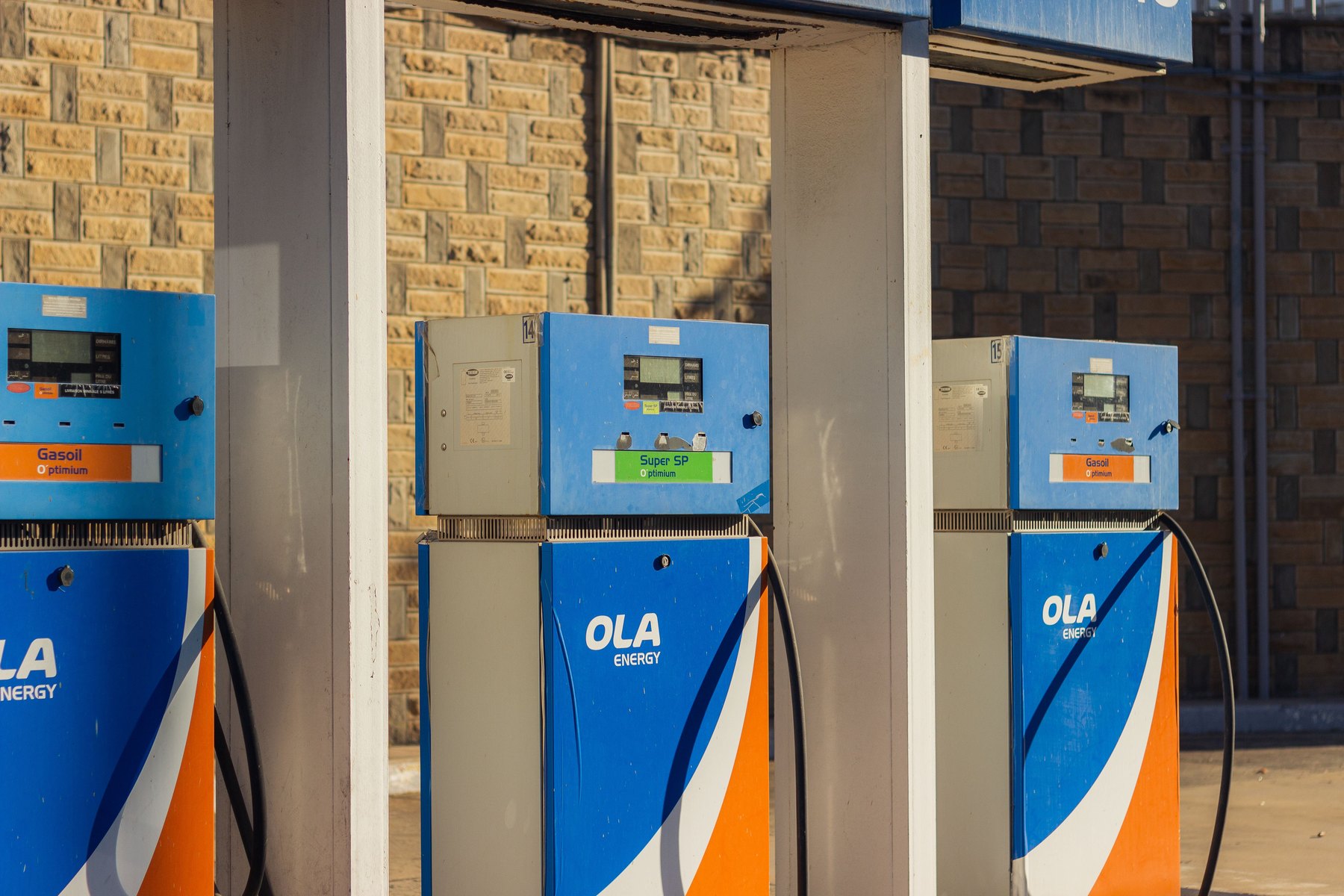
Most “below $3” scenarios are driven by a combination of factors rather than a single event. Here are the levers that matter most.
1) Crude oil prices (the main input cost)
Crude oil is the largest component of what you pay at the pump. When global crude prices fall, gasoline often follows, though not instantly. Crude can drop due to weaker global demand, increased supply, or shifts in market expectations.
2) Refinery capacity and outages
Even if crude is cheap, gasoline can stay expensive if refineries are down or operating at reduced capacity. Planned maintenance, unplanned outages, and regional bottlenecks can all lift prices, especially in areas with fewer refineries or limited pipeline access.
3) Seasonal fuel blends and demand cycles
Gasoline blends often change seasonally. Summer blends can be more expensive to produce, and summer driving demand can raise prices. Prices often soften when demand drops, such as after peak travel periods, but weather and economic conditions can change that pattern.
4) Taxes and local market competition
State and local taxes can add a meaningful amount per gallon. Competition also matters: areas with many stations near each other often show lower prices than places with fewer options.
5) The U.S. dollar and global events
Oil is priced globally, and currency movements can affect costs. Geopolitical events can also disrupt supply expectations, which can push prices up quickly even before physical shortages occur.
Where sub-$3 gas is most likely to show up first
Even when the national average stays above $3, you can still see pockets below $3. Sub-$3 prices are more likely in:
- States with lower fuel taxes and fewer environmental blend requirements.
- Regions closer to refining and pipeline infrastructure, reducing transport costs.
- Highly competitive retail corridors where stations price aggressively.
- Periods of weaker demand, such as after major travel seasons.
Practical tip: track prices by ZIP code, not just by state. Two neighborhoods in the same city can differ by 20 to 40 cents per gallon depending on competition and traffic patterns.
How to evaluate predictions without getting misled
Forecasts can be useful if you treat them like scenarios. Use this checklist to judge whether a “below $3” prediction is grounded or just attention-grabbing.
| What to check | Good sign | Red flag | What you can do |
|---|---|---|---|
| Timeframe | Specific window (for example, “late fall”) | Vague “soon” with no dates | Plan budgets by month, not headlines |
| Geography | Clarifies national vs regional | Assumes your city follows the national average | Track your commute corridor prices |
| Drivers cited | Mentions crude, refineries, demand | Only cites “experts say” | Look for multiple drivers, not one |
| Uncertainty | Explains what could change the outlook | Sounds certain or guaranteed | Use best case and worst case budgets |
What lower gas prices can mean for your budget (with real numbers)
Fuel savings are real, but they vary by how much you drive and your vehicle’s efficiency. Here’s a simple way to estimate monthly savings:
- Monthly gallons used = monthly miles driven ÷ miles per gallon (MPG)
- Monthly savings = monthly gallons used × price drop per gallon
Example 1: Moderate commuter
- Monthly miles: 1,000
- Vehicle: 25 MPG
- Monthly gallons: 1,000 ÷ 25 = 40
- If gas drops from $3.60 to $2.95 (65 cents): 40 × $0.65 = $26 per month
Example 2: Long-distance driver
- Monthly miles: 2,000
- Vehicle: 22 MPG
- Monthly gallons: about 91
- 65-cent drop: 91 × $0.65 = about $59 per month
Example 3: Efficient car, fewer miles
- Monthly miles: 700
- Vehicle: 35 MPG
- Monthly gallons: 20
- 65-cent drop: 20 × $0.65 = $13 per month
For many households, fuel savings alone may not be huge. The bigger win is using any savings consistently, month after month, to reduce high-cost debt or build cash reserves.
Three sample money plans if gas drops below $3
Below are concrete allocations you can use if lower prices free up cash. Adjust the amounts to match your actual savings, but keep the structure.
Plan A: Small savings, focus on stability (extra $30 per month)
- $15 to emergency fund
- $10 to credit card principal (above minimum)
- $5 to car maintenance sinking fund
Total: $30
Plan B: Medium savings, balance debt and goals (extra $75 per month)
- $30 to emergency fund
- $35 to highest-APR debt principal
- $10 to a “next car” fund
Total: $75
Plan C: Larger savings, accelerate payoff (extra $150 per month)
- $50 to emergency fund until you reach 3 to 6 months of expenses
- $80 to debt principal (credit card or personal loan)
- $20 to maintenance and tires fund
Total: $150
Decision rules by timeline: how to use fuel savings
Use your time horizon to decide where extra cash should go first.
Under 1 year
- Prioritize essentials: catching up on bills, avoiding late fees, building a starter emergency fund (often $500 to $1,500).
- If you carry credit card balances, extra principal payments can reduce interest costs over time.
1 to 3 years
- Build toward 3 to 6 months of expenses in cash reserves.
- Plan for predictable car costs: tires, brakes, registration, insurance deductibles.
- If you expect to replace a vehicle soon, start a down payment fund to reduce future borrowing needs.
3 to 7 years
- Consider longer-term debt strategy: refinancing may help some borrowers if it lowers APR or improves terms, but compare total costs and fees.
- Build a larger vehicle replacement fund to avoid stretching loan terms.
7+ years
- Focus on long-run resilience: consistent saving habits, keeping debt manageable, and avoiding payment shocks.
- When financing a vehicle, compare total interest paid across loan terms instead of focusing only on the monthly payment.
Borrowing choices that can be affected by gas prices
Fuel costs can influence how affordable a car is month to month. If gas drops, it can be tempting to buy a larger vehicle or stretch your budget. A safer approach is to separate temporary fuel savings from long-term fixed payments.
Use a “payment plus fuel” rule
When comparing vehicles, look at:
- Estimated monthly loan payment
- Estimated monthly fuel cost based on your miles and MPG
- Insurance difference
If gas rises again, you want the total to still fit your budget.
Common financing options to compare
| Option | Best fit | What to compare | Main drawback |
|---|---|---|---|
| Bank or credit union auto loan | Borrowers who want predictable payments | APR, term length, fees, prepayment rules | May require stronger credit or documentation |
| Dealer financing | Convenience at purchase | APR vs bank offer, add-ons, total price | Rates and terms can vary widely |
| Lease | Drivers who prefer lower payments and newer cars | Mileage limits, fees, residual value, insurance | Fees and limits can make it costly if you drive a lot |
| Personal loan | Buying from a private seller or covering a gap | APR, origination fee, term, total interest | Can cost more than secured auto loans |
| 0% intro APR credit card (short-term) | Smaller repair bills you can repay quickly | Intro period length, transfer fee, post-intro APR | High APR after promo if not paid off |
How to avoid “phantom savings” when gas gets cheaper
When prices fall, many people spend the difference without noticing. Try these practical tactics:
- Lock in the savings: set an automatic transfer equal to your estimated monthly fuel savings.
- Keep your budget baseline: budget fuel at a conservative price (for example, your 6-month average), and treat any drop as extra.
- Build a car-cost buffer: aim for a maintenance fund so repairs do not force high-cost borrowing.
Smart ways to reduce fuel costs regardless of predictions
Even if gas does not stay below $3, you can still lower your effective cost per mile.
Quick checklist
- Check tire pressure monthly.
- Combine errands to reduce cold starts and short trips.
- Use cruise control when appropriate and drive smoothly.
- Remove unnecessary weight from the vehicle.
- Compare station prices along your normal route.
Reward programs and payment methods
Some drivers use gas station loyalty programs or cash-back credit cards to reduce costs. If you use a credit card, the savings usually only help if you pay the statement balance in full and avoid interest. Also watch for “cash vs credit” pricing differences at the pump.
If lower gas prices change your debt payoff plan
If you want to use fuel savings to pay down debt, two common approaches are:
- Highest-APR first: put extra money toward the balance with the highest interest rate while paying minimums on the rest.
- Smallest balance first: pay off the smallest balance for faster wins, then roll that payment to the next debt.
Either method can work. The key is consistency and avoiding new balances that erase progress.
Helpful resources for consumers
- For understanding credit and borrowing basics: Consumer Financial Protection Bureau (CFPB)
- For avoiding scams and deceptive offers: Federal Trade Commission (FTC) consumer advice
- To check your credit reports from the major bureaus: AnnualCreditReport.com
Bottom line: plan for volatility, not a perfect forecast
Gas prices below $3 can happen in certain regions and periods, but national averages depend on multiple moving parts. Instead of relying on a single prediction, build a budget that works at today’s prices and create a simple rule for what you will do if prices fall. Even modest monthly savings can add up when you direct them toward an emergency fund, car maintenance, or reducing high-interest debt.


