

Gas Prices Below 3 Outlook: What It Could Mean for Your Budget and Borrowing

Gas prices below 3 outlook is a question many drivers ask when they are trying to plan monthly costs, decide whether to buy a car, or figure out how much cash to keep on hand.
Contents
35 sections
-
What "below $3" really means (and why it varies by state)
-
Key reasons prices differ
-
Gas prices below 3 outlook: the biggest drivers to watch
-
1) Crude oil prices
-
2) Refinery capacity and outages
-
3) Seasonal demand and seasonal blends
-
4) Inventories and distribution
-
5) Taxes and policy changes
-
Quick checklist: signals that can support lower prices
-
How to budget when gas might drop (or spike)
-
Step 1: Estimate your monthly gallons
-
Step 2: Build a "price range" budget
-
Decision rule: where should the "extra" go?
-
What lower gas prices can mean for car buying and auto loans
-
Use a total-cost view, not just "monthly payment"
-
Decision rules for auto loan terms
-
Real-number scenarios: what to do if your gas bill drops
-
Scenario A: You save $30/month at the pump
-
Scenario B: You save $75/month at the pump
-
Scenario C: You save $150/month at the pump
-
Should you refinance debt when gas is cheaper?
-
Good reasons to consider refinancing
-
Reasons to slow down and compare carefully
-
How to pressure-test your budget if prices rebound
-
Stress test rule
-
Practical ways to reduce fuel risk without major lifestyle changes
-
Credit and cash steps that matter more than gas prices
-
Credit moves with high impact
-
Cash safety basics
-
Common pitfalls when people expect gas to stay cheap
-
A simple plan for the next 30 days
-
1) Calculate your monthly gallons and set a range budget
-
2) Choose one target for any savings
-
3) Compare borrowing costs before you change anything big
-
Bottom line: plan for flexibility, not a perfect forecast
While no one can predict fuel prices with certainty, you can understand the forces that tend to push prices up or down and build a plan that works even if prices change quickly. This guide breaks down what typically drives gasoline prices, what “below $3” often depends on, and how to turn any temporary savings into stronger finances without overcommitting.
What “below $3” really means (and why it varies by state)
When people say “gas under $3,” they usually mean the average price for regular unleaded in their area. But gasoline is a local product with local costs. Two drivers can fill up on the same day and see very different prices.
Key reasons prices differ
- State and local taxes: Fuel taxes vary widely and can move the price by tens of cents per gallon.
- Regional fuel rules: Some areas require special blends (often seasonal) that can cost more to produce.
- Distance to refineries and pipelines: Transportation and supply constraints can raise prices in certain regions.
- Competition: Areas with more stations and more price competition can be cheaper.
Gas prices below 3 outlook: the biggest drivers to watch
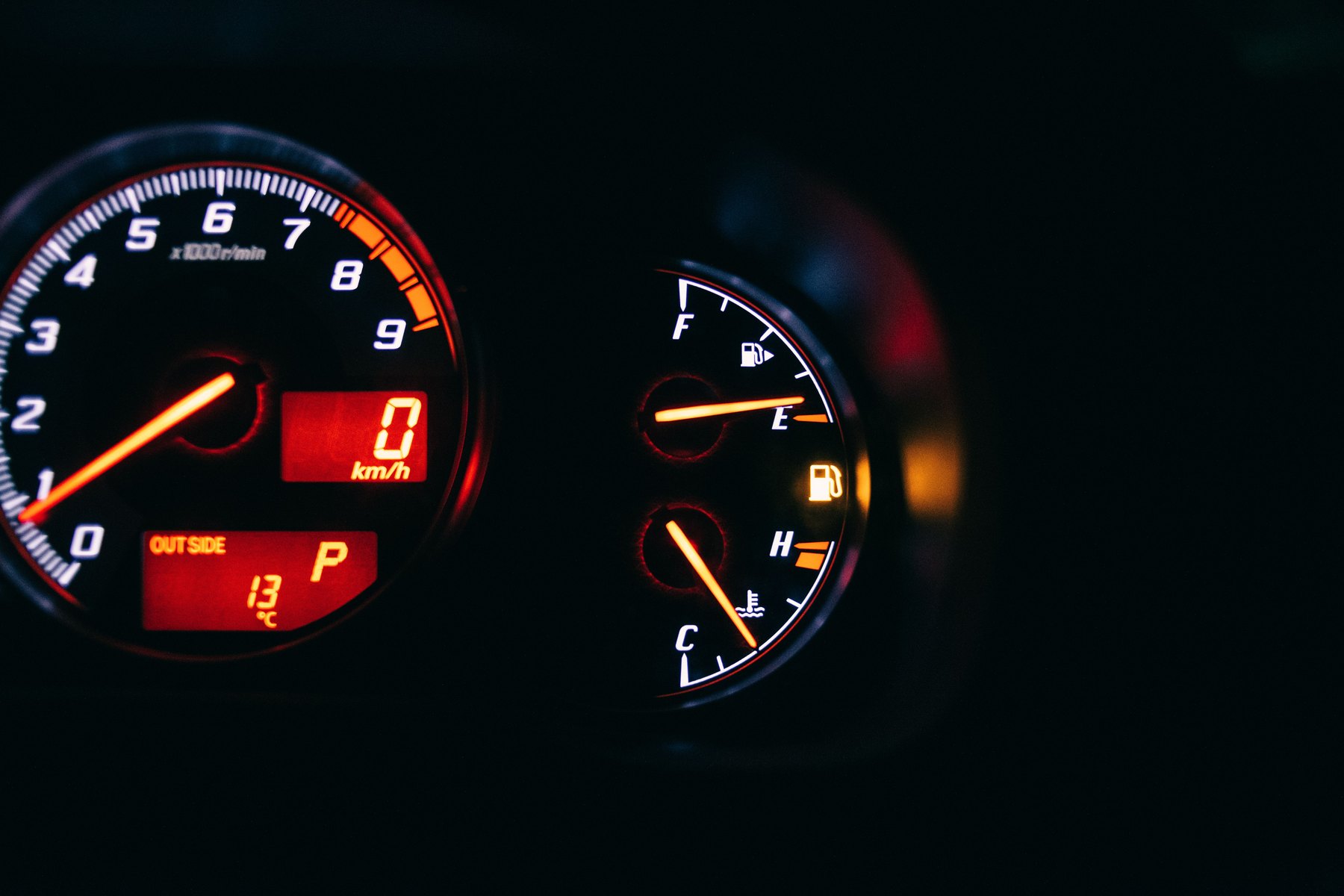
If you are trying to judge whether prices could dip below $3 in your area, focus on the drivers that most often move prices meaningfully. You do not need to track everything daily. A few signals can help you set expectations.
1) Crude oil prices
Crude oil is the main input cost for gasoline. When crude rises or falls, gasoline often follows, though not perfectly and not instantly. Oil prices respond to global supply decisions, geopolitical risk, and demand expectations.
2) Refinery capacity and outages
Gasoline prices can jump when refineries go offline for maintenance, storms, or unexpected outages. Even if crude is stable, limited refining capacity can tighten supply of finished gasoline.
3) Seasonal demand and seasonal blends
Driving demand often rises in warmer months. Many areas also switch to summer gasoline blends, which can be more expensive to produce. That combination can make sub-$3 prices harder in some markets during peak season, even if they were achievable in winter.
4) Inventories and distribution
When gasoline inventories are high, prices can soften. When inventories are low, prices can rise quickly after disruptions. Distribution bottlenecks can also matter, especially in regions that depend on specific pipelines or imports.
5) Taxes and policy changes
Fuel tax changes, environmental regulations, and other policy shifts can affect local prices. These changes are not frequent, but when they happen they can be noticeable.
Quick checklist: signals that can support lower prices
- Crude oil trending down for several weeks
- Refinery utilization stable with fewer outages
- Gasoline inventories building in your region
- Lower seasonal demand (often outside peak travel periods)
- No major regional supply disruptions
How to budget when gas might drop (or spike)
The most useful approach is to budget based on your driving habits and build a buffer for volatility. If prices fall below $3, treat the difference as temporary until it proves otherwise.
Step 1: Estimate your monthly gallons
Use a simple formula:
- Monthly miles driven ÷ your vehicle’s real-world MPG = monthly gallons
Example: 1,200 miles per month ÷ 24 MPG = 50 gallons per month.
Step 2: Build a “price range” budget
Instead of budgeting at one price, budget at a range. For example, plan for $3.25 to $4.00 per gallon if your area is volatile. If prices fall under $3, you will have extra room.
| Monthly gallons | $2.90/gal | $3.50/gal | $4.00/gal | Difference vs $3.50 |
|---|---|---|---|---|
| 30 | $87 | $105 | $120 | -$18 |
| 50 | $145 | $175 | $200 | -$30 |
| 70 | $203 | $245 | $280 | -$42 |
Decision rule: where should the “extra” go?
- If you have high-interest debt, consider directing most of the monthly savings to principal.
- If your emergency fund is thin, build it until you have 3 to 12 months of essential expenses (many households start with a smaller first milestone like $500 to $1,500).
- If you are planning a car purchase soon, keep the savings liquid for a down payment and fees.
What lower gas prices can mean for car buying and auto loans
Cheaper fuel can change how people shop for vehicles, but it does not automatically make a car affordable. The bigger drivers of affordability are the purchase price, interest rate, loan term, insurance, maintenance, and depreciation.
Use a total-cost view, not just “monthly payment”
When gas is cheaper, it is easy to justify a larger vehicle or longer commute. Before you do, run a simple total-cost check:
- Loan cost: APR, term length, and total interest paid
- Insurance: quotes can vary dramatically by model and trim
- Fuel: your monthly gallons times a conservative price
- Maintenance and tires: larger vehicles can cost more over time
Decision rules for auto loan terms
- Under 1 year timeline (buying soon): prioritize cash for down payment, taxes, registration, and an emergency buffer for repairs.
- 1 to 3 years: focus on improving credit, paying down revolving balances, and building a larger down payment to reduce the amount financed.
- 3 to 7 years: consider whether you can keep a vehicle long enough to justify the purchase and avoid frequent negative equity cycles.
- 7+ years: plan for long-term ownership costs and replacement savings so the next car is less dependent on financing.
Real-number scenarios: what to do if your gas bill drops
Below are three sample allocations that show what it could look like if your fuel costs fall. Adjust the numbers to your situation, but keep the structure: a buffer first, then debt, then goals.
Scenario A: You save $30/month at the pump
Assumption: You use about 50 gallons/month and your local price drops from $3.50 to $2.90 (about $30/month saved).
- $15 to a starter emergency fund or sinking fund for car repairs
- $10 extra toward a credit card balance (highest APR first)
- $5 to a “future car” savings bucket
Total: $15 + $10 + $5 = $30
Scenario B: You save $75/month at the pump
Assumption: Higher driving volume or a bigger price swing.
- $25 to emergency savings until you reach a comfortable baseline
- $40 to high-interest debt or a personal loan with a high APR
- $10 to maintenance (oil changes, tires, brakes)
Total: $25 + $40 + $10 = $75
Scenario C: You save $150/month at the pump
Assumption: Long commute, multiple drivers, or a meaningful local drop.
- $60 to debt payoff (credit cards first, then higher-rate installment debt)
- $50 to emergency savings or a car replacement fund
- $40 to a near-term goal (down payment, insurance premiums, or catching up on bills)
Total: $60 + $50 + $40 = $150
Should you refinance debt when gas is cheaper?
Lower gas prices can free up cash flow, which may help you qualify for better terms or simply make payments easier. But refinancing is not automatically a win. Focus on the total cost and the tradeoffs.
Good reasons to consider refinancing
- You can reduce APR meaningfully and the fees are reasonable for the savings.
- You can shorten the term without making the payment unmanageable.
- You are replacing high-interest revolving debt with a structured payoff plan.
Reasons to slow down and compare carefully
- Extending the term could reduce the payment but increase total interest.
- Upfront fees can erase savings if you do not keep the loan long enough.
- Variable rates can rise later, changing the math.
| Option | Best fit | What to compare | Main drawback |
|---|---|---|---|
| Credit union refinance | Strong credit, stable income | APR, term, membership rules, fees | May require membership and specific eligibility |
| Bank personal loan | Debt consolidation with fixed payments | APR, origination fee, term, prepayment policy | Rates can be high if credit is fair |
| 0% intro APR balance transfer card | Payoff plan within promo window | Transfer fee, promo length, post-promo APR | Requires discipline and usually good credit |
| Home equity loan or HELOC | Homeowners with equity and strong plan | APR type (fixed vs variable), closing costs, draw rules | Your home is collateral if you cannot repay |
| Auto loan refinance | Vehicle value supports refinance | APR, term, fees, lien process | Longer term can keep you in negative equity longer |
How to pressure-test your budget if prices rebound
If you build your lifestyle around cheaper gas, a rebound can squeeze your budget. A simple stress test can prevent that.
Stress test rule
- Pick a “high” price you could realistically see again (for example, $4.00).
- Multiply by your monthly gallons.
- If the difference would force you to carry credit card balances, reduce fixed commitments now.
Practical ways to reduce fuel risk without major lifestyle changes
- Combine errands and reduce extra trips.
- Keep tires inflated and stay on top of maintenance.
- Use a rewards card only if you pay the statement balance in full and on time.
- Compare station prices using apps and loyalty programs, but do not drive far out of your way to save a few cents.
Credit and cash steps that matter more than gas prices
Even if gas drops below $3, the biggest financial wins usually come from credit fundamentals and cash management.
Credit moves with high impact
- Pay on time: payment history is a major factor in credit scoring.
- Lower credit utilization: keeping revolving balances lower relative to limits can help scores over time.
- Check your credit reports: correct errors and watch for fraud.
You can get free weekly credit reports at AnnualCreditReport.com.
Cash safety basics
- Keep emergency savings in an FDIC-insured bank account (or NCUA-insured credit union account) when possible.
- Confirm coverage limits and account ownership categories if you have larger balances.
Learn how deposit insurance works at the FDIC.
Common pitfalls when people expect gas to stay cheap
- Upgrading vehicles too quickly: a larger payment can outlast any fuel savings.
- Stretching loan terms: lower monthly payments can mean higher total interest.
- Letting subscriptions creep up: small monthly adds can eat the “gas savings.”
- Using buy now, pay later to cover basics: it can create stacked due dates and cash-flow stress.
A simple plan for the next 30 days
1) Calculate your monthly gallons and set a range budget
- Write down miles driven last month and your MPG.
- Budget fuel at a conservative price, not the lowest price you saw.
2) Choose one target for any savings
- Starter emergency fund, highest-APR debt, or a car down payment fund.
3) Compare borrowing costs before you change anything big
- When shopping loans or refinancing, compare APR, fees, term length, and total interest.
- Review borrowing basics and complaint resources at the CFPB.
- Learn about avoiding scams and misleading offers at the FTC.
Bottom line: plan for flexibility, not a perfect forecast
A gas prices below 3 outlook can be useful for short-term planning, but it is not a solid foundation for long-term financial decisions. If prices do dip, treat the difference as an opportunity to strengthen your cash buffer, reduce high-interest debt, or prepare for upcoming car costs. If prices rise again, a range-based budget and a simple stress test can help you stay in control.


