

Iran Ceasefire Gas Prices: What Drivers and Borrowers Can Do Next

Iran ceasefire gas prices can still change quickly, even when headlines suggest tensions are easing. For households, that matters because fuel costs ripple into commuting, delivery fees, groceries, and sometimes interest rates. This guide explains what typically happens to gas prices after major geopolitical news, how long changes can take to show up at the pump, and practical money moves you can make if you drive a lot or carry debt.
Contents
34 sections
-
Why Iran ceasefire gas prices can still be volatile
-
1) Oil is global, gas is local
-
2) Markets move on expectations
-
3) Shipping routes and insurance still matter
-
4) The dollar and interest rates affect commodities
-
5) Seasonal patterns and refinery maintenance
-
How long it can take for price changes to reach the pump
-
Budgeting for gas when prices may swing
-
A simple rule: budget at a higher price than today
-
Calculate your monthly fuel exposure
-
Checklist: make your fuel budget more resilient
-
Decision rules by timeline (under 1 year to 7+ years)
-
Under 1 year
-
1 to 3 years
-
3 to 7 years
-
7+ years
-
What this looks like with real numbers: three sample monthly plans
-
Scenario A: commuter with tight cash flow (take-home pay $3,200/month)
-
Scenario B: gig driver with variable income (average take-home $4,500/month)
-
Scenario C: household planning a car replacement (take-home pay $6,000/month)
-
When gas prices affect borrowing decisions
-
Decision rule: match repayment to the life of the expense
-
Compare common options (named examples)
-
Avoiding high-cost traps during price spikes
-
Fuel-saving moves that usually matter more than timing the market
-
Driving and maintenance
-
Shopping for gas
-
Quick risk checklist: are you exposed to fuel volatility?
-
Credit and identity steps that support better borrowing options
-
Putting it together: a practical plan for the next 30 days
-
Step 1: quantify your exposure
-
Step 2: build a small buffer before you borrow
-
Step 3: if you must finance, compare total cost
-
Step 4: reduce consumption where it is easiest
Why Iran ceasefire gas prices can still be volatile
Gasoline prices are influenced by more than one event. A ceasefire can reduce immediate fear of supply disruptions, but prices may not fall much if other factors are pushing costs up. Here are the main drivers to watch:
1) Oil is global, gas is local
Crude oil is traded globally, but gasoline prices depend on local refining capacity, regional fuel blends, and distribution constraints. Even if crude drops, your area can stay expensive if a refinery is down or if your state requires a special blend.
2) Markets move on expectations
Oil prices often move before anything happens, based on what traders expect. If a ceasefire was widely anticipated, some of the price impact may already be baked in. If the ceasefire looks fragile, risk premiums can return fast.
3) Shipping routes and insurance still matter
Even with reduced conflict, shipping risks, insurance costs, and rerouting can keep transportation costs elevated. Those costs can show up in crude prices and in the cost of moving refined products.
4) The dollar and interest rates affect commodities
Oil is priced in US dollars. When the dollar strengthens, oil can become more expensive for other countries, sometimes pressuring demand and prices. Interest rate expectations also influence commodity trading and broader inflation expectations.
5) Seasonal patterns and refinery maintenance
Gasoline demand often rises in driving season, and refineries schedule maintenance that can tighten supply. These factors can overpower geopolitical relief in the short run.
How long it can take for price changes to reach the pump
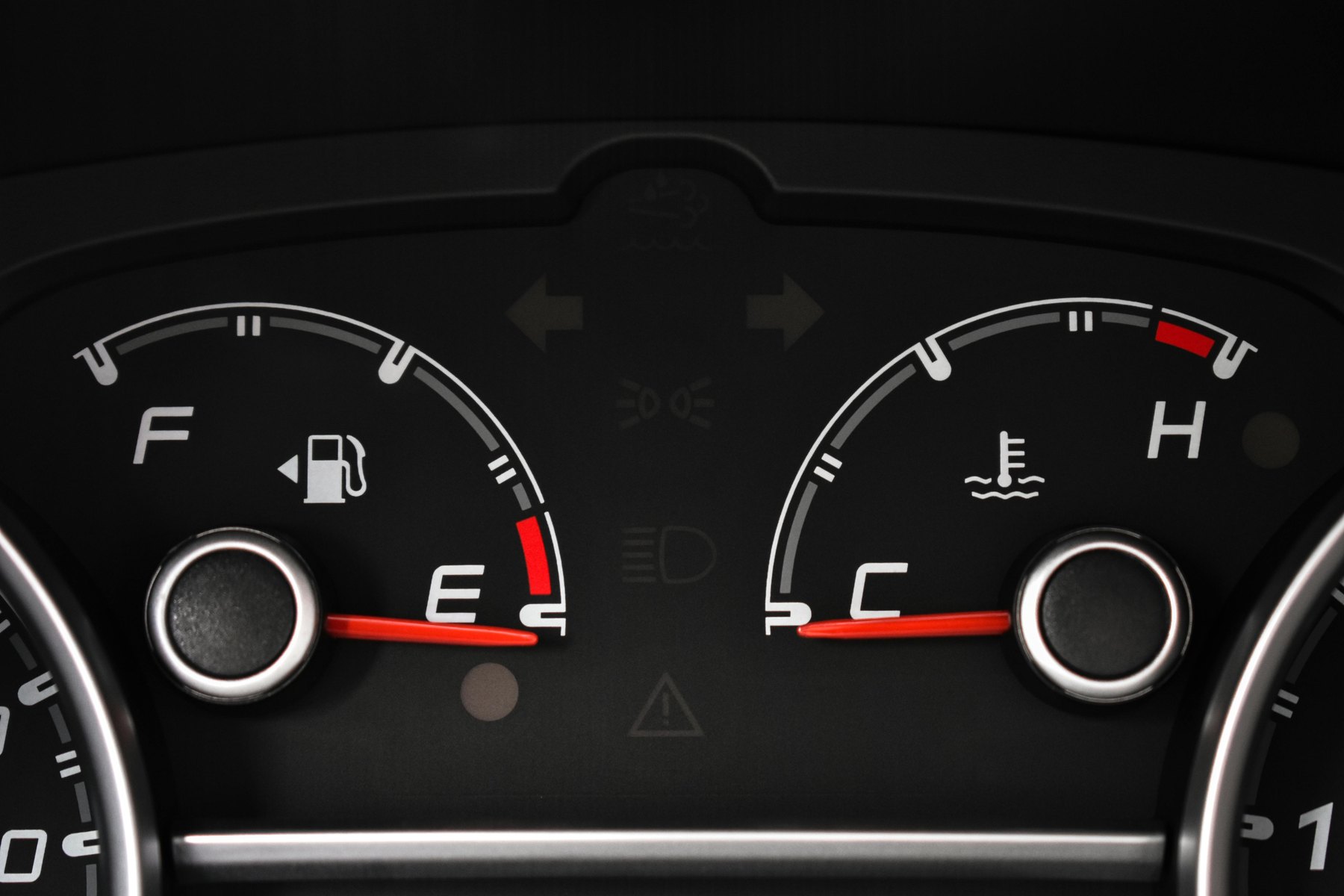
Even if crude prices drop today, you may not see an immediate change at your local station. Gas stations sell fuel purchased at earlier wholesale prices, and wholesale prices can move differently than crude.
| Stage | What changes | Typical timing | What you can do |
|---|---|---|---|
| Crude oil market | Global oil price reacts to news | Minutes to days | Avoid overreacting with big financial decisions based on one day |
| Wholesale gasoline | Refiners and distributors adjust rack prices | Days to 2 weeks | Track local averages, not just headlines |
| Retail stations | Stations adjust pump prices | Days to several weeks | Use price comparison apps and fill up strategically |
| Household budget | Your monthly spending reflects new prices | 1 to 2 billing cycles | Update your budget after you see a stable trend |
Budgeting for gas when prices may swing
If you drive regularly, treat fuel like a variable bill. The goal is not to predict the exact price, but to design a budget that can absorb spikes without forcing you into high-cost debt.
A simple rule: budget at a higher price than today
Pick a conservative planning price per gallon based on recent highs in your area. If your actual cost comes in lower, the difference becomes savings or debt payoff.
Calculate your monthly fuel exposure
Use this quick estimate:
- Monthly gallons = monthly miles driven / your miles per gallon
- Monthly fuel cost = monthly gallons x price per gallon
- Monthly swing risk = monthly gallons x (high planning price – current price)
Example: You drive 1,200 miles per month and average 24 mpg. That is about 50 gallons. If you plan at $4.00 instead of $3.50, your swing risk is 50 x $0.50 = $25 per month. That $25 is what you want your budget to comfortably absorb.
Checklist: make your fuel budget more resilient
- Track average mpg over a month, not one trip.
- Set a fuel line item using a conservative planning price.
- Build a small buffer category (even $25 to $100 per month) for variable essentials.
- If you use a credit card for gas, plan to pay it in full to avoid interest that can outweigh rewards.
Decision rules by timeline (under 1 year to 7+ years)
Fuel volatility can influence what you do with cash, debt, and vehicle decisions. Use timeline-based rules to avoid making long-term commitments based on short-term price moves.
Under 1 year
- Focus: cash flow stability.
- Moves: tighten the monthly budget, reduce discretionary driving, shop insurance, and build a small emergency cushion.
- Avoid: taking on a longer car loan just because gas is temporarily cheaper.
1 to 3 years
- Focus: lowering fixed costs.
- Moves: consider refinancing high-interest debt if you qualify, compare commuting alternatives, and plan vehicle maintenance to protect mpg.
- Avoid: stretching a budget with a vehicle payment that only works if gas stays low.
3 to 7 years
- Focus: total cost of ownership.
- Moves: when replacing a car, compare fuel costs, insurance, maintenance, and financing together.
- Avoid: ignoring depreciation and repair risk when choosing between new and used.
7+ years
- Focus: long-run resilience.
- Moves: prioritize a sustainable budget, adequate emergency savings, and manageable debt so energy price spikes do not derail goals.
What this looks like with real numbers: three sample monthly plans
Below are sample allocations for different situations. These are not one-size-fits-all budgets, but they show how to build in fuel flexibility without relying on perfect predictions.
Scenario A: commuter with tight cash flow (take-home pay $3,200/month)
- Rent and utilities: $1,450
- Groceries: $450
- Gas and transit: $260
- Car insurance: $160
- Minimum debt payments: $420
- Phone and internet: $120
- Emergency fund: $100
- Variable essentials buffer: $60
- Other spending: $180
Total: $3,200
Scenario B: gig driver with variable income (average take-home $4,500/month)
- Rent and utilities: $1,700
- Groceries: $550
- Gas: $550
- Maintenance sinking fund: $200
- Car insurance: $220
- Taxes set-aside (varies): $600
- Debt payments: $350
- Emergency fund: $250
- Other spending: $80
Total: $4,500
Scenario C: household planning a car replacement (take-home pay $6,000/month)
- Mortgage or rent and utilities: $2,400
- Groceries: $750
- Gas and transit: $350
- Insurance (auto and other): $350
- Childcare or education: $700
- Debt payments: $450
- Emergency fund and sinking funds: $500
- Car replacement fund: $400
- Other spending: $100
Total: $6,000
When gas prices affect borrowing decisions
Fuel spikes can create a cash crunch that pushes people toward credit cards, buy now pay later plans, or short-term loans. The key is to match the tool to the problem and understand the full cost.
Decision rule: match repayment to the life of the expense
- One-time shortfall (unexpected repair, temporary price spike): prioritize a small emergency buffer or a short payoff plan.
- Ongoing gap (commute is permanently expensive): you may need a structural change like reducing other bills, changing vehicles, or increasing income.
Compare common options (named examples)
These are recognizable options you can compare. Availability, eligibility, and terms vary, so check current APRs, fees, and requirements.
| Option | Best fit | What to compare | Main drawback |
|---|---|---|---|
| Credit card (example issuers: Chase, Citi, Capital One) | Short-term float you can repay quickly | APR after any promo, fees, payoff timeline | Interest can be costly if you carry a balance |
| Credit union personal loan (example: Navy Federal, local credit unions) | Fixed payments for a defined amount | APR range, origination fees, term length | Qualification may be stricter than some online options |
| Online personal loan marketplaces (examples: LendingClub, Upstart) | Comparing multiple offers in one place | APR, fees, prepayment policy, funding time | Rates can vary widely by credit and income |
| Buy now pay later (examples: Affirm, Klarna) | Specific purchases with clear payoff plan | Total cost, late fees, payment schedule | Multiple plans can be hard to track and may strain cash flow |
| 401(k) loan (employer plan feature) | Last-resort liquidity with structured repayment | Repayment rules, job-change risk, opportunity cost | If you leave your job, repayment may accelerate |
Avoiding high-cost traps during price spikes
- Be cautious with products that have unclear fees or very short repayment windows.
- Before borrowing, write down the exact payoff date and the monthly payment you will use.
- If you are already behind on bills, prioritize essentials and contact creditors early to ask about hardship options.
Fuel-saving moves that usually matter more than timing the market
You cannot control geopolitics, but you can reduce how much price swings affect you.
Driving and maintenance
- Check tire pressure monthly. Underinflated tires can reduce mpg.
- Combine errands and reduce cold starts.
- Use cruise control when appropriate and drive smoothly.
- Keep up with oil changes and air filter checks per your manual.
Shopping for gas
- Compare stations near home and work. Price differences can be meaningful over a month.
- Use loyalty programs carefully. A discount is only helpful if it does not lead to extra spending.
- Consider paying with a method that fits your budget. Rewards are less valuable if you pay interest.
Quick risk checklist: are you exposed to fuel volatility?
| Question | If yes | Next step |
|---|---|---|
| Does gas exceed 8% to 10% of your take-home pay? | High sensitivity to price spikes | Build a buffer and look for commute or vehicle changes |
| Do you carry a credit card balance month to month? | Fuel spikes may increase interest costs | Set a payoff plan and avoid adding new revolving debt |
| Is your car older with unpredictable repairs? | Double risk: repairs plus fuel | Create a maintenance sinking fund and price out alternatives |
| Is your income variable (gig work, commissions)? | Cash flow can break during spikes | Budget using a conservative income baseline and larger buffer |
Credit and identity steps that support better borrowing options
If fuel costs push you toward borrowing, your credit profile can affect the APR and terms you are offered. These steps can help you understand where you stand and reduce surprises.
- Check your credit reports for errors at AnnualCreditReport.com.
- Learn how credit reporting and disputes work through the Consumer Financial Protection Bureau.
- Review scam and fraud prevention tips at the Federal Trade Commission, especially if you see ads promising instant cash with no checks.
Putting it together: a practical plan for the next 30 days
Step 1: quantify your exposure
- Estimate your monthly gallons and set a planning price.
- Calculate how much a $0.50 per gallon increase would cost you monthly.
Step 2: build a small buffer before you borrow
- Aim for $100 to $500 in a buffer category if possible, then grow it over time.
- If you already have an emergency fund, consider keeping part of it in an FDIC-insured bank account. You can learn more about deposit insurance at the FDIC.
Step 3: if you must finance, compare total cost
- Compare APR, fees, repayment term, and whether there is a prepayment penalty.
- Choose a payment you can handle even if gas rises again.
Step 4: reduce consumption where it is easiest
- Pick one change you can keep: one fewer trip per week, carpool twice a week, or a maintenance check that improves mpg.
Geopolitical news like a ceasefire can influence oil markets, but your financial stability comes from controllable choices: a flexible budget, a realistic plan for debt, and a vehicle strategy that fits your timeline.


