

Iran War Gas Prices: Highest 10 States and How to Protect Your Budget

Iran War Gas Prices Highest 10 States is a headline that tends to spike when global conflict threatens oil supply routes, shipping insurance costs, or refinery and distribution logistics. Even if you do not live in a coastal state, price moves can ripple nationwide through wholesale markets, seasonal blends, and regional refinery outages. This guide explains what drives war related price surges, which states typically sit at the top of the price chart, and what you can do with real numbers to reduce the damage to your monthly budget.
Contents
29 sections
-
Why conflict can raise gas prices fast
-
Iran War Gas Prices Highest 10 States: which states usually top the list
-
What a price spike looks like with real numbers
-
Example 1: commuter driving 1,200 miles per month
-
Example 2: rideshare or delivery driver driving 3,000 miles per month
-
Example 3: family with two cars driving 2,200 miles per month total
-
Quick checklist: reduce fuel spending without changing cars
-
Payment and rewards options: named examples to compare
-
Decision rules for using rewards safely
-
Budget protection plan: build a fuel shock buffer
-
Step 1: estimate your monthly fuel baseline
-
Step 2: choose a trigger and a response
-
Three sample monthly allocations (with real numbers)
-
Borrowing choices if fuel costs push you short
-
1) Adjust due dates and negotiate before borrowing
-
2) Credit card strategies (if you can pay it off quickly)
-
3) Personal loan or credit union loan (for larger, longer gaps)
-
4) 401(k) loan or paycheck advance products (use caution)
-
5) Avoid high cost, short term traps when possible
-
Timeline decision rules: what to do based on how long prices stay high
-
Under 1 year
-
1 to 3 years
-
3 to 7 years
-
7+ years
-
How to track your credit and keep borrowing costs lower
-
Mini playbook: if you live in a high price state
-
Weekly routine
-
Monthly routine
-
Key takeaways
Why conflict can raise gas prices fast
Gas prices are not set by one single factor. During international conflict, several costs can move at the same time:
- Crude oil price swings – Markets price in risk of supply disruptions or sanctions.
- Shipping and insurance – Tanker routes and insurance premiums can change quickly when risk rises.
- Refining constraints – Even if crude is available, refinery outages or limited capacity can tighten gasoline supply.
- Regional fuel rules – Some states require special blends, which reduces flexibility when supply is tight.
- Taxes and fees – State and local taxes can keep prices structurally higher even when crude falls.
In practice, you might see prices jump within days because stations replenish inventory at new wholesale costs. Prices can also fall more slowly than they rise, especially if retailers are cautious about future replacement costs.
Iran War Gas Prices Highest 10 States: which states usually top the list
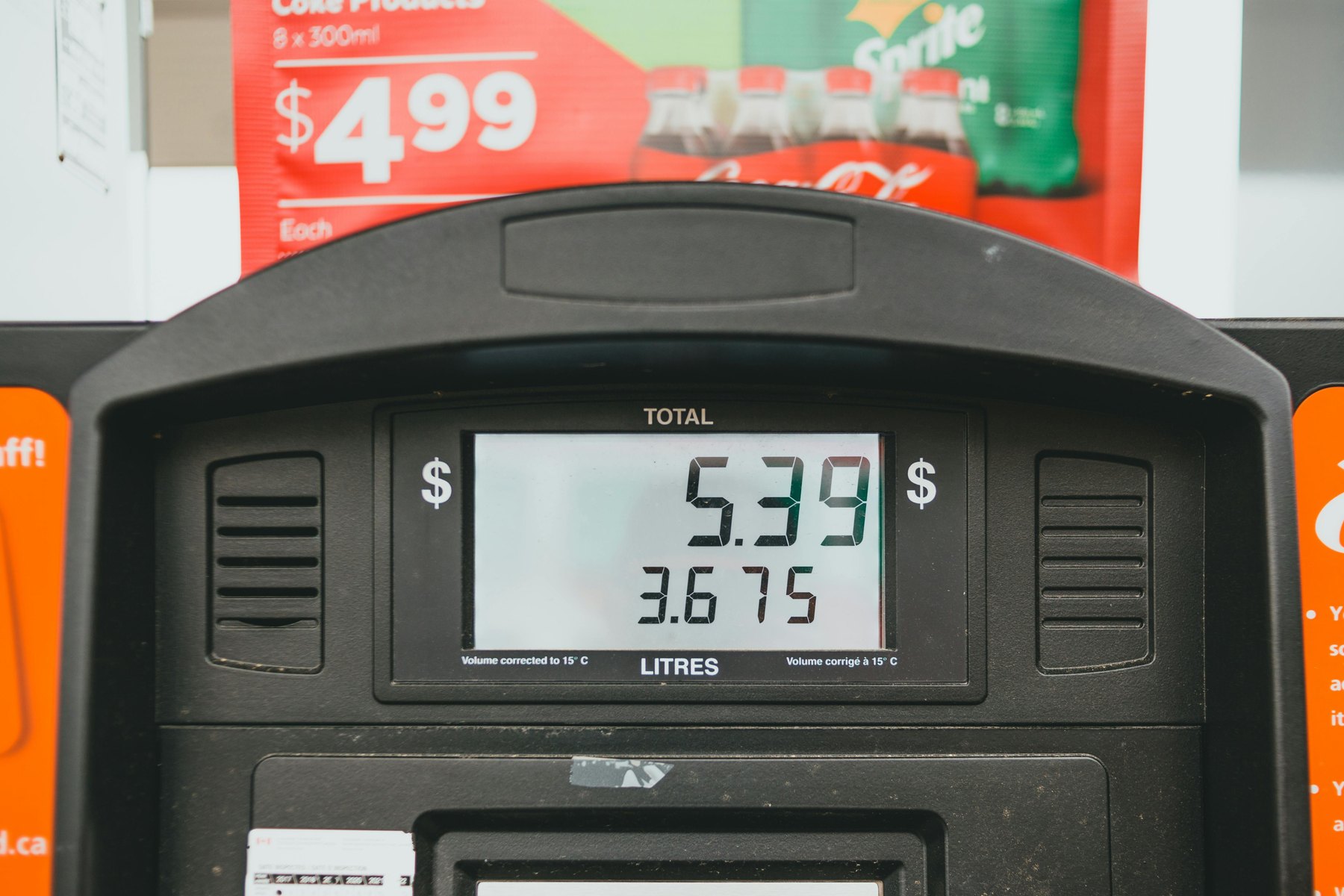
Exact rankings change week to week. But in many recent years, the same states frequently appear among the highest average pump prices because of taxes, geography, environmental fuel standards, and limited pipeline or refinery options. When global oil risk rises, these states often feel it first or feel it most.
| State (often among highest) | Why prices tend to run high | What to watch during conflict | Practical move |
|---|---|---|---|
| California | Special fuel blend, high taxes, tight refining capacity | Refinery outages and import costs | Use price tracking apps and shift fill ups to off peak days |
| Hawaii | Island logistics, shipping costs | Shipping insurance and route risk | Reduce discretionary trips and consolidate errands |
| Washington | Taxes and regional supply constraints | West Coast refinery and import dynamics | Compare stations within a few miles, prices vary widely |
| Oregon | Regional supply and taxes | Pipeline and refinery disruptions | Plan refuels around commute to avoid premium convenience stations |
| Nevada | Limited in state refining, depends on imports | Supply tightness from neighboring states | Join a warehouse club if it fits your driving pattern |
| Alaska | Remote distribution, seasonal constraints | Transport costs and local supply issues | Keep tires properly inflated and reduce idling |
| Arizona | Supply chain sensitivity in some metros | Regional refinery disruptions | Use rewards programs and avoid top tier octane unless required |
| Illinois | Higher taxes in some areas | Midwest refinery and distribution shifts | Track price cycles, fill midweek when possible |
| Pennsylvania | Higher fuel taxes | East Coast refining constraints | Consider carpooling or transit for part of the week |
| New York | Taxes and metro area pricing | Distribution and demand spikes | Use commuter benefits if offered by employer |
How to use this list: If you live in one of these states, treat fuel as a volatile expense. Build a buffer into your monthly plan so a sudden jump does not force you into high cost debt.
What a price spike looks like with real numbers
Small changes at the pump add up quickly. Use this simple formula:
Monthly fuel cost = (miles driven per month ÷ miles per gallon) × price per gallon
Example 1: commuter driving 1,200 miles per month
- Vehicle efficiency: 25 mpg
- Gallons per month: 1,200 ÷ 25 = 48 gallons
- If gas rises by $0.75 per gallon, added monthly cost: 48 × $0.75 = $36
Example 2: rideshare or delivery driver driving 3,000 miles per month
- Vehicle efficiency: 28 mpg
- Gallons per month: 3,000 ÷ 28 ≈ 107 gallons
- If gas rises by $0.75 per gallon, added monthly cost: 107 × $0.75 ≈ $80
Example 3: family with two cars driving 2,200 miles per month total
- Car A: 1,400 miles at 24 mpg = 58 gallons
- Car B: 800 miles at 32 mpg = 25 gallons
- Total: 83 gallons
- If gas rises by $0.50 per gallon, added monthly cost: 83 × $0.50 = $41.50
Those numbers are manageable for some households and a serious problem for others. The key is to decide in advance how you will cover a $40 to $120 monthly swing without missing other bills.
Quick checklist: reduce fuel spending without changing cars
These steps are usually faster than shopping for a new vehicle or refinancing a loan.
| Action | Time to do | Potential impact | Watch out for |
|---|---|---|---|
| Check tire pressure monthly | 10 minutes | Improves efficiency and tire life | Do it when tires are cold for accurate readings |
| Combine errands into one trip | 15 minutes planning | Fewer cold starts and fewer miles | Do not drive extra miles to chase tiny price differences |
| Drive smoother, reduce hard acceleration | Immediate | Often meaningful savings over a month | Stay safe and follow traffic flow |
| Use loyalty programs or cash back cards | 10 to 30 minutes setup | Discounts or cash back on fuel | Pay credit cards in full to avoid interest |
| Carpool 1 to 2 days per week | Coordination | Can cut commute miles significantly | Schedule changes can reduce consistency |
Payment and rewards options: named examples to compare
If you already buy gas, the goal is to reduce the net cost without adding new fees or interest. Here are recognizable options people commonly compare. Availability, rewards, and terms change, so verify current details before applying or enrolling.
| Option | Best fit | What to compare | Main drawback |
|---|---|---|---|
| Costco Anywhere Visa Card by Citi | Costco members who buy gas often | Cash back categories, membership cost, where rewards apply | Requires membership and paying in full to avoid interest |
| Sam’s Club Mastercard | Sam’s Club members fueling at club stations | Fuel rewards caps, redemption rules, membership cost | Rewards may be less useful if you rarely shop there |
| Shell Fuel Rewards | Drivers near Shell stations | Per gallon discounts, participating locations, stacking rules | Discount depends on station network and may vary |
| Exxon Mobil Rewards+ | Drivers who frequently use Exxon or Mobil | Points value, redemption options, app usability | Best value often requires consistent brand usage |
| BPme Rewards | Drivers with BP or Amoco nearby | Instant discounts vs points, location participation | Not all stations participate equally |
| Walmart+ member fuel discounts (participating stations) | Walmart shoppers who can use partner stations | Which stations qualify, membership fee, discount amount | Value depends on local station coverage |
Decision rules for using rewards safely
- If you carry a credit card balance: prioritize paying down high APR debt over chasing rewards. Interest can outweigh discounts quickly.
- If you pay in full each month: compare cash back rates, annual fees, and whether rewards apply at the stations you actually use.
- If a program requires a membership: estimate annual savings first. If you would not use the membership otherwise, the math may not work.
Budget protection plan: build a fuel shock buffer
When prices jump, many households cover the gap by revolving credit card debt. A better approach is to pre plan a small buffer and a set of actions you trigger when prices rise.
Step 1: estimate your monthly fuel baseline
Use the last 2 to 3 months of statements or receipts. If you do not track, start with a conservative estimate based on miles driven.
Step 2: choose a trigger and a response
- Trigger: gas up $0.50 per gallon from your baseline.
- Response: reduce discretionary driving, add one carpool day, and move $40 to $100 from dining out to fuel.
Three sample monthly allocations (with real numbers)
These examples show how to fund a fuel spike without missing other priorities. Adjust to your income and bills.
- Allocation A: tight budget – Add a $50 fuel buffer by moving $20 from subscriptions, $20 from takeout, and $10 from impulse spending. Total moved: $50.
- Allocation B: moderate budget – Add a $100 fuel buffer by moving $40 from dining out, $30 from entertainment, and $30 from shopping. Total moved: $100.
- Allocation C: high mileage household – Add a $180 fuel buffer by moving $60 from dining out, $60 from travel fund, and $60 from miscellaneous. Total moved: $180.
Borrowing choices if fuel costs push you short
If higher gas prices create a cash flow problem, the goal is to cover essentials at the lowest total cost and avoid repeat borrowing. Consider these options in order of typical cost, but always compare your actual offers and terms.
1) Adjust due dates and negotiate before borrowing
If you are at risk of missing a payment, contact the lender or servicer early. Ask about changing the due date or hardship options. For credit cards, you can also ask about a lower APR or a temporary payment plan. The Consumer Financial Protection Bureau has tools and guidance on dealing with lenders and managing debt.
2) Credit card strategies (if you can pay it off quickly)
- Best use: a short gap you can repay within the next statement cycle.
- Compare: APR, fees, and whether you are likely to carry a balance.
- Decision rule: if you cannot realistically pay it off within 30 to 60 days, look for a lower cost alternative.
3) Personal loan or credit union loan (for larger, longer gaps)
A fixed payment personal loan can be easier to budget than revolving debt, but costs vary widely by credit score, income, and lender. Compare:
- APR and whether it is fixed
- Origination fees
- Loan term and total interest paid
- Prepayment penalties (many do not have them, but check)
4) 401(k) loan or paycheck advance products (use caution)
Some workplaces offer paycheck advances or earned wage access. Some retirement plans allow loans. These can have tradeoffs such as fees, reduced retirement growth, or repayment risk if you leave your job. Compare the total cost and the consequences of missed payments.
5) Avoid high cost, short term traps when possible
Payday loans and some auto title loans can be expensive and hard to exit. If you are considering one, compare the total repayment amount and the rollover risk. The FTC consumer guidance has practical information on common debt traps and how to spot unfair practices.
Timeline decision rules: what to do based on how long prices stay high
War related price spikes can be short or prolonged. Use timeline rules so you do not overreact with a costly decision.
Under 1 year
- Focus on driving and budgeting levers: route planning, fewer trips, rewards optimization.
- Build a small buffer: aim for 1 month of your typical fuel spend set aside.
- If borrowing is needed, prioritize the lowest cost option you can repay quickly.
1 to 3 years
- Consider changing commute patterns: partial remote work, carpool agreements, public transit passes.
- If you are shopping for a car anyway, compare total cost of ownership, not just the monthly payment.
- Review insurance deductibles and coverage to avoid paying for overlapping protections.
3 to 7 years
- Consider whether a more fuel efficient vehicle fits your needs and budget.
- Run a break even estimate: how many gallons you would save per month versus higher purchase price or financing cost.
- Plan for maintenance and battery or hybrid system considerations if applicable.
7+ years
- Think long term: housing location, job location, and transportation options can matter more than short term price swings.
- Build a stronger emergency fund so energy volatility does not force debt.
How to track your credit and keep borrowing costs lower
If higher living costs push you toward borrowing, your credit profile can influence the APR and terms you are offered. Practical steps:
- Check your credit reports for errors and dispute inaccuracies. You can get free reports at AnnualCreditReport.com.
- Pay on time – set autopay for minimums if cash flow is tight, then pay extra when you can.
- Keep utilization in mind – high balances relative to limits can hurt scores.
Mini playbook: if you live in a high price state
Weekly routine
- Pick two stations you trust and compare prices consistently rather than chasing every deal.
- Refuel before you are near empty so you can choose timing and location.
- Track miles driven for one week and look for one removable trip.
Monthly routine
- Review fuel spending line by line and set next month’s fuel cap.
- Move a fixed amount into a buffer category when prices are rising.
- If you use rewards, confirm you redeemed them and did not pay extra fees to get them.
Key takeaways
- Conflict risk can raise gas prices quickly through crude markets, shipping, and refining constraints.
- States like California, Hawaii, Washington, and Oregon often sit near the top due to structural factors, so spikes can hit harder.
- Use real numbers to estimate your exposure, then choose a trigger and response plan.
- Rewards and payment options can help, but only if you avoid interest and compare fees and terms.
- If you need to borrow, compare APR, fees, and repayment timeline, and avoid high cost short term traps when possible.
For broader help with budgeting, debt, and financial products, you can also explore consumer resources from the FDIC, including guidance on banking basics and avoiding common fees.


