

Travel World in Retirement Budget: A Practical Plan With Real Numbers

A retirement travel budget works best when it is built around your monthly cash flow, your health and mobility needs, and a clear plan for big one time costs like flights and insurance.
Contents
34 sections
-
Start with your travel style and annual target
-
Pick a travel style
-
Set an annual travel number you can actually fund
-
Retirement travel budget categories that prevent surprises
-
Build your retirement travel budget using a bucket system
-
Bucket 1: Essentials and bills (keep stable)
-
Bucket 2: Travel sinking fund (your monthly "travel payment")
-
Bucket 3: Travel buffer (for surprises)
-
Bucket 4: Long range travel goals (for big trips)
-
Where to keep the money
-
What this looks like with real numbers (3 sample allocations)
-
Scenario A: Moderate travel on a steady income
-
Scenario B: One big trip every year with a higher buffer
-
Scenario C: Slow travel funded by a mix of monthly savings and a long range goal
-
Decision rules that keep travel from breaking your plan
-
Rule 1: Do not book nonrefundable travel until the money is already in your travel account
-
Rule 2: Keep a minimum cash cushion at home
-
Rule 3: Match payment method to timeline
-
Rule 4: If you use a credit card, treat it as a payment tool, not a loan
-
When borrowing for travel is risky (and what to compare if you consider it)
-
Common ways people finance travel
-
A quick borrowing checklist
-
Protect your credit and avoid travel related fraud
-
Before you book
-
Watch for common scams
-
How to cut costs without cutting the fun
-
Big levers
-
Smaller levers that still matter
-
A simple planning timeline (90 days to departure)
-
90 to 60 days out
-
60 to 30 days out
-
30 to 0 days out
-
Quick self check: Is this trip affordable right now?
-
Putting it together: a realistic retirement travel plan
Retirement can be a great time to travel because you may have more flexibility with dates and pace. The challenge is that travel spending is lumpy. One month can be quiet, and the next month can include airfare, deposits, and medical coverage. A good budget smooths those spikes so you do not end up leaning on high interest credit cards or pulling too much from investments at the wrong time.
Start with your travel style and annual target
Before you touch spreadsheets, define what “travel” means for you. Your budget will look very different if you want slow travel for a month at a time versus several short trips.
Pick a travel style
- Local and regional: road trips, visiting family, national parks, short flights.
- One big trip: one international trip per year plus a few weekend getaways.
- Slow travel: 4 to 12 weeks in one region with fewer flights and more rentals.
- Bucket list travel: cruises, guided tours, or remote destinations with higher costs.
Set an annual travel number you can actually fund
A practical way to set a number is to start with what your retirement income can support after essentials. If you are not sure, do this quick estimate:
- Add up monthly essentials: housing, utilities, groceries, insurance, prescriptions, minimum debt payments.
- Add a “home life” buffer for irregular costs: home repairs, car repairs, gifts.
- What is left is your flexible spending. Decide what portion goes to travel.
Many retirees find travel is easiest to sustain when it is treated like a monthly bill that feeds a separate travel account.
Retirement travel budget categories that prevent surprises
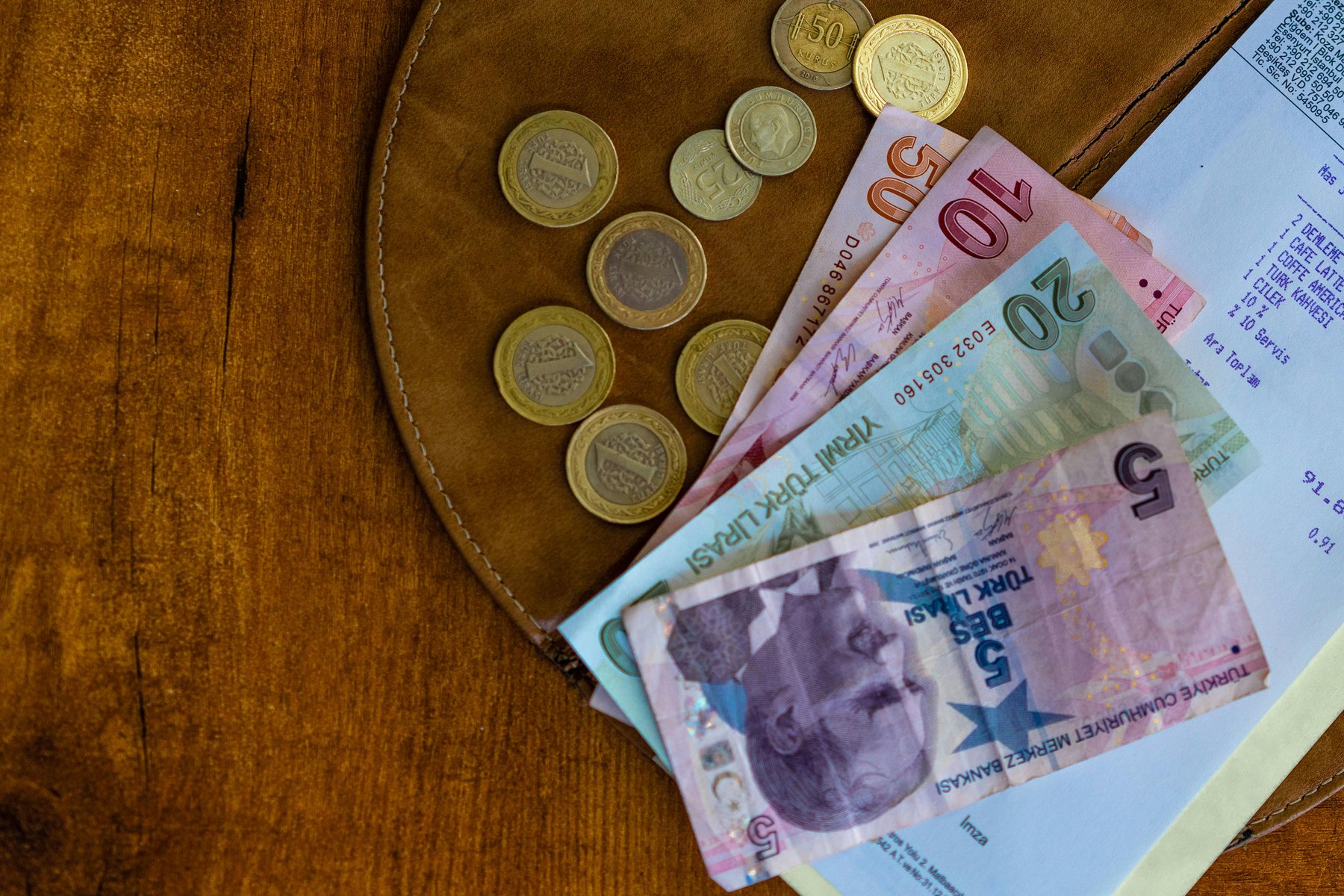
Travel costs are not just flights and hotels. The categories below help you avoid underbudgeting.
| Category | What to include | Commonly missed items | How to control it |
|---|---|---|---|
| Transportation | Flights, trains, car rental, fuel, parking | Baggage fees, seat selection, tolls | Travel off peak, use fare alerts, pack lighter |
| Lodging | Hotels, rentals, taxes, resort fees | Cleaning fees, extra guest fees | Compare total price, not nightly rate |
| Food | Restaurants, groceries, coffee | Airport meals, tips | Mix grocery breakfasts with a few splurges |
| Activities | Tours, museums, shows, day trips | Booking fees, gear rentals | Choose 1 paid highlight per day, keep the rest flexible |
| Health and safety | Travel medical coverage, meds, mobility aids | Out of network care, emergency transport | Confirm what Medicare and supplements do and do not cover abroad |
| Connectivity | Phone plan, eSIM, Wi-Fi | Roaming charges | Set roaming limits, buy local data |
| Travel buffer | Unexpected costs | Rebooking, weather delays | Build a buffer line item |
Build your retirement travel budget using a bucket system
The simplest way to travel without stressing your monthly bills is to separate money into buckets with different jobs. This also helps you decide when borrowing is risky versus reasonable.
Bucket 1: Essentials and bills (keep stable)
This bucket covers your normal life. The goal is to avoid travel spending that forces you to miss bills or carry revolving debt.
Bucket 2: Travel sinking fund (your monthly “travel payment”)
This is a dedicated savings account where you deposit a set amount each month. When you book flights or pay deposits, you pull from this account instead of your checking account.
Bucket 3: Travel buffer (for surprises)
A separate buffer prevents one bad travel day from turning into a credit card balance. Even $500 to $2,000 can help, depending on your trip style.
Bucket 4: Long range travel goals (for big trips)
If you want a once in a lifetime trip, save for it over multiple years so you do not have to liquidate investments at an inconvenient time.
Where to keep the money
- Under 1 year: cash and cash equivalents. Many people use a high yield savings account or money market account. Confirm FDIC insurance limits and account ownership details at FDIC.gov.
- 1 to 3 years: still prioritize stability. Some retirees use a ladder of CDs or Treasury bills for planned travel.
- 3 to 7 years: you may be able to take modest market risk if your overall plan supports it, but keep near term travel money in cash.
- 7+ years: long range goals can sometimes be invested more aggressively, depending on your risk tolerance and retirement income plan.
What this looks like with real numbers (3 sample allocations)
Below are three sample ways to fund travel. These are examples to help you sanity check your own plan. Adjust for your income sources, debt, and health costs.
Scenario A: Moderate travel on a steady income
Monthly retirement income: $4,500
Monthly essentials: $3,300
Monthly flexible: $1,200
Allocation of the $1,200 flexible amount:
- $500 to travel sinking fund
- $200 to travel buffer until it reaches $1,500, then redirect to travel
- $300 to dining and hobbies at home
- $200 to gifts and irregular home costs
Annual travel funding: $500 x 12 = $6,000 (plus buffer growth early on)
Scenario B: One big trip every year with a higher buffer
Monthly retirement income: $6,200
Monthly essentials: $4,400
Monthly flexible: $1,800
Allocation of the $1,800 flexible amount:
- $900 to travel sinking fund
- $250 to travel buffer until it reaches $3,000
- $350 to home projects
- $300 to entertainment and dining
Annual travel funding: $900 x 12 = $10,800
Scenario C: Slow travel funded by a mix of monthly savings and a long range goal
Monthly retirement income: $5,000
Monthly essentials: $3,700
Monthly flexible: $1,300
Allocation of the $1,300 flexible amount:
- $650 to travel sinking fund
- $150 to travel buffer until it reaches $2,000
- $300 to long range travel goal fund (for a 2 to 3 month stay every few years)
- $200 to home life fun money
Annual travel funding: $650 x 12 = $7,800 plus $3,600 toward a future extended trip
Decision rules that keep travel from breaking your plan
Use these rules to decide whether you can book a trip, upgrade, or add destinations.
Rule 1: Do not book nonrefundable travel until the money is already in your travel account
If you cannot pay for the trip from the travel sinking fund plus a reasonable buffer, consider delaying, shortening the trip, or choosing refundable options.
Rule 2: Keep a minimum cash cushion at home
Many retirees aim for 3 to 12 months of essential expenses in cash, depending on income stability and comfort level. If booking a trip would drop you below your minimum, scale back or save longer.
Rule 3: Match payment method to timeline
- Under 1 year: pay from cash savings. Avoid financing vacations if it would create a balance you might carry.
- 1 to 3 years: save monthly and consider locking in parts of the trip as you go, like refundable lodging.
- 3 to 7 years: build a dedicated “big trip” fund and keep near term portions in cash as the date approaches.
- 7+ years: treat it like a long range goal. Revisit annually as health, energy, and priorities change.
Rule 4: If you use a credit card, treat it as a payment tool, not a loan
Travel rewards can be useful, but interest can erase the value quickly. A simple rule: if you cannot pay the statement balance in full from your travel account when it posts, the trip is likely too expensive right now.
When borrowing for travel is risky (and what to compare if you consider it)
Some retirees consider borrowing to cover a large trip, especially for family events or time sensitive travel. Borrowing can add cost and pressure to your monthly cash flow, so compare carefully.
Common ways people finance travel
| Option | Best fit | What to compare | Main drawback |
|---|---|---|---|
| 0% intro APR credit card (from major issuers like Chase, Citi, Capital One, Bank of America, Discover) | Short payoff plan and strong credit | Intro period length, balance transfer fee, post intro APR | High APR after promo if not paid off |
| Personal loan (examples: LightStream, SoFi, Discover Personal Loans, Marcus by Goldman Sachs, Upstart) | Fixed payment and clear payoff timeline | APR, origination fee, term length, prepayment policy | Interest cost and possible fees |
| Home equity loan (many banks and credit unions) | Homeowners needing a fixed rate and large amount | APR, closing costs, term, total interest | Your home may be at risk if you cannot repay |
| HELOC (home equity line of credit) | Flexible borrowing for staged trip payments | Variable APR, draw period, repayment terms, fees | Payment can rise if rates increase |
| Travel provider installment plan (offered by some airlines, cruise lines, or tour operators through partners) | Convenience for deposits and staged payments | Total cost, fees, refund rules, late payment terms | Can be expensive and less flexible than saving |
A quick borrowing checklist
- Can you repay within 12 months without cutting essentials?
- What is the total cost of borrowing (interest plus fees), not just the monthly payment?
- Is the rate fixed or variable?
- Would borrowing reduce your ability to handle medical or home emergencies?
- If using home equity, are you comfortable with the risk of pledging your home?
For help understanding credit costs and borrowing terms, the Consumer Financial Protection Bureau has practical explanations at consumerfinance.gov.
Protect your credit and avoid travel related fraud
Travel planning often involves online bookings and unfamiliar vendors. A few habits can reduce hassles.
Before you book
- Check your credit reports for errors so you are not surprised when applying for a card or loan. You can get free reports at AnnualCreditReport.com.
- Use a credit card for major bookings when possible for dispute options, and keep receipts and confirmation emails.
- Be cautious with wire transfers, gift cards, or crypto requests from “travel agents” you found online.
Watch for common scams
- Too good to be true vacation rentals that ask you to pay off platform.
- Fake airline customer service numbers in search results.
- Phishing emails about “flight changes” that steal logins.
The FTC tracks common fraud patterns and prevention tips at consumer.ftc.gov.
How to cut costs without cutting the fun
Cost control is easier when you focus on the big levers first.
Big levers
- Travel dates: shifting by a few days can change airfare and hotel prices.
- Trip length: adding days can be cheaper than adding flights, but only if lodging is efficient.
- Destination choice: pick one “premium” destination and balance it with lower cost regions.
- Pace: fewer cities means fewer transit days and less paid transportation.
Smaller levers that still matter
- Choose lodging with breakfast or a kitchenette.
- Use public transit where safe and practical.
- Book key attractions in advance to avoid last minute pricing.
- Set a daily cash spending target for food and small purchases.
A simple planning timeline (90 days to departure)
Use this checklist to spread costs and decisions over time.
90 to 60 days out
- Pick destination and travel pace.
- Estimate total cost and confirm it fits your travel fund.
- Check passport expiration and any entry requirements.
60 to 30 days out
- Book major transportation and lodging.
- Confirm medical needs: prescriptions, copies of key documents, mobility supports.
- Set up a travel buffer and notify your bank of travel if needed.
30 to 0 days out
- Pay remaining balances from the travel account.
- Download offline maps and store confirmations.
- Set a daily spending plan and decide what is worth a splurge.
Quick self check: Is this trip affordable right now?
| Question | If YES | If NO |
|---|---|---|
| Can you pay for the trip from your travel sinking fund? | Book with confidence and keep receipts | Delay, shorten, or save monthly until funded |
| Will you still have your minimum cash cushion at home? | Proceed | Reduce trip cost or build cash first |
| Do you have a travel buffer for disruptions? | Proceed | Add a buffer line item before upgrading anything |
| If using a credit card, can you pay the statement balance in full? | Rewards can help | Consider a cheaper trip or a longer saving timeline |
| Have you accounted for health related costs and coverage? | Lower risk of surprise bills | Research coverage and adjust destination or duration |
Putting it together: a realistic retirement travel plan
A sustainable retirement travel plan usually has three parts: a monthly travel deposit, a separate buffer, and a clear rule for when you will not book. If you start with a modest annual target and increase it after a year of real spending data, you can travel more while keeping your day to day finances steady.
As you refine your retirement travel budget, track every trip in the same categories each time. After two or three trips, you will have your own personal cost averages for airfare, lodging, food, and activities. That makes future planning faster and helps you decide when a splurge is worth it.


