

How to Save Money on Gas

To save money on gas, focus on the few factors you can control every week: how you drive, when and where you buy fuel, how you plan trips, and how well your car is maintained.
Contents
30 sections
-
Know your baseline: what are you spending now?
-
Quick 10 minute baseline method
-
How to save money on gas with smarter driving
-
High impact habits
-
AC, windows, and roof racks: what to do
-
Decision rule: pick 2 habits to practice for 2 weeks
-
Buy gas strategically: timing, location, and payment method
-
Use price comparison tools
-
How far is too far to drive for cheaper gas?
-
Pay attention to cash vs credit pricing
-
Consider warehouse clubs and grocery fuel points
-
Rewards and discounts: stack carefully
-
Common discount types
-
Checklist: avoid rewards traps
-
Maintenance that protects MPG (and your budget)
-
High value maintenance checks
-
Trip planning: reduce miles without feeling stuck
-
Practical ways to drive fewer miles
-
Decision rule: the "two stop minimum"
-
What this looks like with real numbers
-
Scenario 1: Moderate commuter trims waste
-
Scenario 2: Errand bundling reduces miles
-
Scenario 3: Rewards focused driver who pays in full
-
When gas costs push your budget: a simple plan by timeline
-
Under 1 year: stabilize and reduce waste
-
1 to 3 years: reduce fixed driving needs
-
3 to 7 years: plan your next vehicle decision
-
7+ years: align transportation with long-term housing and work choices
-
Quick checklist: your weekly gas savings routine
-
Helpful resources for budgeting and avoiding fraud
Gas prices move up and down, but your habits can make your fuel spending more predictable. The goal is not perfection. It is building a repeatable system that trims waste without making life harder.
Know your baseline: what are you spending now?
Before changing anything, get a simple baseline. You do not need a spreadsheet, but you do need one number to beat.
Quick 10 minute baseline method
- Look at the last 30 days of gas purchases in your bank or card app.
- Add them up to get your monthly fuel spend.
- Write down your typical weekly miles (estimate if needed).
- Note your vehicle’s average MPG from the dashboard, or calculate it once: miles driven divided by gallons purchased.
Rule of thumb: If you drive about 1,000 miles per month and your car averages 25 MPG, you use about 40 gallons per month. Multiply gallons by your typical price per gallon to estimate monthly cost.
| Item | Example | How to find it |
|---|---|---|
| Monthly miles | 1,000 miles | Odometer start and end, or estimate commute and errands |
| Average MPG | 25 MPG | Dashboard average, or miles ÷ gallons |
| Gallons used | 40 gallons | Monthly miles ÷ MPG |
| Average price per gallon | $3.50 | Average of recent receipts |
| Estimated monthly spend | $140 | Gallons × price per gallon |
How to save money on gas with smarter driving
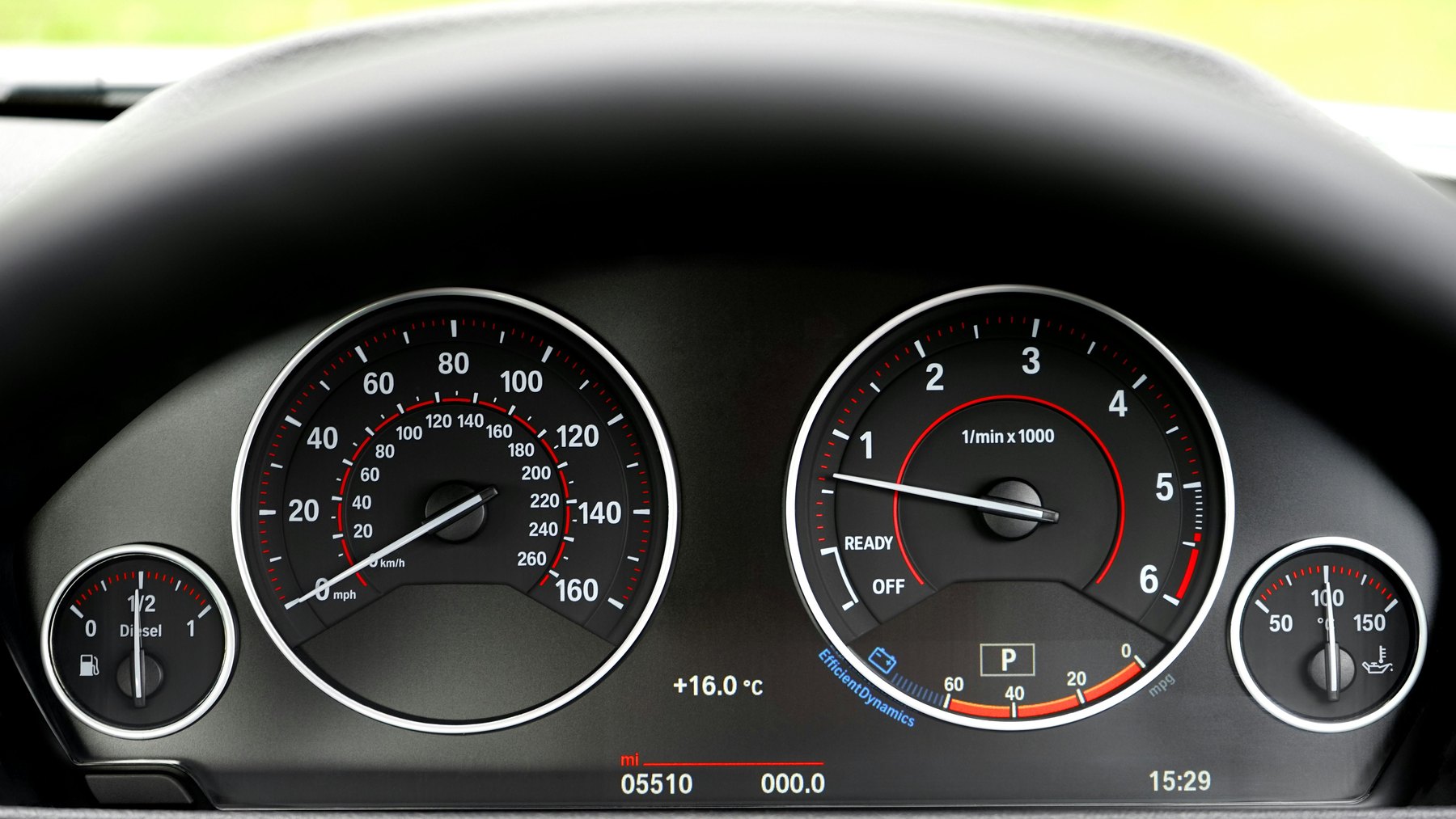
Driving style can change fuel use more than most people expect, especially in stop and go traffic. These changes also cost nothing.
High impact habits
- Accelerate gently and anticipate stops. Hard acceleration and late braking waste fuel. Look ahead, coast early, and keep a steady pace.
- Keep highway speeds reasonable. Fuel economy often drops as speed rises, especially above typical highway speeds. If you can arrive 5 to 10 minutes later and use less fuel, it can add up.
- Use cruise control when it helps. On flat highways, cruise control can reduce speed swings. In hilly areas it can over accelerate, so test what works for your route.
- Limit idling. If you are waiting more than about a minute or two, turning the engine off can reduce wasted fuel, depending on your vehicle and conditions.
- Reduce aggressive passing and lane changes. Speeding up and slowing down repeatedly costs fuel and increases risk.
AC, windows, and roof racks: what to do
- At city speeds: Open windows can be fine. AC can still be worth it for comfort and safety.
- At highway speeds: Open windows can increase drag. AC may be more efficient than windows down at higher speeds.
- Remove roof racks and cargo boxes when not needed. Drag hurts MPG, especially on highways.
Decision rule: pick 2 habits to practice for 2 weeks
Trying to change everything at once usually fails. Pick two:
- Gentle acceleration
- Coast early to stops
- Set a max highway speed
- Limit idling
- Remove roof rack
After two weeks, check your average MPG or your cost per mile and keep what works.
Buy gas strategically: timing, location, and payment method
Even if you drive the same miles, you can often lower your average price per gallon by changing where you buy and how you pay.
Use price comparison tools
Apps and maps can help you spot cheaper stations near your normal routes. Examples include GasBuddy and Waze. The best approach is to check prices when you are already going that direction, not to drive far out of your way for a small discount.
How far is too far to drive for cheaper gas?
Use this quick break even rule:
- Savings per gallon = your station price minus cheaper station price
- Total savings = savings per gallon × gallons you will buy
- Extra fuel cost = extra miles ÷ your MPG × price per gallon
If extra fuel cost is close to total savings, it is not worth the detour. Also consider your time.
Pay attention to cash vs credit pricing
Some stations price cash lower than credit. If you use a credit card for rewards, compare the reward value to the price difference. A 3% cash back card may not beat a 10 cent per gallon credit upcharge on a small fill up.
Consider warehouse clubs and grocery fuel points
Warehouse clubs and grocery programs can reduce per gallon cost, but only if they fit your routine and you do not overspend on groceries or memberships to justify the discount. If you are evaluating a membership mainly for gas, estimate your annual gallons and compare to the membership fee.
| Strategy | When it tends to help | What to compare | Main drawback |
|---|---|---|---|
| Gas price apps (GasBuddy, Waze) | You have multiple stations on your normal route | Price per gallon near your commute and errands | Detours can erase savings |
| Warehouse club gas (Costco, Sam’s Club) | You buy in bulk and pass the station regularly | Membership fee vs annual fuel savings, wait times | Lines and membership cost |
| Grocery fuel points (Kroger Fuel Points) | You already shop there and can plan purchases | Point rules, caps, participating stations | Risk of buying extra to earn points |
| Gas station loyalty (Shell Fuel Rewards, Exxon Mobil Rewards+) | You frequently use the same brand near home or work | Discount structure, app requirements, data sharing settings | Discounts vary by location and time |
| Cash back cards (Citi Custom Cash, Chase Freedom Flex, Discover it) | You pay in full monthly and track categories | Category rules, caps, APR if you carry a balance | Interest can outweigh rewards if you revolve |
| Bank and card offers (Bank of America, Amex Offers) | You can activate targeted offers | Offer terms, expiration dates, eligible merchants | Offers are not guaranteed and change often |
Rewards and discounts: stack carefully
Discounts can be real, but the best system is the one you will actually use consistently.
Common discount types
- Per gallon discounts: Often tied to loyalty programs, grocery points, or limited promotions.
- Cash back categories: Some credit cards offer higher cash back for gas or for rotating categories.
- Partner discounts: Some programs link a station brand to a grocery chain or membership.
Checklist: avoid rewards traps
- Do not buy extra groceries or convenience store items just to earn points.
- If you use a credit card, plan to pay the statement balance in full. Interest charges can exceed rewards quickly.
- Watch for caps and category limits.
- Confirm the discount applies at your local station, not just the brand in general.
Maintenance that protects MPG (and your budget)
A well maintained car tends to run more efficiently and can help you avoid expensive repairs that disrupt your budget.
High value maintenance checks
- Tire pressure: Check monthly and before long trips. Underinflated tires increase rolling resistance.
- Engine air filter: Replace when dirty, especially if you drive in dusty conditions.
- Oil changes: Follow your owner’s manual. Using the right oil grade matters.
- Alignment: If the car pulls to one side or tires wear unevenly, alignment issues can waste fuel and wear tires faster.
- Remove excess weight: Clear heavy items you do not need in the trunk.
| Maintenance item | How often to check | What to look for | Budget impact |
|---|---|---|---|
| Tire pressure | Monthly | Match door jamb PSI when tires are cold | Better MPG and longer tire life |
| Air filter | Every oil change | Visible dirt buildup, reduced airflow | May improve efficiency and performance |
| Oil and fluids | Per manual | Correct oil grade, proper levels | Prevents costly wear and breakdowns |
| Alignment | When handling changes | Pulling, uneven tire wear | Reduces tire replacement frequency |
| Check engine light | Immediately | Any warning light or rough running | Small fixes can prevent bigger costs |
Trip planning: reduce miles without feeling stuck
Reducing miles driven is often the most reliable way to cut fuel spending. The trick is doing it without adding stress.
Practical ways to drive fewer miles
- Bundle errands: One planned loop beats three separate trips.
- Choose the closest acceptable option: If two stores are similar, pick the nearer one.
- Use curbside pickup strategically: It can prevent extra browsing trips, but avoid adding a special drive just for pickup.
- Carpool a few days per month: Even occasional sharing can reduce miles.
- Remote work or flexible hours: If possible, reducing commute days or avoiding peak traffic can lower fuel use.
Decision rule: the “two stop minimum”
If you are leaving the house for a non work trip, try to combine at least two tasks into that trip. Example: pharmacy plus grocery store, or post office plus hardware store.
What this looks like with real numbers
Here are three realistic scenarios. These are examples to help you estimate your own savings. Your results depend on your miles, MPG, local prices, and habits.
Scenario 1: Moderate commuter trims waste
- Monthly miles: 1,200
- Current MPG: 24
- Gas price: $3.60
Current monthly gallons = 1,200 ÷ 24 = 50 gallons. Current monthly cost = 50 × $3.60 = $180.
Changes:
- Gentler acceleration and steady highway speed improves MPG from 24 to 26
- Finds a station that is $0.10 cheaper on the normal route
New gallons = 1,200 ÷ 26 = 46.15 gallons. New price = $3.50. New cost = 46.15 × $3.50 = $161.53. Estimated monthly difference: about $18.
Scenario 2: Errand bundling reduces miles
- Monthly miles: 700
- MPG: 28
- Gas price: $3.40
Current gallons = 700 ÷ 28 = 25. New plan reduces miles by 10% (70 miles) by bundling errands and skipping one extra trip each week.
New miles = 630. New gallons = 630 ÷ 28 = 22.5. Current cost = 25 × $3.40 = $85. New cost = 22.5 × $3.40 = $76.50. Estimated monthly difference: $8.50.
Scenario 3: Rewards focused driver who pays in full
- Monthly gallons: 35
- Average price: $3.70
- Monthly spend: 35 × $3.70 = $129.50
Changes:
- Uses a 3% cash back category for gas (check current terms and caps)
- Uses a station loyalty program that averages $0.05 per gallon discount at nearby locations
Estimated monthly rewards = 3% × $129.50 = $3.89. Estimated per gallon discount = 35 × $0.05 = $1.75. Total estimated monthly difference: about $5.64. If the card balance is carried and interest is charged, the net benefit can shrink fast.
When gas costs push your budget: a simple plan by timeline
If fuel costs are straining your cash flow, you can respond differently depending on your timeline.
Under 1 year: stabilize and reduce waste
- Track fuel spending monthly and set a weekly target.
- Practice two driving habits for two weeks, then keep the best ones.
- Check tire pressure monthly.
- Use price comparison tools, but avoid long detours.
1 to 3 years: reduce fixed driving needs
- Consider changing commute patterns: carpool, transit, hybrid work schedule, or shifting hours to reduce traffic.
- Plan maintenance to avoid breakdowns that force expensive last minute choices.
- If you are shopping for a vehicle anyway, compare total cost of ownership, not just MPG.
3 to 7 years: plan your next vehicle decision
- Estimate your annual miles and compare fuel costs across vehicle types: efficient gas, hybrid, plug in hybrid, or EV.
- Compare insurance, maintenance, registration, and financing costs alongside fuel.
- Build a sinking fund for tires, maintenance, and eventual replacement.
7+ years: align transportation with long-term housing and work choices
- Long commutes are expensive. If a move or job change is possible, include transportation costs in the decision.
- Prioritize reliability and predictable operating costs.
Quick checklist: your weekly gas savings routine
- Check your route and bundle errands into one loop.
- Pick the cheapest station on your normal path.
- Drive smoothly: gentle acceleration, coast early, steady speed.
- Keep tires properly inflated.
- Use rewards only if they do not change your spending habits and you can pay your card in full.
Helpful resources for budgeting and avoiding fraud
- FTC consumer guidance for avoiding scams and understanding common consumer issues.
- Consumer Financial Protection Bureau for budgeting tools and consumer finance information.
- FDIC for information on insured bank accounts if you are building a car maintenance or fuel buffer fund.
If you want the fastest wins, start with tire pressure, smoother driving, and choosing a cheaper station on your existing route. Then add one rewards program that fits your routine and track your monthly fuel spend to confirm the change is working.


