

Save Money on School Supplies

To save money on school supplies, start by planning before you shop so you only buy what your student will actually use. A little prep can prevent duplicate purchases, last-minute markups, and impulse buys that add up fast during back-to-school season.
Contents
30 sections
-
Why school supply costs sneak up on families
-
Start with a simple plan before you shop
-
Step 1: Audit what you already have
-
Step 2: Translate the school list into a "must-have" list
-
Step 3: Set a spending cap by category
-
Save money on school supplies with smarter timing
-
Where to shop: compare options, not hype
-
Decision rule: use unit pricing for apples-to-apples comparisons
-
Use these high-impact strategies to cut your total
-
1) Buy fewer "duplicates" by standardizing
-
2) Split bulk packs with another family
-
3) Reuse and refresh instead of replacing
-
4) Avoid "character tax" and trend pricing
-
5) Use student and educator discounts when relevant
-
6) Shop secondhand for big-ticket items
-
Real-number examples: what saving can look like
-
Scenario A: One elementary student, $80 total cap
-
Scenario B: Two middle school students, $220 total cap
-
Scenario C: High school student with tech needs, $350 total cap
-
Checklist: a 30-minute back-to-school supply audit
-
When cash is tight: prioritize needs and avoid costly debt traps
-
Prioritization rule: cover learning essentials first
-
Places to look for help
-
Watch for scams and misleading "deals" online
-
Make savings stick all year, not just in August
-
Create a small monthly "school supplies" sinking fund
-
Decision rules by timeline
-
Track what actually got used
-
Quick decision matrix: spend more or spend less?
-
Bottom line: a small system beats a big shopping trip
Why school supply costs sneak up on families
School supplies feel like small purchases, but they come in waves: classroom lists, backpacks, tech accessories, sports or arts add-ons, and teacher-requested items. Costs also rise when you shop late, buy the “convenient” version, or replace items you already own.
The goal is not to buy the cheapest version of everything. It is to buy the right items at the right time, in the right quantity, without paying for features you do not need.
Start with a simple plan before you shop
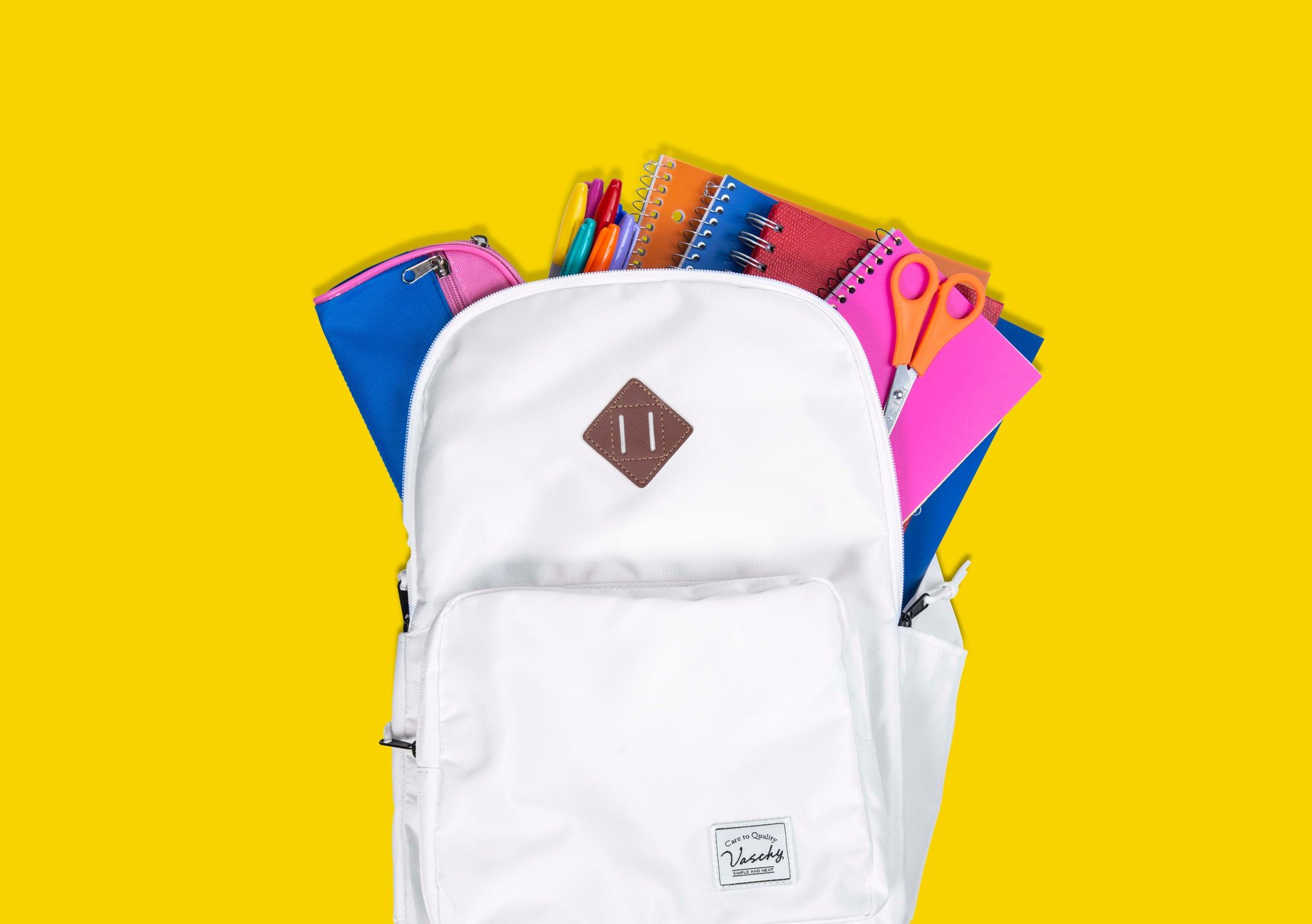
Step 1: Audit what you already have
Before you open a shopping tab, gather last year’s supplies and sort them into three piles:
- Ready to use: backpacks, lunch boxes, binders, calculators, scissors, rulers, pencil cases.
- Needs a refill: notebooks with some pages left, partially used glue sticks, markers, pencils, tissues.
- Replace: broken zippers, dried-out markers, missing charger cables, worn shoes.
This audit prevents buying duplicates and helps you prioritize what matters.
Step 2: Translate the school list into a “must-have” list
School lists often include general items that may already be provided or shared. If something is unclear, email the teacher or check the school website for updates. Your “must-have” list should include:
- Items required on day one
- Items needed within the first month
- Nice-to-have upgrades (only if budget allows)
Step 3: Set a spending cap by category
Instead of one big number, set caps by category so you can spend more where it counts (like shoes) and less where it does not (like decorative folders).
| Category | Examples | Budget rule of thumb | Easy way to cut cost |
|---|---|---|---|
| Basics | Notebooks, pencils, paper | Buy store brands first | Buy multipacks and split with another family |
| Organization | Binders, folders, dividers | Reuse what is still sturdy | Skip trendy designs and add labels at home |
| Backpack and lunch | Backpack, lunch box, water bottle | Pay for durability, not branding | Watch for off-season sales and warranties |
| Clothing and shoes | Uniforms, sneakers, basics | Prioritize fit and comfort | Buy a few core items and add later if needed |
| Tech | Headphones, chargers, laptop sleeve | Buy only what the school requires | Use student discounts and refurbished options |
Save money on school supplies with smarter timing
Timing can matter as much as where you shop. Many families shop in the same two-week window, which can mean fewer deals and more out-of-stocks. Use this timing approach:
- 4 to 8 weeks before school: start watching prices for backpacks, lunch boxes, and shoes. These are often discounted earlier than the final rush.
- 2 to 4 weeks before school: buy list basics when promotions are common (paper, pencils, folders).
- Week before school: buy only what you could not confirm earlier. Avoid browsing “just in case.”
- 2 to 4 weeks after school starts: restock only if teachers confirm what is truly needed. Many “extras” never get used.
If your school publishes supply lists late, you can still buy a small “starter kit” early (pencils, paper, a notebook) and wait on specialty items.
Where to shop: compare options, not hype
You can often lower costs by mixing retailers instead of doing one big trip. Here are recognizable options to compare, along with what to watch for. Availability, pricing, and policies vary by location, so check current details before you buy.
| Option | Best fit | What to compare | Main drawback |
|---|---|---|---|
| Walmart | Low-cost basics in one stop | Store brand vs name brand, pickup options | Impulse buys can erase savings |
| Target | Deals plus easy returns | Weekly promotions, Circle offers, bundle pricing | Trendy items can be pricier |
| Amazon | Bulk packs and fast delivery | Unit price, seller quality, return window | Counterfeit or low-quality third-party listings |
| Staples | School list items and teacher supplies | Back-to-school loss leaders, coupons, price match | Regular prices can be higher outside promos |
| Office Depot / OfficeMax | List bundles and classroom basics | Bundle contents, pickup timing, coupons | Bundles may include items you do not need |
| Costco | Families buying for multiple kids | Bulk size, per-unit cost, storage space | Membership cost and large quantities |
| Dollar Tree | Simple items and backups | Quality, pack size, teacher requirements | Some items may not last the full year |
Decision rule: use unit pricing for apples-to-apples comparisons
When comparing a 12-pack of pencils to a 48-pack, divide the total price by the number of items. The lowest total price is not always the best value if quality is poor and you have to replace items mid-year.
Use these high-impact strategies to cut your total
1) Buy fewer “duplicates” by standardizing
If you have multiple kids, pick one binder size, one notebook style, and one pencil type that works. Standardizing makes it easier to reuse leftovers and reduces the chance you buy the wrong refills.
2) Split bulk packs with another family
Bulk packs can be cheaper per item, but only if you will use them. Coordinate with a friend or neighbor to split paper, tissues, pencils, and glue sticks. Agree on who buys what and settle up with a quick payment app transfer.
3) Reuse and refresh instead of replacing
- Wash backpacks and lunch boxes, then replace only broken parts (like zipper pulls) if possible.
- Cover notebooks with plain paper and label them at home.
- Replace only the worn component: new insoles or laces can extend shoe life for some kids.
4) Avoid “character tax” and trend pricing
Licensed designs and trendy aesthetics can cost more without improving function. A plain folder with a durable label can do the same job. If your student wants a specific style, consider a compromise: one “fun” item and the rest basic.
5) Use student and educator discounts when relevant
Some retailers offer student pricing on tech, software, or accessories. If you are buying a laptop or tablet, compare:
- Student discounts
- Refurbished options from reputable sellers
- Warranty length and what it covers
- Return window and restocking fees
6) Shop secondhand for big-ticket items
For backpacks, calculators, sports gear, and instruments, secondhand can be a major win. Places to check include local consignment shops, school swap groups, Facebook Marketplace, and Buy Nothing groups. Meet in safe public places and inspect zippers, straps, and battery compartments before paying.
Real-number examples: what saving can look like
Below are three sample budgets to show how planning changes the total. These are examples, not a guarantee of what you will spend, because lists and prices vary by school and region.
Scenario A: One elementary student, $80 total cap
- $35 basics (notebooks, pencils, crayons, glue, scissors)
- $20 backpack and lunch items (reuse backpack if possible, replace water bottle)
- $15 classroom extras (tissues, wipes, zip bags)
- $10 buffer for teacher add-ons in the first month
Total: $80
Scenario B: Two middle school students, $220 total cap
- $90 basics and organization (binders, dividers, paper, pens)
- $60 backpacks and lunch refresh (one new backpack, one reused)
- $40 tech accessories (headphones, charger cable, calculator batteries)
- $30 buffer for electives (art supplies, graph paper, lab notebook)
Total: $220
Scenario C: High school student with tech needs, $350 total cap
- $85 basics and organization (notebooks, binders, planner)
- $75 backpack, lunch, and PE items
- $150 tech and accessories (refurbished device or required accessory, plus case and headphones)
- $40 buffer for course-specific items (calculator upgrade, lab goggles, workbook)
Total: $350
Checklist: a 30-minute back-to-school supply audit
- Gather all supplies in one spot (closet, drawer, last year’s backpack).
- Test pens and markers. Toss dried-out items.
- Count what you have (pencils, notebooks, folders).
- Check backpacks for broken zippers and straps.
- Confirm tech requirements with the school (device, headphones, calculator model).
- Write a “day one” list and a “wait and see” list.
- Set category caps and decide where you will buy each category.
When cash is tight: prioritize needs and avoid costly debt traps
If you are short on cash, focus on what is required for the first week and look for community resources before turning to high-cost borrowing.
Prioritization rule: cover learning essentials first
- Required classroom items: paper, pencil, a notebook, folders.
- Functional basics: a backpack (even a simple one), lunch container, basic gym shoes if needed.
- Course-specific items: calculator, lab notebook, art supplies only if the class confirms.
- Upgrades: trendy items, premium brands, duplicates.
Places to look for help
- School counselor or front office (some schools have supply closets)
- Local nonprofits and faith-based organizations
- Community back-to-school drives
- Public library resources for homework support and printing policies
If you are considering using a credit card for supplies, compare the interest cost if you cannot pay the balance quickly. The Consumer Financial Protection Bureau has resources on credit cards and budgeting that can help you evaluate costs.
Watch for scams and misleading “deals” online
Back-to-school season can bring fake coupons, lookalike websites, and too-good-to-be-true listings. A few practical rules:
- Use retailer apps or type the URL directly instead of clicking random coupon links.
- Be cautious with third-party marketplace sellers. Check reviews and return policies.
- Do not share sensitive information for “free gift cards” or “rebates.”
For more on spotting and reporting scams, the FTC’s consumer guidance is a reliable reference.
Make savings stick all year, not just in August
Create a small monthly “school supplies” sinking fund
Instead of a big seasonal hit, set aside a small amount each month for replacements and mid-year needs. Even a modest amount can reduce last-minute stress.
Decision rules by timeline
- Under 1 year: keep supply money in your checking account or a savings account you can access quickly. Focus on coupons, swaps, and buying only what is required.
- 1 to 3 years: consider a separate savings bucket for school costs (supplies, fees, field trips). Automate a monthly transfer that fits your budget.
- 3 to 7 years: plan for bigger categories that tend to grow, like tech needs, sports, and activities. Reevaluate each year what is truly required vs optional.
- 7+ years: if you are thinking ahead to larger education costs, separate “school supplies” from longer-term education savings so you do not raid one for the other.
Track what actually got used
At the end of the first quarter, do a quick check: what supplies are still untouched? That list becomes your “do not buy again” guide next year.
Quick decision matrix: spend more or spend less?
| Item | When to spend more | When to spend less | Simple test |
|---|---|---|---|
| Backpack | Heavy books, long commute, past backpacks broke | Light load, locker use, you have a backup | Can it survive daily zips and a full load? |
| Headphones | Daily school use, needs mic for classes | Occasional use, school provides sets | Does it fit comfortably for 30+ minutes? |
| Notebooks and paper | Specific teacher requirements | General use, flexible formats allowed | Will cheaper paper bleed through pens? |
| Calculator | Required model for exams or advanced math | Basic math needs or school-issued device | Is the model allowed for your course? |
| Folders and binders | Needs to last all year and carry daily | Stays at home or in a locker | Do rings and pockets hold up after a week? |
Bottom line: a small system beats a big shopping trip
The most reliable way to save money on school supplies is to reduce waste: buy only what is required, reuse what you already own, compare unit prices, and avoid last-minute panic shopping. With a short audit, category caps, and a plan for where to buy each item, you can keep back-to-school spending more predictable and less stressful.
For additional budgeting tools and money management basics, you can explore resources from the CFPB budgeting page. If you are building savings habits, the FDIC Consumer Resource Center also offers practical guidance on banking and saving.


