

Weak Dollar Save Money Summer Travel: Practical Ways to Cut Costs

Weak dollar save money summer travel is possible when you plan around exchange rates, pick destinations strategically, and control the biggest budget categories: flights, lodging, food, and fees.
Contents
25 sections
-
How a weak dollar changes your travel budget
-
weak dollar save money summer travel by choosing destinations with better value
-
Decision rules for picking a destination
-
Swap expensive hubs for nearby alternatives
-
Build a "weak dollar" travel budget with real numbers
-
Sample allocations that add up
-
Quick checklist: what to include so you do not get surprised
-
Paying smart: cards, cash, and avoiding bad exchange rates
-
Use the right card features
-
Dynamic currency conversion: usually a bad deal
-
ATM strategy
-
Comparison table: common ways to manage money abroad
-
Timing and booking tactics that matter more than exchange rates
-
Flights
-
Lodging
-
Local transportation
-
Table: "weak dollar" cost and risk checklist
-
Borrowing for travel: decision rules to avoid expensive debt
-
Decision rules by timeline
-
Common financing options to compare (if you choose to borrow)
-
Where to keep your travel fund while you save
-
Simple travel fund framework
-
Practical itinerary choices that reduce currency exposure
-
Mini case study: making a weak dollar trip work
-
Quick pre trip checklist for a weak dollar summer
A weaker US dollar can make international trips feel expensive because your money buys less abroad. But the exchange rate is only one part of your total cost. Airfare, hotel pricing, local inflation, and even how you pay can matter just as much. The goal is not to “beat” the market. It is to build a trip plan that is resilient if the dollar stays weak or gets weaker.
How a weak dollar changes your travel budget
When the dollar is weak against another currency, you typically pay more in USD for the same foreign price. That effect shows up most clearly in:
- Hotels and short term rentals priced in local currency
- Meals and attractions that locals also buy (especially in high inflation areas)
- Transportation like trains, taxis, and car rentals
- Card and ATM fees if you use the wrong payment method
However, some costs are less sensitive to exchange rates:
- Flights often price in USD for US based shoppers, and airline pricing is driven by demand and capacity
- All inclusive packages can lock in more of your costs upfront
- Domestic travel avoids currency conversion entirely
weak dollar save money summer travel by choosing destinations with better value
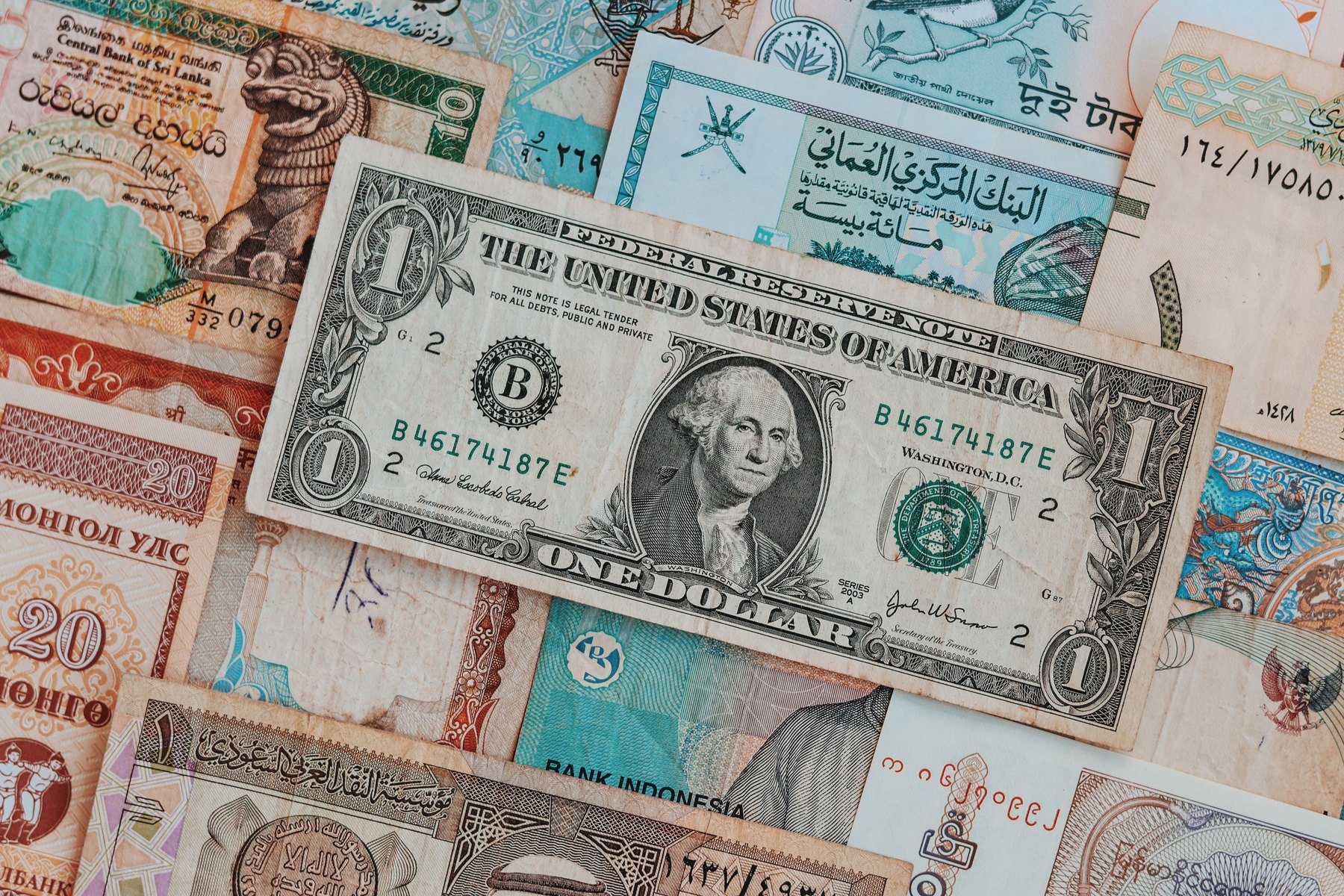
If the dollar is weak against one currency, it may still be relatively stronger against others. One of the most reliable ways to keep costs down is to choose destinations where your USD goes further, or where you can substitute expensive cities with nearby alternatives.
Decision rules for picking a destination
- If your trip is under 1 year away: prioritize total trip cost over “hoping” the exchange rate improves. Pick a destination you can afford at today’s rate.
- If your trip is 1 to 3 years away: consider flexible booking strategies and a savings plan that can absorb currency swings.
- If your trip is 3 to 7 years away: you can plan bigger international trips, but keep your travel fund in lower risk savings vehicles so a market drop does not derail your plans.
- If your trip is 7+ years away: you may invest part of a long term “travel and experiences” bucket, but only if you can delay travel during down markets.
Swap expensive hubs for nearby alternatives
Instead of focusing only on countries, compare city pairs. Examples:
- Swap London for Edinburgh or Manchester
- Swap Paris for Lyon or Strasbourg
- Swap Rome for Bologna or Naples
- Swap Tokyo for Osaka or Fukuoka
You can still do a day trip into the expensive city, but you avoid paying peak lodging prices every night.
Build a “weak dollar” travel budget with real numbers
A strong plan starts with a budget that includes a buffer for currency moves and price surprises. Here is a simple approach:
- Estimate your base trip cost in USD using current prices.
- Add a currency and inflation buffer (often 5% to 15% depending on destination and how far out you are booking).
- Decide what you will prepay (flights, some hotels) versus pay on site.
Sample allocations that add up
Scenario A: $2,000 summer trip (domestic or nearby)
- Flights or gas: $450
- Lodging: $800
- Food: $450
- Activities: $200
- Buffer and fees: $100
Total: $2,000
Scenario B: $4,500 international trip with weak dollar buffer
- Flights: $1,200
- Lodging: $1,700
- Food: $900
- Local transportation: $350
- Activities: $250
- Currency and inflation buffer (about 2% to 5% here): $100
Total: $4,500
Scenario C: $7,500 family trip with more prepaid costs
- Flights: $2,400
- Lodging: $3,000
- Food: $1,400
- Ground transport: $400
- Activities: $200
- Buffer and fees: $100
Total: $7,500
Quick checklist: what to include so you do not get surprised
- Foreign transaction fees (if any)
- ATM fees and local bank fees
- Hotel taxes, resort fees, and cleaning fees
- Tips and service charges (varies by country)
- Roaming or eSIM costs
- Travel insurance if you choose to buy it
Paying smart: cards, cash, and avoiding bad exchange rates
How you pay can quietly add 1% to 5% or more to your trip if you accept poor conversion rates or rack up fees.
Use the right card features
When comparing credit cards for travel spending, focus on:
- Foreign transaction fee: many travel oriented cards charge 0%, while some cards charge around 3% (check your card terms).
- Network acceptance: Visa and Mastercard are widely accepted in many places, but acceptance varies by country and merchant.
- Fraud protections and alerts: set up real time notifications.
Dynamic currency conversion: usually a bad deal
When a terminal asks “Pay in USD or local currency?” choosing USD often triggers dynamic currency conversion, where the merchant sets the exchange rate. In many cases, paying in local currency results in a better rate through your card network. If you are unsure, ask what rate is being used and compare it to your card network rate.
ATM strategy
- Prefer ATMs connected to established banks.
- Withdraw fewer, larger amounts to reduce per transaction fees.
- Decline ATM conversion offers when possible and withdraw in local currency.
To learn more about avoiding scams and protecting your money while traveling, review consumer guidance from the FTC.
Comparison table: common ways to manage money abroad
| Option | Best fit | What to compare | Main drawback |
|---|---|---|---|
| Travel credit card (no foreign transaction fee) | Most travelers who can qualify and pay balances on time | APR, foreign transaction fee, rewards value, travel protections | Interest costs can erase savings if you carry a balance |
| Debit card + bank ATM withdrawals | Cash heavy destinations and budgeting with cash | ATM fees, daily withdrawal limits, fraud protections | Fees add up if you withdraw often or use out of network ATMs |
| Multi currency account or card (example: Wise) | Frequent international travelers and multi country trips | Conversion spreads, fees, supported currencies, ATM limits | Not every merchant accepts every card type; limits vary |
| Airport currency exchange kiosk | Emergency cash only | Exchange rate, service fees, minimums | Often among the worst rates |
| Prepaid travel money card | Some travelers who want strict spending control | Load fees, FX fees, inactivity fees, replacement costs | Fees can be complex; protections vary |
Timing and booking tactics that matter more than exchange rates
Summer travel pricing is heavily driven by demand. Even with a strong dollar, peak season can be expensive. These tactics often produce bigger savings than trying to predict currency moves.
Flights
- Be flexible by 1 to 3 days: shifting departure or return dates can change fares significantly.
- Consider nearby airports: compare total cost including ground transportation.
- Set price alerts: track routes early and buy when the price fits your budget, not when you feel the rate is “perfect.”
Lodging
- Book refundable when possible: you can reprice later if rates drop.
- Stay longer in fewer places: fewer one night stays can reduce transportation costs and time.
- Use kitchens strategically: even 3 to 5 grocery meals can lower total spend.
Local transportation
- Compare day passes versus pay as you go.
- In walkable cities, choose a central location even if nightly lodging is slightly higher, if it reduces taxis and transit.
Table: “weak dollar” cost and risk checklist
| Category | Common cost leak | Fix | What to verify |
|---|---|---|---|
| Card payments | Foreign transaction fees | Use a card with 0% foreign transaction fee | Your card’s fee schedule and acceptance abroad |
| Point of sale | Dynamic currency conversion | Pay in local currency | Receipt currency and exchange rate used |
| Cash | High ATM and exchange kiosk fees | Use bank ATMs, withdraw less often | ATM operator fees and your bank’s out of network fees |
| Lodging | Resort fees, taxes, cleaning fees | Compare total price, not nightly rate | Final checkout total and cancellation rules |
| Transportation | Last minute tickets | Book trains and intercity travel early when pricing is tiered | Refundability and change fees |
| Phone | Roaming charges | Use an eSIM or local SIM if compatible | Device compatibility and plan terms |
Borrowing for travel: decision rules to avoid expensive debt
If a weak dollar makes your trip pricier, it can be tempting to finance the gap. Borrowing can add interest and fees, so it helps to use clear decision rules.
Decision rules by timeline
- Under 1 year: If you cannot pay the trip off quickly, consider scaling down, traveling closer, or delaying. Short term borrowing can become costly if repayment slips.
- 1 to 3 years: Build a dedicated travel fund with automatic transfers. This is often the sweet spot for saving rather than borrowing.
- 3 to 7 years: For big trips, plan a sinking fund and keep it in cash like accounts so market volatility does not force you into debt.
- 7+ years: You can plan for multiple trips over time with a long term savings and investing mix, but keep near term travel money separate.
Common financing options to compare (if you choose to borrow)
- 0% intro APR credit card (balance transfer or purchase offer): compare intro period length, transfer fees, and the post intro APR.
- Personal loan from a bank, credit union, or online lender: compare APR, origination fees, term length, and total interest paid.
- Buy now pay later: compare payment schedule, late fees, and whether it reports to credit bureaus.
Before taking on new credit, it can help to review your credit reports for accuracy. You can get free copies at AnnualCreditReport.com.
Where to keep your travel fund while you save
If you are saving for summer travel, you usually want your travel money stable and accessible. Many travelers use a high yield savings account, money market deposit account, or short term certificate of deposit depending on timing and flexibility needs. Make sure you understand deposit insurance limits and account ownership categories. The FDIC explains how deposit insurance works and how to confirm coverage.
Simple travel fund framework
- 0 to 6 months out: keep funds in a savings account for flexibility.
- 6 to 18 months out: savings or a short CD can work if you are confident about timing.
- 18+ months out: you can still use savings, or consider a conservative mix if you can delay travel when markets drop.
Practical itinerary choices that reduce currency exposure
Even if you go abroad, you can reduce how much spending is exposed to the exchange rate.
- Prepay big items in USD when it makes sense: some flights, tours, and rail passes can be purchased in USD or at a locked price. Compare cancellation terms.
- Choose lodging with breakfast or a kitchen: food is a daily expense that adds up fast when the dollar is weak.
- Use free and low cost activities: parks, beaches, museums on free days, and self guided walking tours.
- Travel slower: fewer transit days can cut tickets, baggage fees, and impulse spending.
Mini case study: making a weak dollar trip work
Imagine you planned a 7 night trip abroad with a $4,000 budget. Prices rise and the exchange rate moves against you, pushing your expected spend to $4,400. Instead of borrowing $400, you could:
- Switch from a 7 night hotel stay to 5 nights plus 2 nights in a smaller nearby city (target savings: $200 to $300).
- Replace 6 restaurant meals with grocery meals and casual lunches (target savings: $100 to $200).
- Use a card with no foreign transaction fee and avoid dynamic currency conversion (target savings depends on spend, but it can be meaningful).
The point is not perfection. It is having levers you can pull without ruining the trip.
Quick pre trip checklist for a weak dollar summer
- Price your trip at today’s exchange rate and add a 5% to 15% buffer.
- Compare total trip cost across 2 to 3 destination alternatives.
- Confirm your card foreign transaction fees and set travel alerts.
- Plan an ATM strategy and avoid airport exchange kiosks except for emergencies.
- Book refundable lodging when possible and recheck prices.
- Build a daily spending cap for food and extras.
If you are managing credit while planning travel, the Consumer Financial Protection Bureau has resources on credit cards, loans, and handling fees and disputes.


