

2000 Tariff Refund Check Timing: What to Expect and What to Do While You Wait

2000 tariff refund check timing is confusing because different refund programs, agencies, and payment methods can create very different timelines.
Contents
28 sections
-
What "tariff refund" could mean (and why timing varies)
-
2000 tariff refund check timing: typical timelines by situation
-
1) CBP duty refunds (overpayment, correction, returned goods)
-
2) Antidumping and countervailing duty-related refunds
-
3) Retailer or card refunds labeled as "tariff refunds"
-
4) "$2,000 tariff refund check" messages and viral claims
-
How to track your refund status without guessing
-
Tracking checklist
-
If your refund relates to federal payments or checks
-
Documents and info you may need (so you do not restart the clock)
-
Budgeting while you wait: what to do with a possible $2,000 refund
-
Decision rules by timeline
-
Three sample allocations for a $2,000 refund (adds up correctly)
-
Scenario A: High-interest credit card balance and tight cash flow
-
Scenario B: No revolving debt, but irregular income
-
Scenario C: Stable income, building toward a medium-term goal (1 to 3 years)
-
If you need money before the refund arrives: compare options carefully
-
Named options to compare (examples, not one-size-fits-all picks)
-
A quick cost check before you borrow
-
How to avoid "refund check" scams and identity theft
-
Red flags checklist
-
What to do if you already clicked or shared info
-
Common questions about tariff refund check timing
-
Is there a guaranteed date for a $2,000 tariff refund check?
-
Why would a refund be issued as a check instead of direct deposit?
-
What if my check was mailed but never arrived?
-
Can I borrow against an expected refund?
-
Action plan: get clarity in 30 minutes
People often use the phrase “tariff refund” to describe a few different things: refunds tied to import duties (tariffs) paid at the border, refunds from trade remedy cases (like antidumping or countervailing duties), or consumer-facing settlement-style payments that get mislabeled as “tariff refunds” online. The first step is to identify which type you are dealing with, because the timing, tracking tools, and paperwork are not the same.
What “tariff refund” could mean (and why timing varies)
Before you try to estimate a date, match your situation to the correct category. Here are the most common scenarios people mean when they say “tariff refund check.”
| Situation | Who typically issues it | Common payment form | Why timing varies |
|---|---|---|---|
| Refund of import duties you paid (overpayment, correction, returned goods) | U.S. Customs and Border Protection (CBP) | Check or ACH, depending on setup | Entry review, documentation, and whether a formal protest is needed |
| Refund related to antidumping/countervailing duties | CBP after Commerce instructions | Often check/ACH to importer of record | Case timelines can run long and depend on administrative reviews |
| Refund from a retailer or marketplace due to tariff-related price adjustments | Merchant, card issuer, or marketplace | Card refund, store credit, or check | Merchant processing cycles and dispute timelines |
| Online “tariff refund” message that asks for personal info or a fee | Often a scammer | Not a real refund | Scams use urgency and vague timing to pressure you |
2000 tariff refund check timing: typical timelines by situation
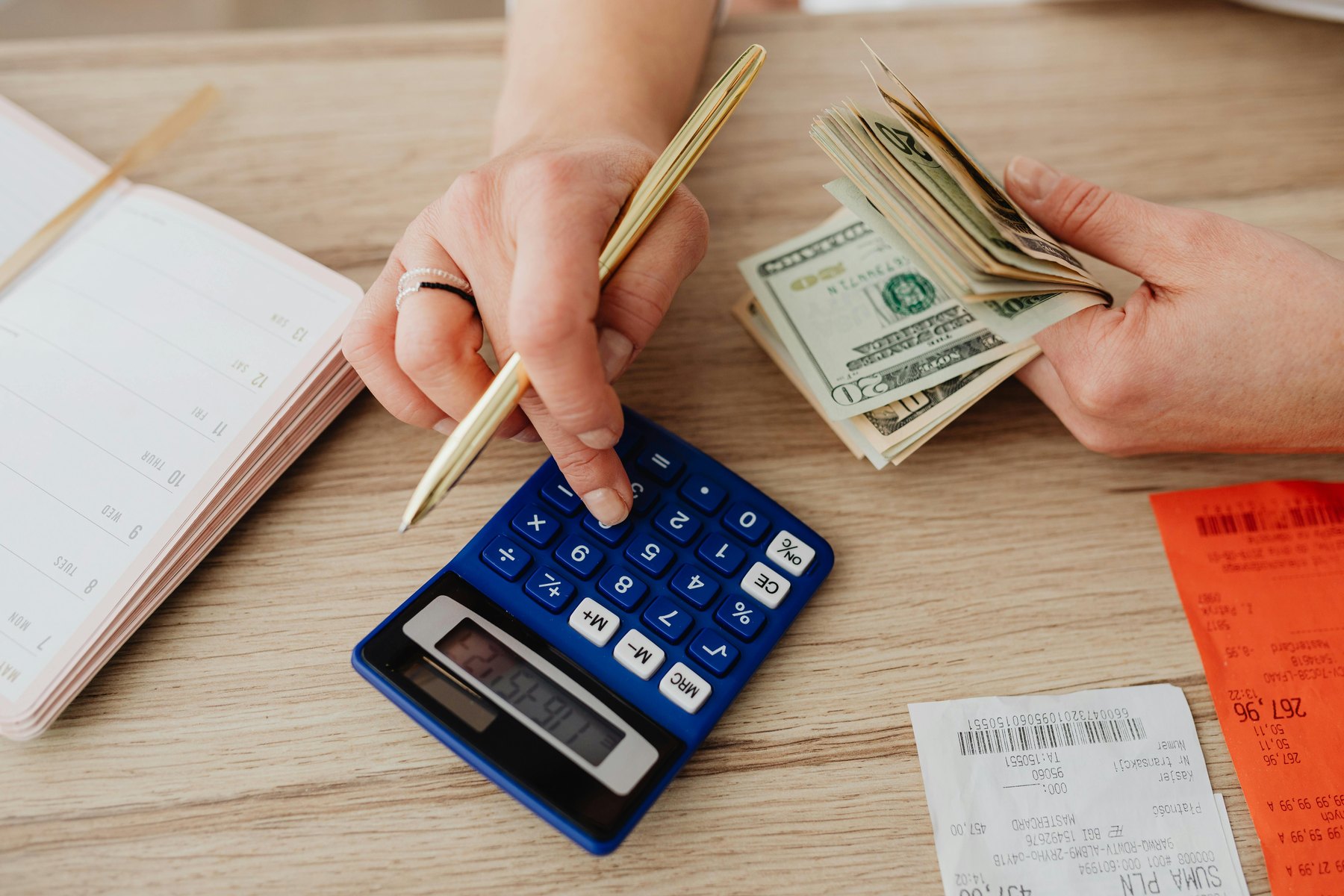
There is no single universal schedule for tariff refunds. Use the ranges below as planning estimates, then confirm with the issuing organization or your broker.
1) CBP duty refunds (overpayment, correction, returned goods)
- Simple corrections can sometimes resolve in weeks to a few months, depending on how the entry was filed and whether the correction is straightforward.
- Formal protests (a structured dispute process) can take longer, often several months or more, because the entry must be reviewed and decided.
- Returned goods claims or documentation-heavy claims can extend timelines if paperwork is incomplete or if the agency requests additional proof.
Decision rule: If you are the importer of record and you do not have a written confirmation (or broker status update) showing the claim was accepted for review, assume timing is uncertain and plan your cash flow without counting on the refund for near-term bills.
2) Antidumping and countervailing duty-related refunds
These are often the longest and most complex. Refunds can depend on administrative reviews and instructions from the U.S. Department of Commerce before CBP can liquidate entries and release funds. That can push timing out significantly.
Decision rule: Treat these refunds as “long horizon” money. If you need funds within the next year, do not rely on this type of refund to cover essentials.
3) Retailer or card refunds labeled as “tariff refunds”
If a merchant is issuing a refund to your card, timing is usually tied to payment networks and merchant processing. Many card refunds post within a few business days, but some can take longer depending on the merchant and the original payment method.
Decision rule: If you do not see the credit after 10 to 14 days, contact the merchant first, then your card issuer with the order number and refund confirmation.
4) “$2,000 tariff refund check” messages and viral claims
If you are seeing social posts, texts, or emails claiming you are owed a “$2,000 tariff refund check,” slow down. A common pattern is a message that promises a specific amount and asks you to click a link, pay a small “processing fee,” or provide sensitive information.
Use the FTC’s scam guidance to spot red flags and report suspicious messages: https://consumer.ftc.gov/.
How to track your refund status without guessing
Tracking depends on who owes the money. Use this checklist to get clarity fast.
Tracking checklist
- Identify the payer: CBP, a retailer, a marketplace, or another agency.
- Confirm the payee: Many duty refunds go to the importer of record, which might be a business, not an individual consumer.
- Find your reference number: Entry number, protest number, case number, order number, or RMA.
- Confirm payment method: Check vs ACH vs card refund. Timing differs.
- Ask what “complete” means: Whether they have all documents and whether the claim is under review or approved.
If your refund relates to federal payments or checks
If you are expecting a federal payment for another reason and want to make sure you are using the right official source, start with the agency’s official site. For tax-related refunds, use the IRS tools and guidance: https://www.irs.gov/.
Documents and info you may need (so you do not restart the clock)
Refund delays often come from missing paperwork. Gather what applies to your situation.
| Refund type | Common documents | What to double-check |
|---|---|---|
| CBP duty refund | Entry summary details, invoices, proof of payment, broker communications | Importer of record name matches claim, correct entry number, complete invoice trail |
| Returned goods claim | Export/return proof, shipping records, original import docs | Dates and quantities match, clear chain of custody |
| Retailer refund | Order confirmation, refund confirmation, payment method proof | Refund issued to the same method used to pay, correct last 4 digits |
| Check payment | Mailing address confirmation, ID verification if reissuing | Address is current, name matches, reissue process and timeline |
Budgeting while you wait: what to do with a possible $2,000 refund
Even if you expect a check, treat it as “pending” until it clears. The goal is to avoid late fees, overdrafts, or new high-interest debt because you counted the money too early.
Decision rules by timeline
- Under 1 year: Prioritize liquidity. If the money arrives, use it to stabilize cash flow, pay down high-interest balances, or build a small buffer.
- 1 to 3 years: Split between debt payoff and savings goals. Keep funds accessible if you may need them for planned expenses.
- 3 to 7 years: Consider a mix of savings and longer-term goals (for example, a larger emergency fund or a down payment plan). Match risk to your need for the money.
- 7+ years: If your essentials are covered and you have no high-cost debt, you may be able to allocate more toward long-term investing goals. Compare account options and fees.
Three sample allocations for a $2,000 refund (adds up correctly)
These examples show how different households might use the same amount. Adjust the numbers to your bills, interest rates, and job stability.
Scenario A: High-interest credit card balance and tight cash flow
- $1,200 to a credit card balance (target the highest APR first)
- $600 to an emergency buffer (aim for 3 to 12 months of expenses over time)
- $200 to catch up on a bill or prevent a late fee
Scenario B: No revolving debt, but irregular income
- $1,500 to emergency savings
- $300 to a “true expenses” sinking fund (car repairs, medical copays)
- $200 to a small goal (work tools, certification fee, or necessary home item)
Scenario C: Stable income, building toward a medium-term goal (1 to 3 years)
- $1,000 to a goal fund (down payment, moving costs, tuition)
- $700 to retirement or long-term investing (if you already have a basic emergency fund)
- $300 to pay down a moderate-interest loan or build extra cushion
If you need money before the refund arrives: compare options carefully
If the refund is delayed and you are short on cash, you may consider borrowing. Focus on the total cost of borrowing, not just the monthly payment. Compare APR, fees, repayment term, and what happens if you miss a payment.
Named options to compare (examples, not one-size-fits-all picks)
| Option | Best fit | What to compare | Main drawback |
|---|---|---|---|
| Credit union personal loan (for example, Navy Federal, local credit unions) | Borrowers who can qualify and want predictable payments | APR range, origination fees, term length, membership rules | Approval can take time and depends on credit and income |
| Bank personal loan (for example, Wells Fargo, U.S. Bank) | Existing customers who prefer a traditional lender | APR, fees, autopay discounts, funding time | May have stricter credit requirements |
| Online personal loan platforms (for example, SoFi, LendingClub) | People who want to compare offers online | APR, origination fee, prepayment policy, term options | Rates and fees vary widely; offers depend on underwriting |
| 0% intro APR credit card (from major issuers like Chase, Citi, Capital One) | Those who can pay it off before the promo ends | Promo length, balance transfer fee, post-promo APR | High APR after promo; can hurt if balance lingers |
| Employer paycheck advance or earned wage access (if offered) | Short gaps between paychecks | Fees, limits, repayment timing, impact on next paycheck | Can create a cycle if used repeatedly |
| Payday loan (storefront or online) | Usually a last resort | Total fees, rollover policies, repayment date | Often very expensive and hard to repay on time |
A quick cost check before you borrow
- Match the loan term to the problem: A short cash gap usually does not need a multi-year loan.
- Calculate total repayment: Add interest plus any origination or transfer fees.
- Stress test your budget: Can you still pay if groceries, rent, or utilities rise next month?
- Avoid stacking due dates: Multiple payments hitting the same week increases late-fee risk.
For help understanding loan costs and avoiding common traps, the CFPB has practical resources: https://www.consumerfinance.gov/.
How to avoid “refund check” scams and identity theft
Scammers often use the promise of a specific amount, like $2,000, to get clicks and personal data. Protect yourself with a few simple rules.
Red flags checklist
- You are asked to pay a fee to “release” or “activate” a refund.
- The message uses urgency: “today only,” “final notice,” or “limited time.”
- The sender wants your full Social Security number, bank login, or one-time passcode.
- The link goes to a lookalike site or a shortened URL you cannot verify.
What to do if you already clicked or shared info
- Change passwords and enable multi-factor authentication on email and financial accounts.
- Monitor bank and card transactions closely for unauthorized activity.
- Check your credit reports for suspicious accounts. You can get free reports at https://www.annualcreditreport.com/.
Common questions about tariff refund check timing
Is there a guaranteed date for a $2,000 tariff refund check?
No. If someone claims a guaranteed date or guaranteed amount without showing the official program and eligibility rules, treat it as unverified. Confirm the payer and the reference number before you plan around the money.
Why would a refund be issued as a check instead of direct deposit?
Checks can happen when the payer does not have your bank details, when the original payment method cannot be credited, or when the system defaults to paper payment. If you moved recently, address mismatches can delay delivery.
What if my check was mailed but never arrived?
Start by confirming the mailing address on file and the date it was sent. Ask the issuer about their reissue process and whether they can place a stop payment on the original check. Keep notes of who you spoke with and any case numbers.
Can I borrow against an expected refund?
Some products market themselves as “advance” loans. Compare the total cost, fees, and repayment terms carefully. If repayment is due before your refund is likely to arrive, the risk of late fees or rollover costs increases.
Action plan: get clarity in 30 minutes
- Write down what you know: who owes it, expected amount, and why.
- Find your reference: entry number, order number, or case ID.
- Confirm the channel: check, ACH, or card refund.
- Ask for the current status: received, under review, approved, paid, or reissue pending.
- Make a no-refund-needed budget for the next 30 days: cover essentials first, then decide how you will use the money if it arrives.
If you treat the refund as a bonus until it clears and you verify the source, you can avoid the most common financial mistakes: late fees, expensive short-term borrowing, and scam losses.


