

All Cash Home Sales Still Popular

All-cash home sales are still popular because they reduce uncertainty for sellers and can speed up closing for buyers who can afford it.
Contents
27 sections
-
Why all-cash home sales remain common
-
What sellers like about cash
-
What buyers like about cash
-
All-cash home sales: what "cash" can really mean
-
When paying cash can be a smart move
-
Decision rules for choosing cash
-
Example: cash purchase with a safety buffer
-
When an all-cash offer can backfire
-
Common cash-buyer pitfalls
-
How to compete if you cannot pay all cash
-
Tactics that can strengthen a financed offer
-
"Cash-like" financing options to compare (named examples)
-
Real-number scenarios: cash vs mortgage vs hybrid
-
Scenario 1: $500,000 home, $650,000 available – full cash
-
Scenario 2: $500,000 home, $650,000 available – 50% down, invest the rest
-
Scenario 3: $500,000 home, $650,000 available – cash now, refinance later (hybrid)
-
Timeline decision rules for where your "house cash" should sit
-
Under 1 year
-
1 to 3 years
-
3 to 7 years
-
7+ years
-
Documents and steps for a smoother cash closing
-
Wire fraud prevention steps
-
How to evaluate whether cash beats a mortgage
-
A simple decision framework
-
Credit readiness if you might finance later
-
Bottom line: cash is a tool, not a requirement
But “cash” does not always mean a buyer is sitting on a pile of money in a checking account. Some buyers use proceeds from a prior sale, a large brokerage balance, family help, or short-term financing that looks like cash to the seller. Understanding what is driving cash offers can help you decide whether paying cash makes sense for you, or whether a mortgage or hybrid strategy is a better fit.
Why all-cash home sales remain common
Cash offers tend to rise when competition is tight, mortgage rates are higher, or buyers want certainty. Even when the market cools, cash can stay popular because it solves several seller pain points.
What sellers like about cash
- Fewer financing surprises: No lender underwriting means fewer chances the deal falls apart because of a loan denial or last-minute conditions.
- Faster closing: Some cash deals close in 7 to 21 days if the title work and inspections move quickly.
- Simpler negotiation: Sellers may accept a slightly lower price for a cleaner deal with fewer contingencies.
- Lower appraisal risk: A mortgage usually requires an appraisal. If the appraisal comes in low, the deal can stall unless the buyer brings more cash.
What buyers like about cash
- Stronger offer: Cash can beat a higher financed offer if the seller values certainty.
- Potential savings on interest: Paying cash avoids mortgage interest, but you also give up what that money could earn elsewhere.
- Flexibility after closing: Some buyers pay cash first, then refinance later if rates and eligibility work out.
All-cash home sales: what “cash” can really mean
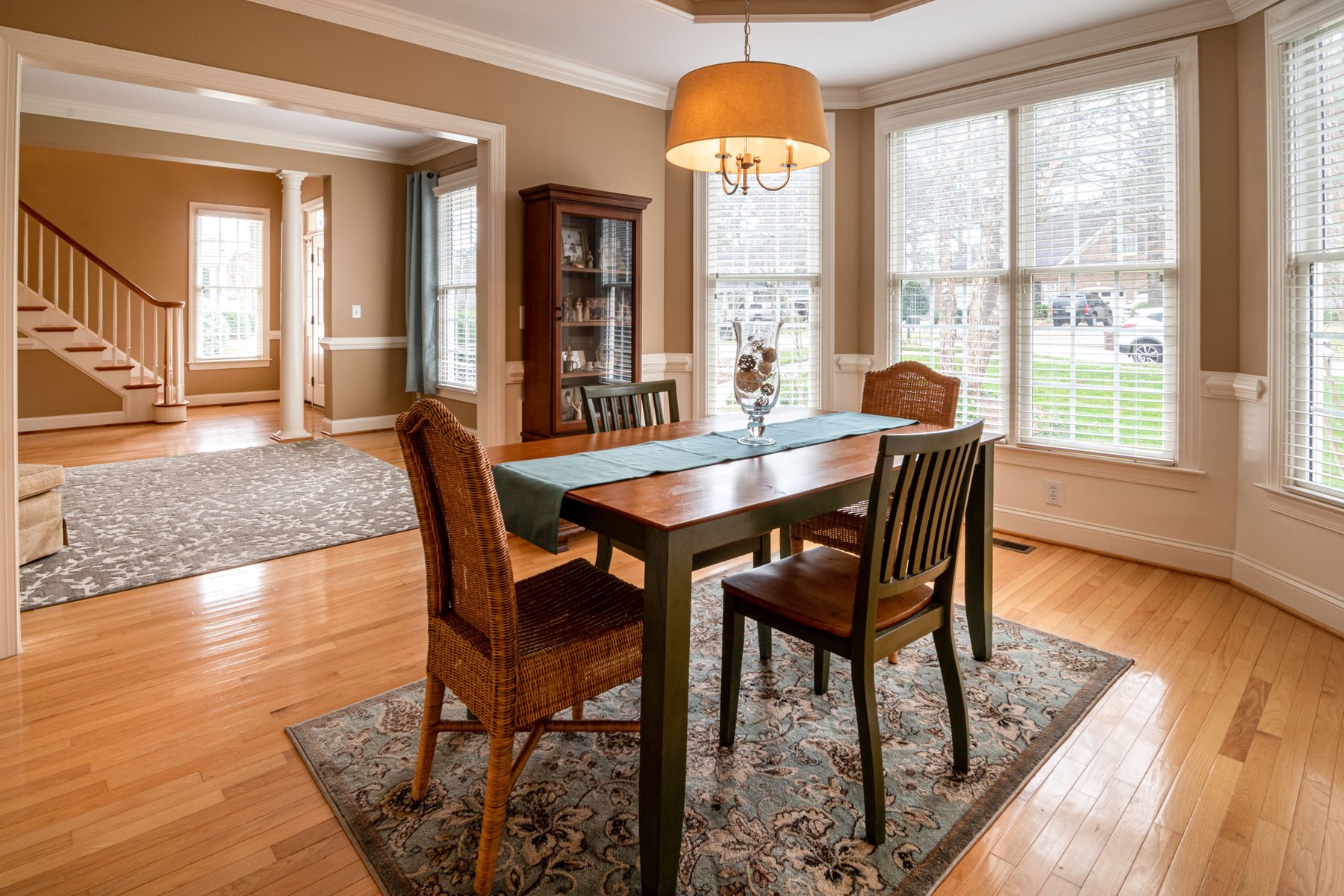
In real estate, “cash” typically means the buyer is not relying on a traditional mortgage to close. That can include several funding sources, each with different risks and costs.
| Type of “cash” offer | How it works | What to verify | Main drawback |
|---|---|---|---|
| True cash (savings or sale proceeds) | Buyer wires funds at closing | Proof of funds, source of funds, timing of transfers | Ties up liquidity and concentrates wealth in one asset |
| Brokerage assets sold for cash | Buyer sells stocks or funds to raise cash | Settlement timing, tax impact, market volatility | Could trigger capital gains taxes or sell during a downturn |
| Bridge loan | Short-term loan against current home equity | Interest rate, fees, payoff plan, sale timeline | Higher cost and risk if the current home takes longer to sell |
| Home equity loan or HELOC | Borrow against existing home to fund purchase | Variable rate risk, draw rules, combined payments | Payment shock if rates rise or if you carry two homes |
| Cash-offer programs | A company buys the home “with cash” then you buy it back or finance | Program fees, required lender, timelines, contract terms | Fees and less flexibility than a standard purchase |
When paying cash can be a smart move
Cash can make sense when it improves your odds of getting the home and does not put your overall finances at risk. Here are practical decision rules many buyers use.
Decision rules for choosing cash
- You can keep a strong emergency fund after closing: Many households aim for 3 to 12 months of essential expenses in cash or cash-like accounts.
- You are not draining retirement accounts: Pulling from retirement can create taxes, penalties, and long-term opportunity costs.
- You can still handle repairs and ownership costs: A common rule of thumb is 1% to 3% of the home value per year for maintenance, but older homes can run higher.
- The home is a long-term hold: If you may move again soon, tying up cash can be riskier because selling costs and market swings matter more.
- You value certainty over leverage: A mortgage can preserve liquidity, but cash reduces monthly obligations.
Example: cash purchase with a safety buffer
Suppose you have $600,000 available and want to buy a $450,000 home in cash. You estimate essential expenses at $4,500 per month.
- Emergency fund target (9 months): 9 x $4,500 = $40,500
- Initial repairs and moving cushion: $15,000
- Closing and prepaid costs (varies): assume $8,000
If you pay $450,000 cash, you would have $600,000 – $450,000 – $40,500 – $15,000 – $8,000 = $86,500 left for reserves and other goals. That is very different from paying $450,000 and ending with only a few thousand dollars in the bank.
When an all-cash offer can backfire
Cash is not automatically “safer.” The main risk is becoming house-rich and cash-poor, or missing better uses for your money.
Common cash-buyer pitfalls
- Liquidity crunch: A job loss, medical bill, or major repair can force you to borrow later under pressure.
- Concentration risk: A large share of your net worth ends up in one property and one local market.
- Tax surprises: Selling investments to raise cash can trigger capital gains. If you are unsure, consider running a tax estimate before you sell.
- Skipping due diligence: Some buyers waive inspections to compete. That can be expensive if the home has hidden issues.
- Opportunity cost: Paying cash avoids mortgage interest, but you may give up potential returns elsewhere. The right comparison is not just rate vs rate, but risk, flexibility, and your timeline.
| Cash-offer checklist | Why it matters | Quick rule |
|---|---|---|
| Emergency fund remains intact | Prevents forced borrowing or selling assets | Keep 3 to 12 months of essentials |
| Repair and maintenance budget | Homes need ongoing cash outlays | Plan at least $5,000 to $15,000 upfront for many homes |
| Inspection plan | Finds costly defects early | Waive only if you can absorb worst-case repairs |
| Insurance and property taxes estimated | Ongoing costs can jump after purchase | Get quotes and check local tax history |
| Exit timeline | Selling soon increases risk | If moving in under 3 years, prioritize liquidity |
How to compete if you cannot pay all cash
You can still win a home without paying cash, especially if you reduce uncertainty for the seller. The goal is to make your financed offer feel as close to cash as practical.
Tactics that can strengthen a financed offer
- Strong preapproval: A fully underwritten preapproval (when available) can be stronger than a basic prequalification.
- Larger earnest money deposit: This can signal commitment, but only put down what you can afford to risk under the contract terms.
- Shorter financing and inspection timelines: Faster deadlines can reduce seller stress if you can meet them.
- Appraisal gap planning: If you are in a bidding war, decide in advance how you would handle a low appraisal.
- Flexible closing date: Matching the seller’s move-out needs can matter as much as price.
“Cash-like” financing options to compare (named examples)
Some buyers use specialty products or programs to present a cash offer, then finance later. Availability, fees, and underwriting vary by state and borrower profile, so compare terms carefully.
| Option (named examples) | Best fit | What to compare | Main drawback |
|---|---|---|---|
| Cash offer program – Homeward | Buyers in competitive markets needing a stronger offer | Program fee, required lender, timeline, buyback terms | Fees and less flexibility than a standard purchase |
| Cash offer program – Flyhomes | Buyers who want a cash-backed offer with guided process | Service fees, financing terms, market availability | Not available everywhere; costs can add up |
| Cash offer program – Orchard | Buyers also selling a home who want smoother timing | Fees, listing requirements, bridge terms | May require using their services; timing risk |
| Bridge loan – Rocket Mortgage (example lender) | Homeowners with significant equity buying before selling | Interest rate, origination fees, payoff rules | Short-term loan cost; risk if sale is delayed |
| HELOC – Bank of America (example bank) | Homeowners who want flexible access to equity | Variable APR, draw period, closing costs, rate caps | Payment can rise with rates; adds lien on your home |
| Margin loan – Charles Schwab or Fidelity (example brokerages) | Investors with taxable portfolios who need short-term liquidity | Margin rate, maintenance requirements, liquidation risk | Market drops can trigger margin calls or forced sales |
Real-number scenarios: cash vs mortgage vs hybrid
To make the tradeoffs concrete, here are three sample allocations. These are simplified examples to show how cash decisions can change your liquidity and risk. Taxes, insurance, and local costs can materially change the math.
Scenario 1: $500,000 home, $650,000 available – full cash
- Home purchase: $500,000
- Emergency fund (6 months at $5,000): $30,000
- Repairs and furnishing: $20,000
- Cash left for other goals: $650,000 – $500,000 – $30,000 – $20,000 = $100,000
Good fit if you want low monthly obligations and still have meaningful reserves.
Scenario 2: $500,000 home, $650,000 available – 50% down, invest the rest
- Down payment (50%): $250,000
- Emergency fund (9 months at $5,000): $45,000
- Repairs and moving: $20,000
- Investable or savings balance: $650,000 – $250,000 – $45,000 – $20,000 = $335,000
Good fit if you value liquidity and want to keep a larger buffer, but you must be comfortable carrying a mortgage payment and rate risk if you choose an adjustable loan.
Scenario 3: $500,000 home, $650,000 available – cash now, refinance later (hybrid)
- Buy with cash: $500,000
- Emergency fund (12 months at $5,000): $60,000
- Repairs and moving: $25,000
- Remaining cash: $65,000
Later, you might consider a mortgage or HELOC to rebuild liquidity. The key risk is that refinancing depends on your income, credit, home value, and market rates at that future time.
Timeline decision rules for where your “house cash” should sit
If you are building a cash pile for a purchase, your timeline matters as much as your target price. The shorter the timeline, the more you generally prioritize stability over return.
Under 1 year
- Prioritize principal stability: high-yield savings accounts, money market deposit accounts, or short-term Treasury options.
- Confirm deposit insurance limits and account ownership categories if you are holding large balances. The FDIC explains coverage basics at FDIC.gov.
1 to 3 years
- Consider a ladder of CDs or Treasuries so some money matures each quarter.
- Keep a portion liquid for earnest money and unexpected costs.
3 to 7 years
- You may be able to take modest market risk, but only if you can delay buying during a downturn.
- Stress test: if your down payment dropped 15% to 25%, would you still buy?
7+ years
- Longer timelines can support a more growth-oriented mix, but you still need a plan to de-risk as the purchase date approaches.
Documents and steps for a smoother cash closing
Cash deals can move fast. Being organized reduces delays and helps you avoid mistakes.
| Item | Who asks for it | Why it matters |
|---|---|---|
| Proof of funds (bank or brokerage statement) | Seller or listing agent | Shows you can close without financing |
| Photo ID | Title company / closing agent | Identity verification for closing |
| Wire instructions verification plan | You | Reduces risk of wire fraud |
| Insurance quote and binder | You (and sometimes the title company) | Ensures coverage starts at closing |
| Inspection reports (if ordered) | You | Supports repair negotiations and budgeting |
Wire fraud prevention steps
- Confirm wiring instructions by calling a known phone number, not the number in an email.
- Avoid sending funds until you have verbally verified details with the title company.
- Learn common scam patterns at consumer.ftc.gov.
How to evaluate whether cash beats a mortgage
A practical way to decide is to compare: (1) the mortgage APR and total costs, (2) what your cash could earn in a low-risk place, and (3) the value of liquidity to you.
A simple decision framework
- Price the mortgage: compare APR, points, lender fees, and whether the rate is fixed or adjustable.
- Estimate your “sleep well” liquidity: the cash you want available after closing for emergencies and opportunities.
- Run a stress test: can you handle the payment if income drops, taxes rise, or insurance increases?
- Decide what you are optimizing: winning the home, minimizing monthly payments, maximizing flexibility, or reducing total interest.
Credit readiness if you might finance later
If you plan to refinance after buying with cash, keep your credit profile healthy so you have options later. You can review your credit reports for free at AnnualCreditReport.com, and learn about mortgage shopping and closing costs at consumerfinance.gov.
Bottom line: cash is a tool, not a requirement
All-cash home sales remain popular because they make offers cleaner and closings more predictable. For buyers, the best approach is the one that wins the home without draining your reserves or forcing you into expensive borrowing later. If you cannot pay cash, you can still compete by reducing uncertainty with strong preapproval, clear timelines, and a well-planned down payment and appraisal strategy.


