

Automatic Airline Refunds DOT Rules: What Travelers Need to Know

Automatic airline refunds DOT rules change how and when airlines must return your money when flights are canceled or significantly changed.
Contents
29 sections
-
What the DOT rules are trying to fix
-
Automatic airline refunds DOT rules: the core idea
-
When you are typically owed a refund
-
Refund vs voucher vs rebooking
-
What counts as a "significant change" or "cancellation"
-
Practical decision rule
-
How fast refunds should happen
-
Checklist: steps that speed up your refund
-
How these rules affect your budget and debt
-
Real-world cash flow example: $1,200 trip canceled
-
Decision rules by timeline (for managing the money side)
-
What to do if the airline offers only a credit
-
Documentation checklist
-
Airline-by-airline: where to request refunds (named examples)
-
Special cases: travel agencies, points, and buy now pay later
-
If you booked through an online travel agency (OTA)
-
If you used miles or points
-
If you used buy now pay later (BNPL)
-
How to escalate: complaints and disputes
-
Step-by-step escalation ladder
-
Refund-ready booking habits that reduce hassle
-
Before you buy
-
After you buy
-
What this looks like with real numbers: three travel buffer plans
-
Plan A: Occasional traveler buffer – $500
-
Plan B: Family trip buffer – $2,000
-
Plan C: Frequent traveler buffer – $5,000
-
Quick refund decision matrix
-
Bottom line
If you have ever spent hours hunting for a refund button, accepted a voucher you did not want, or waited weeks for a credit card refund, these rules matter. They set clearer expectations for when refunds are required, what counts as a major schedule change, and how quickly airlines must pay you back. They also affect your cash flow, which is important if you are carrying travel costs on a credit card or using a buy now pay later plan.
What the DOT rules are trying to fix
Historically, many travelers ran into three common problems:
- Confusion about eligibility – some airlines pushed credits even when a cash refund was allowed.
- Hard to find refund paths – refund links buried in menus, chat loops, or long phone waits.
- Slow processing – refunds taking so long that card balances accrued interest or consumers missed bill due dates.
The U.S. Department of Transportation (DOT) has long required refunds for certain disruptions, but newer rules and enforcement focus on making refunds more automatic and more transparent.
Automatic airline refunds DOT rules: the core idea
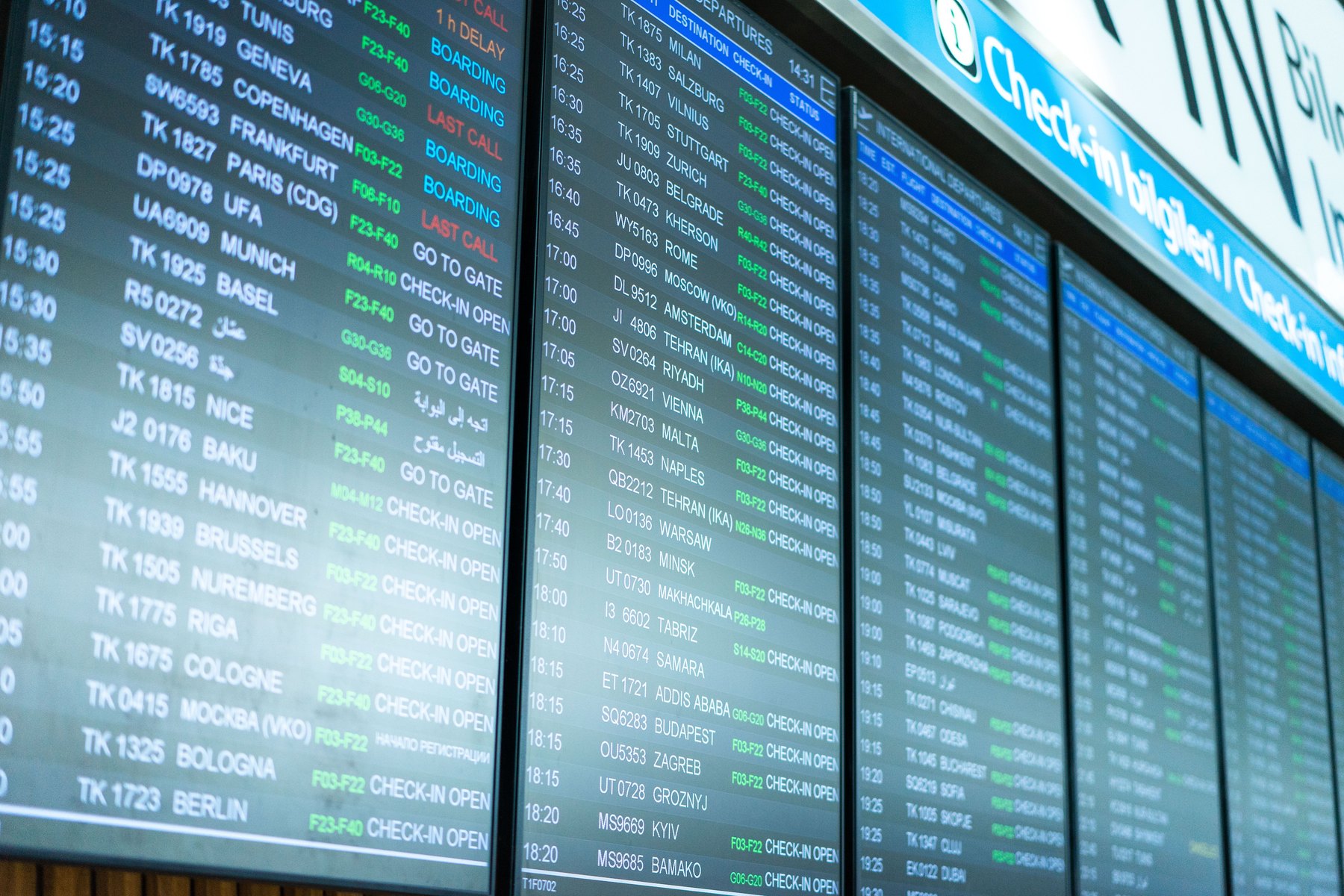
At a high level, the rules aim to ensure that when you are entitled to a refund, you do not have to fight for it. The airline should provide a refund to the original form of payment when a covered disruption happens and you do not accept alternative transportation or other compensation.
When you are typically owed a refund
Eligibility depends on the situation, the ticket type, and whether you accept alternatives. Common scenarios where a refund may be required include:
- Flight cancellation and you choose not to travel.
- Significant schedule change and you choose not to travel.
- Major delay in some cases, depending on how the airline defines it and how DOT standards apply.
- Downgrade in service class (for example, moved from first to economy) – you may be owed the fare difference.
- Paid optional fees not provided (for example, a seat selection fee if you did not get that seat, or a bag fee if the bag service was not provided as purchased).
Refund vs voucher vs rebooking
A key decision point is what you accept. If you accept a voucher, travel credit, or rebooked itinerary, you may be treated as having chosen an alternative instead of a refund. If you want cash back, be careful about clicking “accept” on credits during disruption flows.
| Option | Best fit | What to compare | Main drawback |
|---|---|---|---|
| Refund to original payment | You are not traveling or the new itinerary does not work | Refund timing, method (card vs cash), whether fees are included | May take days to appear on your statement |
| Rebooking on same airline | You still need to travel and dates are flexible | New departure time, connections, seat availability, baggage rules | Could add long layovers or inconvenient times |
| Travel credit or voucher | You will travel again soon and can use the airline | Expiration date, transferability, blackout rules, fare restrictions | Locks you into one airline and may expire |
| Rebooking on partner airline | Same day travel is important and partners have seats | Who issues the ticket, baggage handling, seat selection, change rules | Customer service can be split between carriers |
What counts as a “significant change” or “cancellation”
“Cancellation” is straightforward: the flight you bought is not operating. “Significant change” is trickier. DOT guidance and airline policies often consider factors like:
- Large departure or arrival time shifts
- Added connections or longer total travel time
- Change of departure or arrival airport in a metro area
- Downgrade in cabin class
Because definitions can vary and evolve, your best move is to document the original itinerary and the new itinerary side by side. If the new trip no longer works, ask for a refund rather than accepting a change you cannot use.
Practical decision rule
- If the change makes you miss a key event (wedding, cruise departure, meeting), treat it as significant for your purposes and request a refund.
- If the change only shifts timing slightly and you still want the trip, rebooking may be better than refunding and repurchasing at a higher price.
How fast refunds should happen
Refund timing depends on the payment method and the airline’s processing. In many cases, credit card refunds are expected within a relatively short window after the airline processes them, but posting times can vary by issuer. Debit cards and other payment methods can take longer.
Checklist: steps that speed up your refund
- Use the airline’s official refund form when available, not just chat.
- Request refund to the original form of payment, not a voucher.
- Save proof: screenshots of cancellation, schedule change, and your refund request confirmation.
- Track dates: request date, airline response date, and when the refund posts.
How these rules affect your budget and debt
Travel disruptions can turn into a cash flow problem when you are carrying balances. Even if you are owed a refund, you may still have to pay your credit card bill before the refund posts. Planning for that gap can help you avoid interest and late fees.
Real-world cash flow example: $1,200 trip canceled
Assume you paid $1,200 for flights on a credit card, and the airline cancels. You request a refund, but it takes time to post. Here are three ways to handle the gap without assuming any specific outcome.
| Scenario | What you do | Dollar example | Tradeoff |
|---|---|---|---|
| Pay in full to avoid interest | Pay the statement balance, then the refund reduces next month’s balance | Pay $1,200 now, refund posts later | Ties up cash temporarily |
| Use emergency fund for the gap | Cover the card payment from savings, replenish when refund arrives | Move $1,200 from savings to checking | Emergency fund temporarily smaller |
| Partial payment with a plan | Pay what you can, then pay the rest when refund arrives | Pay $700 now, $500 later | Possible interest if balance carries past grace period |
Decision rules by timeline (for managing the money side)
- Under 1 year: Prioritize liquidity. Keep enough cash to cover travel charges until refunds clear. Avoid locking money in long-term products for near-term travel.
- 1 to 3 years: Build a travel buffer that can cover 1 to 2 major trips plus a disruption cushion (for example, 1 month of expenses plus expected travel costs).
- 3 to 7 years: If travel is predictable, automate sinking funds (monthly transfers) so a cancellation does not force you into carrying a balance.
- 7+ years: Focus on overall financial resilience – larger emergency fund, lower revolving debt, and flexible travel planning.
What to do if the airline offers only a credit
If you believe you qualify for a refund and the airline is steering you to a voucher, take these steps:
- Do not accept the credit if you want cash back. Acceptance can weaken your refund claim.
- Use precise language: “I am requesting a refund to the original form of payment due to cancellation/significant schedule change.”
- Escalate in writing: Submit the refund request through the airline’s refund portal and keep confirmation.
- Track deadlines: Note dates of cancellation/change and your request.
Documentation checklist
- Passenger name and ticket number
- Record locator confirmation code
- Original itinerary screenshot or email
- New itinerary or cancellation notice screenshot
- Receipts for optional fees (bags, seats)
- Notes of calls or chats (date, time, agent name if available)
Airline-by-airline: where to request refunds (named examples)
Refund processes vary by airline, but most major U.S. carriers provide an online refund request form or help page. These are examples you can look up and compare:
- American Airlines – typically offers an online refund request workflow for eligible tickets and fees.
- Delta Air Lines – commonly uses an online refund form and may show eCredits in disruption flows.
- United Airlines – often provides refund request options through its customer service and online tools.
- Southwest Airlines – has its own fare rules and credit system; refunds depend on fare type and disruption.
- JetBlue – generally provides online customer support paths for cancellations and schedule changes.
- Alaska Airlines – provides online support and refund request options depending on ticket conditions.
- Spirit Airlines – low-cost model with many optional fees; keep receipts for add-ons that were not provided.
- Frontier Airlines – similar low-cost structure; document changes and optional purchases carefully.
| Airline (example) | Best fit | What to compare | Main drawback |
|---|---|---|---|
| American Airlines | Large network, many rebooking options | Refund request steps, schedule change notices, fee refunds | High call volume during disruptions |
| Delta Air Lines | Strong operations, many same-day alternatives | Refund vs eCredit options, timing, class downgrade handling | Credits may be emphasized in self-service flows |
| United Airlines | Global routes and partners | Partner rebooking, who controls the ticket, refund processing | Complex itineraries can complicate refunds |
| Southwest Airlines | Domestic travel with flexible change culture | Fare type rules, refundability, travel funds expiration | Not all fares refund to original payment |
| JetBlue | U.S. leisure routes and some transatlantic | Schedule change thresholds, refund request channels | Limited alternatives on some routes |
| Spirit Airlines | Lowest base fares for flexible travelers | Optional fee refunds, documentation, change notices | Add-ons can raise total cost and complicate disputes |
Special cases: travel agencies, points, and buy now pay later
If you booked through an online travel agency (OTA)
If you booked through Expedia, Priceline, Booking.com, or another agency, the agency may control the ticket and refund process. Start with the seller of record shown on your receipt. Keep in mind:
- The airline may tell you to work with the agency.
- The agency may need airline confirmation before issuing a refund.
- Refund timing can be longer because it passes through multiple systems.
If you used miles or points
Refunds may involve redepositing points and returning taxes and fees. Compare:
- Whether redeposit fees apply
- How long points take to return
- Whether taxes and fees return to the original card
If you used buy now pay later (BNPL)
If you financed travel with a BNPL plan, a refund can create awkward timing: you may still owe installments while the refund is processing. Consider:
- Contacting the BNPL provider to ask how refunds are applied to your plan balance.
- Continuing payments to avoid late fees until the refund is confirmed.
- Saving all refund confirmations in case you need an adjustment.
How to escalate: complaints and disputes
If an airline delays or denies a refund you believe you are owed, escalation options include filing a complaint with DOT and, in some situations, disputing a charge with your card issuer. Use escalation carefully and keep your documentation organized.
Step-by-step escalation ladder
- Try the airline refund channel first – use the refund form, not only chat.
- Follow up in writing – reference your case number and attach proof of cancellation or significant change.
- File a DOT complaint – include dates, flight numbers, and what you requested.
- Consider a card dispute – if you paid by credit card and cannot resolve it, ask your issuer about the dispute process and deadlines.
Helpful official resources:
- U.S. DOT Aviation Consumer Protection
- Consumer Financial Protection Bureau (CFPB)
- Federal Trade Commission (FTC) consumer guidance
Refund-ready booking habits that reduce hassle
Before you buy
- Take a screenshot of the fare rules and what is included.
- Prefer payment methods with strong records and clear statements.
- Keep optional fees minimal unless you truly need them.
After you buy
- Save the confirmation email and receipt in a dedicated travel folder.
- Set price and schedule alerts so you notice changes quickly.
- Know your bill due dates so you can plan around refund timing.
What this looks like with real numbers: three travel buffer plans
If you travel even once or twice a year, a small “travel buffer” can prevent refund delays from turning into credit card debt. Here are three sample allocations that add up correctly. Adjust based on your expenses and travel style.
Plan A: Occasional traveler buffer – $500
- $300 in a high-yield savings account for disruption gaps
- $150 for ground transport and meals during delays
- $50 for baggage or seat fee surprises
Plan B: Family trip buffer – $2,000
- $1,200 to cover a potential airfare refund gap on a card statement
- $500 for last-minute hotel or rebooking costs
- $300 for meals, rides, and incidentals
Plan C: Frequent traveler buffer – $5,000
- $2,500 to float multiple airfare charges until refunds post
- $1,500 for alternate flights on short notice
- $1,000 for lodging, transport, and work-related contingencies
Quick refund decision matrix
| If this happens | Ask for a refund when | Rebook when | Consider a voucher when |
|---|---|---|---|
| Flight canceled | You no longer need the trip | You still need to travel and alternatives work | You will reuse the airline soon and terms are good |
| Big schedule change | New times break your plan | Change is acceptable and saves repurchase cost | Credit value is higher than refund and you can use it |
| Downgraded cabin | You want the fare difference back | You still need to travel and accept the downgrade | Voucher exceeds fare difference and has flexible terms |
| Paid add-on not provided | You did not receive the service | Not applicable | Only if the credit is easy to use and does not expire soon |
Bottom line
The practical takeaway from automatic airline refunds DOT rules is simple: if your flight is canceled or significantly changed and you do not accept an alternative, you should have a clearer path to getting your money back. Your best leverage is good documentation, careful clicks during disruption flows, and a plan for the short-term cash gap so a delayed refund does not become expensive revolving debt.
If you want to monitor your broader consumer rights and complaint options, you can also review general consumer guidance at the CFPB and the FTC.


