

Best Banks and Credit Unions in New York: How to Choose

Best Banks and Credit Unions New York choices can look similar at first, but the right fit often comes down to fees, access, and how you plan to borrow or save over the next few years.
Contents
25 sections
-
What "best" means for a bank or credit union in New York
-
Best Banks and Credit Unions New York: named options to compare
-
Banks vs credit unions: practical differences that matter
-
Ownership and incentives
-
Deposit insurance
-
Membership and eligibility
-
Fee and feature checklist for New York accounts
-
Borrowing in New York: how to compare loans at banks and credit unions
-
Common loan types and what to compare
-
Decision rule: when a credit union might be worth the membership step
-
What this looks like with real numbers
-
Scenario 1: Early-career renter in NYC
-
Scenario 2: Family in Westchester planning a car purchase
-
Scenario 3: Upstate homeowner considering a HELOC for renovations
-
Timeline rules: where to keep money while you bank in New York
-
How to evaluate customer service and access in New York
-
Branch and ATM reality check
-
Digital features that reduce friction
-
Documents you may need to open an account in New York
-
Protect yourself from common banking and borrowing problems
-
Overdraft costs
-
Account and identity monitoring
-
Complaint and issue escalation
-
A simple step-by-step process to choose
-
Quick decision matrix
New York has everything from national banks with large ATM networks to community banks and member-owned credit unions that focus on local service. This guide shows how to compare them, which features matter for common money goals, and how to pressure-test your choice with real numbers.
What “best” means for a bank or credit union in New York
“Best” depends on your day-to-day needs and your next major money move. Use these decision rules to narrow your shortlist:
- If you mostly need checking: prioritize low or avoidable monthly fees, free ATM access, early direct deposit (if offered), and strong fraud controls.
- If you keep a cash buffer: compare savings APY, money market options, minimum balance rules, and transfer limits or delays.
- If you plan to borrow: compare APR ranges, underwriting flexibility, relationship discounts (if any), and total loan costs including fees.
- If you want in-person help: look at branch locations in your borough or county, hours, appointment availability, and notary services.
- If you travel: focus on nationwide ATM access, foreign transaction fees, and card controls in the mobile app.
Best Banks and Credit Unions New York: named options to compare
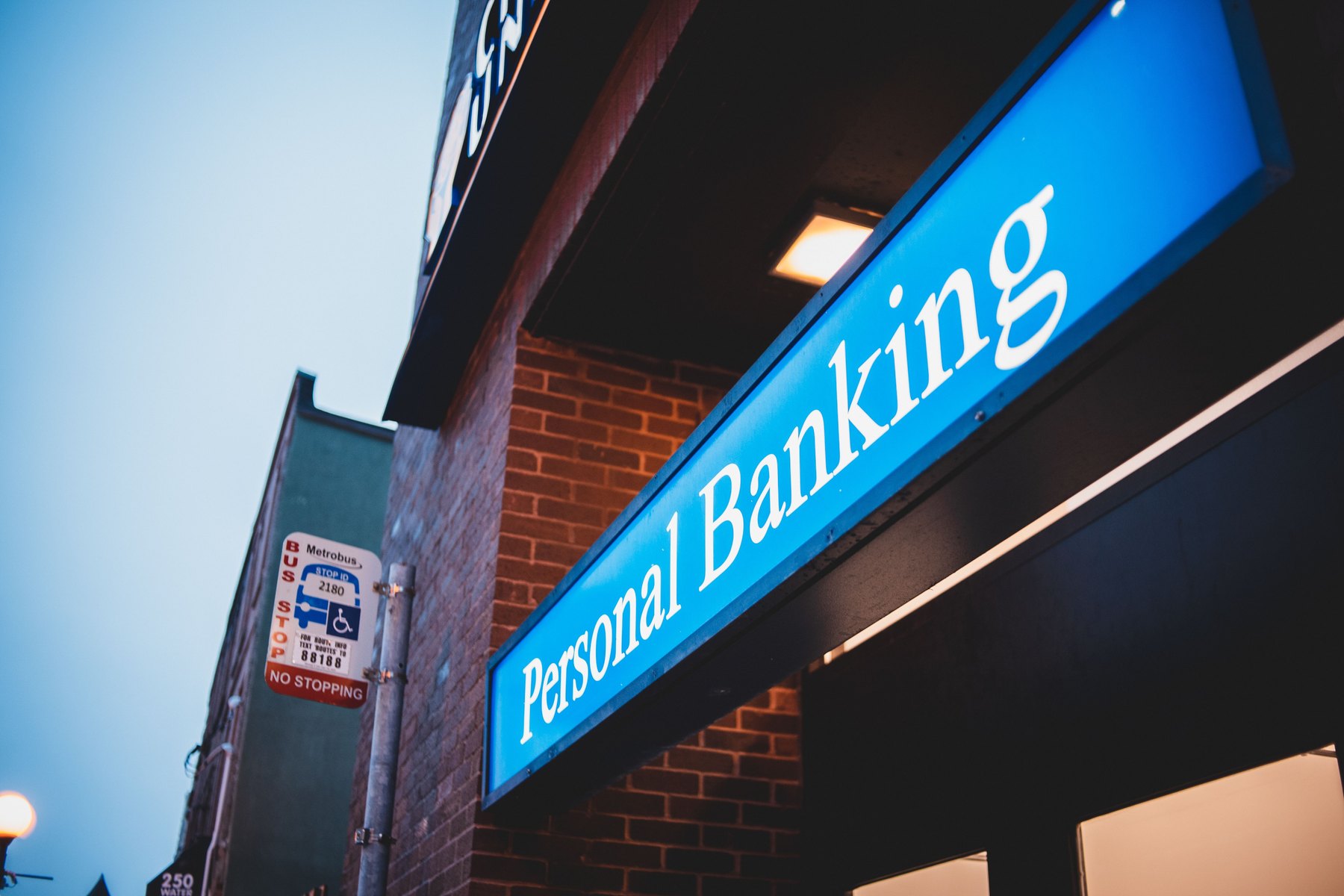
Below are recognizable options many New Yorkers consider. Availability, fees, and product details can vary by location and account type, so treat these as starting points for comparison.
| Option | Best fit | What to compare | Main drawback to watch |
|---|---|---|---|
| Chase | Branch access and broad product lineup | Checking fee waivers, ATM access, overdraft policies, relationship perks | Monthly fees can apply without qualifying activity |
| Bank of America | Large network and integrated digital tools | Fee waiver rules, ATM network, preferred rewards requirements | Some accounts have minimums and fees to manage |
| Citibank | NYC presence and global brand | Checking tiers, ATM access, wire and international features | Branch footprint varies outside NYC |
| Capital One | Strong digital banking with some NY branches/cafes | Savings APY, fee structure, cash deposit options, ATM network | Fewer traditional branches in many upstate areas |
| TD Bank | Extended hours and East Coast footprint | Branch hours, checking fees, ATM access, customer service | Fees can apply depending on account and balances |
| HSBC (US) | Some international banking needs | Account eligibility, branch availability, international transfers | Limited footprint and changing product availability |
| Apple Bank | NY community bank feel with local branches | Checking/savings fees, CD options, branch convenience | Digital features and rates may differ by product |
| Citizens Bank | Upstate and regional banking needs | Checking tiers, ATM access, loan offerings | Branch coverage varies by county |
| MCU (Municipal Credit Union) | NYC-area credit union membership | Membership eligibility, share savings, loan APRs, fees | Must qualify for membership |
| Teachers Federal Credit Union | Long Island and downstate members | Membership rules, savings products, auto/personal loan terms | Branch footprint is regional |
| Broadview Federal Credit Union | Capital Region and upstate members | Membership, checking features, local service, loan options | Regional access if you move away |
Banks vs credit unions: practical differences that matter
Ownership and incentives
Credit unions are member-owned, which can influence how they price loans and fees. Banks are shareholder-owned and may offer broader product lines and larger networks. Either can be a good fit depending on your priorities.
Deposit insurance
- Banks: typically insured by the FDIC up to applicable limits per depositor, per institution, per ownership category. Verify coverage at FDIC.gov.
- Credit unions: typically insured by the NCUA (not FDIC) up to applicable limits. When comparing, confirm the institution is federally insured and understand coverage categories.
Membership and eligibility
Many New York credit unions have broad eligibility based on where you live, work, worship, or an affiliated organization. Before you fall in love with a rate or perk, confirm you can join and what “membership” requires (for example, opening a share savings account).
Fee and feature checklist for New York accounts
Use this checklist when you compare checking and savings. Small line items can add up, especially in high-cost areas where cash flow is tight.
| Category | What to look for | Questions to ask |
|---|---|---|
| Monthly maintenance fees | Low fee or easy waiver | Is the waiver based on direct deposit, minimum balance, or number of transactions? |
| Overdraft and NSF policies | Transparent fees and controls | Can you opt out of overdraft coverage for debit card purchases? Are there daily caps? |
| ATM access | Large network and reimbursements | How many out-of-network fees are reimbursed, if any? Any limits? |
| Cash deposits | Convenient deposit options | Can you deposit cash at branches, ATMs, or retail partners? Any fees? |
| Transfers and wires | Reasonable costs and speed | What are outgoing wire fees? Are there limits on external transfers? |
| Savings APY and tiers | Competitive APY for your balance | Is APY tiered? Does it require a minimum balance? Check the current APY. |
| Mobile app and security | Strong controls | Can you lock the card, set alerts, and manage travel notices? Is 2-factor available? |
Borrowing in New York: how to compare loans at banks and credit unions
If you are choosing a financial institution partly for borrowing, compare the total cost of credit, not just the advertised rate. Focus on APR, fees, and the payment schedule.
Common loan types and what to compare
- Auto loans: APR, term length, down payment expectations, and whether rate depends on vehicle age or mileage.
- Personal loans: APR range, origination fees (if any), repayment terms, and whether there is a prepayment penalty.
- Credit cards: APR range, penalty APR triggers, annual fees, and balance transfer terms.
- Home loans and HELOCs: closing costs, rate type (fixed vs variable), draw period rules, and how payments can change.
Decision rule: when a credit union might be worth the membership step
If you expect to borrow within the next 6 to 18 months (auto, personal, or refinance), it can be worth comparing at least one credit union offer alongside bank offers. Even a small APR difference can matter over time, but only if fees and terms are comparable.
What this looks like with real numbers
Choosing a bank or credit union is easier when you test it against your cash flow and timeline. Below are three sample setups for New Yorkers with different priorities. These are examples, not templates for everyone.
Scenario 1: Early-career renter in NYC
Goal: minimize fees, keep emergency cash accessible, build credit.
- $3,000 in checking for rent and bills (choose an account with an easy fee waiver)
- $6,000 in a high-yield savings account (check current APY and transfer rules)
- $1,000 in a separate “annual expenses” savings bucket for transit pass, subscriptions, and travel
Total cash: $10,000
Decision rule: If you are paying a monthly fee, calculate the annual cost. A $12 fee is $144 per year. If the only way to waive it is keeping $1,500 extra in checking, compare that tradeoff to earning interest in savings.
Scenario 2: Family in Westchester planning a car purchase
Goal: keep a larger buffer and prepare for an auto loan.
- $5,000 in checking for recurring bills
- $15,000 in savings for emergency fund (often 3 to 6 months of essential expenses, sometimes more for variable income)
- $10,000 in a “car down payment” savings bucket
Total cash: $30,000
Decision rule: If you plan to borrow, ask each institution for a loan estimate or prequalification process (if offered) and compare APR, term, and any fees. A slightly lower payment over a longer term can cost more overall.
Scenario 3: Upstate homeowner considering a HELOC for renovations
Goal: keep liquidity, avoid surprises with variable rates.
- $4,000 in checking
- $20,000 in savings for emergency fund and home repairs
- $6,000 in a short-term CD ladder (for example, 3 to 12 month CDs) if you can tolerate limited access
Total cash: $30,000
Decision rule: For HELOCs, model payment changes. If the rate is variable, ask how often it can adjust and what the maximum rate cap is. Make sure the payment still fits your budget if rates rise.
Timeline rules: where to keep money while you bank in New York
Your timeline affects which account features matter most.
- Under 1 year: prioritize liquidity and low fees. Checking plus high-yield savings is often the core. Consider a short CD only if you will not need the funds.
- 1 to 3 years: consider a CD ladder or a money market account if the rate is competitive and access rules work for you. Keep your emergency fund separate from goal money.
- 3 to 7 years: you may still want a stable cash portion, but you can compare longer CDs or other options depending on risk tolerance and goals. Avoid locking up emergency funds.
- 7+ years: banking choices still matter for cash management, but long-term goals often shift toward investing decisions. Keep the bank account structure simple and fee-efficient.
How to evaluate customer service and access in New York
Branch and ATM reality check
- Map your top 3 branch locations near home, work, and common errands.
- Check weekend and evening hours if you cannot visit during business hours.
- Confirm cash deposit options if you are paid in cash or run a side business.
Digital features that reduce friction
- Instant card lock, transaction alerts, and dispute tools
- Mobile check deposit limits that fit your needs
- Zelle or other person-to-person payments (availability varies)
- Easy external account linking for transfers
Documents you may need to open an account in New York
Institutions can have different requirements, but these are common items to prepare.
| Item | Why it is needed | Examples |
|---|---|---|
| Government-issued ID | Identity verification | Driver license, state ID, passport |
| Social Security number or ITIN | Tax reporting and verification | SSN card not always required, but number usually is |
| Proof of address | Residency verification | Utility bill, lease, bank statement (requirements vary) |
| Opening deposit | Fund the account | Cash, check, ACH transfer, debit card funding |
| Membership eligibility (credit unions) | Confirm you can join | Employer info, association membership, or geographic eligibility |
Protect yourself from common banking and borrowing problems
Overdraft costs
Overdraft fees can be one of the most expensive “small” costs in banking. If you do not want transactions approved when funds are short, ask about opting out of overdraft coverage for debit card purchases and ATM withdrawals. Also check if the institution offers low-balance alerts or a linked savings transfer option.
Account and identity monitoring
Review your statements regularly and set alerts for large transactions. If you are comparing credit products, it helps to know what is on your credit reports. You can get free copies at AnnualCreditReport.com.
Complaint and issue escalation
If you run into a billing error, unauthorized transfer, or a problem you cannot resolve, you can find practical steps and complaint pathways through the Consumer Financial Protection Bureau.
A simple step-by-step process to choose
- Pick your primary use: daily checking, saving, borrowing soon, or in-person service.
- Shortlist 3 to 6 institutions: include at least one credit union if you are open to membership.
- Compare the fee sheet: monthly fees, overdraft rules, ATM fees, wire fees.
- Test access: branch hours, ATM locations, cash deposit options, app reviews and features.
- Run a one-year cost estimate: expected fees minus any interest earned on savings.
- If borrowing matters: request quotes or check posted APR ranges and compare total cost, not just payment size.
Quick decision matrix
| If you value… | Often points toward… | But verify… |
|---|---|---|
| Many branches and ATMs | Large national banks (Chase, Bank of America, Citi) | Monthly fee waiver rules and overdraft policies |
| Lower loan APRs and local service | Credit unions (MCU, Teachers FCU, Broadview FCU) | Membership eligibility and branch access |
| High savings APY and strong app | Digital-forward banks (Capital One and others) | Cash deposit options and customer support channels |
| Extended hours | Some regional banks (TD Bank) | Account fees and ATM reimbursement limits |
Once you narrow your list, compare the exact account disclosures and fee schedules for the specific checking and savings products you would open. The “best” choice is usually the one that keeps your routine costs low while giving you the access and borrowing options you are most likely to use.
For more on spotting and avoiding common scams that can affect bank accounts and payments, review the FTC’s consumer guidance at consumer.ftc.gov.


