

The 8 Best Cryptos to Buy for Long Term Holding

The best cryptos to buy for long term are usually the ones with clear real world use, strong security, deep liquidity, and a track record of surviving multiple market cycles.
Contents
27 sections
-
How to think about long term crypto investing (before picking coins)
-
Decision rules by timeline
-
A quick readiness checklist
-
Best cryptos to buy for long term: 8 options to compare
-
1) Bitcoin (BTC)
-
2) Ethereum (ETH)
-
3) Solana (SOL)
-
4) Chainlink (LINK)
-
5) Polygon (POL, formerly MATIC)
-
6) Uniswap (UNI)
-
7) USD Coin (USDC)
-
8) Ripple (XRP)
-
How to compare cryptos like a careful long term buyer
-
Fundamentals checklist
-
Custody and platform comparison (where you buy and store matters)
-
What this looks like with real numbers: 3 sample allocations
-
Scenario A: $5,000 to invest, new to crypto
-
Scenario B: $20,000 available, stable emergency fund already set
-
Scenario C: $100,000 investable, higher risk tolerance, 7+ year horizon
-
Common mistakes long term crypto buyers can avoid
-
Buying with borrowed money
-
Leaving everything on an exchange without a plan
-
Ignoring fees and taxes
-
Security steps that matter for long term holding
-
Tax and reporting basics to plan for
-
Where to learn more (reliable sources)
-
A simple process you can follow
Crypto can be a high volatility part of a portfolio, not a replacement for emergency savings or paying high interest debt. If you are deciding what to buy and how much to allocate, focus on what you can hold through big drawdowns, how you will store it, and how it fits your timeline.
How to think about long term crypto investing (before picking coins)
Long term holding is less about predicting the next pump and more about building a plan you can stick with. Use these decision rules to match crypto risk to your timeline and cash needs.
Decision rules by timeline
- Under 1 year: Consider keeping most funds in cash or cash equivalents. If you buy crypto, keep the allocation small enough that a 50% drop would not change your plans (rent, tuition, moving, medical bills).
- 1 to 3 years: If you want exposure, consider a modest allocation and prioritize liquidity and simplicity. Avoid concentrating in small caps you might not be able to exit without big slippage.
- 3 to 7 years: This is where long term theses have time to play out. Diversification across a few major networks can reduce single project risk, but volatility still matters.
- 7+ years: You can potentially ride multiple cycles, but only if you can hold through deep drawdowns. Plan custody, taxes, and rebalancing rules in advance.
A quick readiness checklist
- Emergency fund: typically 3 to 12 months of essential expenses in an FDIC insured account.
- High interest debt: consider prioritizing payoff if APR is high (for many households, credit cards are the big one).
- Stable income and short term bills covered.
- A custody plan: exchange account security plus a long term storage choice (hardware wallet or other).
- A tax tracking plan: know how you will track cost basis and taxable events.
Best cryptos to buy for long term: 8 options to compare
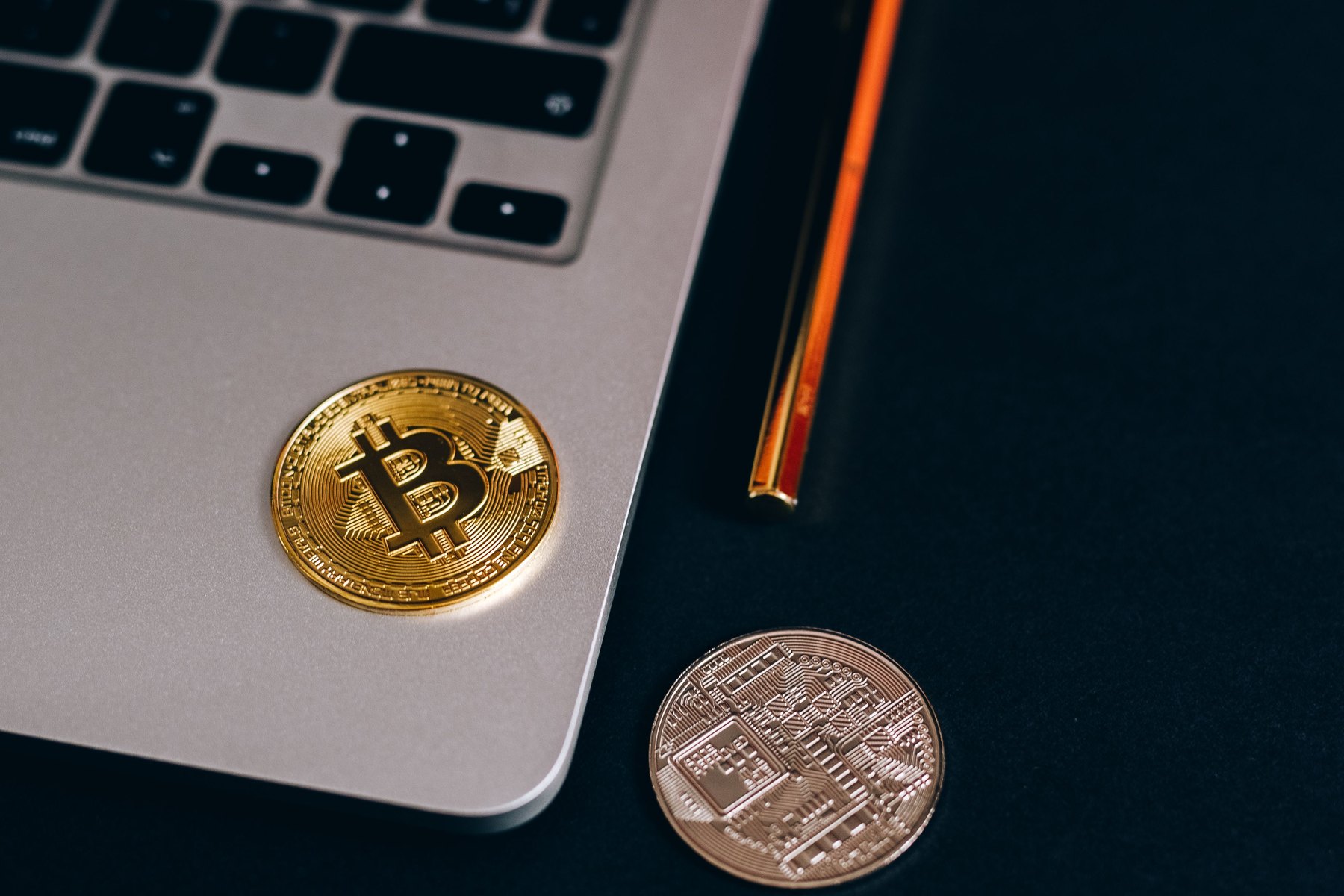
Below are eight widely recognized crypto assets that long term holders often consider. This is not a ranked list for every person. Use it as a starting point, then compare fundamentals, risks, and how each fits your goals.
| Option | Best fit | What to compare | Main drawback |
|---|---|---|---|
| Bitcoin (BTC) | Simple long term exposure, store of value thesis | Security model, liquidity, custody options, fees to move | High volatility and no cash flow |
| Ethereum (ETH) | Exposure to smart contracts and on chain activity | Network usage, L2 ecosystem, staking mechanics, fees | Complex ecosystem and changing fee dynamics |
| Solana (SOL) | High throughput apps, active developer ecosystem | Network reliability, validator decentralization, adoption | Higher ecosystem and execution risk than BTC |
| Chainlink (LINK) | Infrastructure bet on data feeds for smart contracts | Integrations, token utility, staking or economics updates | Value capture can be harder to evaluate |
| Polygon (POL, formerly MATIC) | Scaling and infrastructure exposure | Roadmap, token migration details, ecosystem traction | Token changes add complexity |
| Uniswap (UNI) | DeFi exposure via a major DEX protocol | Protocol usage, governance, fee switch discussions | Regulatory and governance uncertainty |
| USD Coin (USDC) | Parking value on chain, trading liquidity | Issuer disclosures, reserves, redemption, chain support | Stablecoin risks and issuer dependence |
| Ripple (XRP) | Payments and cross border settlement thesis | Adoption, token distribution, legal and regulatory updates | Ongoing regulatory and market perception risk |
1) Bitcoin (BTC)
Bitcoin is the oldest and most recognized crypto asset. Many long term holders treat it as a scarce digital asset with a simple use case: holding and transferring value without relying on a single company.
- What to like: deep liquidity, long track record, broad custody support.
- What to watch: volatility, fees to move during congestion, your own storage and backup process.
2) Ethereum (ETH)
Ethereum is a major smart contract platform used for decentralized finance, NFTs, and other on chain applications. ETH is also used to pay network fees and can be staked in some setups.
- What to like: large ecosystem, strong developer activity, many applications.
- What to watch: complexity across Layer 2 networks, smart contract risks, and changing fee and staking dynamics.
3) Solana (SOL)
Solana is known for high throughput and low transaction costs relative to some other networks. It has a growing app ecosystem, especially in trading and consumer apps.
- What to like: speed, user experience, active development.
- What to watch: network reliability history, decentralization tradeoffs, and ecosystem concentration.
4) Chainlink (LINK)
Chainlink provides oracle services that help smart contracts access off chain data, such as prices and events. Many DeFi protocols rely on oracles, which makes this an infrastructure style bet.
- What to like: widespread integrations, infrastructure role.
- What to watch: how token economics translate usage into long term value for holders.
5) Polygon (POL, formerly MATIC)
Polygon has offered scaling and infrastructure tools connected to Ethereum. The ecosystem has evolved over time, including token changes that can affect how you hold and track it.
- What to like: scaling focus, partnerships and tooling.
- What to watch: token migration details, roadmap execution, and competition among scaling solutions.
6) Uniswap (UNI)
Uniswap is a major decentralized exchange protocol. UNI is a governance token, so the long term thesis often depends on protocol usage, governance decisions, and how value accrues to token holders.
- What to like: brand recognition in DeFi, large user base.
- What to watch: regulatory developments, governance outcomes, and competitive pressure.
7) USD Coin (USDC)
USDC is a stablecoin designed to track the US dollar. Long term holders may use stablecoins to park funds on chain, move money between exchanges, or reduce volatility while staying in crypto rails.
- What to like: reduced price volatility compared with non stable assets, broad exchange support.
- What to watch: issuer and reserve risks, redemption policies, and chain specific risks.
8) Ripple (XRP)
XRP is associated with payment and settlement use cases. It has a long history and a large community, but it can also be sensitive to legal and regulatory headlines.
- What to like: payments oriented thesis, liquidity.
- What to watch: regulatory uncertainty and how adoption translates into long term demand.
How to compare cryptos like a careful long term buyer
Instead of chasing what is trending, compare each asset on a few practical dimensions. This makes it easier to avoid overconcentration and to explain to yourself why you own something.
Fundamentals checklist
| Category | Questions to ask | What to look for | Common red flags |
|---|---|---|---|
| Use case | What problem does it solve? Who uses it? | Clear demand and measurable activity | Vague promises, no real users |
| Security | How is the network secured? How decentralized is it? | Battle tested design, transparent validators or miners | Frequent exploits, opaque control |
| Token economics | How are new tokens issued? Who holds supply? | Understandable issuance and distribution | Extreme insider concentration |
| Liquidity | Can you buy and sell easily? | High volume on major venues | Thin order books, big spreads |
| Regulatory risk | Are there ongoing disputes or restrictions? | Transparent compliance posture where applicable | Constant legal uncertainty |
Custody and platform comparison (where you buy and store matters)
Long term results can be heavily influenced by fees, security, and whether you can withdraw to your own wallet. Here are recognizable platforms people commonly compare.
| Platform | Best for | What to compare | Main drawback |
|---|---|---|---|
| Coinbase | Beginner friendly buying and reporting tools | Trading fees, spreads, withdrawal fees, supported assets | Fees can be higher than some alternatives |
| Kraken | More advanced trading and staking options in some regions | Fee tiers, security features, staking availability | Interface can feel complex for new users |
| Gemini | Security focused exchange experience | Fees, asset support, withdrawal policies | Asset selection may be narrower |
| Fidelity Crypto | Buying crypto inside a traditional brokerage ecosystem | Which coins are supported, transfer and custody rules | May have limitations on transfers compared with exchanges |
| Robinhood Crypto | Simple app based buying for existing users | Spreads, transfer availability, supported networks | Features and coin support can be limited |
What this looks like with real numbers: 3 sample allocations
These examples show how someone might size crypto within a broader plan. The point is not the exact coins, but the risk control: emergency cash first, then diversified long term buckets.
Scenario A: $5,000 to invest, new to crypto
- $3,500 to emergency savings or short term goals (FDIC insured bank account or money market account, check current APY)
- $1,000 to broad long term investing (for example, a diversified stock index fund in a brokerage or retirement account)
- $500 to crypto (example split: $300 BTC, $200 ETH)
Decision rule: if losing half of the crypto portion would cause stress, reduce the crypto slice or wait.
Scenario B: $20,000 available, stable emergency fund already set
- $12,000 to long term diversified investments
- $4,000 to a short term goal fund (home repairs, car replacement, job transition)
- $4,000 to crypto (example split: $2,000 BTC, $1,500 ETH, $500 SOL)
Decision rule: keep single altcoin positions small enough that a major drawdown does not derail your plan.
Scenario C: $100,000 investable, higher risk tolerance, 7+ year horizon
- $70,000 to diversified long term investments
- $15,000 to cash and near cash reserves for flexibility
- $15,000 to crypto (example split: $8,000 BTC, $5,000 ETH, $1,000 SOL, $1,000 LINK)
Decision rule: decide in advance when you will rebalance, such as once per year or when crypto exceeds a set percentage of your portfolio.
Common mistakes long term crypto buyers can avoid
Buying with borrowed money
Using credit cards, personal loans, or margin to buy volatile assets can magnify losses and create repayment pressure. If you are already carrying high interest debt, compare the certainty of paying down APR versus the uncertainty of crypto returns.
Leaving everything on an exchange without a plan
Exchanges can be convenient, but long term holders often consider self custody for some portion. If you self custody, practice backups and recovery steps before moving large amounts.
Ignoring fees and taxes
Trading fees, spreads, and network fees can add up. Taxes can be triggered by selling, swapping one coin for another, or using crypto to pay for something. Keep records of dates, amounts, and cost basis.
Security steps that matter for long term holding
- Use a unique password and a password manager.
- Turn on strong two factor authentication (avoid SMS if you can use an authenticator app or security key).
- Consider a hardware wallet for long term storage and test a small transfer first.
- Keep recovery phrases offline and protected from fire and theft.
- Watch for phishing: verify URLs and never share recovery phrases.
Tax and reporting basics to plan for
In the US, crypto is generally treated as property for tax purposes, so gains and losses may apply when you dispose of it. If you are unsure, review IRS guidance and consider tax software or a qualified tax professional for complex activity like DeFi.
- Track cost basis for each purchase lot.
- Know the difference between short term and long term capital gains.
- Download exchange reports regularly so you are not scrambling later.
Where to learn more (reliable sources)
- FTC consumer guidance for spotting scams and fraud patterns.
- IRS for tax topics and reporting basics.
- CFPB for broader consumer finance tools and complaint resources.
A simple process you can follow
- Set your timeline and maximum crypto percentage (many people choose a small range like 0% to 20% depending on risk tolerance).
- Pick 1 to 4 assets you can explain in one sentence each.
- Choose a platform and compare fees, spreads, and withdrawal rules.
- Decide custody: exchange only, hardware wallet, or a split approach.
- Use a schedule (for example monthly buys) and rebalance periodically.
- Track taxes from day one.
If you want a long term approach, the most important choice is not the perfect coin. It is position sizing, secure storage, and a plan that matches your cash needs and timeline.


