

Best Midsize SUVs to Compare Before You Choose

The best midsize SUVs are the ones that fit your budget, your financing plan, and your day to day needs, not just a popularity list.
Contents
27 sections
-
What "midsize SUV" means in real life
-
Best midsize SUVs to compare by needs and budget
-
Start with your "must have" list (and avoid paying for the wrong trim)
-
Quick must have checklist
-
Decision rule: third row reality check
-
Financing a midsize SUV: payment, APR, and total cost
-
Key numbers to compare on every offer
-
A practical rule for term length
-
Real number examples: what the same SUV can cost
-
Budgeting for the full cost: insurance, fuel, maintenance, and taxes
-
Cost checklist before you sign
-
Real numbers: three monthly budget snapshots
-
New vs used midsize SUV: when each can make sense
-
New can make sense when
-
Used can make sense when
-
Used car financing rule
-
How to compare offers from dealers, banks, and credit unions
-
Offer comparison checklist
-
Protect your credit while you shop
-
Test drive like a cost conscious buyer
-
Negotiation moves that can lower your total cost
-
Focus on the out the door price
-
Separate the three deals
-
Be careful with add ons rolled into the loan
-
Simple decision matrix: pick the right category first
-
What to bring to the dealership or lender
-
Bottom line: compare the SUV and the loan together
Midsize SUVs sit in a sweet spot: more space than compact SUVs, easier to park and fuel than full size SUVs, and often available with family friendly features like three rows, advanced safety tech, and all wheel drive. The catch is cost. A small difference in purchase price, APR, or insurance can change your monthly payment and total interest by thousands over the life of a loan.
This guide walks you through recognizable midsize SUV options to compare, what to look for in trims and powertrains, and a practical financing checklist with real number examples.
What “midsize SUV” means in real life
“Midsize” is not a single standard. In practice, these vehicles usually offer:
- Two rows with generous rear legroom, or optional third row that works best for kids or short trips
- Strong safety and driver assistance availability
- More cargo space than compact SUVs, especially behind the second row
- Higher purchase price and operating costs than compact SUVs
Before you compare models, decide which of these matters most:
- Seating: 5 seats vs 7 or 8 seats
- Drivetrain: front wheel drive vs all wheel drive
- Powertrain: gas, hybrid, plug in hybrid
- Use case: commuting, road trips, towing, snow, car seats
Best midsize SUVs to compare by needs and budget
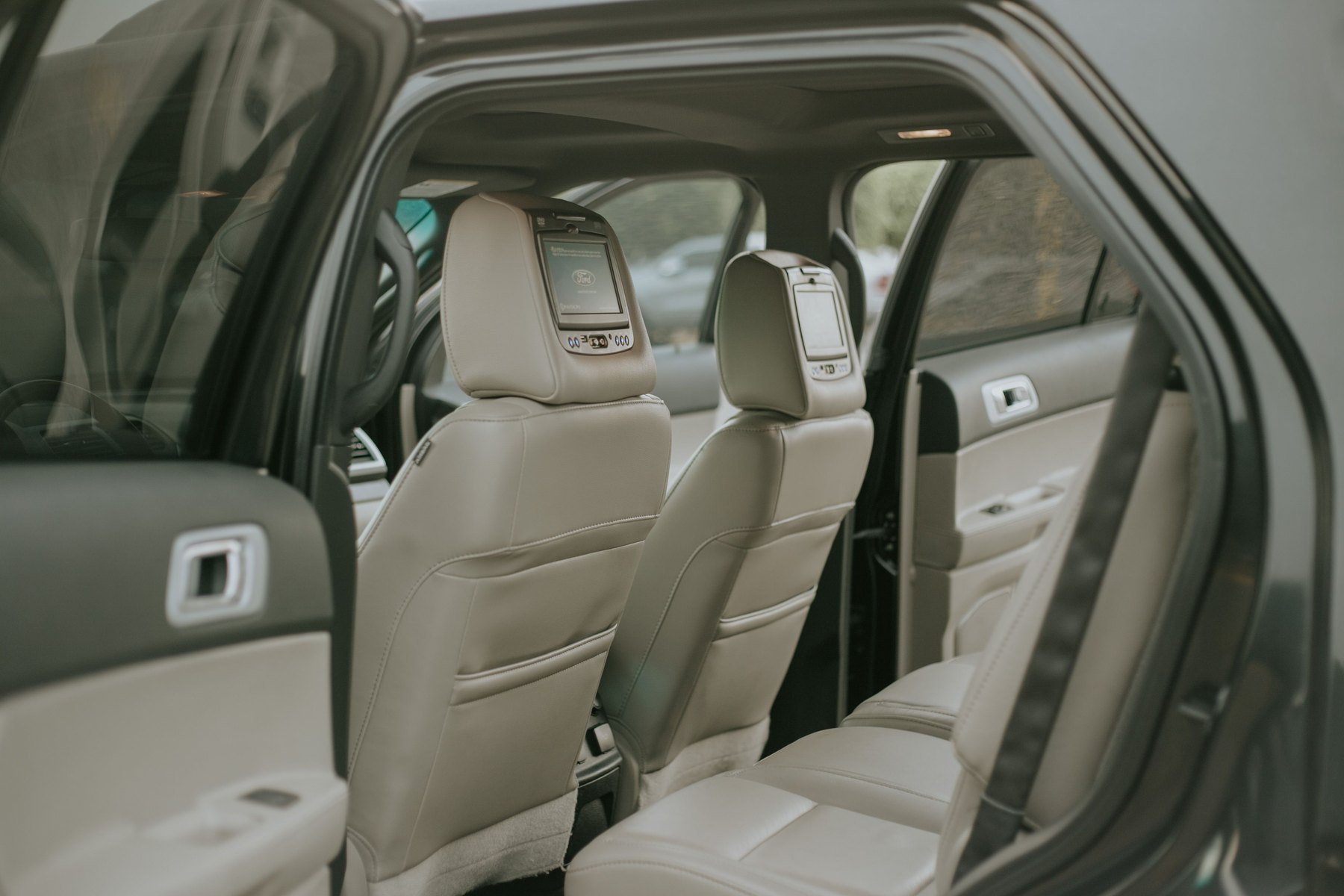
Below are well known midsize SUVs that many shoppers cross shop. Treat these as starting points. Availability, trims, incentives, and insurance costs can vary by location and driver profile, so compare the specific vehicles you can actually buy.
| Option | Best fit | What to compare | Main drawback to watch |
|---|---|---|---|
| Toyota Highlander | Family hauling with strong resale focus | Hybrid vs gas, third row space, dealer add ons | Third row can feel tight, pricing can climb fast with trims |
| Honda Pilot | Three row practicality and road trip comfort | Trim differences, AWD system, cargo behind third row | Fuel costs can be higher than hybrid alternatives |
| Kia Telluride | Value packed features and roomy cabin | Trim pricing, warranty terms, insurance quotes | High demand can mean fewer discounts in some markets |
| Hyundai Palisade | Comfort and features for the money | Trim features, dealer fees, maintenance plan options | Some trims can be priced close to luxury brands |
| Subaru Ascent | Snow belt driving and standard AWD preference | Fuel economy, third row usability, tire replacement costs | Standard AWD can raise fuel and tire costs |
| Ford Explorer | Towing needs and available performance trims | Tow package details, engine choice, insurance rates | Options can add cost quickly, compare reliability history by year |
| Jeep Grand Cherokee (2 row) / Grand Cherokee L (3 row) | Comfort plus available off road capability | 2 row vs L, drivetrain, warranty coverage, fuel costs | Higher trims can be expensive, fuel economy varies widely |
| Toyota Grand Highlander | More usable third row and cargo than many rivals | Hybrid options, real third row space, dealer pricing | Newer model can mean fewer used bargains |
Start with your “must have” list (and avoid paying for the wrong trim)
Most overspending happens in the trim walk up. A higher trim can be worth it when it replaces real costs you would otherwise pay later. It is usually not worth it when it adds features you will not use.
Quick must have checklist
- Seats: Do you truly need a third row weekly, or only a few times a year?
- Car seats: Check second row access, LATCH positions, and whether the third row is usable with car seats installed.
- Safety tech: Compare standard vs optional features like automatic emergency braking, blind spot monitoring, and adaptive cruise control.
- AWD: If you live in snow, compare AWD cost plus tire and fuel impact. If you do not, FWD can be cheaper to buy and run.
- Fuel strategy: If you drive a lot, compare hybrid versions and expected fuel savings.
- Parking: Measure your garage and typical parking spots. Some midsize SUVs are closer to full size in length.
Decision rule: third row reality check
If adults will regularly sit in the third row, prioritize models known for a more usable third row and cargo area. If the third row is mainly for kids or occasional use, you may be better off with a two row midsize SUV and a lower payment.
Financing a midsize SUV: payment, APR, and total cost
Two buyers can pay the same sticker price and end up with very different total costs. The difference is usually down payment, APR, loan term, and add ons rolled into the loan.
Key numbers to compare on every offer
- APR: The interest rate plus certain costs expressed annually. Even a 1% to 2% APR difference can matter over 60 to 84 months.
- Loan term: Longer terms lower the monthly payment but often increase total interest and can keep you upside down longer.
- Out the door price: Includes taxes, title, registration, dealer fees, and any add ons.
- Down payment: More down reduces loan size and may help you avoid being upside down early.
- Trade in: Separate trade negotiation from purchase price when possible so you can compare deals clearly.
A practical rule for term length
- Under 1 year: If you might move, change jobs, or need flexibility soon, consider delaying the purchase or buying a lower cost used vehicle to reduce the risk of selling while upside down.
- 1 to 3 years: Favor a shorter term you can comfortably afford, and avoid rolling negative equity into a new loan if possible.
- 3 to 7 years: This is where many buyers land. Compare 60 vs 72 months carefully and watch total interest.
- 7+ years: Be cautious. 84 month loans can make sense for some budgets, but they increase the chance you owe more than the vehicle is worth for longer.
Real number examples: what the same SUV can cost
Assume you are buying an SUV with an out the door price of $42,000. You put $6,000 down and finance $36,000. The examples below show how APR and term can change the total interest you pay. These are simplified illustrations. Your actual payment depends on your exact APR, fees, and taxes.
| Scenario | APR | Term | Approx monthly payment | Approx total interest |
|---|---|---|---|---|
| A: shorter term, lower interest | 6% | 60 months | $696 | $5,760 |
| B: longer term, same APR | 6% | 72 months | $597 | $6,984 |
| C: longer term, higher APR | 9% | 72 months | $648 | $10,656 |
Decision rule: If you need a 72 to 84 month term to make the payment work, test a cheaper trim, a used model, or a larger down payment. You are trying to reduce the chance of being stuck with a high payment on a vehicle that depreciates faster than your loan balance declines.
Budgeting for the full cost: insurance, fuel, maintenance, and taxes
Your monthly payment is only one line item. Midsize SUVs can also bring higher insurance premiums, higher tire costs, and higher fuel costs than smaller vehicles.
Cost checklist before you sign
| Cost category | What to ask or check | Money tip |
|---|---|---|
| Insurance | Get quotes for the exact trim and VIN if possible | Quote before you buy. A “great deal” can be offset by high premiums. |
| Fuel | Compare real world MPG and your annual miles | If you drive 12,000 to 18,000 miles a year, hybrid savings can add up. |
| Tires | Check tire size and replacement cost, especially for AWD | Budget for a full set. Some AWD systems require matching tires. |
| Maintenance | Look up service intervals and typical costs | Plan a sinking fund so repairs do not go on a credit card. |
| Taxes and fees | Sales tax, registration, doc fees, local fees | Negotiate the vehicle price, then verify the out the door total. |
| Add ons | Extended warranties, protection packages, accessories | Ask for itemized pricing and decide which you would buy with cash. |
Real numbers: three monthly budget snapshots
Below are sample allocations to show what ownership can look like. Replace the numbers with your own quotes and driving habits.
- Scenario 1: Payment focused (total $950 per month)
- Auto loan payment: $650
- Insurance: $200
- Fuel: $80
- Maintenance and repairs fund: $20
- Scenario 2: Balanced ownership (total $1,050 per month)
- Auto loan payment: $600
- Insurance: $190
- Fuel: $120
- Maintenance and repairs fund: $90
- Registration and taxes sinking fund: $50
- Scenario 3: Higher mileage driver (total $1,200 per month)
- Auto loan payment: $650
- Insurance: $220
- Fuel: $220
- Maintenance and repairs fund: $110
Decision rule: If your all in vehicle costs push you to carry credit card balances or skip emergency savings, consider lowering the purchase price, increasing the down payment, or choosing a model with lower insurance and fuel costs.
New vs used midsize SUV: when each can make sense
New can make sense when
- You qualify for a competitive APR and incentives that narrow the gap with used pricing
- You plan to keep the vehicle for many years and want the latest safety tech
- You want predictable ownership early on with a full factory warranty
Used can make sense when
- You can avoid the steepest early depreciation by buying a few years old
- You can pay cash or use a shorter loan term
- You find a well documented maintenance history and a clean inspection
Used car financing rule
Used vehicle APRs can be higher than new. If the used APR is meaningfully higher, run the math on total cost, not just the purchase price. A cheaper vehicle with a higher APR and longer term can still cost more than expected.
How to compare offers from dealers, banks, and credit unions
You can usually shop financing from multiple sources. Many buyers compare:
- Dealer arranged financing: convenient and sometimes competitive, but compare the APR and fees to outside offers
- Banks: may offer relationship discounts for existing customers
- Credit unions: often competitive for qualified borrowers, with membership requirements in some cases
Offer comparison checklist
- APR and whether it is fixed
- Loan term options (48, 60, 72, 84 months)
- Any origination or documentation fees
- Prepayment penalty (many auto loans do not have one, but verify)
- Whether add ons are being rolled into the loan
- Total amount financed and total of payments
Protect your credit while you shop
Auto loan shopping can involve credit checks. Many scoring models treat multiple auto inquiries within a short window as a single shopping event, but the details vary by model and credit profile. A practical approach is to do your rate shopping in a tight time frame and keep copies of offers so you can compare apples to apples.
If you want to review your credit reports before applying, you can get free reports at AnnualCreditReport.com. If you spot errors, the Consumer Financial Protection Bureau has guidance on disputing credit report issues and understanding auto loan terms.
Test drive like a cost conscious buyer
A test drive is not just about comfort. It is also about avoiding expensive regret.
- Visibility and parking: Try a tight parking lot and check blind spots.
- Second and third row access: Bring a car seat if you use one.
- Road noise: Drive at highway speed on rough pavement.
- Braking and acceleration: Notice how it feels merging and passing.
- Tech usability: Test phone pairing, climate controls, and driver assistance settings.
Negotiation moves that can lower your total cost
Focus on the out the door price
Ask for an itemized out the door quote. This helps you compare dealers and reduces confusion between price, fees, and add ons.
Separate the three deals
- Vehicle price
- Trade in value
- Financing terms
When these are bundled, it is harder to see where you are paying more.
Be careful with add ons rolled into the loan
Rolling extras into financing means you pay interest on them. If you are considering an extended warranty or protection package, compare the cash price, what it covers, and whether you could self fund repairs with a monthly maintenance fund instead. The FTC consumer guidance can help you understand common sales tactics and how to evaluate add ons.
Simple decision matrix: pick the right category first
If you are stuck between models, decide which category you are really buying. Then compare 2 to 3 finalists within that category.
| If you prioritize… | Look for… | Likely tradeoff |
|---|---|---|
| Lowest monthly payment | Lower trim, FWD, shorter list of options | Fewer comfort features, may need to compromise on third row |
| Family space | Usable third row, easy second row access, strong cargo | Higher price and insurance, more fuel use |
| Snow and bad weather confidence | AWD, good tires, ground clearance | Higher tire and fuel costs |
| Lower fuel costs | Hybrid powertrain, strong real world MPG | Higher purchase price, availability varies |
| Towing | Proper tow rating, cooling, hitch, brake controller options | Fuel economy drops when towing, higher wear and maintenance |
What to bring to the dealership or lender
Having documents ready can reduce delays and help you compare offers clearly.
- Driver’s license
- Proof of insurance (or ability to start a policy)
- Proof of income (recent pay stubs or other documentation)
- Proof of residence (utility bill or similar, if requested)
- Trade in title or payoff information (if you have a trade)
- Preapproval or rate quotes (if you shopped outside financing)
Bottom line: compare the SUV and the loan together
When you compare midsize SUVs, you are also comparing long term costs: financing, insurance, fuel, and maintenance. Pick 2 to 3 models that match your seating and driving needs, then run the same financing scenarios across all of them. The best choice is the one that fits your budget with room for savings and surprises, not the one with the flashiest feature list.
For more help understanding auto loan terms and common pitfalls, the CFPB auto loans resources are a solid reference.


