

Chase Money Glitch Fraud: What It Is, Risks, and What to Do

Chase money glitch fraud is a social media driven scheme that encourages people to exploit bank deposit timing, check rules, or mobile deposit features to access funds that are not actually theirs.
Contents
31 sections
-
What people mean by "Chase money glitch fraud"
-
Common versions of the scheme
-
Why it spreads
-
Chase money glitch fraud: How the "funds availability" trap works
-
A realistic timeline example
-
Key point to remember
-
Consequences: What can happen if you try it
-
Red flags that a "glitch" is actually a scam
-
If you already tried it: damage control steps
-
1) Stop outgoing transfers and spending
-
2) Contact the bank and ask specific questions
-
3) Gather a simple paper trail
-
4) Make a realistic repayment plan if the deposit reverses
-
Real-number scenarios: what this looks like in dollars
-
Scenario A: $1,200 negative balance after a reversed check
-
Scenario B: $3,500 negative balance plus upcoming bills
-
Scenario C: You sent $1,000 to a scammer after a deposit
-
How to protect yourself going forward
-
Use a "cleared funds" rule
-
Prefer safer payment methods for sales and side gigs
-
Lock down your accounts
-
Where to report scams and check your credit
-
Banking alternatives if your account is restricted or closed
-
Named options to compare (examples)
-
Decision rules when choosing a new account
-
Timeline based money rules after a fraud scare
-
Under 1 year
-
1 to 3 years
-
3 to 7 years
-
7+ years
-
Bottom line
It is often marketed online as a “hack” or “glitch,” but the underlying behavior typically involves depositing a bad check, duplicating deposits, or misrepresenting funds availability and then withdrawing or spending money before the bank discovers the deposit is invalid. The short-term “win” can turn into overdrafts, negative balances, collections, account closure, and in some cases criminal investigation.
What people mean by “Chase money glitch fraud”
Most banks, including Chase, make some deposited funds available quickly, even though the deposit is not fully verified yet. This is called funds availability. Fraudsters try to take advantage of that gap between “available” and “finally settled.”
Common versions of the scheme
- Bad check deposit: Someone deposits a check that is fake, altered, or written from an account with insufficient funds, then withdraws cash or sends money out.
- Mobile deposit duplication: A check is deposited via mobile deposit and then deposited again elsewhere, or the same check image is reused. Banks have controls, but duplicates still happen and get reversed.
- “Cash app flip” tie-ins: A scammer tells you to deposit a check, then send them part of the “available” money via Zelle, wire, gift cards, or crypto. When the check bounces, you are left owing the bank.
- ATM deposit manipulation: Attempts to misstate deposit amounts or use empty envelopes. Banks reconcile deposits and reverse credits.
Why it spreads
Short clips and posts make it look like free money because the account balance may temporarily increase. What is missing is what happens next: the bank returns the deposit, reverses the credit, and may charge fees or restrict the account.
Chase money glitch fraud: How the “funds availability” trap works
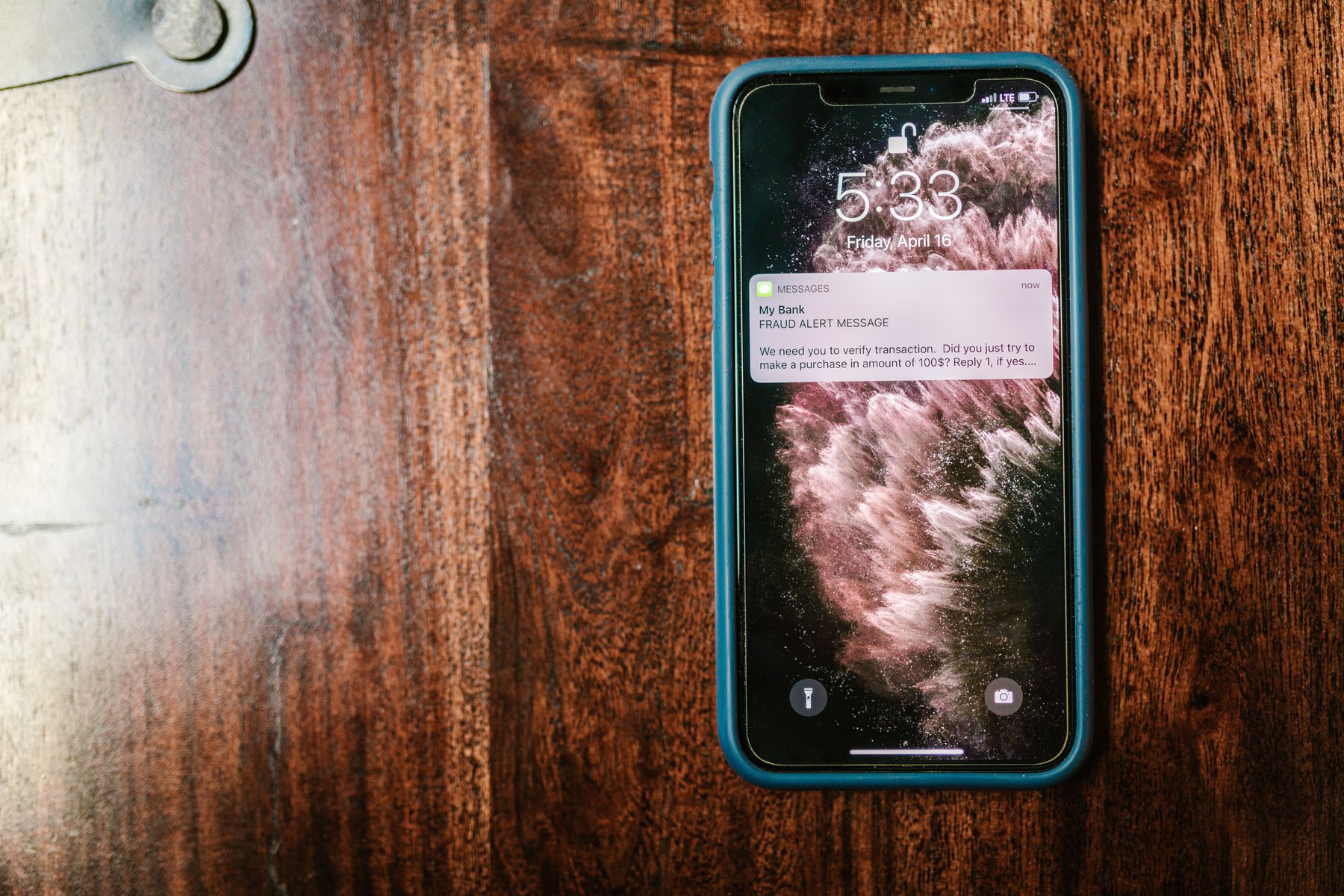
Funds availability rules can allow part of a deposit to be available quickly, but “available” does not mean “cleared.” A deposit can be reversed days later if the check is returned unpaid, flagged as counterfeit, or found to be altered.
A realistic timeline example
- Day 1: You deposit a $2,500 check. Your app shows $200 to $2,500 available depending on the deposit type and account history.
- Day 1 to Day 2: You withdraw $800 cash and send $700 via Zelle to someone who promised to “help.”
- Day 4 to Day 10: The check is returned unpaid. The bank reverses $2,500.
- After reversal: Your account is negative (for example, -$1,500 to -$2,500 plus any fees). The bank may place holds, close the account, or send the balance to collections if not repaid.
Key point to remember
If you spend money from a deposit that later gets reversed, you generally owe the bank. The bank is not “losing” the money. The account holder is responsible for deposits made into their account.
Consequences: What can happen if you try it
Outcomes depend on the facts, your account history, and the amounts involved, but these are common consequences banks use to manage risk and recover losses.
| Consequence | What it can look like | Why it happens | What to do quickly |
|---|---|---|---|
| Deposit reversal | Balance drops after a few days | Check returned unpaid or flagged | Stop spending, review deposit details |
| Overdraft or negative balance | Account shows -$200 to -$5,000+ | Withdrawals made against uncollected funds | Move to essentials-only budget, plan repayment |
| Holds and restrictions | Longer holds on future deposits | Higher risk profile on the account | Ask bank what documents can help verify deposits |
| Account closure | Bank ends relationship | Fraud prevention and loss control | Open a new account elsewhere for bills and paychecks |
| Collections and reporting | Debt sent to a collector | Unpaid negative balance | Request payoff amount, set a repayment plan |
| Legal risk | Investigation depending on intent and amount | Potential fraud allegations | Do not ignore bank communications |
Red flags that a “glitch” is actually a scam
Use this checklist before you deposit or move money. If you see multiple red flags, stop and verify.
| Red flag | Why it is risky | Safer move |
|---|---|---|
| Someone tells you to deposit a check and send part back | Classic fake check scam pattern | Refuse and verify payment independently |
| Pressure to act fast before a “window closes” | Scammers use urgency to bypass judgment | Wait until funds fully clear |
| Payment requested via Zelle, gift cards, or crypto | Hard to recover once sent | Use traceable, invoice-based payment methods |
| Check image looks blurry or mismatched | Possible counterfeit or altered check | Confirm issuer, routing, and legitimacy |
| They say “banks have to honor it” | Funds availability is not final settlement | Assume reversal is possible until cleared |
If you already tried it: damage control steps
If you deposited something questionable or withdrew against a deposit that may not clear, act quickly. The goal is to limit losses, prevent additional transactions, and get clear information.
1) Stop outgoing transfers and spending
- Pause nonessential spending immediately.
- If you scheduled bill payments that could cause overdrafts, review and adjust.
- If you sent money to a scammer, document the transaction details.
2) Contact the bank and ask specific questions
- Ask whether the deposit is under review, on hold, or returned.
- Ask what documents could help verify the deposit (for example, pay stub, invoice, proof of sale).
- Ask for the current negative balance and whether fees are accruing.
3) Gather a simple paper trail
- Deposit receipt or mobile deposit confirmation
- Any messages or emails from the person who gave you the check
- Proof of what the check was for (sale listing, contract, invoice)
- Transaction history showing where money went
4) Make a realistic repayment plan if the deposit reverses
If your account goes negative, prioritize keeping essentials running while you address the balance. A practical approach is to build a short-term cash plan and pay down the negative balance steadily.
Real-number scenarios: what this looks like in dollars
These examples show how quickly a “glitch” can become a cash crisis, and how to build a recovery budget. Adjust the numbers to your situation.
Scenario A: $1,200 negative balance after a reversed check
Situation: Your account is -$1,200. You bring home $2,800 per month. Essential bills total $2,200.
30-day allocation plan (adds up to $2,800):
- Essentials (rent, utilities, food, transit): $2,200
- Minimum debt payments (credit card, loan): $200
- Negative balance repayment: $350
- Buffer for small surprises: $50
Decision rule: If you can repay the negative balance within 3 to 4 pay cycles without missing rent or utilities, a tight budget may be enough. If not, ask the bank about a structured repayment option and cut discretionary spending further.
Scenario B: $3,500 negative balance plus upcoming bills
Situation: Your account is -$3,500. You have $900 in cash savings and a paycheck of $2,400 coming in two weeks.
Two-week allocation plan (adds up to $3,300 available cash):
- Keep for housing and utilities: $1,800
- Food and transportation: $500
- Pay down negative balance immediately: $900
- Hold back as a small emergency buffer: $100
Decision rule: Pay something toward the negative balance quickly to reduce fees and show good-faith effort, but do not drain money needed for housing, power, or commuting.
Scenario C: You sent $1,000 to a scammer after a deposit
Situation: You deposited a $2,000 check, then sent $1,000 via Zelle to someone. The check is likely to bounce.
Next-step allocation plan (adds up to $1,500 you can control this month):
- Essentials: $1,200
- Set aside for potential negative balance: $250
- Fees and account buffer: $50
Decision rule: Assume the $1,000 is gone until proven otherwise. Focus on preventing a second loss by stopping additional transfers and preparing for the reversal.
How to protect yourself going forward
Use a “cleared funds” rule
Do not withdraw, transfer, or spend money from a check deposit until you are confident it has cleared. If you are unsure, ask the bank what “cleared” means for that deposit type and your account history.
Prefer safer payment methods for sales and side gigs
- For marketplace sales: cash in person at a safe location, or verified electronic payments where you can confirm receipt and terms.
- For freelance work: written invoices, partial upfront deposits from known clients, and payment methods that match your contract.
- For large amounts: consider cashier’s checks only when you can verify them directly with the issuing bank, using contact info you find independently.
Lock down your accounts
- Turn on transaction alerts for deposits, withdrawals, and transfers.
- Use strong passwords and enable multi-factor authentication.
- Review connected apps and remove ones you do not use.
Where to report scams and check your credit
If you believe you were targeted by a fake check scam or related fraud, reporting can help you document what happened and may help others avoid it.
- FTC scam reporting: https://consumer.ftc.gov/
- CFPB complaints about financial products: https://www.consumerfinance.gov/
- Check your credit reports: https://www.annualcreditreport.com/
Banking alternatives if your account is restricted or closed
If your bank restricts your account or closes it, you still need a way to receive income and pay bills. Compare options based on monthly fees, overdraft policies, cash access, and deposit hold practices.
Named options to compare (examples)
Availability and features change, so verify current terms, fees, and eligibility before opening any account.
| Option | Best fit | What to compare | Main drawback |
|---|---|---|---|
| Wells Fargo checking | People who want a large branch network | Monthly fee waivers, overdraft options, deposit holds | Fees can apply if waiver requirements are not met |
| Bank of America checking | People who prefer big-bank tools and branches | Account tiers, fee waivers, Zelle limits, holds | Fee structure can be complex |
| Capital One 360 Checking | People who prefer online-first banking | Fees, cash deposit options, ATM access | Fewer branches in many areas |
| Ally Bank Interest Checking | People comfortable with fully online support | ATM reimbursements, transfer times, holds | No physical branches |
| Navy Federal Credit Union checking | Eligible military members and families | Membership rules, fees, overdraft policies | Eligibility requirements apply |
| Local credit union checking | People who want local service and lower fees | Membership, deposit holds, shared branching | Fewer ATMs or limited tech at some institutions |
Decision rules when choosing a new account
- If you need cash deposits: prioritize banks or credit unions with nearby ATMs or branches that accept cash deposits.
- If you live paycheck to paycheck: compare overdraft policies, grace periods, and low-balance alerts.
- If you get paid by direct deposit: check early-pay features, but focus more on fees and reliability than timing.
Timeline based money rules after a fraud scare
After any account disruption, your goal is stability first, then rebuilding.
Under 1 year
- Build a starter emergency fund of $500 to $1,500 if possible.
- Keep bill money in a separate account from spending money.
- Avoid taking on new debt to cover a negative balance unless you have a clear payoff plan.
1 to 3 years
- Work toward 3 to 6 months of essential expenses in cash savings.
- Automate savings right after payday, even if it is $10 to $50 at a time.
- Check your credit reports at least annually for errors or new accounts you do not recognize.
3 to 7 years
- Focus on lowering high-interest debt and building consistent savings habits.
- Keep documentation of resolved bank issues in case you need it later.
7+ years
- Prioritize long-term goals like retirement contributions and a larger emergency fund.
- Use a simple rule: do not risk your banking access for short-term “hacks.” The downside can last years.
Bottom line
What gets called a “money glitch” is usually just check fraud or deposit manipulation dressed up as a shortcut. If you are tempted, the safest move is to treat any unverified deposit as temporary until it fully clears. If you already got pulled in, stop outgoing transfers, contact your bank quickly, and build a real-number plan to stabilize your cash flow.
For more on avoiding fake check scams and related fraud patterns, review the FTC’s resources at consumer.ftc.gov and consider filing a complaint with the CFPB at consumerfinance.gov if you have an unresolved issue with a financial product or service.


