

Climate Risk Score on Zillow Listings: How to Use It Before You Buy or Refinance

Climate Risk Score Zillow listings can change how you evaluate a home because climate hazards can affect insurance costs, repair risk, and long-term resale value.
Contents
32 sections
-
What a climate risk score is and what it is not
-
What it can help you do
-
What it cannot do
-
Climate Risk Score Zillow listings: how to interpret the hazards
-
Flood risk
-
Wildfire risk
-
Wind and storm risk
-
Extreme heat
-
Air quality and smoke
-
How climate risk can affect your mortgage, refinance, and monthly payment
-
1) Homeowners insurance availability and price
-
2) Required coverage types
-
3) Appraisal and resale considerations
-
4) Repair and maintenance budgeting
-
Decision rules: what to do by your timeline
-
Under 1 year (buying soon or closing soon)
-
1 to 3 years (planning to buy, or early in ownership)
-
3 to 7 years (mid-term ownership)
-
7+ years (long-term ownership or retirement planning)
-
Practical checklist: what to verify when a listing shows higher risk
-
Named tools and data sources to compare with Zillow
-
Helpful external references
-
What this looks like with real numbers: budgeting for climate-related costs
-
Scenario 1: First-time buyer with a tight monthly budget
-
Scenario 2: Move-up buyer comparing two similar homes
-
Scenario 3: Homeowner considering a refinance
-
Questions to ask your lender and insurance agent
-
For your lender
-
For your insurance agent or carrier
-
How to protect your credit and cash flow while shopping for a home
-
Common mistakes when using climate risk scores
-
Bottom line: use the score to price the risk into your decision
In the past, many buyers focused on price, school district, commute, and the home inspection. Those still matter, but climate-related risks like flooding, wildfire smoke, extreme heat, and wind are showing up more often in day-to-day housing costs. A higher risk profile can mean higher homeowners insurance premiums, larger deductibles, limited coverage options, or extra requirements from a lender. It can also influence how you budget for maintenance and emergency savings.
What a climate risk score is and what it is not
A climate risk score is a data-based estimate of how exposed a property may be to certain hazards over time. Zillow and other housing platforms may show risk indicators for hazards such as flood, wildfire, wind, heat, and air quality. The goal is to help shoppers ask better questions earlier.
What it can help you do
- Compare homes more consistently when two properties have similar prices but different hazard exposure.
- Plan your monthly budget by anticipating insurance and maintenance differences.
- Decide what to verify with local records, insurers, and inspections.
- Estimate future friction such as difficulty finding affordable coverage or needing upgrades.
What it cannot do
- Predict a specific event or guarantee that a home will or will not be affected.
- Replace an insurance quote for your exact coverage, deductible, and claims history.
- Replace local due diligence like flood maps, permits, drainage conditions, and neighborhood infrastructure.
- Tell you the total cost of ownership without considering taxes, utilities, and your financing terms.
Climate Risk Score Zillow listings: how to interpret the hazards
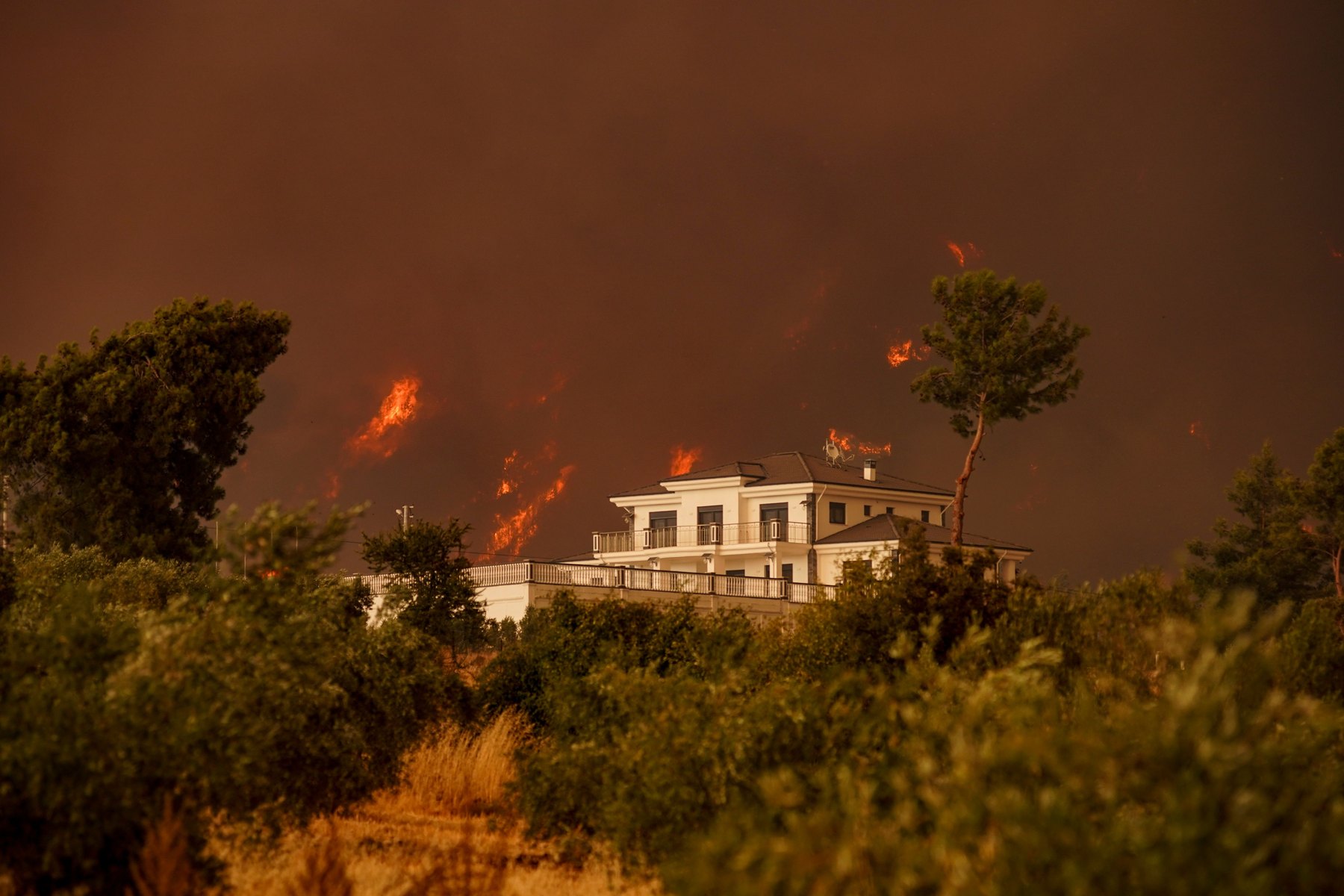
When you see a climate risk score, treat it as a starting point. Your next step is to translate “risk” into specific questions that affect your money. Below are common hazard categories and what they can mean for a homeowner or borrower.
Flood risk
- Why it matters financially: Flood damage can be expensive, and flood insurance may be required in certain mapped areas. Even outside high-risk zones, some owners choose coverage because flooding can still happen.
- What to verify: FEMA flood maps, local stormwater issues, elevation, drainage, and past claims if available.
- Mortgage angle: If a property is in a Special Flood Hazard Area, a lender may require flood insurance for a federally related mortgage.
Wildfire risk
- Why it matters financially: Insurance premiums and deductibles can rise in high-risk areas. Some carriers may limit new policies or require mitigation steps.
- What to verify: Defensible space, roof material, vents, nearby vegetation, and local fire department ratings and response times.
- Mortgage angle: Lenders typically require homeowners insurance. If coverage is hard to obtain, closing timelines and affordability can be affected.
Wind and storm risk
- Why it matters financially: Wind or hurricane deductibles can be a percentage of the dwelling coverage amount, which can create a large out-of-pocket exposure.
- What to verify: Roof age, roof-to-wall connections, shutters, garage door reinforcement, and local building codes.
Extreme heat
- Why it matters financially: Cooling costs can rise, HVAC wear increases, and heat can stress roofs and materials. Some areas also face grid strain and higher utility rates during peak demand.
- What to verify: Insulation, window quality, shade, HVAC age and efficiency, and whether the home has a heat pump or efficient cooling.
Air quality and smoke
- Why it matters financially: Smoke events can increase filter and HVAC maintenance costs and may affect livability for some households.
- What to verify: HVAC filtration, ability to seal the home, and local historical smoke patterns.
How climate risk can affect your mortgage, refinance, and monthly payment
Climate risk usually does not show up as a separate line item on a loan estimate. Instead, it can affect the costs that sit next to your mortgage payment: insurance, maintenance, and emergency repairs. Those costs influence how comfortable your payment feels and how resilient your budget is when something goes wrong.
1) Homeowners insurance availability and price
In higher-risk areas, you may see higher premiums, larger deductibles, special wind deductibles, or fewer carrier options. If you escrow insurance, higher premiums can raise your monthly payment. If you pay insurance separately, it still affects affordability.
2) Required coverage types
Flood insurance is the most common “extra” policy tied to mortgage requirements in mapped flood zones. Some buyers also add endorsements or separate policies for wind, sewer backup, or wildfire-related risks depending on location and carrier rules.
3) Appraisal and resale considerations
Appraisers look at comparable sales. If buyers in a neighborhood begin discounting homes with higher insurance costs or higher hazard exposure, that can influence comps over time. This is not automatic, but it is a practical reason to consider climate risk early.
4) Repair and maintenance budgeting
Even without a disaster, higher heat, moisture, or storms can accelerate wear on roofs, siding, decks, and HVAC systems. A climate risk score can be a prompt to budget more conservatively for maintenance.
Decision rules: what to do by your timeline
Use timeline-based rules to decide how much extra due diligence and cash buffer you need.
Under 1 year (buying soon or closing soon)
- Get at least 3 insurance quotes early, before you remove contingencies.
- Ask each insurer about deductibles (including wind or named-storm deductibles) and coverage exclusions.
- Verify flood zone status and whether flood insurance is required by your lender.
- Budget for immediate mitigation (for example, roof repairs, brush clearance, drainage improvements) if needed.
1 to 3 years (planning to buy, or early in ownership)
- Prioritize homes where you can reduce risk with upgrades (roof, vents, drainage, defensible space).
- Build a larger home emergency fund if deductibles are high.
- Track insurance renewal changes annually and shop around if premiums jump.
3 to 7 years (mid-term ownership)
- Plan major replacements (roof, HVAC) before they become urgent, especially in harsh climates.
- Consider resilience upgrades that may improve insurability, such as impact-resistant roofing or improved attic ventilation.
- Re-evaluate whether refinancing makes sense after factoring in insurance and taxes, not just the interest rate.
7+ years (long-term ownership or retirement planning)
- Stress-test your budget for higher insurance premiums and higher utility costs.
- Think about resale flexibility: will future buyers face the same insurance constraints?
- Keep documentation of upgrades and mitigation work to support future insurance shopping and buyer questions.
Practical checklist: what to verify when a listing shows higher risk
When a climate risk indicator looks elevated, the best move is to convert it into verification steps you can complete during your inspection and financing window.
| Item to check | Why it matters | Who to ask | What to collect |
|---|---|---|---|
| Insurance quotes (home and flood if relevant) | Premiums and deductibles can change affordability | Independent agent, captive agent, online quote tools | Quote pages showing premium, deductible, key exclusions |
| Flood zone and elevation | May trigger lender flood insurance requirement | Lender, local floodplain office, surveyor | Flood map panel, elevation certificate if available |
| Roof age and material | Older roofs can raise premiums or limit coverage | Seller, inspector, roofer | Roof permit, invoice, inspection photos |
| Drainage and grading | Poor drainage increases water intrusion risk | Inspector, drainage contractor | Inspection notes, drainage plan or estimate |
| Defensible space and vegetation | Can affect wildfire risk and insurability | Inspector, local fire guidance, landscaper | Photos, mitigation plan, receipts for clearance |
| HVAC efficiency and insulation | Heat risk can increase utility bills and wear | Inspector, HVAC tech, utility company | Service records, energy audit if available |
Named tools and data sources to compare with Zillow
Zillow is not the only place to see climate and hazard context. Cross-checking can help you spot gaps and ask better questions. Here are recognizable sources and tools many buyers use as references, depending on the hazard:
| Option | Best fit | What to compare | Main drawback |
|---|---|---|---|
| Zillow | Quick screening while browsing listings | Which hazards are shown and how they are summarized | Not a substitute for quotes, inspections, or local records |
| FEMA Flood Map Service Center | Flood zone verification | Flood zone designation and map panel details | Maps may not capture every local drainage issue |
| First Street Foundation (RiskFactor) | Second opinion on hazard exposure | Hazard categories and time horizons used | Models are estimates and can differ from local experience |
| NOAA (National Oceanic and Atmospheric Administration) | Storm and climate context | Historical events and regional climate patterns | Not property-specific for underwriting decisions |
| State or local emergency management and fire agencies | Local hazard mitigation guidance | Evacuation zones, mitigation recommendations, local history | Information can be spread across multiple sites |
| Insurance agents and carrier underwriting guidelines | Real-world insurability check | Premium, deductible, exclusions, required upgrades | Quotes can change with market conditions and inspections |
Helpful external references
- FEMA Flood Map Service Center for flood zone lookups.
- NOAA for climate and weather context.
- FDIC for understanding insured deposits if you are holding cash reserves for home repairs.
What this looks like with real numbers: budgeting for climate-related costs
Climate risk becomes real when it changes your monthly payment comfort zone and your cash reserves. Below are three sample scenarios that show how a buyer might plan. These are examples, not quotes.
Scenario 1: First-time buyer with a tight monthly budget
Profile: You can afford the mortgage payment, but you have limited room for surprise costs.
Cash available after down payment and closing: $12,000
- $6,000 – home emergency fund (aimed at deductibles and urgent repairs)
- $3,000 – immediate mitigation and maintenance (gutter work, grading fixes, smoke-rated filters, minor roof repairs)
- $2,000 – moving and setup costs
- $1,000 – buffer for the first insurance renewal change
Decision rule: If the best available insurance quote is more than you expected by $150 to $300 per month, re-check affordability using your full housing cost, not just principal and interest.
Scenario 2: Move-up buyer comparing two similar homes
Profile: Two homes cost about the same, but one shows higher wildfire or wind risk.
Annual budget set aside for ownership costs: $9,600 per year ($800 per month)
- $4,200 – maintenance and replacements (roof reserve, HVAC reserve)
- $2,400 – insurance premium variability reserve (shopping and renewal increases)
- $1,500 – mitigation upgrades (defensible space, vent upgrades, impact-rated improvements)
- $1,500 – emergency deductible reserve
Decision rule: If the higher-risk home costs $200 more per month in insurance and utilities combined, that is $2,400 per year. Over 5 years, that is $12,000 before considering any claims or repairs. Use that number when comparing “similar” list prices.
Scenario 3: Homeowner considering a refinance
Profile: You want to refinance, but insurance and taxes have risen.
Monthly savings goal: $250 per month
Reality check allocation: If a refinance lowers principal and interest by $300 per month but insurance escrow rises by $120 per month, the net improvement is $180 per month. You might still refinance, but the decision should be based on the net payment and the break-even timeline after closing costs.
Decision rule: Ask your lender for a payment estimate that includes updated insurance and taxes, then compare it to your current all-in payment.
Questions to ask your lender and insurance agent
For your lender
- Will flood insurance be required for this property based on the flood determination?
- What documentation do you need for homeowners insurance and flood insurance before closing?
- If insurance is delayed or hard to place, what happens to my closing timeline?
- Will the loan be sold, and does that change any insurance documentation requirements?
For your insurance agent or carrier
- What are the deductibles, including any wind or named-storm deductible?
- Are there exclusions or limits I should know about for water damage, smoke, or mold?
- Are there discounts for mitigation steps (roof type, shutters, defensible space, alarm systems)?
- What would cause non-renewal or a required inspection?
How to protect your credit and cash flow while shopping for a home
Climate risk is about the property, but your financing strength is about you. A few practical steps can help you stay flexible while you compare homes and insurance costs.
- Check your credit reports early so you have time to fix errors. Use AnnualCreditReport.com to get your reports.
- Keep cash reserves liquid until you close. If you are holding a down payment or repair reserve, confirm your bank account is FDIC insured and understand coverage limits via the FDIC.
- Compare the full loan package across lenders: APR, points, lender fees, rate lock terms, and how escrow is handled.
Common mistakes when using climate risk scores
- Assuming the score equals your insurance premium. Premiums depend on coverage, deductible, rebuild cost estimates, and carrier rules.
- Skipping quotes until late in the process. In some areas, insurance shopping can take time, especially if inspections are required.
- Ignoring deductibles. A lower premium with a much higher deductible can increase your out-of-pocket risk.
- Not budgeting for mitigation. Some upgrades are optional, but others can improve safety and insurability.
- Overreacting to a single data point. Use the score to guide verification, not to replace it.
Bottom line: use the score to price the risk into your decision
A climate risk score on a Zillow listing is most useful when it changes your next steps: get insurance quotes earlier, verify flood and local hazard details, and budget for deductibles and mitigation. When you translate risk into dollars and timelines, you can compare homes more clearly and choose financing that fits your full cost of ownership.


