

Five Easy Steps for Most Collectibles: Value, Protect, and Borrow Wisely

Collectibles loan steps can help you turn items like coins, jewelry, trading cards, watches, or art into cash more safely by valuing, documenting, and comparing borrowing options before you sign anything.
Contents
24 sections
-
How collectibles-backed borrowing works (and when it can make sense)
-
Common ways people borrow against collectibles
-
Decision rule: borrow vs sell
-
Collectibles loan steps: the 5-step process most people can follow
-
Step 1: Identify exactly what you have (category, condition, authenticity)
-
Step 2: Get a realistic value range (not a single number)
-
Step 3: Document and protect the item before you hand it over
-
Step 4: Compare borrowing options and total cost, not just the cash offered
-
Step 5: Close the deal carefully (contract, receipts, and exit plan)
-
What this looks like with real numbers (three sample scenarios)
-
Scenario A: $3,000 short-term need, trading cards you do not want to sell
-
Scenario B: $10,000 liquidity need, jewelry with sentimental value
-
Scenario C: $50,000 opportunity, art collection as a backstop
-
Timeline decision rules: under 1 year, 1 to 3 years, 3 to 7 years, 7+ years
-
Under 1 year
-
1 to 3 years
-
3 to 7 years
-
7+ years
-
Cost and risk checklist before you borrow against collectibles
-
Ways to lower the chance of losing your collectible
-
Fraud, scams, and how to verify a lender or buyer
-
Credit impact and alternatives if you do not want to pledge collateral
-
Alternatives to consider
-
Quick summary: your 5-step checklist
Borrowing against collectibles can be useful when you need short-term liquidity and do not want to sell. It can also be risky because values can swing, fees can add up, and you might lose the item if you cannot repay. The goal is to approach the process like a business transaction: know what you have, prove what you have, protect it, then shop for terms.
How collectibles-backed borrowing works (and when it can make sense)
When you borrow using a collectible, the lender is focused on two things: how easily the item can be verified and sold, and how much they can safely lend compared to its resale value. That is why offers often depend on the item category, condition, authenticity, and market demand.
Common ways people borrow against collectibles
- Pawn loans: You leave the item with the pawn shop. If you repay, you get it back. If not, the shop can sell it.
- Specialty collateral loans: Some lenders focus on categories like luxury watches, fine jewelry, art, or high-end collectibles.
- Bank or credit union secured loans: Less common for collectibles, more common for vehicles or savings, but some institutions may consider certain collateral with strong documentation.
- Personal loan or credit card instead: Not secured by the collectible, but sometimes cheaper and less risky to your item if you qualify.
Decision rule: borrow vs sell
- Borrow when you need temporary cash, you have a clear repayment plan, and the item is hard to replace or has long-term value to you.
- Sell when you cannot comfortably repay, the item is replaceable, or the market is strong and you would rather eliminate ongoing interest and fees.
Collectibles loan steps: the 5-step process most people can follow
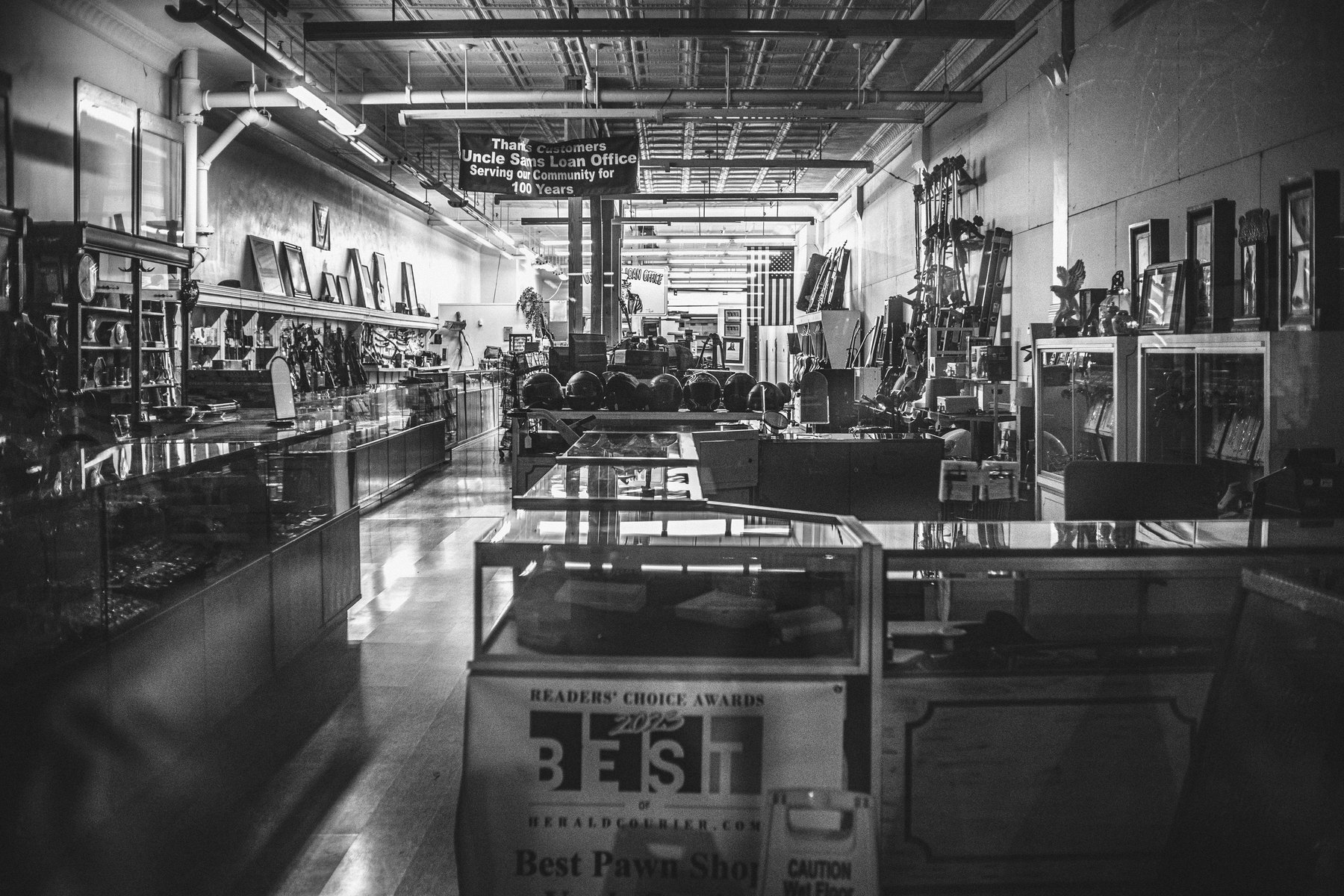
Use these five steps whether you are considering a pawn loan, a specialty lender, or another way to raise cash. Each step reduces the chance of overpaying, under-borrowing, or losing your item due to avoidable mistakes.
Step 1: Identify exactly what you have (category, condition, authenticity)
Start with a clear description. Lenders and buyers pay for specifics, not stories.
- Category: coin, bullion, jewelry, watch, sports card, comic, art, musical instrument, memorabilia.
- Key identifiers: maker, model, year, serial number, hallmark, grading label, provenance documents.
- Condition: scratches, repairs, missing parts, discoloration, restoration, water damage.
Practical example: “Rolex Submariner” is not enough. “Rolex Submariner 116610LN, serial recorded, includes box and papers, minor bracelet wear” is far more useful for valuation and loan quotes.
Step 2: Get a realistic value range (not a single number)
Collectibles do not have one universal price. A lender will usually base offers on a conservative resale value, not the highest online listing you can find. Aim to estimate a range using multiple sources.
- Recent sold prices (not asking prices) from major marketplaces or auction results.
- Professional grading and authentication for categories where it matters (coins, trading cards, comics, luxury watches).
- Local demand: what sells quickly in your area may differ from national trends.
Decision rule: If you cannot explain how you arrived at your value range in 2 to 3 sentences, you are not ready to accept a loan offer yet.
Step 3: Document and protect the item before you hand it over
Documentation helps you get better quotes and reduces disputes. Protection reduces the risk of loss, damage, or confusion about what you provided.
| Document or proof | Why it matters | How to get it | Tip |
|---|---|---|---|
| Clear photos and video | Shows condition and identifiers | Your phone | Include serial numbers and close-ups |
| Receipt or proof of purchase | Supports legitimacy and provenance | Retailer, email, bank records | Print a copy for the file |
| Appraisal (if applicable) | Helps establish a value range | Qualified appraiser | Ask what method they used |
| Grading certificate | Standardizes condition and authenticity | PCGS, NGC, PSA, CGC (category dependent) | Verify the cert number online |
| Insurance details | Clarifies coverage during storage or shipping | Your insurer or lender terms | Confirm who is responsible while held |
Also confirm how the item will be stored. Ask about safes, vaulting, inventory controls, and whether the item is insured while in the lender’s possession.
Step 4: Compare borrowing options and total cost, not just the cash offered
The same item can produce very different offers depending on the lender type. Compare APR (or equivalent cost), fees, repayment schedule, and what happens if you are late.
| Option | Best fit | What to compare | Main drawback |
|---|---|---|---|
| Local pawn shop | Fast cash, short term needs | APR or fee schedule, storage, redemption period | Costs can be high; item is at risk if you miss terms |
| Sotheby’s Financial Services | High-value art and luxury assets | Loan-to-value approach, custody, term flexibility | Typically for higher-value collections; eligibility varies |
| Christie’s Art Finance | Art collectors needing liquidity | Collateral requirements, fees, repayment structure | Not designed for small items; process can be involved |
| Borro (luxury asset loans) | Watches, jewelry, art, cars (where available) | Current fees, shipping and insurance terms, timeline | Availability and terms vary; verify all costs |
| Personal loan from a bank or credit union | Borrowers with good credit who want to keep the item | APR, origination fees, term length, prepayment rules | Approval depends on credit and income, not the collectible |
| 0% intro APR credit card (if eligible) | Short payoff plan with predictable payments | Intro period length, balance transfer fees, post-intro APR | High APR after intro; requires strong repayment discipline |
Decision rule: If you cannot repay within the stated term with room for surprises, treat the collectible as at-risk and consider a different funding plan.
Step 5: Close the deal carefully (contract, receipts, and exit plan)
Before you sign, read the full agreement and ask for a written breakdown of costs. Keep copies of everything.
- Get a detailed receipt describing the item, including serial numbers or unique identifiers.
- Confirm the due date, grace period, and whether extensions are allowed and at what cost.
- Understand default terms: when the lender can sell the item and whether you have any right to recover it.
- Set an exit plan: calendar reminders, automatic payments if available, and a backup source of funds.
What this looks like with real numbers (three sample scenarios)
Below are simplified examples to show how people might plan around a collectibles-backed loan or an alternative. Numbers are illustrative only. Always check the lender’s current fees, APR, and terms.
Scenario A: $3,000 short-term need, trading cards you do not want to sell
- Need: $3,000 for a car repair and a deductible.
- Collectible: graded cards with an estimated resale range of $6,000 to $8,000.
Possible allocation plan:
- $1,500 from savings (reduce borrowing cost)
- $1,500 from a small loan option (compare pawn vs personal loan)
- $0 from selling cards (avoid selling if repayment is realistic)
Decision rule: If the only way to repay is to sell the cards later, it may be simpler to sell now and avoid fees.
Scenario B: $10,000 liquidity need, jewelry with sentimental value
- Need: $10,000 to cover a temporary income gap for 3 months.
- Collectible: fine jewelry with appraisal range of $18,000 to $25,000.
Possible allocation plan:
- $4,000 from emergency fund
- $4,000 from a personal loan (compare APR and fees)
- $2,000 from a collateral loan only if terms are clearly cheaper than alternatives
Why split it: You reduce the amount secured by the item, lowering the risk of losing it if something goes wrong.
Scenario C: $50,000 opportunity, art collection as a backstop
- Need: $50,000 for a business inventory purchase with expected payoff in 6 to 12 months.
- Collectible: art with documented provenance and a conservative value range of $150,000 to $220,000.
Possible allocation plan:
- $20,000 cash on hand
- $20,000 business line of credit (if available) or personal loan
- $10,000 art-backed loan as a contingency layer
Decision rule: If the business payoff timeline is uncertain, avoid stacking multiple high-cost loans on top of each other.
Timeline decision rules: under 1 year, 1 to 3 years, 3 to 7 years, 7+ years
Collectibles-backed borrowing is usually best for shorter timelines. Use these rules to match the tool to the time horizon.
Under 1 year
- Prioritize the lowest total cost you can realistically qualify for.
- If using a pawn or collateral loan, set a payoff date earlier than the contract due date.
- Consider whether a 0% intro APR credit card could be cheaper if you can pay it off before the intro ends.
1 to 3 years
- Personal loans may be easier to budget because of fixed payments.
- Be cautious with collateral loans that require frequent renewals or extensions.
- Run a stress test: could you still pay if your income drops for 2 months?
3 to 7 years
- Longer borrowing periods increase the chance that fees and interest outweigh the benefit of keeping the collectible.
- If you are consistently carrying debt this long, consider selling items you can replace and using proceeds to reduce high-cost balances.
7+ years
- Collectibles are generally not ideal as a long-term borrowing strategy.
- Focus on rebuilding cash reserves, improving credit, and using lower-cost credit products where appropriate.
Cost and risk checklist before you borrow against collectibles
| Question | What to look for | Why it matters |
|---|---|---|
| What is the APR or total fee schedule? | APR, monthly fees, storage fees, insurance fees | Fees can make a “small” loan expensive fast |
| What is the exact repayment timeline? | Due date, grace period, extension policy | Missing a deadline can mean losing the item |
| Who insures the item while held or shipped? | Written confirmation of coverage and limits | Reduces loss and damage disputes |
| How is the item stored and tracked? | Vaulting, inventory controls, receipts | Protects against mix-ups and theft |
| What happens if you cannot repay? | Default terms, sale process, notices | Clarifies your downside risk |
| Is there a cheaper alternative? | Personal loan, credit union, 0% intro APR card | You may keep the item without pledging it |
Ways to lower the chance of losing your collectible
- Borrow less than you think you can: a smaller loan is easier to repay and reduces pressure.
- Choose items you can replace: avoid pledging heirlooms if you would be devastated to lose them.
- Build a repayment buffer: keep at least one payment in reserve if possible.
- Set reminders: calendar alerts 2 weeks and 3 days before due dates.
- Keep a paper trail: photos, serial numbers, receipts, and the signed agreement.
Fraud, scams, and how to verify a lender or buyer
Collectibles attract scammers because values can be subjective. Watch for pressure tactics, vague contracts, and requests to ship items without clear insurance and custody terms.
- Verify the business: confirm address, licensing where required, and reviews across multiple platforms.
- Get terms in writing: fees, due dates, and what happens on default.
- Avoid “too good to be true” valuations: inflated valuations can be used to justify high fees or risky terms.
For more on avoiding financial scams and unfair practices, you can review resources from the FTC and the CFPB.
Credit impact and alternatives if you do not want to pledge collateral
Some collateral arrangements may not show up on your credit report the same way a traditional loan does, but missed payments on credit products can hurt your credit. If you are deciding between options, it helps to know where you stand.
- Check your credit reports at AnnualCreditReport.com.
- If you are comparing banks and credit unions, consider deposit safety when building savings. Learn about coverage basics at the FDIC.
Alternatives to consider
- Credit union personal loan: often straightforward terms, but eligibility and rates vary.
- Payment plan with the provider: for medical bills or large repairs, ask about hardship plans.
- Sell a less meaningful item: sometimes selling a secondary piece is cheaper than borrowing against a prized one.
Quick summary: your 5-step checklist
- Identify the item precisely and note condition.
- Value it using a realistic range based on sold comps and documentation.
- Document and protect with photos, receipts, serial numbers, and insurance clarity.
- Compare multiple borrowing options and total cost, not just the cash offered.
- Close carefully with a detailed receipt, clear due dates, and a repayment exit plan.
If you follow these collectibles loan steps, you will be in a stronger position to compare offers, avoid common pitfalls, and choose a borrowing approach that fits your timeline and risk tolerance.


