

Down Payments Are Rising: What It Means for Home and Auto Buyers

Down payments are rising, and that changes how many people plan for a home purchase, a car purchase, or a refinance that requires equity. A bigger upfront payment can lower your loan balance and monthly payment, but it can also delay your purchase if you are not prepared. The key is to understand why lenders and sellers are asking for more cash, how to estimate what you will need, and which tradeoffs matter most for your budget.
Contents
39 sections
-
Why down payments are rising
-
Higher prices raise the cash requirement
-
Higher interest rates make monthly payments more sensitive
-
Tighter credit and risk management
-
Appraisal gaps and competitive offers
-
Auto market dynamics and negative equity
-
Down payments are rising: what "typical" looks like for homes and cars
-
Home purchase ranges (planning targets)
-
Auto purchase ranges (planning targets)
-
How a bigger down payment changes your monthly payment (real numbers)
-
Home example
-
Auto example
-
Budgeting for the full cash needed: down payment plus "extras"
-
Decision rules: how much to put down without draining your safety net
-
Rule 1: Protect your emergency fund first
-
Rule 2: Target the best "breakpoints"
-
Rule 3: Do not buy points with your down payment
-
Rule 4: Compare the down payment to your highest interest debt
-
Three sample savings plans with dollar amounts (that add up)
-
Scenario A: First time homebuyer aiming for 10% down
-
Scenario B: Car buyer replacing a vehicle within 6 months
-
Scenario C: Buyer close to 20% down deciding whether to wait
-
Timeline rules: where to keep your down payment savings
-
Under 1 year
-
1 to 3 years
-
3 to 7 years
-
7+ years
-
Loan paths to consider when cash is tight
-
How to shop lenders without wasting time
-
Practical ways to build a bigger down payment faster
-
Use a simple "two account" system
-
Lower your debt to free monthly cash flow
-
Reduce the purchase price target strategically
-
Watch for costly add ons
-
Checklists: what to do before you commit
-
Homebuyer down payment checklist
-
Car buyer down payment checklist
-
Common mistakes when down payments rise
-
Bottom line
This guide breaks down what is driving higher down payments, what “normal” can look like in today’s market, and how to build a plan with real numbers. You will also get checklists, decision rules by timeline, and side by side comparisons of common loan paths.
Why down payments are rising
Down payments can rise for several reasons at once. Some are market driven, and some are tied to how lenders manage risk.
Higher prices raise the cash requirement
When prices rise, the same down payment percentage requires more dollars. A 10% down payment on a $250,000 home is $25,000. If that home is now $350,000, 10% becomes $35,000. Even if lenders do not change their rules, buyers feel the squeeze.
Higher interest rates make monthly payments more sensitive
When rates are higher, borrowing the same amount costs more each month. Many buyers respond by putting more down to keep the payment within their comfort zone. Lenders may also prefer to see more borrower equity when affordability is stretched.
Tighter credit and risk management
In uncertain economic periods, lenders often focus more on credit scores, debt to income ratios, and cash reserves. A larger down payment can reduce the lender’s risk and may help a borrower qualify when other factors are borderline. It can also reduce or eliminate mortgage insurance in some cases.
Appraisal gaps and competitive offers
In hot housing markets, buyers sometimes offer above the appraised value. If the appraisal comes in low, the lender typically bases the loan on the appraised value, not the contract price. The difference can become an “appraisal gap” that the buyer covers with cash, increasing the effective down payment.
Auto market dynamics and negative equity
For cars, rising prices and longer loan terms can lead to borrowers owing more than the vehicle is worth early in the loan. Lenders may respond by requiring more money down, especially if a borrower is rolling negative equity from a trade in into the new loan.
Down payments are rising: what “typical” looks like for homes and cars
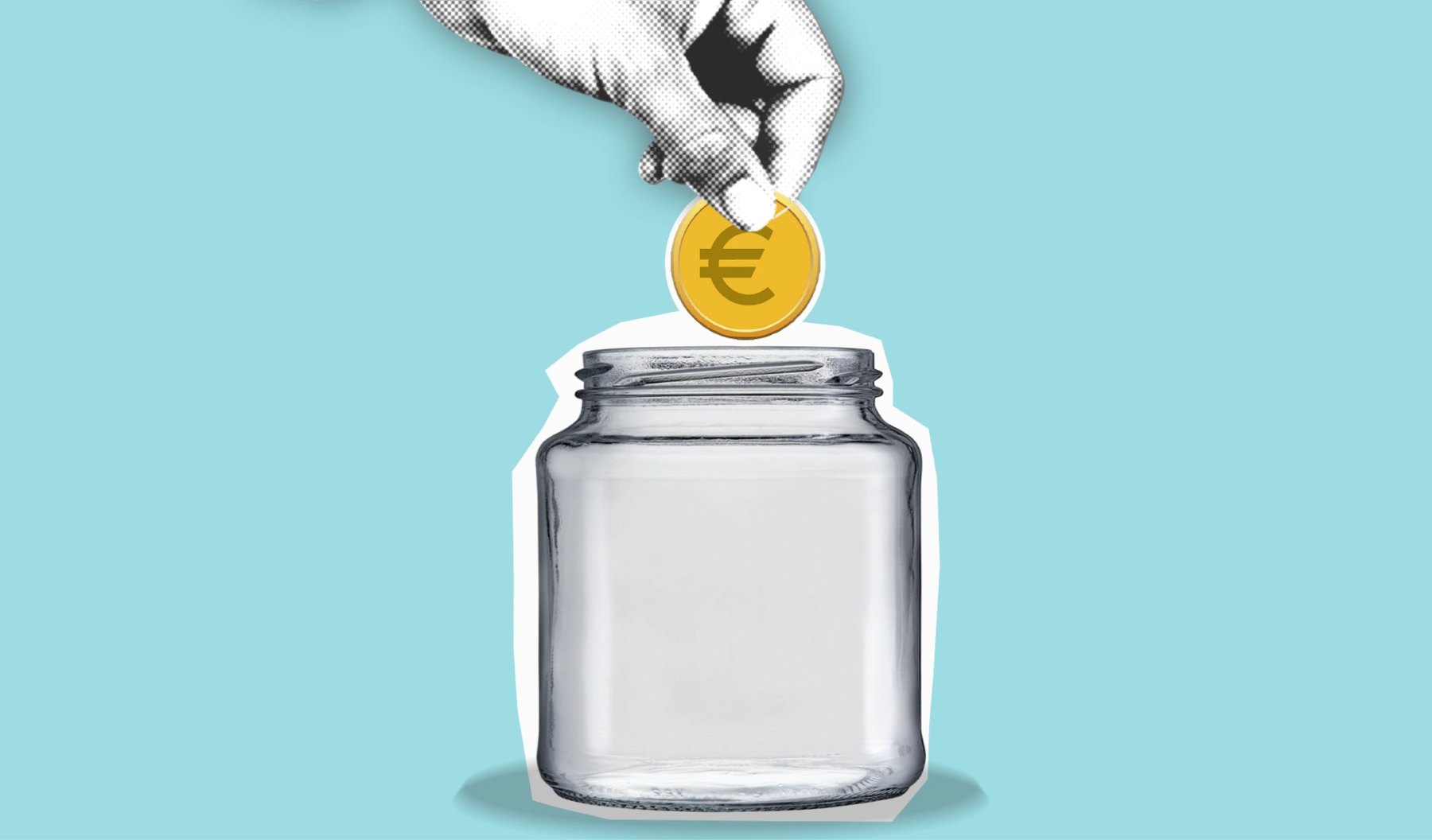
There is no single required down payment across all loans. Requirements depend on loan type, credit profile, property type, vehicle age, and lender guidelines. Still, you can use practical ranges to plan.
Home purchase ranges (planning targets)
- 0% to 3.5%: Some government backed programs allow low down payments for eligible borrowers and properties.
- 5% to 10%: Common for conventional loans, especially for first time buyers, but may involve mortgage insurance.
- 10% to 20%: Often reduces monthly costs and can improve pricing, depending on the lender.
- 20%+: Avoids private mortgage insurance on most conventional loans and increases equity cushion.
Auto purchase ranges (planning targets)
- $0 down: Sometimes available, but can increase payment and interest cost and may be harder to qualify for.
- 10% to 20%: A common target to reduce payment and lower the risk of owing more than the car is worth.
- More if rolling negative equity: If you owe more than your trade in is worth, you may need extra cash to avoid a very high loan to value.
| Purchase | Price | 5% down | 10% down | 20% down |
|---|---|---|---|---|
| Home | $350,000 | $17,500 | $35,000 | $70,000 |
| Home | $500,000 | $25,000 | $50,000 | $100,000 |
| Car | $30,000 | $1,500 | $3,000 | $6,000 |
| Car | $45,000 | $2,250 | $4,500 | $9,000 |
These figures do not include closing costs for a home, taxes and fees, or dealer add ons for a car. Those can add thousands more to the cash you need.
How a bigger down payment changes your monthly payment (real numbers)
Down payment size affects your loan amount. That flows through to your monthly payment and total interest paid. The exact payment depends on APR and term, so treat the examples as illustrations.
Home example
Assume a $400,000 home price and a 30 year fixed mortgage. Compare three down payments:
- 5% down ($20,000) loan amount about $380,000
- 10% down ($40,000) loan amount about $360,000
- 20% down ($80,000) loan amount about $320,000
Even before considering mortgage insurance, the 20% down borrower is financing $60,000 less than the 5% down borrower. At higher interest rates, that difference can materially change the payment and the interest you pay over time.
Auto example
Assume a $35,000 vehicle and a 60 month loan:
- $0 down: finance $35,000 plus taxes and fees if rolled in
- 10% down ($3,500): finance $31,500 plus taxes and fees if rolled in
- 20% down ($7,000): finance $28,000 plus taxes and fees if rolled in
For cars, a larger down payment can also reduce the chance you end up upside down, especially in the first year when depreciation is steep.
Budgeting for the full cash needed: down payment plus “extras”
A common mistake is saving only for the down payment. For homes, closing costs and prepaid items can be significant. For cars, taxes, registration, and dealer fees can add up quickly.
| Cost item | Home purchase | Auto purchase | How to plan |
|---|---|---|---|
| Down payment | Varies by loan type | Varies by lender and vehicle | Pick a target percent and a minimum floor |
| Closing costs / taxes and fees | Often 2% to 5% of price, varies by area | Sales tax, title, registration, dealer fees | Ask for a written estimate early |
| Prepaids | Insurance, escrow setup, interest, etc. | Usually not applicable | Plan extra cash beyond closing costs |
| Repairs / moving / setup | Moving, initial repairs, appliances | Maintenance, tires, initial service | Keep a buffer so you do not drain savings |
| Emergency fund impact | Higher housing payment risk | Job loss and repair risk | Avoid using every dollar you have |
Decision rules: how much to put down without draining your safety net
A larger down payment is not automatically better if it leaves you cash poor. Use these rules to balance lower debt with financial resilience.
Rule 1: Protect your emergency fund first
Many households aim for 3 to 6 months of essential expenses in an emergency fund, and sometimes more if income is variable. If a larger down payment would drop you below your minimum, consider a smaller down payment and a plan to build savings back up.
Rule 2: Target the best “breakpoints”
- Homes: 20% down can remove private mortgage insurance on many conventional loans. If you are close, compare the cost of waiting to reach 20% versus buying sooner with mortgage insurance.
- Cars: 10% to 20% down can reduce the odds of negative equity. If you are trading in a car with a loan, prioritize paying down the old loan enough to avoid rolling negative equity.
Rule 3: Do not buy points with your down payment
Some borrowers try to “solve” affordability by putting every spare dollar down. Before you do that, compare alternatives like a less expensive home or car, a longer search for better pricing, or improving credit to qualify for better terms. A smaller purchase often reduces risk more than stretching for a bigger down payment on a high price.
Rule 4: Compare the down payment to your highest interest debt
If you carry high APR credit card debt, paying it down can sometimes improve your debt to income ratio and reduce interest costs. But do not assume it will always be better than saving for a down payment. Run both scenarios: how quickly you can save, how much your monthly obligations change, and whether your credit score might improve.
Three sample savings plans with dollar amounts (that add up)
Here are concrete examples of how a buyer might allocate cash while down payments are rising. Adjust the numbers to your income, local prices, and risk tolerance.
Scenario A: First time homebuyer aiming for 10% down
Goal: Buy a $350,000 home in 18 months with 10% down.
- Down payment: $35,000
- Estimated closing costs and prepaids (range): $10,000
- Moving and initial repairs buffer: $3,000
- Emergency fund to keep untouched: $12,000
Total cash target: $35,000 + $10,000 + $3,000 + $12,000 = $60,000
Monthly savings needed (18 months): $60,000 / 18 = $3,334 per month. If that is too high, you can adjust by extending the timeline, lowering the price target, or aiming for a smaller down payment while keeping the emergency fund intact.
Scenario B: Car buyer replacing a vehicle within 6 months
Goal: Buy a $28,000 used car in 6 months and avoid being upside down.
- Down payment target (15%): $4,200
- Taxes and fees estimate: $2,300
- Immediate maintenance buffer: $500
- Emergency fund to keep: $6,000
Total cash target: $4,200 + $2,300 + $500 + $6,000 = $13,000
Monthly savings needed (6 months): $13,000 / 6 = $2,167 per month. If that is not realistic, consider a lower vehicle price, a longer timeline, or a larger trade in value.
Scenario C: Buyer close to 20% down deciding whether to wait
Goal: Buy a $450,000 home. You have $85,000 saved today and want to keep $15,000 as an emergency fund.
- Cash available for purchase: $85,000 – $15,000 = $70,000
- 20% down on $450,000 is $90,000
- Shortfall to reach 20% down: $90,000 – $70,000 = $20,000
If you estimate closing costs and prepaids at $12,000, your total shortfall becomes $32,000. You can compare two paths: buy sooner with a smaller down payment and mortgage insurance, or wait and save the additional cash. The better option depends on the payment difference, how long you expect to stay, and how stable your income is.
Timeline rules: where to keep your down payment savings
Down payment money usually has a short to medium timeline, so protecting principal matters.
Under 1 year
- Prioritize stability: high yield savings accounts, money market deposit accounts, or short term CDs.
- Avoid taking market risk that could reduce your down payment right before closing.
1 to 3 years
- Still emphasize safety, but you can compare CD ladders and Treasury bills depending on your comfort and liquidity needs.
- Match maturities to your expected purchase window.
3 to 7 years
- You may have more flexibility, but you still need a plan for volatility if you invest part of the funds.
- Consider splitting: a stable bucket for the minimum needed and a growth bucket for any extra.
7+ years
- A longer horizon can support more investment risk, but only if you can delay the purchase if markets are down.
- Keep the “must have” portion in safer accounts as your purchase date approaches.
To understand deposit insurance basics for bank accounts, you can review FDIC resources at https://www.fdic.gov/.
Loan paths to consider when cash is tight
If rising down payments are pushing your purchase out of reach, you may have options. Each has tradeoffs, so compare APR, fees, total monthly payment, and long term cost.
| Option | Best fit | What to compare | Main drawback |
|---|---|---|---|
| Conventional loan with 5% down | Borrowers with solid credit and stable income | APR, mortgage insurance cost, required reserves | Mortgage insurance can raise the payment |
| FHA loan (low down payment) | Borrowers who need more flexible qualification | APR, mortgage insurance structure, total cash to close | Mortgage insurance can last longer depending on terms |
| VA loan (if eligible) | Eligible service members, veterans, some spouses | APR, funding fee, closing costs, lender overlays | Eligibility rules apply and fees can vary |
| Down payment assistance programs | Buyers who meet local income and homebuyer rules | Repayment terms, lien position, recapture rules | Program limits and paperwork can be strict |
| Auto loan with larger down payment or shorter term | Drivers trying to avoid negative equity | APR, term length, total interest, add on products | Higher upfront cash or higher monthly payment |
How to shop lenders without wasting time
- Ask for a written Loan Estimate for mortgages so you can compare fees and APR apples to apples.
- For auto loans, get preapproved at a bank or credit union before visiting a dealer, then compare the dealer’s financing offer to your preapproval.
- Compare the total monthly payment including insurance and taxes, not just the loan payment.
For mortgage shopping basics and understanding loan costs, the CFPB has clear tools and explanations at https://www.consumerfinance.gov/.
Practical ways to build a bigger down payment faster
Saving more is not only about cutting spending. It is also about making the goal measurable and reducing expensive leaks.
Use a simple “two account” system
- Keep your emergency fund separate from your down payment fund.
- Automate transfers on payday so saving happens before discretionary spending.
Lower your debt to free monthly cash flow
- Paying down high APR debt can free cash for saving and may improve your debt to income ratio.
- Focus on one balance at a time while making minimums on the rest.
Reduce the purchase price target strategically
- For homes, consider a smaller footprint, a different neighborhood, or a condo or townhome if it fits your needs.
- For cars, consider a reliable used model, fewer trim upgrades, and avoiding long loan terms that increase interest cost.
Watch for costly add ons
- For auto purchases, carefully review dealer add ons and optional products. Ask for an itemized out the door price.
- For mortgages, compare lender fees and third party costs, and ask what can and cannot change.
If you run into suspicious fees or misleading sales tactics, the FTC’s consumer resources can help you recognize common red flags: https://consumer.ftc.gov/.
Checklists: what to do before you commit
Homebuyer down payment checklist
- Know your target home price range and down payment percent.
- Estimate closing costs and prepaids and add them to your cash goal.
- Keep an emergency fund separate and do not count it as down payment money.
- Check your credit reports for errors and address them early.
- Get at least two to three loan quotes and compare APR and fees.
Car buyer down payment checklist
- Set a maximum out the door price, not just a monthly payment target.
- Get a preapproval and bring it to the dealer for comparison.
- Plan for taxes, registration, and insurance changes.
- Avoid rolling negative equity if possible, or bring cash to cover the gap.
- Choose a term length that fits your budget without stretching too far.
You can get free copies of your credit reports at https://www.annualcreditreport.com/ and review them before applying for any major loan.
Common mistakes when down payments rise
- Using every dollar you have: A purchase can bring surprise costs. Leaving yourself no buffer can create stress and missed payments.
- Ignoring total cash to close: Especially for homes, closing costs can be a deal breaker if you only saved for the down payment.
- Shopping by monthly payment only: Longer terms can hide the true cost. Compare total interest and the time you will be in debt.
- Assuming you must hit 20%: For some buyers, buying with less down and a solid budget can be reasonable. For others, waiting reduces risk. Compare both paths with numbers.
- Not verifying program details: Down payment assistance can help, but terms vary. Confirm whether it is a grant, a forgivable loan, or a repayable second lien.
Bottom line
When down payments are rising, the best response is a clear plan: estimate the full cash needed, protect your emergency fund, and compare loan options based on APR, fees, and long term cost. Use a timeline based savings strategy, run a few realistic scenarios, and shop multiple offers so you can choose terms that fit your budget and risk level.


