

Fast Food Chicken Prices: What You Pay, Why It Changes, and How to Spend Less

Fast food chicken prices can feel unpredictable, especially when a sandwich, nuggets, and a drink suddenly cost as much as a casual meal. The good news is that you can usually lower your cost per meal with a few repeatable tactics: comparing price per ounce, choosing the right combo structure, using app deals carefully, and setting a weekly food budget that fits your cash flow.
Contents
28 sections
-
Why chicken menu prices keep changing
-
Fast food chicken prices: how to compare value across chains
-
Step 1: Compare the right unit
-
Step 2: Separate "entrée price" from "meal price"
-
Step 3: Watch the add-ons
-
Step 4: Check the deal structure
-
Named chain examples and what to compare
-
What "value" looks like with real numbers
-
Example meal caps
-
Scenario A: You buy fast food chicken 2 times per week
-
Scenario B: You feed a family once per week with a bucket or bundle
-
Scenario C: You are trying to stop "small orders" from becoming big spending
-
Budgeting checklist: keep fast food from breaking your week
-
How to use apps and rewards without overspending
-
Decision rules by timeline: what to do if food costs are squeezing your budget
-
Under 1 year: stabilize your weekly cash flow
-
1 to 3 years: reduce "default" spending
-
3 to 7 years: align habits with bigger goals
-
7+ years: protect long-term flexibility
-
If you are using credit to cover meals, address it early
-
Practical "spend less" moves that still feel like fast food
-
Use a standard order
-
Split meals strategically
-
Skip the drink most of the time
-
Be careful with delivery
-
How to sanity-check prices in your area (without chasing outdated lists)
-
Where to find trustworthy money tools if rising prices are stressing your budget
-
Quick recap: a simple system for managing fast food chicken costs
This guide breaks down what drives chicken menu pricing, how to compare value across chains without relying on outdated numbers, and how to make a realistic plan if fast food is a regular part of your routine.
Why chicken menu prices keep changing
Chicken is not priced like a fixed product. Even when the menu looks the same, your final cost can change week to week because of:
- Wholesale chicken costs – feed costs, processing capacity, and supply disruptions can move input prices.
- Labor and operating costs – wages, scheduling, and training affect what it costs to run a store.
- Rent and local overhead – the same chain can charge more in high rent areas.
- Portion size and product changes – a “new” sandwich may be larger, smaller, or use a different cut.
- Promotions and app pricing – some deals are app-only, time-limited, or require minimum spend.
- Franchise pricing – many locations set prices independently within brand guidelines.
If you want a neutral benchmark for food inflation trends, you can look at the Consumer Price Index categories from the Bureau of Labor Statistics. For broader budgeting and consumer protection tools, the CFPB has practical resources at consumerfinance.gov.
Fast food chicken prices: how to compare value across chains
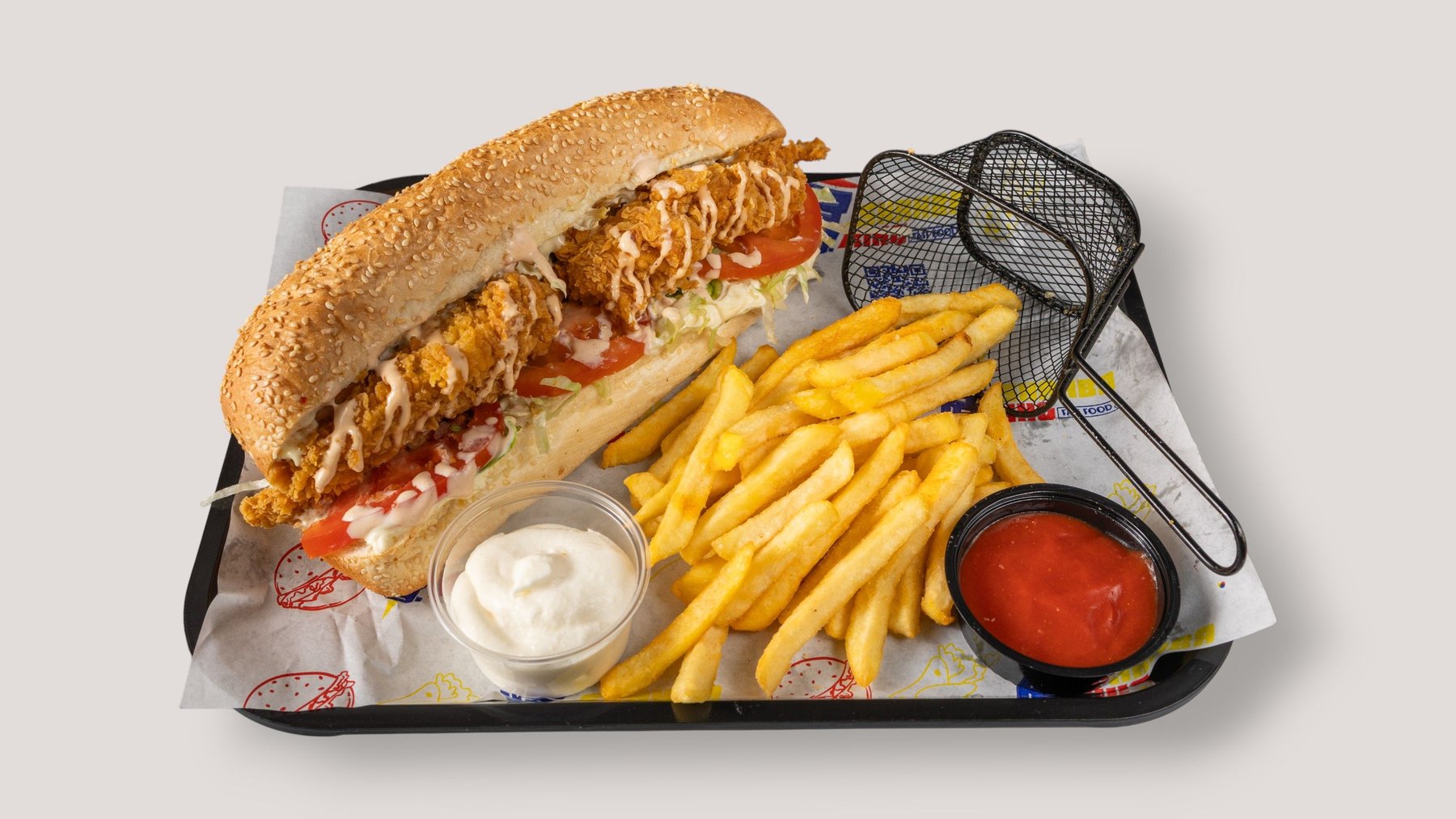
Because prices vary by city and even by neighborhood, the most useful comparison is not “Which chain is cheapest?” but “Which item gives me the most food and satisfaction per dollar in my area?” Use these steps:
Step 1: Compare the right unit
- Price per piece for tenders and wings.
- Price per ounce if the app lists weights or if you can estimate portion size consistently.
- Price per 100 calories if you are trying to stay full on a budget (not a nutrition recommendation, just a fullness proxy).
Step 2: Separate “entrée price” from “meal price”
A chicken sandwich might look affordable until you add fries and a drink. If you usually buy a full meal, compare meal totals. If you often skip sides, compare entrée-only.
Step 3: Watch the add-ons
Cheese, bacon, premium sauces, and larger sizes can quietly add 20% to 50% to the total. If you are comparing chains, compare the same build.
Step 4: Check the deal structure
Some “$X off” offers require a minimum spend or exclude combos. Others are only valid once per day. The best deal is the one you can actually use without buying extra items you did not plan to buy.
Named chain examples and what to compare
These are recognizable fast food chicken options that many people compare. Availability and pricing vary by location, so use them as a checklist of what to evaluate in your own area.
| Option (chain) | Best fit | What to compare | Main drawback to watch |
|---|---|---|---|
| Chick-fil-A | Consistent sandwich quality | Sandwich vs meal pricing, add-on costs, app rewards | Meal totals can climb quickly with sides and drinks |
| Popeyes | Value-focused sandwiches and pieces | Limited-time deals, combo structure, piece counts | Promotions vary widely by location |
| KFC | Family meals and buckets | Cost per piece in buckets, side portions, coupon offers | Great for groups, less efficient for solo orders |
| Wingstop | Wings and tenders with flavor variety | Cost per wing, sauce upcharges, delivery fees | Delivery and service fees can erase value |
| Raising Cane’s | Simple tender combos | Cost per tender, combo sizing, drink and side swaps | Limited menu means fewer low-cost customization options |
| McDonald’s | Nuggets and app deals | Nugget count pricing, app-only offers, bundle deals | Deal availability can change daily |
| Wendy’s | Nuggets and value menu strategies | Bundle pricing, add-on costs, app rewards | Value depends heavily on current promos |
What “value” looks like with real numbers
Instead of chasing a single “cheapest chain,” build a simple rule: decide your maximum cost per meal, then choose the item that fits that cap without relying on impulse add-ons.
Example meal caps
- Solo lunch cap: $8 to $10
- Solo dinner cap: $10 to $14
- Family quick meal cap: $30 to $45 (varies by household size)
Scenario A: You buy fast food chicken 2 times per week
If your average meal is $12 and you go twice weekly:
- $12 x 2 = $24 per week
- $24 x 4.33 weeks per month (average) = about $104 per month
If you reduce the average to $9 by using a consistent order and skipping extras:
- $9 x 2 = $18 per week
- $18 x 4.33 = about $78 per month
That is roughly $26 per month of breathing room you can redirect to groceries, savings, or debt payments.
Scenario B: You feed a family once per week with a bucket or bundle
Suppose a family meal runs $40 weekly:
- $40 x 4.33 = about $173 per month
If you use a coupon, app bundle, or pickup instead of delivery and bring it down to $32:
- $32 x 4.33 = about $139 per month
That is about $34 per month difference, without changing the habit.
Scenario C: You are trying to stop “small orders” from becoming big spending
If you often start with a $6 sandwich and add a $4 side and a $3 drink, your “$6 meal” becomes $13. A simple rule is: pick two, not three. For example, sandwich + water, or tenders + side, but not all three unless it fits your cap.
Budgeting checklist: keep fast food from breaking your week
Use this checklist before you order. It is designed to reduce regret spending without requiring perfection.
| Checkpoint | Quick question | Decision rule | What to do if “no” |
|---|---|---|---|
| Meal cap | Do I know my max total for this meal? | Set a dollar cap before opening the app | Choose entrée-only or a smaller combo |
| Deal fit | Does the deal match what I already planned? | Only use deals that reduce your planned order | Skip the deal and order your standard item |
| Delivery fees | Am I paying extra fees and tips? | If fees add 20%+, consider pickup | Switch to pickup or cook at home |
| Add-ons | Am I adding extras out of habit? | Limit to 0 to 1 paid add-on | Remove premium toppings and upsizes |
| Frequency | Is this within my weekly limit? | Pick a weekly number (ex: 1 to 3) | Swap one visit for groceries or leftovers |
How to use apps and rewards without overspending
Rewards can help, but they can also nudge you to buy more often. Keep it simple:
- Turn off push notifications if they trigger impulse orders.
- Use one “default order” that fits your meal cap, then only deviate when a deal truly lowers the total.
- Watch minimum spend requirements that push you into buying sides you did not want.
- Compare pickup vs delivery. Delivery fees, service fees, and tips can change the economics fast.
Decision rules by timeline: what to do if food costs are squeezing your budget
If fast food chicken prices are rising in your area, the best response depends on how long you need relief and what else is happening in your finances.
Under 1 year: stabilize your weekly cash flow
- Set a weekly fast food limit (example: $25 per week) and track it like a bill.
- Replace 1 fast food meal per week with a grocery option you will actually eat (rotisserie chicken, frozen tenders, or simple sandwiches).
- Use pickup to avoid delivery fees when possible.
1 to 3 years: reduce “default” spending
- Build a repeatable grocery list that covers 6 to 10 quick meals per week.
- Price out your top 3 orders and identify the biggest cost driver (drink, side, delivery, add-ons).
- Consider a separate “eating out” account or envelope so the category cannot quietly expand.
3 to 7 years: align habits with bigger goals
- If you are paying down high-interest debt, redirect a consistent amount (even $20 to $50 per month) from eating out to your payoff plan.
- Automate savings on payday so food spending does not take the first bite.
7+ years: protect long-term flexibility
- Focus on sustainable routines rather than extreme cutbacks that rebound later.
- Keep an emergency fund target in mind (often 3 to 6 months of essential expenses) so rising everyday costs do not lead to expensive borrowing.
If you are using credit to cover meals, address it early
It is common for small purchases to end up on a credit card during tight months. If you notice fast food becoming a “bridge” between paychecks, use a two-part approach:
- Short-term: set a realistic weekly cap and switch to the lowest-friction alternatives (pickup, water instead of a drink, entrée-only).
- Monthly: review your statement and total up food delivery and fast food spending. Many people underestimate it until they see the number.
If you are dealing with billing disputes, unwanted subscriptions, or confusing charges from delivery platforms, the FTC has consumer guidance at consumer.ftc.gov.
Practical “spend less” moves that still feel like fast food
Use a standard order
Pick one order that you enjoy and that fits your cap. Repetition reduces decision fatigue and impulse add-ons.
Split meals strategically
If portions are large, consider splitting fries or sharing a larger nugget or tender order. Your cost per person may drop compared to two separate combos.
Skip the drink most of the time
Drinks can be one of the highest-margin items. If you keep a bottle of water in the car or bring a drink from home, you can often lower the total without feeling like you “ate less.”
Be careful with delivery
Delivery can be convenient, but it can also add multiple layers of cost. A simple rule: if delivery adds more than 20% to the total, treat it as a premium service and use it only when it replaces a more expensive alternative.
How to sanity-check prices in your area (without chasing outdated lists)
- Check the chain’s app for your nearest location and build the same cart each time (same entrée, same side, same size).
- Record the total once per month in a note on your phone. You will spot trends quickly.
- Compare at least 3 nearby locations if you have options. Small distance changes can mean different franchise pricing.
Where to find trustworthy money tools if rising prices are stressing your budget
- For budgeting and debt resources, explore tools and articles at consumerfinance.gov.
- To understand how deposit insurance works for your emergency fund, see the FDIC at fdic.gov.
- If you are reviewing your credit after a tough period, you can get your reports at annualcreditreport.com.
Quick recap: a simple system for managing fast food chicken costs
- Set a meal cap and a weekly limit before you order.
- Compare meal totals, not just entrée prices.
- Use deals only when they reduce what you already planned to buy.
- Watch delivery fees and add-ons, since they often drive the biggest jumps.
- Track one “standard cart” monthly to see real price changes in your area.
With a few consistent rules, you can still enjoy fast food chicken while keeping the category from quietly taking over your budget.


