

Gas vs. Electric Heat: Which Is Cheaper

Gas vs. electric heat cost is one of the biggest factors in choosing a heating system, but the cheapest option depends on your fuel prices, your equipment efficiency, and how your home holds heat.
Contents
26 sections
-
What "cheaper" really means for home heating
-
Gas vs. electric heat cost: the quick math you can use
-
Step 1: Find your local energy prices
-
Step 2: Identify your heating equipment type and efficiency
-
Step 3: Use a simple "cost per unit of heat" comparison
-
Example with real numbers
-
Heating options compared (with named examples)
-
What drives the cost difference most
-
1) Your local utility rates and rate structure
-
2) Your home's heat loss (insulation and air leaks)
-
3) Ductwork condition and design
-
4) Climate and temperature swings
-
5) Upfront cost, financing, and payback timeline
-
Real-number scenarios: what this looks like on a monthly budget
-
Decision rules you can use (fast)
-
Checklist: questions to ask before you choose
-
How to compare quotes without getting lost
-
Ways to lower heating costs regardless of fuel
-
Low-cost moves
-
Medium to higher impact upgrades
-
If you need to pay for a heating upgrade: budgeting and financing rules
-
Timeline decision rules
-
Three sample household allocations (with dollar amounts)
-
Common mistakes that make the "cheaper" system cost more
-
Where to find trustworthy help and avoid scams
-
Bottom line: how to pick the cheaper option for your home
This guide breaks down how to compare costs using simple math, what to ask installers and utilities, and when a heat pump can beat a gas furnace. You will also see real-number scenarios so you can estimate your own monthly and seasonal heating costs.
What “cheaper” really means for home heating
When people ask which is cheaper, they often mean one of three things:
- Lower monthly bill in winter.
- Lower total cost over time including purchase, installation, maintenance, and repairs.
- Lower risk of bill spikes when fuel prices change.
A fair comparison usually looks at both operating cost (fuel and electricity) and ownership cost (equipment and upkeep). If you are deciding between replacing a furnace, installing a heat pump, or adding supplemental heat, you want a side-by-side view of:
- Your local gas price per therm and electricity price per kWh
- Equipment efficiency (AFUE for furnaces, HSPF2 or COP for heat pumps)
- How cold your winters get and how long the heating season lasts
- Your home’s insulation, air sealing, windows, and duct condition
Gas vs. electric heat cost: the quick math you can use
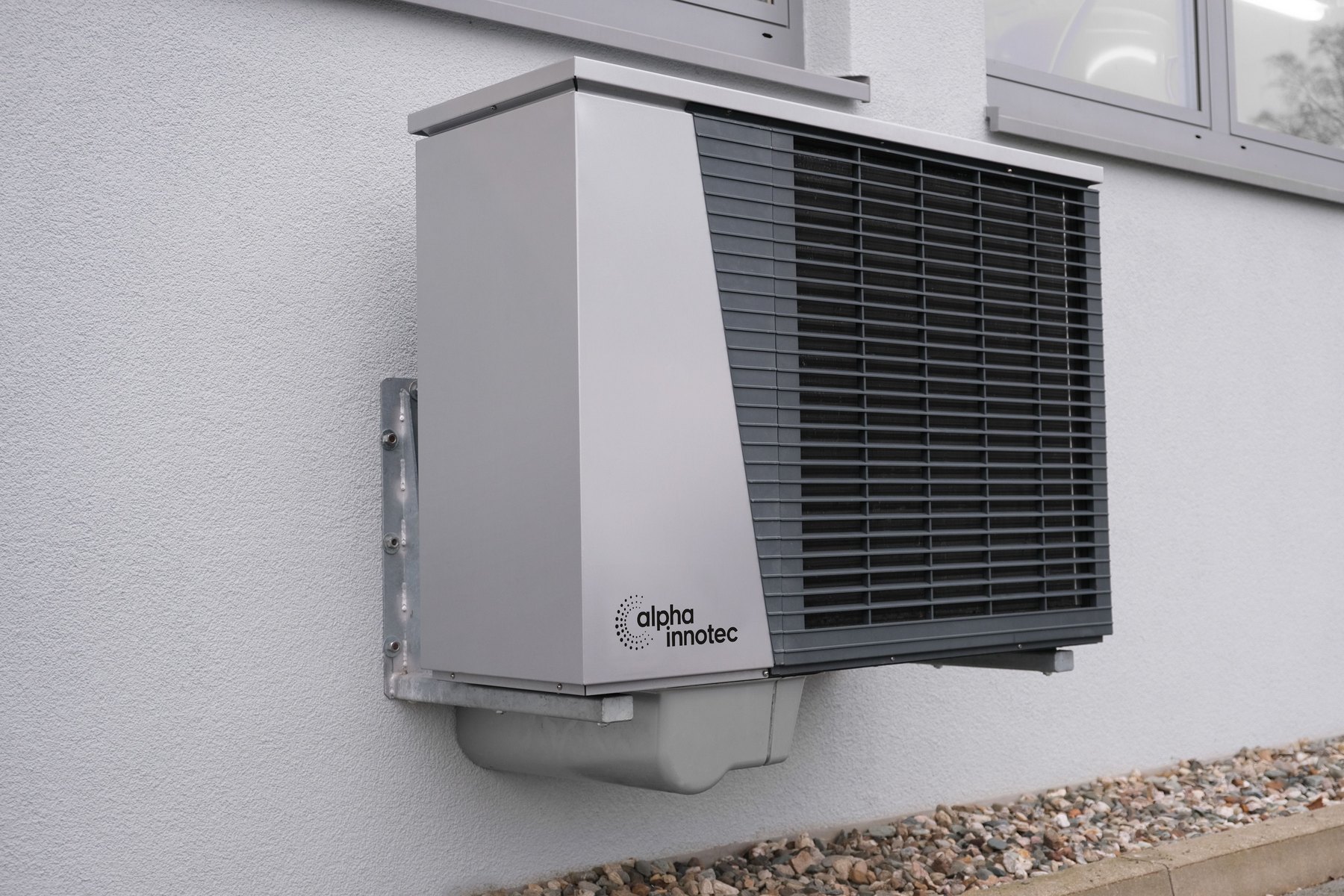
You do not need perfect engineering calculations to get a useful estimate. You need a consistent way to compare the cost of heat delivered into your home.
Step 1: Find your local energy prices
- Electricity: look at your bill for the price per kWh. If you have time-of-use pricing, note on-peak and off-peak rates.
- Natural gas: look at your bill for the price per therm (or per CCF). Include delivery charges if your bill separates them.
If you do not have a recent bill, your utility’s rate page can help. For broad context on household energy use, see the U.S. Energy Information Administration: https://www.eia.gov/energyexplained/use-of-energy/homes.php.
Step 2: Identify your heating equipment type and efficiency
- Gas furnace: efficiency is typically listed as AFUE (for example, 80% or 95%). Higher AFUE means more of the gas becomes usable heat.
- Electric resistance heat (baseboards, electric furnace, space heaters): close to 100% efficient at converting electricity to heat, but electricity can be expensive per unit of heat.
- Heat pump (air-source or ground-source): moves heat instead of creating it. Efficiency varies by outdoor temperature. HSPF2 is a seasonal rating; COP is a point-in-time measure.
Step 3: Use a simple “cost per unit of heat” comparison
Here is a practical shortcut:
- 1 therm of natural gas contains about 100,000 BTU of energy.
- 1 kWh of electricity contains about 3,412 BTU of energy.
Gas furnace delivered heat cost (rough):
Cost per 100,000 BTU delivered = (gas price per therm) / (AFUE)
Electric resistance delivered heat cost (rough):
Cost per 100,000 BTU delivered = (electric price per kWh) x (100,000 / 3,412)
Since 100,000 / 3,412 is about 29.3, you can estimate:
Electric resistance cost per 100,000 BTU = (electric price per kWh) x 29.3
Heat pump delivered heat cost (rough):
Heat pumps deliver more heat than the electricity they use. A simple way is to divide the electric resistance cost by the heat pump’s average COP. If average COP is 2.5, heat is roughly 2.5 times “cheaper” than resistance at the same kWh price.
Example with real numbers
Assume:
- Electricity: $0.16 per kWh
- Natural gas: $1.60 per therm
- Gas furnace: 95% AFUE
- Heat pump average COP: 2.5 (varies by climate and model)
Gas furnace: $1.60 / 0.95 = about $1.68 per 100,000 BTU delivered
Electric resistance: $0.16 x 29.3 = about $4.69 per 100,000 BTU delivered
Heat pump: $4.69 / 2.5 = about $1.88 per 100,000 BTU delivered
In this example, a high-efficiency gas furnace is slightly cheaper than a heat pump for delivered heat, and both beat electric resistance by a wide margin. If electricity is cheaper, gas is more expensive, or the heat pump performs better in your climate, the result can flip.
Heating options compared (with named examples)
Below are recognizable equipment brands and system types you may see in quotes. These are examples to help you compare features and costs. Availability and model performance vary by region, installer, and specific product line.
| Option (examples) | Best fit | What to compare | Main drawback |
|---|---|---|---|
| High-efficiency gas furnace (Trane, Carrier, Lennox) | Homes with gas service and cold winters | AFUE, venting needs, warranty terms, installed price, maintenance plan | Gas price volatility; may need chimney or new venting |
| Cold-climate air-source heat pump (Mitsubishi Electric, Daikin, Fujitsu) | Moderate to cold climates, especially with good insulation | HSPF2, low-temp capacity, COP at 5°F and 17°F, backup heat type | Efficiency drops in extreme cold; may rely on backup heat |
| Standard air-source heat pump (Rheem, Goodman) | Mild to moderate climates | HSPF2, SEER2, installed ductwork condition, defrost strategy | May struggle in very cold snaps without supplemental heat |
| Electric resistance (Cadet baseboards, electric furnace) | Small spaces, occasional use, low upfront budget | Electric rate, zoning controls, safety features, panel capacity | Often the highest operating cost |
| Hybrid dual-fuel (heat pump + gas furnace) (Carrier, Trane) | Areas with cold winters and mixed fuel pricing | Changeover temperature settings, gas AFUE, heat pump HSPF2, controls | Higher upfront complexity and installation cost |
What drives the cost difference most
1) Your local utility rates and rate structure
Two homes with the same equipment can have very different bills if one pays $0.12 per kWh and the other pays $0.28 per kWh. If you have time-of-use rates, a smart thermostat strategy or pre-heating during cheaper hours can matter. Ask your utility whether you can choose a different plan and what the tradeoffs are.
2) Your home’s heat loss (insulation and air leaks)
Before spending heavily on new equipment, it can be worth pricing the “hidden” heating upgrade: reducing heat loss. Air sealing and attic insulation often improve comfort and can reduce the size of the system you need.
Decision rule: if some rooms are always cold or you feel drafts, prioritize air sealing and insulation checks before upsizing equipment.
3) Ductwork condition and design
Leaky or poorly insulated ducts in an attic or crawl space can waste a meaningful share of your heat. Heat pumps can be especially sensitive to airflow and duct sizing. If you are switching from gas to a heat pump using existing ducts, ask for a duct evaluation and static pressure test.
4) Climate and temperature swings
Heat pumps are most cost-competitive when outdoor temperatures are moderate. In very cold weather, many heat pumps use backup heat (often electric resistance), which can raise costs. Cold-climate models can reduce this issue, but performance still depends on conditions and installation quality.
5) Upfront cost, financing, and payback timeline
A system that is cheaper to run may cost more to install. If you finance the upgrade, the monthly payment can offset some or all of the utility savings. Ask for quotes that separate:
- Equipment cost
- Labor
- Electrical panel upgrades (if needed)
- Ductwork modifications
- Permits
- Rebates and tax credits you may qualify for
When comparing financing offers, focus on APR, fees, term length, and whether the payment is fixed. If you are using a credit card or promotional financing, confirm what happens when the promo period ends.
Real-number scenarios: what this looks like on a monthly budget
Heating costs vary widely, but you can still build a useful budget model. Below are three sample scenarios using a simplified assumption that a home needs 50 therms worth of delivered heat in a colder month (about 5 million BTU delivered). Your home could be lower or higher based on size, insulation, and weather.
| Scenario | Rates and efficiency | Estimated cost for 5 million BTU delivered | What it suggests |
|---|---|---|---|
| A: Gas-friendly pricing | $1.40/therm, 95% AFUE; $0.18/kWh; heat pump COP 2.4 | Gas: about $74; Heat pump: about $110; Resistance: about $264 | Gas likely cheaper than heat pump for winter heating |
| B: Electricity-friendly pricing | $2.20/therm, 90% AFUE; $0.12/kWh; heat pump COP 2.7 | Gas: about $122; Heat pump: about $52; Resistance: about $176 | Heat pump can be much cheaper than gas |
| C: Very cold snap risk | $1.70/therm, 95% AFUE; $0.20/kWh; heat pump COP averages 2.2 but uses 25% resistance backup | Gas: about $89; Heat pump blended: about $152 | Backup heat can change the math in extreme cold |
How the estimates were built (simplified): 5 million BTU delivered is 50 therms delivered. Gas therms needed = delivered therms / AFUE. Heat pump kWh needed depends on COP. These are planning numbers, not a substitute for a full load calculation.
Decision rules you can use (fast)
- If you have high electric rates and low gas rates, a high-efficiency gas furnace often wins on operating cost.
- If you have moderate electric rates and expensive gas, a heat pump can be cheaper, especially in mild to moderate climates.
- If you rely on electric resistance as primary heat, look hard at air sealing, insulation, and whether a heat pump is feasible.
- If your winters are cold and you want flexibility, a dual-fuel system can let you switch based on which fuel is cheaper at the time.
Checklist: questions to ask before you choose
| Topic | Question to ask | Why it matters |
|---|---|---|
| Utility rates | What is my all-in cost per kWh and per therm, including delivery? | Supply charges alone can understate true cost |
| Equipment sizing | Will you do a Manual J load calculation? | Oversizing can reduce comfort and efficiency |
| Heat pump cold performance | What capacity and COP does this model deliver at 17°F and 5°F? | Shows how it performs when you need it most |
| Backup heat | What is the backup heat type and when does it turn on? | Resistance backup can raise costs in cold snaps |
| Ductwork | Will you test ducts for leakage and static pressure? | Bad ducts can erase efficiency gains |
| Electrical panel | Do I need a panel or service upgrade? | Upgrades can change the total project cost |
| Rebates and credits | Which rebates apply, and what paperwork is required? | Incentives can shift the break-even point |
How to compare quotes without getting lost
If you get multiple bids, make them comparable:
- Ask each contractor to quote the same capacity range and efficiency tier.
- Request the model numbers, not just brand names.
- Compare warranty length and what is included (parts, labor, compressor, heat exchanger).
- Ask about maintenance requirements and typical service costs.
- Confirm whether permits, disposal of old equipment, and thermostat upgrades are included.
If you are financing, compare the total cost of financing, not just the monthly payment. Look for origination fees, deferred interest terms, and whether there is a prepayment penalty.
Ways to lower heating costs regardless of fuel
Low-cost moves
- Set a schedule: lower the setpoint when sleeping or away.
- Replace or clean filters on schedule.
- Seal obvious air leaks around doors and windows.
- Use ceiling fans on low in winter to circulate warm air.
Medium to higher impact upgrades
- Add attic insulation and air sealing.
- Seal and insulate ducts in unconditioned spaces.
- Upgrade to a smart thermostat if your system supports it.
- Consider zoning or ductless mini-splits for hard-to-heat areas.
If you need to pay for a heating upgrade: budgeting and financing rules
Heating replacements can be a large expense. A practical approach is to match how you pay with how long the equipment will serve you.
Timeline decision rules
- Under 1 year: prioritize cash flow and safety. If the system is failing, get multiple quotes and ask about repair vs. replace. Avoid stretching a short-term need into a long, expensive loan if you can use savings or a short payoff plan.
- 1 to 3 years: consider a shorter-term fixed-rate option if you must finance, and focus on total interest and fees. Compare contractor financing to a bank or credit union personal loan.
- 3 to 7 years: this is often where a higher-efficiency system can make sense if the monthly payment and expected utility savings fit your budget. Use conservative savings estimates.
- 7+ years: think in total cost of ownership. Maintenance, repair risk, and energy price swings matter more. If you plan to move sooner, weigh resale value and buyer preferences in your area.
Three sample household allocations (with dollar amounts)
These examples show how a household might plan for a $9,000 HVAC project without assuming any specific approval or savings outcome.
- Allocation 1 (more cash, less financing): $5,000 from savings + $3,000 from a 12-month payoff plan + $1,000 utility rebate = $9,000
- Allocation 2 (balanced): $2,500 from savings + $5,500 fixed-rate loan + $1,000 tax credit or rebate (verify eligibility) = $9,000
- Allocation 3 (rebate-dependent, cautious): $3,000 from savings + $6,000 financing = $9,000, then apply any rebates received later to principal or rebuild savings
If you are using rebates or tax credits in your plan, confirm the requirements and timing. For federal tax credit information, start with the IRS: https://www.irs.gov/.
Common mistakes that make the “cheaper” system cost more
- Comparing equipment efficiency but ignoring rates. A great heat pump in an area with very high kWh prices may still cost more to run than gas.
- Skipping load calculations. Oversized systems can short-cycle, reduce comfort, and waste energy.
- Ignoring duct problems. Leaks and poor airflow can raise costs for any forced-air system.
- Assuming space heaters are a cheap primary solution. They can be useful for spot heating, but whole-home resistance heat is often expensive.
- Financing based on monthly payment only. APR, fees, and term length can change the total cost significantly.
Where to find trustworthy help and avoid scams
If you are comparing financing offers or dealing with home improvement sales pressure, it helps to know your rights and what to watch for. The FTC has practical guidance on avoiding common consumer scams and misleading sales tactics: https://consumer.ftc.gov/. For broader consumer finance tools and complaint options, you can also use the CFPB: https://www.consumerfinance.gov/.
Bottom line: how to pick the cheaper option for your home
To decide between gas and electric heat, start with your real utility rates, then compare delivered heat cost using your equipment’s efficiency. In many areas, electric resistance is the most expensive way to heat a whole home, while a heat pump can be competitive or cheaper than gas depending on electricity prices and winter temperatures. If you want the most reliable answer, get a load calculation, compare at least three itemized quotes, and run the numbers using conservative assumptions.


