

Leaving Smaller Tips Trend: What It Means for Your Budget and Service Costs

The leaving smaller tips trend is showing up everywhere – coffee counters, delivery apps, salons, and even self-checkout screens. If you feel tip fatigue, you are not alone. At the same time, tipping is still a meaningful part of pay for many service workers, so changing your habits can feel awkward. This guide breaks down what is driving the shift, how to set a tipping plan that fits your budget, and how to handle tip prompts without overspending.
Contents
30 sections
-
Why the leaving smaller tips trend is happening
-
Where tipping still matters most (and where it is optional)
-
How tip prompts change your spending (with real numbers)
-
Example 1: Restaurant meals
-
Example 2: Coffee and quick-service
-
Example 3: Delivery
-
A simple tipping plan that protects your budget
-
Step 1: Pick a monthly "tip budget"
-
Step 2: Create your default rules
-
Step 3: Decide what you will do when money is tight
-
Decision rules by timeline: when tipping changes your debt plan
-
Under 1 year: stabilize cash flow
-
1 to 3 years: reduce expensive debt faster
-
3 to 7 years: balance goals
-
7+ years: optimize without stress
-
Scripts for handling tip screens without awkwardness
-
Fees, surcharges, and automatic gratuity: what to check
-
When smaller tips can signal a bigger money problem
-
Decision rule: if you carry a balance, cap percentage tips
-
Real-number monthly budgets: three sample tip plans
-
Plan A: Tight budget, paying down debt (Tip budget: $40/month)
-
Plan B: Moderate budget, balanced goals (Tip budget: $90/month)
-
Plan C: Higher convenience spending (Tip budget: $160/month)
-
Alternatives to tipping more: ways to support workers without blowing your budget
-
How tipping connects to borrowing and credit decisions
-
If you are using credit to cover food and convenience
-
If you are trying to build an emergency fund
-
Quick checklist: choose a tip confidently in 10 seconds
-
Helpful resources for consumers
-
Bottom line: smaller tips can be intentional, not awkward
Why the leaving smaller tips trend is happening
Several forces are pushing consumers to tip less often or tip smaller amounts:
- Higher everyday prices: When groceries, rent, and utilities rise, discretionary spending (including tips) is usually the first place people cut.
- More tip requests in more places: Digital checkout screens have expanded tipping into settings that historically did not involve tips, such as retail counters or takeout pickup.
- Confusion about what is “normal” now: Suggested tips of 20%, 25%, or 30% can make people feel pressured, especially when service is minimal.
- Service fees and surcharges: Some restaurants and delivery platforms add fees that look like tips but are not always paid to workers. That can reduce what customers choose to tip.
- Budgeting behavior is changing: Many people are moving to cash-flow based budgeting and cutting variable categories to avoid carrying credit card balances.
Where tipping still matters most (and where it is optional)
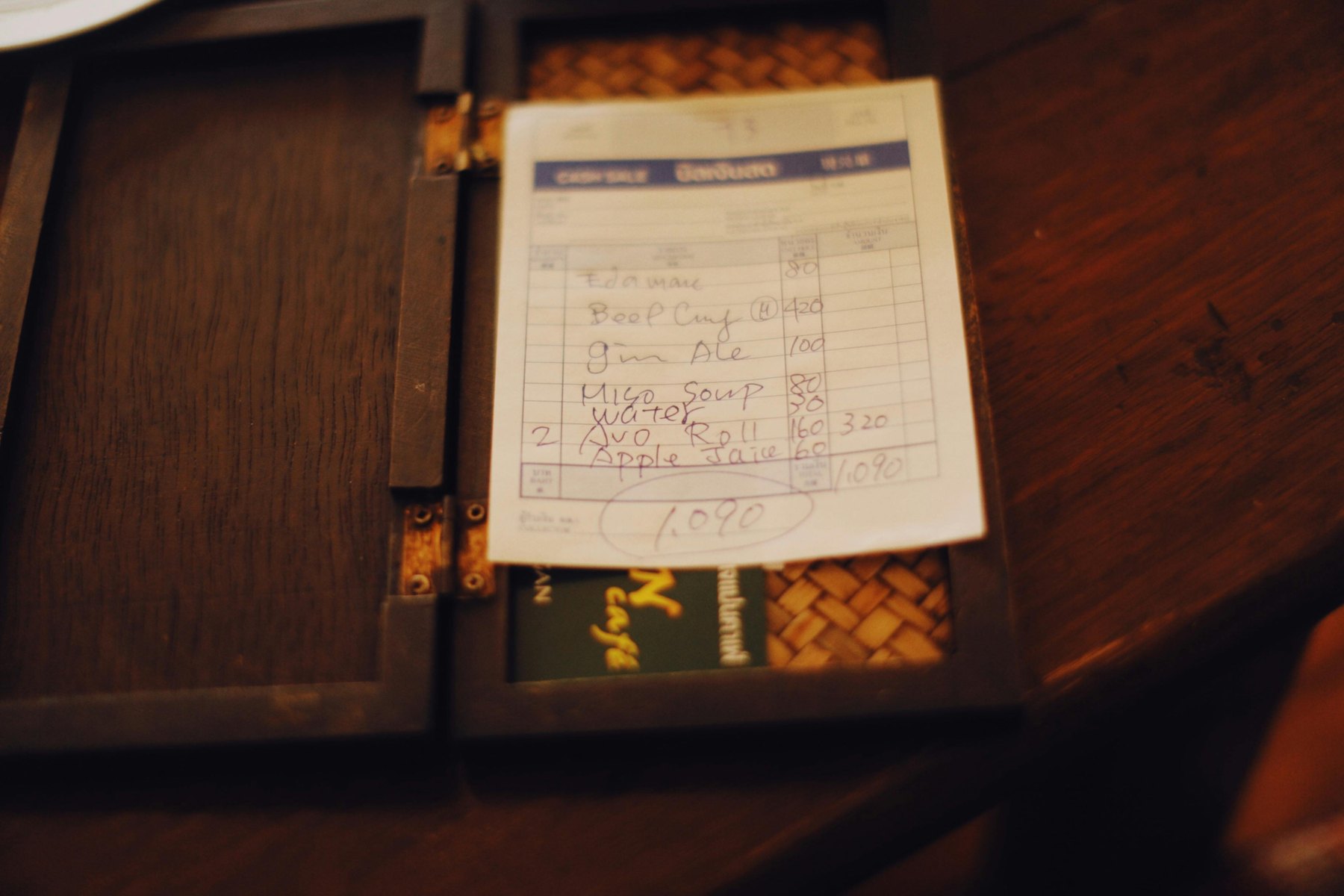
Not all tips are equal in impact. In some jobs, tips are a core part of compensation. In others, tipping is more of a courtesy. Use this as a practical starting point, then adjust for your local norms and the level of service.
| Situation | Common expectation | Typical range | When to consider tipping more |
|---|---|---|---|
| Sit-down restaurant (server) | Often expected | 15% to 20% of pre-tax bill | Large party, exceptional service, long table time |
| Delivery (food, groceries) | Often expected | $3 to $10+ depending on distance and size | Bad weather, heavy items, long drive, stairs |
| Bar (drinks) | Often expected | $1 to $2 per drink or 15% to 20% | Complex cocktails, attentive service |
| Haircut, salon services | Often expected | 15% to 20% | Time-intensive service, last-minute appointment |
| Taxi or rideshare | Common but varies | 0% to 15% | Help with bags, extra stops, great driving |
| Coffee counter or quick-service | Optional | $0 to $2 | Large order, special requests, regular spot |
| Takeout pickup | Optional | $0 to 10% | Catering-size order, lots of packaging, special timing |
How tip prompts change your spending (with real numbers)
Tip screens are designed to increase the average tip. The difference between 15% and 25% looks small on one purchase, but it adds up across a month.
Example 1: Restaurant meals
Suppose you eat out 4 times per month and your average pre-tax bill is $60.
- 15% tip: $9 each, $36 per month
- 20% tip: $12 each, $48 per month
- 25% tip: $15 each, $60 per month
Moving from 25% to 15% saves $24 per month, or $288 per year, without changing how often you eat out.
Example 2: Coffee and quick-service
Say you buy coffee 12 times per month at $6 each. A $1 tip each time is $12 per month. If you switch to tipping $0.50 or tipping only when you order a complicated drink, you could cut that in half.
Example 3: Delivery
If you place 6 delivery orders per month and tip $7 each, that is $42. Dropping to $5 each saves $12 per month. Another lever is ordering less often or bundling orders to reduce fees and tip frequency.
A simple tipping plan that protects your budget
Instead of deciding from scratch every time, set a plan. A plan reduces pressure and helps you tip consistently when it matters most.
Step 1: Pick a monthly “tip budget”
Start with what you can afford after essentials and debt payments. Many people do well with a fixed dollar amount that covers restaurants, delivery, and personal services.
Step 2: Create your default rules
- Restaurants: Choose a default percentage (for example, 15% to 20% pre-tax) and adjust for service quality.
- Delivery: Use a base tip (for example, $4 to $6) and add for distance, weather, or heavy items.
- Quick-service: Tip small or only sometimes (for example, $0 to $1) if your budget is tight.
- Self-service kiosks: It is reasonable to select “No tip” if there is no personal service.
Step 3: Decide what you will do when money is tight
If you are cutting tips because your budget is strained, consider pairing smaller tips with fewer tipped transactions. For example, pick up takeout instead of delivery, or cook at home one extra night per week.
Decision rules by timeline: when tipping changes your debt plan
Tipping is a cash-flow decision. If you are carrying high-interest debt, small recurring costs can slow your payoff. Use these timeline rules to decide how strict to be.
Under 1 year: stabilize cash flow
- If you are behind on bills or using credit cards for basics, set a firm tip budget and avoid delivery and frequent dining out.
- Use lower defaults (for example, 15% at restaurants, small fixed tips for delivery).
- Prioritize essentials and minimum debt payments first.
1 to 3 years: reduce expensive debt faster
- If you are paying down credit cards, consider trimming discretionary categories including tips to free up extra principal payments.
- Keep tipping consistent in situations where workers rely on tips, but reduce frequency of dining out and delivery.
3 to 7 years: balance goals
- If you are building an emergency fund and saving for a home or car, keep a stable tip plan and avoid tip creep from high suggested percentages.
- Use a default percentage and ignore the screen suggestions when they exceed your plan.
7+ years: optimize without stress
- If you are on track with retirement and savings, you can choose to tip more for convenience or values, but still watch for hidden fees and automatic gratuities.
- Consider directing extra generosity to places you frequent and where service quality is consistently high.
Scripts for handling tip screens without awkwardness
Tip prompts can feel like a public test. Having a simple response helps you stick to your plan.
- If the screen flips toward you: “Thanks.” Then select your planned option calmly.
- If someone is watching: Focus on your budget rule, not the suggested buttons. You do not need to explain.
- If you want to tip but not the suggested amount: Use “Custom” and enter your number.
- If there is a service fee: Ask, “Does this fee go to staff, or is it separate from tips?”
Fees, surcharges, and automatic gratuity: what to check
One reason the leaving smaller tips trend is accelerating is that customers see more add-ons at checkout. Before you tip, scan the receipt or order summary for:
- Automatic gratuity: Often added for large parties. If it is already included, you may choose to add extra only for exceptional service.
- Service charge: May or may not go to employees. It can cover operations, benefits, or wages depending on the business.
- Delivery fees and platform fees: These usually are not tips. They can be substantial, which affects what customers feel they can add on top.
| Checkout line item | What it often means | What to do | Common pitfall |
|---|---|---|---|
| Tip | Extra paid to staff | Use your planned amount | Letting suggested buttons set your budget |
| Gratuity included | Tip already added | Confirm percentage and decide if extra is needed | Double-tipping without realizing it |
| Service charge | Business fee, may not be a tip | Ask where it goes if unclear | Assuming staff receives it |
| Delivery fee | Logistics fee, often not paid to driver | Separate from tip decision | Thinking the driver is already covered |
| Processing fee | Card cost recovery | Factor into total cost of convenience | Underestimating true cost of ordering out |
When smaller tips can signal a bigger money problem
If you are tipping less because you are stretched, it can be a useful warning light. Consider these checkpoints:
- You are using credit cards for food or gas. Tips are not the root issue, but trimming them can help you stop adding to balances.
- You avoid checking your bank balance. A fixed tip budget can reduce surprise spending.
- You are paying interest every month. Even $50 to $150 per month in discretionary spending can matter when redirected to high-interest debt.
Decision rule: if you carry a balance, cap percentage tips
If you are paying credit card interest, consider using a lower default percentage (like 15%) and reducing delivery frequency. You can revisit higher tips when your cash flow improves.
Real-number monthly budgets: three sample tip plans
Below are sample allocations that show what tipping could look like with real numbers. Adjust for your income, cost of living, and how often you use tipped services.
Plan A: Tight budget, paying down debt (Tip budget: $40/month)
- 2 restaurant meals at $50 each, 15% tip = $15 total
- 2 deliveries, $5 tip each = $10
- Coffee tips, $0.50 x 10 = $5
- Buffer for one extra small tip = $10
Total: $15 + $10 + $5 + $10 = $40
Plan B: Moderate budget, balanced goals (Tip budget: $90/month)
- 4 restaurant meals at $60 each, 18% tip = $43.20
- 4 deliveries, $6 tip each = $24
- Salon or barber once, 20% on $60 = $12
- Coffee tips, $1 x 10 = $10
Total: $43.20 + $24 + $12 + $10 = $89.20
Plan C: Higher convenience spending (Tip budget: $160/month)
- 6 restaurant meals at $75 each, 20% tip = $90
- 6 deliveries, $8 tip each = $48
- Salon once, 20% on $80 = $16
- Miscellaneous tips (valet, coffee, etc.) = $6
Total: $90 + $48 + $16 + $6 = $160
Alternatives to tipping more: ways to support workers without blowing your budget
If you want to be fair but need to control spending, focus on choices that reduce the number of tipping moments or lower the base cost.
- Pick up instead of delivery: You may avoid delivery fees and can tip a smaller amount if you choose.
- Dine out less often, tip better when you do: Fewer transactions can make room for a more comfortable tip on the occasions you choose.
- Use cash for tips: Some people find cash makes the cost more visible and helps them stick to a monthly cap.
- Watch for automatic gratuity: Avoid accidental double-tipping.
How tipping connects to borrowing and credit decisions
Tips are small, but they are frequent. Frequent spending can influence whether you rely on credit cards, buy now pay later, or short-term borrowing to bridge gaps.
If you are using credit to cover food and convenience
- Start by tracking one month of dining, delivery, and tips.
- Set a combined cap for “eating out plus tips” rather than trying to micromanage each tip screen.
- Redirect the difference to your highest-interest balance first.
If you are trying to build an emergency fund
Consider moving the money you save from reduced tips into a separate savings bucket. If you keep it in checking, it is easy to spend it elsewhere.
To learn how deposit insurance works for bank accounts, you can review FDIC basics at FDIC.gov.
Quick checklist: choose a tip confidently in 10 seconds
- Is this a job where tips are a major part of pay (server, delivery, salon)?
- Is there already a gratuity or service charge included?
- What is my default for this situation (percent or flat amount)?
- Did anything justify adjusting up or down (weather, heavy items, poor service)?
- Will this purchase push me over my monthly cap?
Helpful resources for consumers
- For general consumer guidance and complaint options related to financial products, visit ConsumerFinance.gov.
- For avoiding scams and understanding common consumer issues, see FTC Consumer Advice.
- To check your credit reports for free, use AnnualCreditReport.com.
Bottom line: smaller tips can be intentional, not awkward
The leaving smaller tips trend is largely a response to higher costs and more frequent tip requests. You can respond by setting a monthly tip budget, using simple default rules, and checking for fees that change what “fair” looks like. When you tip with a plan, you protect your cash flow and reduce the chance that convenience spending spills into credit card debt.


