

Make What You Buy Last Longer

To make what you buy last longer, you do not need fancy tools or a huge budget – you need a few repeatable habits that protect your money every month.
Contents
39 sections
-
Why durability matters for your budget and borrowing
-
Make what you buy last longer with a simple 3-part system
-
1) Protect it (right away)
-
2) Maintain it (small, scheduled tasks)
-
3) Repair it (before you replace it)
-
Buy it for the second owner: durability checklist before you pay
-
Decision rule: pay more only when it lowers your cost per year
-
Maintenance routines that prevent the most expensive replacements
-
Car and tires
-
Home systems and appliances
-
Phones and laptops
-
Repair-first money rules: when to fix vs replace
-
The 30% rule (quick screening)
-
The "known good years" rule
-
The safety and reliability rule
-
How warranties, extended warranties, and purchase protection really help
-
Manufacturer warranty basics
-
Extended warranties and protection plans
-
Budgeting with real numbers: a "replacement sinking fund" that reduces debt risk
-
Step 1: list your top replacement risks
-
Step 2: pick a monthly amount and keep it separate
-
Three sample allocations (adds up correctly)
-
Timeline decision rules: how long should you plan to keep the item?
-
Financing a replacement: compare options without overpaying
-
Where to learn more about credit costs and protections
-
Smart shopping tactics that reduce regret
-
Use the "pause and plan" checklist
-
Look for parts and manuals before you buy
-
Keep a "household inventory" for expensive items
-
Quick wins by category
-
Clothes
-
Kitchen gear
-
Furniture
-
A simple monthly checklist to keep replacements from sneaking up
-
Putting it together: a practical plan for the next 30 days
-
Week 1: protect your biggest purchases
-
Week 2: set maintenance reminders
-
Week 3: build your repair-first toolkit
-
Week 4: fund the next replacement before it happens
When a phone breaks early, a couch sags fast, or a car repair hits at the worst time, the cost is not just the replacement. It can also mean using a credit card, taking a buy now pay later plan, or stretching your budget until payday. The goal of this guide is simple: help you get more years out of the things you already own and make smarter choices when you do need to buy again.
Why durability matters for your budget and borrowing
Replacing items early can quietly raise your cost of living. That can show up as:
- More revolving debt when you put replacements on a credit card and carry a balance.
- More payment plans when you use installment offers for basics like tires, appliances, or electronics.
- Less savings because you are always catching up instead of building a buffer.
A durable-first approach helps you smooth out expenses. You will still have repairs and replacements, but they become planned events instead of emergencies.
Make what you buy last longer with a simple 3-part system
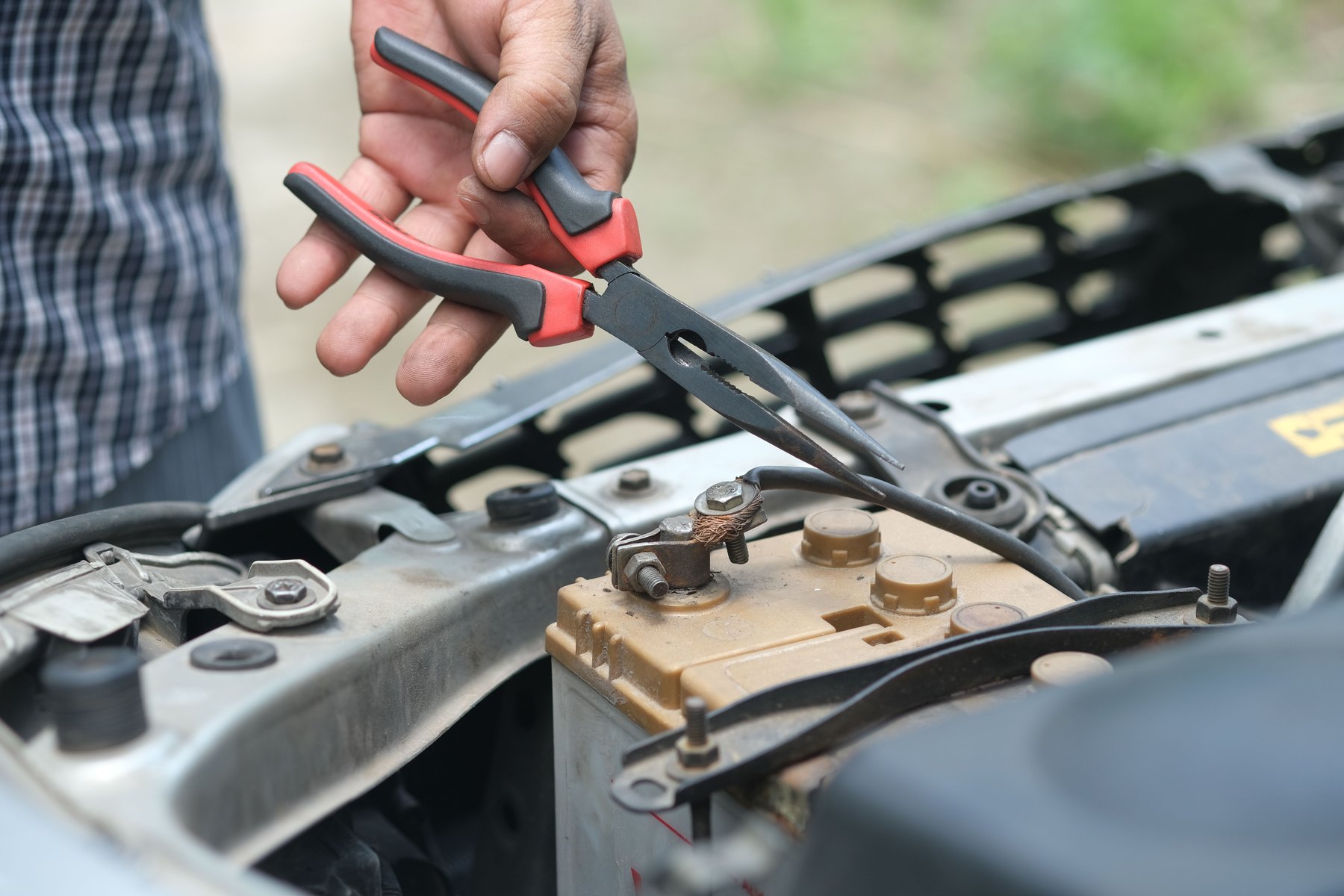
This system works for almost anything you own: clothes, appliances, cars, electronics, furniture, and tools.
1) Protect it (right away)
- Read the care label or manual once and note the top 3 “do not” rules.
- Use the right basics: surge protector for electronics, microfiber cloth for screens, felt pads for furniture, correct detergent for fabrics.
- Set up the environment: keep heat, moisture, and sunlight in check. Many items fail faster in damp basements, hot garages, or direct sun.
2) Maintain it (small, scheduled tasks)
Maintenance is cheaper when it is boring. Put recurring reminders on your phone for the items that cost the most to replace.
- Monthly: vacuum refrigerator coils if accessible, clean dryer lint trap every load, check HVAC filter.
- Quarterly: deep clean shoes, condition leather, clean dishwasher filter, inspect power cords.
- Seasonally: rotate mattress, clean gutters, test smoke and CO alarms, check car tire pressure.
3) Repair it (before you replace it)
Many “broken” items are one part away from working again. A repair-first habit can reduce impulse replacements.
- Start with the simplest fix: cleaning, tightening, resetting, replacing a filter, or swapping a battery.
- Price the part, not the whole item. A $15 belt or gasket can save a $400 replacement.
- Use local repair shops for quotes on higher-cost items. Even if you do not repair, you get a reality check on whether replacement is worth it.
Buy it for the second owner: durability checklist before you pay
A good rule is to buy as if you will resell it later. Items that hold value tend to be easier to maintain and repair.
| Category | What to look for | What to avoid | Quick test in the store |
|---|---|---|---|
| Appliances | Replaceable filters, common parts, clear warranty terms | Hard-to-find parts, sealed components, unclear service options | Search the model number + “replacement parts” on your phone |
| Electronics | Good case options, replaceable accessories, strong update support | Fragile designs, proprietary chargers, no repair network | Check if screen protectors and cases are widely available |
| Furniture | Solid wood or quality plywood, removable cushions, replaceable covers | Stapled-only frames, thin particle board, non-removable cushions | Lift one side: very light can signal weak materials |
| Clothing | Reinforced seams, heavier fabric, spare buttons, washable materials | Loose threads, thin fabric in high-wear areas | Stretch seams gently and look for gaps or puckering |
| Tools | Replaceable batteries, available parts, solid warranty | One-off battery systems, no parts support | Check if replacement batteries are easy to buy |
Decision rule: pay more only when it lowers your cost per year
Instead of focusing on sticker price, compare cost per year.
- If a $60 pair of shoes lasts 1 year, that is $60 per year.
- If a $120 pair lasts 3 years, that is $40 per year.
Also factor in comfort, repairability, and the chance you will actually maintain it. The “best value” is the item you will use and care for.
Maintenance routines that prevent the most expensive replacements
If you only have time for a few habits, focus on the categories that can trigger large, urgent purchases.
Car and tires
- Tire pressure: check monthly. Underinflation can wear tires faster and reduce fuel economy.
- Oil changes: follow the schedule in your manual. Keep records for resale value.
- Fluids and filters: replacing a filter is usually cheaper than fixing what dirty air or fluid can damage.
Home systems and appliances
- HVAC filters: a clogged filter can strain the system and raise energy use.
- Dryer vent: lint buildup is a performance and safety issue. Clean the lint trap every load and check the vent path.
- Water leaks: small leaks can destroy floors, cabinets, and drywall. Fix quickly.
Phones and laptops
- Battery health: avoid constant heat. Do not leave devices baking in a car.
- Protection: a case and screen protector can be cheaper than one repair.
- Storage: keep some free space so the device runs smoothly and updates install correctly.
Repair-first money rules: when to fix vs replace
Use these rules to make faster decisions without overthinking.
The 30% rule (quick screening)
If the repair costs less than about 30% of the replacement cost and the item is otherwise in good shape, repairing is often worth pricing out.
The “known good years” rule
Ask: if I repair this, how many more years will I likely get?
- If a $120 repair likely buys 3 more years, that is $40 per year.
- If a $120 repair likely buys 6 months, replacement may be more practical.
The safety and reliability rule
Some items should not be patched repeatedly if failure creates safety risks or major damage. Examples: critical car components, electrical hazards, water leaks that can cause mold or structural damage. In those cases, prioritize a qualified repair or replacement plan.
How warranties, extended warranties, and purchase protection really help
Warranties can reduce surprise costs, but only if you understand what is covered and what is excluded.
Manufacturer warranty basics
- Save receipts and model numbers. A photo in a folder works.
- Register products when it is required for coverage.
- Know common exclusions like accidental damage, misuse, and normal wear.
Extended warranties and protection plans
These can make sense for certain high-cost items with expensive repairs, but compare:
- Total plan cost
- Deductibles and service fees
- Coverage limits and exclusions
- Repair vs replacement terms
Also check whether your credit card includes purchase protection or extended warranty benefits for eligible purchases. Read the benefit guide so you know the claim window and documentation needed.
Budgeting with real numbers: a “replacement sinking fund” that reduces debt risk
Making things last longer works best when paired with a small monthly fund for repairs and replacements. This can reduce the chance you rely on high-interest credit when something breaks.
Step 1: list your top replacement risks
Most households have a few big-ticket categories: car repairs, tires, phone replacement, appliance repair, and a laptop or tablet.
Step 2: pick a monthly amount and keep it separate
Many people use a savings account for this. If you are choosing where to keep cash, you can review how deposit insurance works through the FDIC: https://www.fdic.gov/.
Three sample allocations (adds up correctly)
These examples show what it can look like with real numbers. Adjust based on your household, car age, and how often you replace electronics.
| Monthly budget | Car and tires | Home and appliances | Phones and electronics | Clothing and shoes | Total |
|---|---|---|---|---|---|
| $50 | $20 | $15 | $10 | $5 | $50 |
| $150 | $60 | $45 | $30 | $15 | $150 |
| $300 | $130 | $90 | $55 | $25 | $300 |
Timeline decision rules: how long should you plan to keep the item?
- Under 1 year: prioritize low total cost and reliability. Avoid long financing terms for items you may replace soon.
- 1 to 3 years: look for durability and easy resale. A slightly higher upfront cost can be reasonable if it reduces repairs.
- 3 to 7 years: prioritize repairability, parts availability, and strong warranty support.
- 7+ years: focus on maintainability and standard components. Plan for periodic repairs as part of ownership.
Financing a replacement: compare options without overpaying
Sometimes replacement cannot wait. If you need to finance, compare total cost and flexibility. Pay attention to APR, fees, repayment term, and what happens if you miss a payment.
| Option | Best fit | What to compare | Main drawback |
|---|---|---|---|
| Credit card | Smaller purchases you can pay off quickly | APR, grace period, promo APR if any, fees | High interest if you carry a balance |
| 0% promo APR card (if eligible) | Planned payoff within promo window | Promo length, go-to APR after, balance transfer fees | Interest can jump after promo ends |
| Personal loan from a bank or credit union | Larger replacement with fixed payments | APR, origination fee, term length, prepayment policy | Interest cost over time; approval depends on credit and income |
| Retailer installment plan | Appliances or electronics with clear terms | APR, deferred interest rules, late fees | Deferred interest can be costly if not paid on time |
| Buy now pay later | Short-term split payments for smaller items | Late fees, autopay rules, return handling | Easy to stack multiple plans and lose track |
Where to learn more about credit costs and protections
- Consumer Financial Protection Bureau: https://www.consumerfinance.gov/
- FTC consumer guidance: https://consumer.ftc.gov/
Smart shopping tactics that reduce regret
Use the “pause and plan” checklist
- What problem am I solving?
- How often will I use it each week?
- Where will it be stored?
- What is the maintenance routine?
- What is the likely failure point and is it repairable?
Look for parts and manuals before you buy
Search the model number online and see if you can easily find:
- Owner’s manual PDF
- Replacement filters, belts, batteries, or screens
- Local service options
Keep a “household inventory” for expensive items
A simple note on your phone can help with warranty claims and insurance documentation. Include purchase date, store, model number, and a photo of the receipt.
Quick wins by category
Clothes
- Wash cold when possible and avoid over-drying.
- Air dry elastic items to reduce heat damage.
- Learn two basic repairs: sewing a button and fixing a small seam.
Kitchen gear
- Keep knives sharp. Dull knives cause accidents and damage cutting boards.
- Do not overheat nonstick pans. Use medium heat and avoid metal utensils.
Furniture
- Rotate cushions and vacuum crevices to reduce grit that wears fabric.
- Use coasters and felt pads to prevent water rings and scratches.
A simple monthly checklist to keep replacements from sneaking up
| Task | Time | What it helps prevent | Notes |
|---|---|---|---|
| Check tire pressure | 10 minutes | Premature tire wear, poor handling | Use the door-jamb PSI, not the tire max |
| Change or inspect HVAC filter | 5 minutes | HVAC strain, higher bills | Set a calendar reminder |
| Clean phone charging port and case | 5 minutes | Charging failures, overheating | Use gentle tools and avoid liquids |
| Review sinking fund balance | 5 minutes | Emergency credit card use | Adjust monthly amount if needed |
Putting it together: a practical plan for the next 30 days
Week 1: protect your biggest purchases
- Add a surge protector where needed.
- Buy or replace a phone case and screen protector if yours is worn out.
- Put felt pads under furniture that moves.
Week 2: set maintenance reminders
- Create 3 recurring reminders: tire pressure, HVAC filter, and one appliance filter.
- Make a photo album for receipts and model numbers.
Week 3: build your repair-first toolkit
- Basic screwdriver set, pliers, tape measure, flashlight.
- For clothes: needle, thread, spare buttons.
Week 4: fund the next replacement before it happens
- Pick a monthly sinking fund amount and automate it.
- If you use credit, review your credit reports for accuracy at https://www.annualcreditreport.com/.
Over time, these habits can reduce the frequency of urgent replacements and give you more control over when and how you spend, especially when a big purchase would otherwise push you toward debt.


