

Do New Windows Increase Home Value?

New windows increase home value most when they solve clear problems buyers notice – drafts, noise, visible rot, hard-to-open sashes, or outdated looks – and when the price you pay is reasonable for your neighborhood.
Contents
31 sections
-
How much can new windows add to home value?
-
Do new windows increase home value in every market?
-
What appraisers and buyers look for
-
Signals that can support a higher offer
-
Red flags that can reduce value
-
Cost vs value: a practical ROI framework
-
Step 1: Estimate your all-in project cost
-
Step 2: Estimate resale payback as a range
-
Step 3: Add "non-resale" value you care about
-
Real-number examples: when window replacement makes financial sense
-
Example 1: Selling soon (under 1 year)
-
Example 2: Staying 1 to 3 years
-
Example 3: Staying 7+ years
-
Timeline decision rules: under 1 year, 1 to 3 years, 3 to 7 years, 7+ years
-
Under 1 year (pre-sale)
-
1 to 3 years
-
3 to 7 years
-
7+ years
-
New windows and energy efficiency: what to expect
-
How to pay for new windows without overextending your budget
-
Common ways homeowners fund window replacement
-
Three realistic budget scenarios (with numbers that add up)
-
How to choose windows that support resale value
-
Resale-forward checklist
-
Full-frame vs insert replacement
-
Common mistakes that reduce ROI
-
How to protect yourself when hiring a window contractor
-
Bid comparison checklist
-
Will new windows help with refinancing or a home equity loan?
-
Quick decision guide: should you replace your windows?
-
Bottom line
In many markets, window replacement is a “partial payback” project. That means you may not get every dollar back at resale, but you can still come out ahead when you combine resale value with comfort, lower maintenance, and potential energy savings. The goal is to avoid over-improving and to choose windows that match the home’s price point.
How much can new windows add to home value?
Most homeowners should think in ranges, not guarantees. A common rule of thumb is that window replacement may return a portion of its cost at resale, often somewhere around 40% to 80% depending on your local market, the type of windows, and the condition of the old ones. In some situations, the “value” is less about a higher appraised number and more about selling faster or avoiding price reductions after inspection.
What actually moves value:
- Condition and functionality: Broken seals, foggy panes, rotted frames, stuck windows, and water intrusion can drag down offers. Fixing these can protect value.
- Energy and comfort signals: Buyers like “newer mechanicals” and efficient features, but they still compare your home to nearby listings.
- Curb appeal: Windows are a big visual element. Consistent style and clean trim can make the house feel updated.
- Documentation: Transferable warranties, permits (if required), and receipts can reduce buyer uncertainty.
Do new windows increase home value in every market?
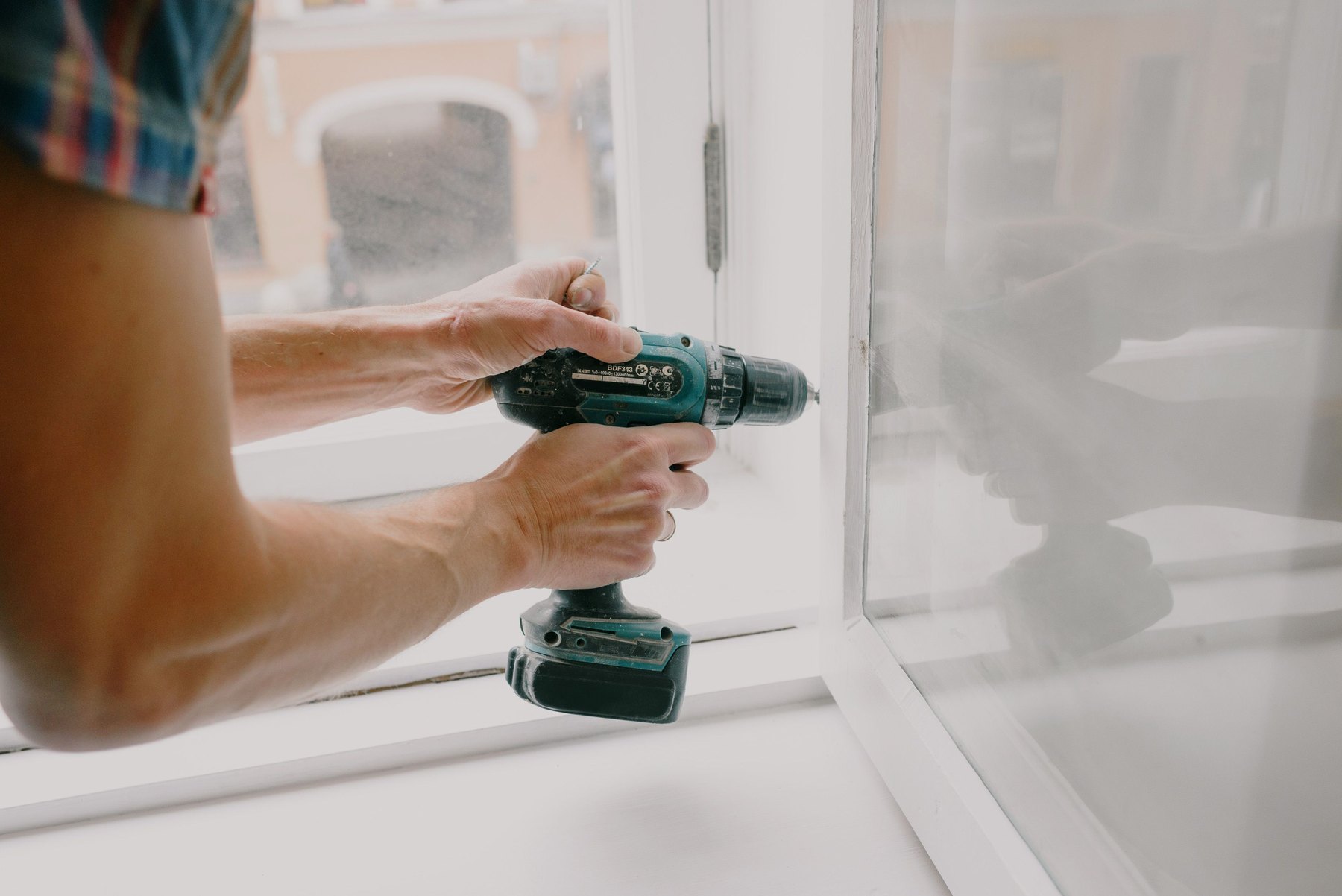
Not always. The same window project can have very different results depending on neighborhood pricing, buyer expectations, and how much you spend.
New windows tend to help more when:
- Your current windows are visibly failing or create inspection issues (rot, leaks, broken glass).
- Comparable homes nearby have updated windows and yours look dated.
- You choose a midrange product that fits the home’s value.
- You also address air sealing, trim, and exterior paint so the project looks complete.
New windows may help less when:
- Your existing windows are in good shape and the upgrade is mostly for efficiency.
- You choose premium custom windows in a modest neighborhood.
- You replace only a few windows and the rest still look old, creating a mismatched appearance.
What appraisers and buyers look for
Appraisers typically value homes by comparing recent sales. They may note window condition and quality, but the biggest driver is still what similar homes sold for. Buyers, on the other hand, react emotionally and practically. They notice drafts during showings, street noise, and whether windows open smoothly.
Signals that can support a higher offer
- Uniformity: Same style and finish throughout the home.
- Quality installation: Straight lines, clean caulk, no gaps, no water staining.
- Safety and egress: Bedrooms with proper egress windows where required.
- Noise reduction: Especially near busy roads.
Red flags that can reduce value
- Visible condensation between panes (failed seals).
- Soft or rotted wood around frames.
- Water intrusion or mold around sills.
- DIY installs that look uneven or unpermitted work where permits are required.
Cost vs value: a practical ROI framework
Instead of asking “Will I get my money back?” use a decision rule that combines resale payback and years of enjoyment.
Step 1: Estimate your all-in project cost
- Window units (vinyl, fiberglass, wood, composite)
- Installation labor
- Trim, paint, and repairs (rot remediation can add cost)
- Permits (if required)
- Disposal and cleanup
Step 2: Estimate resale payback as a range
Example range approach:
- Conservative: 40% of cost
- Middle: 60% of cost
- Optimistic: 80% of cost
Step 3: Add “non-resale” value you care about
- Comfort (draft reduction, fewer hot and cold spots)
- Noise reduction
- Lower maintenance (no scraping and painting old wood storms)
- Potential energy savings (varies widely by climate and existing window condition)
| Project scenario | All-in cost | Possible resale payback (40% to 80%) | What makes it worth it |
|---|---|---|---|
| Replace 10 builder-grade windows with midrange vinyl | $8,000 to $15,000 | $3,200 to $12,000 | Old windows drafty or failing, neighborhood expects updates |
| Replace 20 windows including some custom sizes | $18,000 to $40,000+ | $7,200 to $32,000 | Major condition issues or high-end market where quality matters |
| Replace 4 windows in visible front elevation only | $3,000 to $7,000 | $1,200 to $5,600 | Curb appeal boost, but mismatch risk if others look old |
Real-number examples: when window replacement makes financial sense
Below are simplified examples to show how the math can look. Your results depend on your climate, utility rates, home size, and what you replace.
Example 1: Selling soon (under 1 year)
Situation: You plan to list in 6 months. Your windows have visible rot and two panes are fogged.
- All-in cost: $12,000
- Likely benefit: fewer inspection objections and a cleaner showing experience
- Resale payback range (40% to 80%): $4,800 to $9,600
Decision rule: If the current windows are likely to trigger price reductions, repair requests, or buyer hesitation, replacing or repairing the worst windows can be a defensive move. If the windows are simply older but functional, consider targeted repairs and cosmetic improvements instead.
Example 2: Staying 1 to 3 years
Situation: You expect to move in 2 years. Your windows are functional but drafty.
- All-in cost: $10,000
- Estimated annual energy savings: $150 to $400 (varies widely)
- 2-year savings: $300 to $800
- Resale payback range: $4,000 to $8,000
Decision rule: If you are staying only a couple years, prioritize projects that clearly show (curb appeal, obvious defects). For drafts, air sealing, weatherstripping, and storm windows may be a lower-cost alternative.
Example 3: Staying 7+ years
Situation: You plan to stay long-term and want comfort and lower maintenance.
- All-in cost: $18,000
- Estimated annual energy savings: $200 to $600
- 10-year savings: $2,000 to $6,000
- Resale payback range (whenever you sell): $7,200 to $14,400
Decision rule: Over longer timelines, it can be reasonable to accept lower resale payback if the comfort, noise reduction, and maintenance benefits matter to you.
Timeline decision rules: under 1 year, 1 to 3 years, 3 to 7 years, 7+ years
Under 1 year (pre-sale)
- Fix obvious defects first: leaks, rot, broken glass, windows that will not open.
- Consider partial replacement if only a few windows are failing, but avoid a mismatched look on the front of the home.
- Get at least 2 to 3 bids and focus on clean installation and warranty transferability.
1 to 3 years
- Prioritize projects that improve showings and reduce inspection risk.
- Compare full replacement vs targeted repairs plus air sealing.
- Keep finishes neutral and consistent with the neighborhood.
3 to 7 years
- Balance comfort and resale. Midrange windows often offer better value than premium upgrades.
- If you finance, compare the interest cost to the benefits you expect over your remaining time in the home.
7+ years
- Choose durability and maintenance level that fits your lifestyle.
- Consider noise reduction features if you work from home or live near traffic.
- Plan for long-term upkeep: caulk, exterior paint, and drainage details.
New windows and energy efficiency: what to expect
Energy savings are real for some homes, but they are not automatic. The biggest gains often come from replacing single-pane windows, fixing air leaks, and correcting poor installation. If your current windows are already double-pane and reasonably tight, the savings may be smaller.
What to compare when shopping:
- U-factor and SHGC: Lower U-factor generally means better insulation. SHGC matters in sunny climates.
- Air leakage ratings: Lower is better.
- Frame material: Vinyl, fiberglass, wood, and composites differ in cost and maintenance.
- Installation method: Full-frame replacement vs insert replacement can change performance and cost.
For background on home energy upgrades and consumer considerations, you can review consumer resources from the FTC at https://consumer.ftc.gov/.
How to pay for new windows without overextending your budget
Window projects can be paid in cash, financed, or a mix. The “best” method depends on your cash reserves, your current debt, and how stable your income is.
Common ways homeowners fund window replacement
- Cash savings: Simple and avoids interest, but keep an emergency fund.
- Home equity loan: Fixed rate and fixed term, often useful for a one-time project.
- HELOC: Revolving line of credit, can work if the project is phased. Rate may be variable.
- Cash-out refinance: Can increase your mortgage balance and reset your term. Compare total interest cost.
- 0% promotional credit card: Only works if you can pay it off before the promo ends and the contractor accepts cards.
- Contractor financing: Convenient, but compare APR, fees, and whether it is a deferred-interest offer.
| Funding option | Best fit | What to compare | Main drawback |
|---|---|---|---|
| Cash savings | Strong emergency fund and stable income | Impact on reserves, opportunity cost | Can leave you cash-poor if you spend too much |
| Home equity loan | One-time project with a clear budget | APR, closing costs, term, total interest | Uses your home as collateral |
| HELOC | Phased projects or uncertain final cost | Variable rate, draw period, repayment terms, fees | Payment can rise if rates rise |
| 0% intro APR credit card | Smaller projects you can repay quickly | Promo length, post-promo APR, transfer fees | High APR if not paid off in time |
| Contractor financing | Convenience and bundled payment | APR, deferred interest terms, origination fees | Terms can be expensive if you miss promo conditions |
Three realistic budget scenarios (with numbers that add up)
Assume a window project estimate of $12,000. Here are three ways a homeowner might structure the cost while keeping a cash cushion.
- Scenario A: Mostly cash
- $8,000 from savings
- $4,000 from a 0% intro APR card paid off in 12 months
- Total: $12,000
- Scenario B: Split with home equity
- $3,000 from savings
- $9,000 from a home equity loan
- Total: $12,000
- Scenario C: Phased approach
- $5,000 now to replace the worst 4 windows
- $7,000 later for the remaining windows (saved over time or funded with a HELOC draw)
- Total: $12,000
How to choose windows that support resale value
Resale-friendly choices are usually boring in a good way: consistent, durable, and appropriate for the home.
Resale-forward checklist
- Match the window style to the home (colonial, craftsman, mid-century, etc.).
- Avoid unusual colors or highly customized grids unless common in your neighborhood.
- Choose a reputable installer and get the warranty details in writing.
- Confirm whether permits are required in your area.
- Keep documentation for buyers: contract, paid invoice, warranty, and product specs.
Full-frame vs insert replacement
- Insert replacement can cost less and be faster, but it may not fix hidden rot or flashing issues.
- Full-frame replacement costs more but can address water management and structural problems.
Common mistakes that reduce ROI
- Overpaying for premium features that buyers do not value in your price range.
- Ignoring water issues like flashing and drainage, leading to future damage.
- Replacing windows but not sealing around the opening, leaving drafts.
- Choosing the lowest bid without checking scope, materials, and warranty.
- Not verifying contractor credentials and references.
How to protect yourself when hiring a window contractor
Because window replacement is a big-ticket home project, treat it like any other major purchase. Get multiple quotes and compare scope line by line.
Bid comparison checklist
- Exact window model and performance specs (U-factor, SHGC)
- Insert vs full-frame method
- Rot repair allowance and how change orders are handled
- Interior and exterior trim included or excluded
- Cleanup and disposal included
- Warranty coverage and whether it transfers to a buyer
- Payment schedule (avoid paying 100% upfront)
If you are paying with credit, it can help to understand how credit costs work and how to spot unfair or deceptive practices. The CFPB has consumer resources at https://www.consumerfinance.gov/.
Will new windows help with refinancing or a home equity loan?
New windows can support a stronger overall home condition, which may help during an appraisal, but they do not automatically raise an appraised value by the amount you spent. Lenders typically focus on appraised value, your credit profile, income, and existing debts.
If you are considering borrowing against home equity, it is smart to check your credit reports first so you know what lenders will see. You can get free weekly reports from https://www.annualcreditreport.com/.
Quick decision guide: should you replace your windows?
| If this is true… | Then consider… | Why |
|---|---|---|
| Windows leak, rot, or fail to open | Replace (often full-frame) or repair immediately | Protects value and reduces inspection issues |
| Windows are old but functional | Air sealing, weatherstripping, storms, targeted replacement | Lower cost path with some comfort gains |
| You plan to sell within 12 months | Fix the most visible or defective windows first | Improves showings without over-investing |
| You plan to stay 7+ years | Replace if comfort, noise, and maintenance matter | Longer time to benefit from improvements |
| Your quote seems high for your neighborhood | Get more bids and scale the project | Avoids over-improving relative to comps |
Bottom line
New windows can increase home value, but the increase is usually partial and depends heavily on your starting condition, your local market, and how much you spend. If your current windows are failing, replacement can protect value and reduce deal friction. If they are merely older, focus on cost-effective upgrades and choose windows that fit your neighborhood and your timeline.
For additional consumer guidance on home improvement claims and avoiding scams, the FTC’s consumer site is a helpful reference: https://consumer.ftc.gov/.


