

October Prime Day: Smart Ways to Pay, Save, and Avoid Debt Hangovers

October Prime Day can be a great time to buy essentials, replace aging electronics, or stock up on household items, but it can also push you into spending you did not plan for. The goal is to get real value from discounts while keeping your cash flow, credit, and debt under control.
Contents
36 sections
-
What October Prime Day is (and what it is not)
-
Common deal traps to watch for
-
October Prime Day checklist: prep before you click "Buy"
-
1) Build a "needs first" list
-
2) Set a hard spending cap tied to your cash flow
-
3) Pre-check prices and alternatives
-
4) Decide your "walk away" price
-
How to compare deals like a lender compares risk
-
Total cost questions to ask
-
A quick "deal quality" decision rule
-
Best ways to pay during October Prime Day (and what to compare)
-
BNPL: when it helps and when it hurts
-
Store promos and deferred interest: read the fine print
-
Real-number budgets: what smart October Prime Day spending looks like
-
Scenario 1: $300 sale budget for essentials
-
Scenario 2: $1,200 planned tech replacement (cash-first)
-
Scenario 3: $2,500 "home and car" upgrade (mixed payment, low risk)
-
Decision rules by timeline: when to pay cash vs finance
-
Under 1 year
-
1 to 3 years
-
3 to 7 years
-
7+ years
-
How to avoid a post-sale debt hangover
-
Use a simple "stacking" rule
-
Track due dates like bills
-
Returns, disputes, and fraud: protect your money
-
Safer shopping habits
-
Know where to get help
-
If you plan to use credit, check your credit first
-
Quick credit readiness checklist
-
Where to keep your "deal fund" so it is ready when sales hit
-
A simple monthly deal-fund plan
-
Putting it all together: a fast decision flow
-
Before you buy
-
If you cannot pay in full
-
A practical payoff math example
This guide walks through how to plan your purchases, compare prices, choose payment methods, and decide when a loan or buy now, pay later is worth considering. You will also see real number examples so you can picture what “smart” looks like in your budget.
What October Prime Day is (and what it is not)
October Prime Day is Amazon’s fall deal event (often branded as Prime Big Deal Days). Many other retailers run competing promotions around the same time. That matters because the best price is not always on Amazon, and the best deal is not always the lowest sticker price.
Common deal traps to watch for
- Price anchoring: A “was” price may not reflect a typical selling price. Use price history tools and cross retailer comparisons.
- Bundle inflation: Bundles can hide unnecessary add-ons. Compare the cost of each item separately.
- Accessory costs: A “cheap” device may require pricey accessories, subscriptions, or consumables.
- Returns and warranties: A deal is less valuable if return windows are short or restocking fees apply.
October Prime Day checklist: prep before you click “Buy”
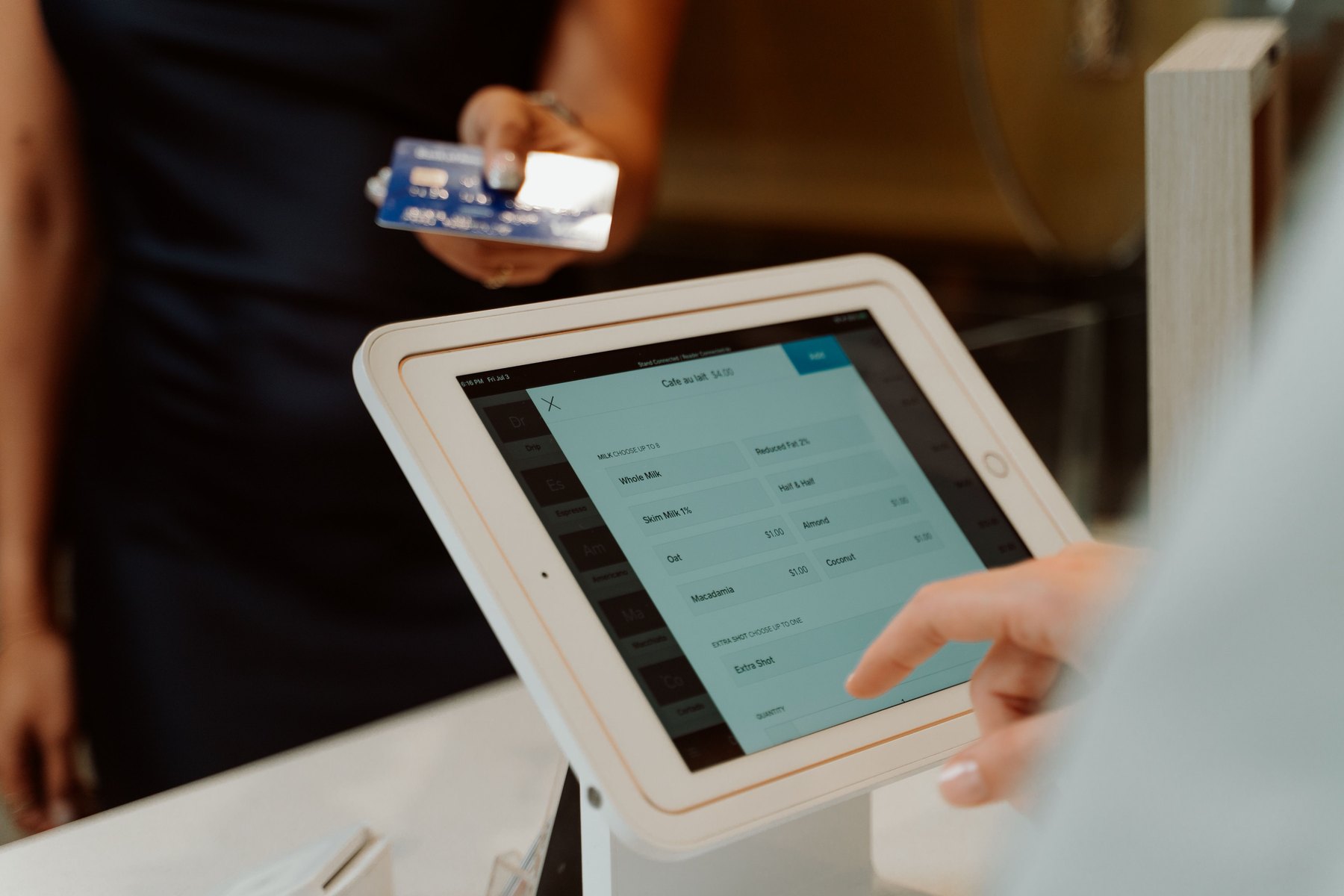
Use this short checklist the day before the sale. It helps you avoid impulse buys and makes it easier to spot a real bargain.
1) Build a “needs first” list
- Replace or repair items that are failing (phone battery, laptop, vacuum, tires, winter coat).
- Stock up on predictable essentials (paper goods, toiletries, pet food) if storage and cash flow allow.
- Delay “nice to have” items unless they fit your monthly spending plan.
2) Set a hard spending cap tied to your cash flow
A practical rule: if you cannot pay the purchase off by the next statement due date (for credit cards) or within 4 to 8 weeks (for BNPL), treat it as a planned financing decision, not a deal.
3) Pre-check prices and alternatives
- Check at least 2 other retailers for the same model number.
- Look for last year’s model if features are similar.
- Confirm shipping speed and return policies.
4) Decide your “walk away” price
Write down the maximum you will pay for each item. If the price is higher, you skip it. This prevents “deal fever.”
| Item | Walk away price | Where else to check | Notes |
|---|---|---|---|
| Noise-canceling headphones | $180 | Best Buy, Walmart | Confirm return window and warranty |
| Robot vacuum | $250 | Target, Costco | Check replacement parts cost |
| Winter tires (set) | $650 installed | Discount Tire, Costco | Compare installation and road hazard coverage |
| Air fryer | $80 | Kohl’s, Home Depot | Check capacity and wattage |
How to compare deals like a lender compares risk
When you borrow, the true cost is not just the interest rate. When you shop, the true cost is not just the sale price. Use the same mindset: compare total cost, timing, and downside.
Total cost questions to ask
- What is the all-in cost after tax, shipping, installation, and accessories?
- Will you pay interest, fees, or late charges if you finance it?
- Is there a cheaper substitute that meets the same need?
- What happens if you need to return it or it breaks?
A quick “deal quality” decision rule
- High quality deal: You planned it, you need it, and you can pay in full without disrupting bills or emergency savings.
- Medium quality deal: You planned it, but you need short-term financing and can pay it off quickly with low fees.
- Low quality deal: You did not plan it, you are financing it, and you are unsure how you will pay it off.
Best ways to pay during October Prime Day (and what to compare)
Payment choice can turn a discount into an expensive purchase. Below are common options and what to evaluate before choosing one.
| Option | Best fit | What to compare | Main drawback |
|---|---|---|---|
| Debit card | Small purchases you can cover today | Return policy, fraud protections, account balance buffer | Less flexibility if cash is tight |
| General rewards credit card (Visa, Mastercard, Amex, Discover) | Planned purchases you can pay off by due date | APR, rewards rate, purchase protection, statement due date | Interest can erase savings if you carry a balance |
| Amazon Prime Visa (Chase) | Frequent Amazon shoppers who pay in full | Reward structure, APR, eligibility, redemption rules | Not ideal if you revolve balances at high APR |
| Store card (Amazon Store Card, Synchrony) | Occasional use for a specific promo you can repay fast | Promo terms, deferred interest rules, APR after promo | Deferred interest can be costly if not paid on time |
| Buy Now, Pay Later (Affirm, Klarna, Afterpay, PayPal Pay in 4) | Short-term split payments with a clear payoff plan | Fees, late policies, autopay dates, return handling | Easy to stack multiple plans and lose track |
| 0% intro APR credit card | Large planned purchase you can pay off within promo window | Promo length, balance transfer fees (if any), APR after promo | High APR later if balance remains |
| Personal loan (banks, credit unions, online lenders) | Debt consolidation or necessary large expense with fixed payoff | APR, origination fees, term length, total interest | Interest cost and longer commitment |
BNPL: when it helps and when it hurts
BNPL can work if it is a short bridge and you keep the number of plans small. It becomes risky when you use it to expand your lifestyle budget or when repayment dates collide with rent, utilities, or other debt payments.
- Use BNPL cautiously for: a planned purchase under your monthly discretionary budget, with autopay set and a payoff date you can meet.
- Avoid BNPL for: non-essentials when you already carry credit card balances, or when you are unsure about returns (refund timing can be messy).
Store promos and deferred interest: read the fine print
Some store cards advertise “no interest if paid in full” by a certain date. If you miss the deadline, you may owe interest retroactively. If you use a promo like this, set a payoff schedule that finishes at least one month early.
Real-number budgets: what smart October Prime Day spending looks like
Below are three sample allocations. They show how to shop without breaking your bill schedule or relying on long-term debt. Adjust the numbers to your income and expenses, but keep the structure.
Scenario 1: $300 sale budget for essentials
- $120: household staples (paper goods, detergent, toiletries)
- $100: replacement shoes or winter clothing
- $80: small appliance upgrade you already planned
Total: $120 + $100 + $80 = $300
Scenario 2: $1,200 planned tech replacement (cash-first)
- $850: laptop (target model and walk away price set)
- $150: external drive or cloud backup subscription for 1 year
- $100: protective case and accessories
- $100: buffer for tax or shipping
Total: $850 + $150 + $100 + $100 = $1,200
Scenario 3: $2,500 “home and car” upgrade (mixed payment, low risk)
- $1,000: tires or car maintenance you cannot delay
- $700: appliance replacement (microwave, vacuum, dehumidifier)
- $500: emergency fund top-up (kept in savings)
- $300: holiday gifts bought early (only if you have a list)
Total: $1,000 + $700 + $500 + $300 = $2,500
Decision rules by timeline: when to pay cash vs finance
Use timeline rules to avoid turning short-term shopping into long-term debt.
Under 1 year
- Prefer cash or a credit card you will pay in full.
- If using BNPL, keep it to 1 plan at a time when possible and align payments with paydays.
- Avoid taking a multi-year loan for items that will be outdated quickly (like many electronics).
1 to 3 years
- Consider a fixed plan only for necessary purchases that support work, health, or safety (reliable computer for work, critical home repair tools).
- Compare the total cost of a personal loan vs a 0% intro APR card you can realistically pay off before the promo ends.
3 to 7 years
- This is more typical for larger needs like a used car loan or major home systems, not deal-event shopping.
- If you are financing something in this range, focus on APR, total interest, and whether the item will last through the term.
7+ years
- Long timelines are usually for mortgages or major renovations, not retail purchases.
- If a purchase would require this long to pay off, it is a strong signal to reduce the purchase size or delay it.
How to avoid a post-sale debt hangover
The most common October Prime Day mistake is not the purchase. It is the combination of purchases that hits your budget all at once.
Use a simple “stacking” rule
- If you carry credit card balances, avoid adding new financed purchases unless they replace a higher-cost balance and you have a payoff plan.
- If you use BNPL, do not start a second plan until the first is at least 50% paid off.
- If you must finance, choose one method and track it in your budget calendar.
Track due dates like bills
Add every payment date to your calendar the moment you check out. Late fees and penalty APRs can erase discounts quickly.
| Risk | What it looks like | How to reduce it | Best payment fit |
|---|---|---|---|
| Late fees | Missed BNPL or card payment | Autopay, calendar reminders, smaller cart | Cash or pay-in-full card |
| High interest | Carrying a balance for months | Payoff plan, consider 0% intro if eligible | 0% intro APR card (if paid off in time) |
| Return friction | Refund delays while BNPL payments continue | Buy from retailers with easy returns, keep receipts | Credit card with clear dispute process |
| Impulse overspending | Buying “because it’s on sale” | Walk away prices, 24-hour pause for non-essentials | Cash budget cap |
| Fraud and scams | Fake listings, phishing emails | Shop in official apps, verify sellers, avoid links | Credit card (stronger protections) |
Returns, disputes, and fraud: protect your money
Deal seasons bring more scams and more return issues. A few habits can reduce headaches.
Safer shopping habits
- Use strong, unique passwords and turn on multi-factor authentication.
- Be cautious with third-party marketplace sellers. Check seller ratings, return terms, and whether the item is “shipped and sold by” the retailer.
- Save order confirmations and screenshots of promo terms.
Know where to get help
- For general consumer protection and scam reporting tips, see the FTC at https://consumer.ftc.gov/.
- For credit card rights and complaint options, visit the CFPB at https://www.consumerfinance.gov/.
If you plan to use credit, check your credit first
If October Prime Day motivates you to apply for a new card or financing, it helps to know what is on your credit reports. You can review your reports for free at https://www.annualcreditreport.com/. Look for errors, old accounts you do not recognize, or high utilization that could affect your options.
Quick credit readiness checklist
- Do you know your current credit card balances and minimum payments?
- Is your credit utilization likely to spike after the purchase?
- Can you pay more than the minimum and still cover essentials?
- Do you have a plan to avoid carrying the balance past any promo period?
Where to keep your “deal fund” so it is ready when sales hit
If you like shopping seasonal sales, consider keeping a small “deal fund” in a separate savings account so you are not forced to use credit. Look for an FDIC-insured bank account and verify coverage basics at the FDIC: https://www.fdic.gov/.
A simple monthly deal-fund plan
- Pick a monthly amount you can save without missing bills (example: $25 to $100).
- Automate transfers right after payday.
- Only spend from the fund during major sale events or planned replacements.
Putting it all together: a fast decision flow
Before you buy
- Is it on your list, and does it solve a real need?
- Is the price at or below your walk away price?
- Can you pay in full by the next due date without skipping essentials?
If you cannot pay in full
- Can you pay it off within 4 to 8 weeks? If yes, BNPL may be workable if fees are low and you keep plans limited.
- Can you pay it off within a 0% intro period with a clear monthly payoff amount? If yes, compare total costs and the post-promo APR.
- If it is a necessary expense and you need predictable payments, compare a personal loan from a bank, credit union, or reputable online lender, focusing on APR, fees, and total interest.
A practical payoff math example
If you buy a $600 item and want it paid off in 3 months, your target is about $200 per month (plus any tax, shipping, or interest). If your budget cannot handle that payment, the purchase is likely too large right now, even if the discount looks good.
October Prime Day can be useful when you treat it like a planned purchase window, not a free pass to spend. Set walk away prices, choose payment methods that match your payoff timeline, and keep your future self in mind when the cart starts filling up.


