

Prediction Markets 101: Read This Guide Before You Start Placing Bets

Prediction markets can look like a simple way to bet on the news, but they are really a mix of trading, probability, and risk management.
Contents
31 sections
-
What prediction markets are (and what they are not)
-
Common contract types
-
How prediction markets differ from sports betting and investing
-
How prediction markets work step by step
-
Implied probability and expected value in plain English
-
Prediction markets: platforms and options to compare
-
Checklist: what to read before you trade
-
Costs and risks you should plan for
-
1) Bid-ask spreads and slippage
-
2) Liquidity risk
-
3) Event definition and settlement disputes
-
4) Concentration and "all-in" risk
-
5) Platform and operational risk
-
Budgeting rules: how much money to risk (with real numbers)
-
Step 1: Set your baseline money priorities
-
Step 2: Use timeline rules for where money should live
-
Three sample allocations that add up
-
Scenario A: $1,000 available after bills this month
-
Scenario B: $5,000 tax refund
-
Scenario C: $20,000 in savings with stable income
-
A simple position-sizing rule
-
How to place smarter trades (without overcomplicating it)
-
Use limit orders when possible
-
Look for clarity, not excitement
-
Separate "forecasting" from "identity"
-
Keep a trade log
-
Taxes, records, and cash management
-
How to avoid scams and bad actors around prediction markets
-
Decision matrix: should you try prediction markets at all?
-
Common beginner mistakes (and better alternatives)
-
Quick start checklist
This guide breaks down how prediction markets work, what you are actually buying when you place a trade, how pricing reflects odds, and how to set guardrails so a small experiment does not turn into a budget problem. You will also see real platform examples, common fee and liquidity issues, and practical decision rules for sizing positions.
What prediction markets are (and what they are not)
A prediction market is a marketplace where people buy and sell contracts tied to a future outcome. The contract price moves as traders update their beliefs and react to new information. In many markets, the price is often interpreted as an implied probability, but it is not a guarantee.
Common contract types
- Yes or No contracts: Pays $1 if an event happens, $0 if it does not. If a “Yes” share trades at $0.62, traders may treat that as roughly a 62% implied probability.
- Multiple choice markets: Several outcomes, like “Which candidate wins?” Each outcome has its own contract.
- Range markets: Outcomes are buckets, like “Inflation between 2% and 3%.”
How prediction markets differ from sports betting and investing
- Sportsbooks set odds and take the other side. Prediction markets typically match buyers and sellers, so prices can move quickly with demand.
- Stocks and bonds represent ownership or debt claims. Prediction contracts usually settle to a fixed payout based on a specific event definition.
How prediction markets work step by step
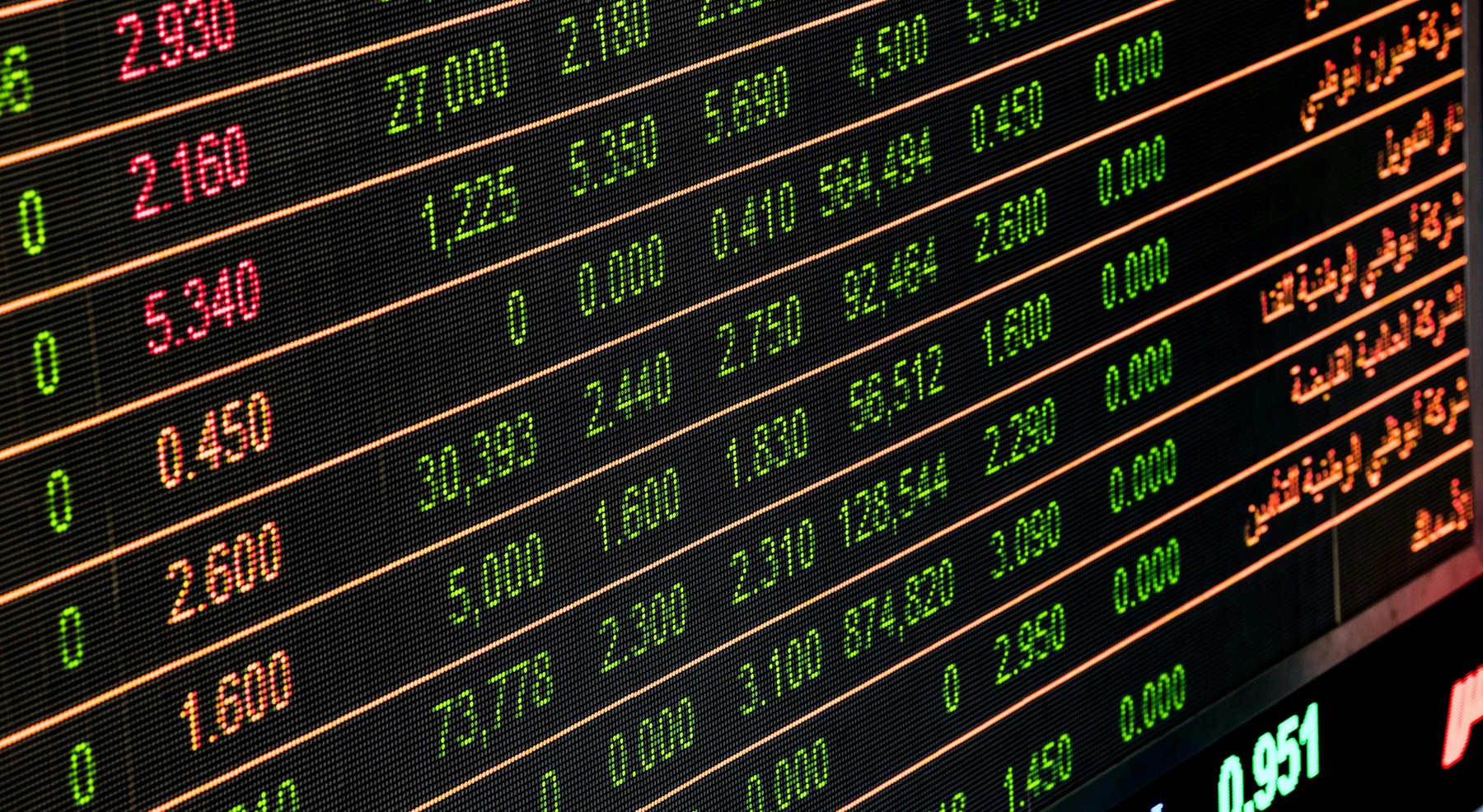
- Pick a market with a clear resolution source and date (for example, an official election result or a government data release).
- Choose a side (Yes or No, or a specific outcome).
- Buy shares at the current price. Your maximum loss is typically what you pay for the shares (plus fees, if any).
- Hold or trade. You can sell before resolution if there is liquidity and the price moves in your favor.
- Settlement. At resolution, winning shares pay out according to the rules (often $1 per share), losing shares pay $0.
Implied probability and expected value in plain English
If a “Yes” share costs $0.60 and pays $1 if it happens, your gross profit if you win is $0.40 per share. If you think the true chance is 70%, the trade may look attractive. If you think the true chance is 50%, it may not.
A quick decision rule:
- If you estimate the chance is meaningfully higher than the market price implies, “Yes” may be worth considering.
- If you estimate the chance is meaningfully lower, “No” may be worth considering.
- If you do not have a reason your estimate is better than the crowd, keep the position small or skip it.
Prediction markets: platforms and options to compare
Availability, rules, and permitted users vary by location and by platform. Before funding an account, compare how contracts settle, what fees apply, how easy it is to withdraw, and whether markets are liquid enough to exit early.
| Option | Best fit | What to compare | Main drawback |
|---|---|---|---|
| Kalshi | Event contracts with defined settlement rules | Market categories, fees, funding methods, withdrawal timing | Liquidity varies by market, not all topics are active |
| PredictIt | Smaller political markets (where available) | Fees, position limits, market depth, withdrawal rules | Limits and fees can materially affect returns |
| Polymarket | Crypto-based event markets | Wallet requirements, network fees, settlement source, stablecoin use | Crypto operational risk and regulatory restrictions may apply |
| Manifold Markets | Play-money style forecasting and community markets | Market rules, incentives, reputation systems | Not the same as risking cash, outcomes may be less standardized |
| Hypermind | Forecasting tournaments and research-style prediction | Scoring, participation rules, incentives | Often not a cash trading venue, depends on program |
Checklist: what to read before you trade
- Resolution criteria: Exactly what counts as “Yes” and what source decides it?
- Timing: When does the market close and when does it settle?
- Fees: Trading fees, withdrawal fees, and any spread costs.
- Liquidity: Can you sell quickly without moving the price?
- Limits: Position caps, market caps, or restrictions that change your strategy.
- Account and custody: Who holds funds, and what are the withdrawal steps?
Costs and risks you should plan for
Many beginners focus on whether they are “right” and ignore frictions that can turn a good forecast into a mediocre result.
1) Bid-ask spreads and slippage
Even with no explicit fee, you can lose money to the spread. If you buy at $0.62 and immediately sell at $0.60, you are down $0.02 per share. In thin markets, your own order can move the price.
2) Liquidity risk
You may be correct but still unable to exit early at a fair price. If you might need the money soon, treat that as a red flag.
3) Event definition and settlement disputes
Read the fine details. Two headlines that sound similar can resolve differently depending on the exact wording and data source.
4) Concentration and “all-in” risk
Binary outcomes encourage oversized bets. A single surprise can wipe out a month of small gains.
5) Platform and operational risk
Account access, verification delays, banking rails, and crypto wallet mistakes can all create losses unrelated to your forecast.
| Risk | How it shows up | Practical control | Trade-off |
|---|---|---|---|
| Spread and slippage | Instant loss when entering or exiting | Use limit orders, avoid thin markets | May miss fills |
| Liquidity | Cannot sell without taking a bad price | Size smaller, choose higher-volume markets | Fewer opportunities |
| Settlement ambiguity | Outcome resolves differently than expected | Read resolution source and wording carefully | Takes time and attention |
| Overbetting | Big drawdowns, chasing losses | Set a maximum “risk budget” per month | Slower growth if you are skilled |
| Operational issues | Withdrawal delays, lost access, wallet errors | Test small deposits and withdrawals first | Extra steps and waiting |
Budgeting rules: how much money to risk (with real numbers)
A useful way to think about prediction markets is as a high-volatility “speculation” bucket. Many households do best when this bucket is small enough that a full loss does not change bill payment plans.
Step 1: Set your baseline money priorities
- Pay essentials and minimum debt payments first.
- Build a cash buffer for near-term bills.
- Only then decide what amount is truly discretionary.
Step 2: Use timeline rules for where money should live
- Under 1 year: Prioritize stability and access. Many people use insured bank accounts for this category. You can verify deposit insurance basics at the FDIC.
- 1 to 3 years: Keep risk moderate. If you might need the money for a move, car replacement, or tuition gap, avoid tying it up in illiquid bets.
- 3 to 7 years: You can usually take more volatility, but prediction markets are still concentrated and event-driven. Keep them as a small slice if you use them at all.
- 7+ years: Long horizons generally favor diversified approaches. Prediction markets can remain a small “learning” allocation, not a core plan.
Three sample allocations that add up
These examples show how someone might carve out a prediction market budget without crowding out essentials. Adjust to your income, debt, and cash needs.
Scenario A: $1,000 available after bills this month
- $700 to emergency fund (or rebuilding cash buffer)
- $250 to high-interest debt extra payment
- $50 to prediction markets (learning budget)
Scenario B: $5,000 tax refund
- $3,000 to emergency fund (targeting 3 to 6 months of essential expenses over time)
- $1,500 to debt payoff or upcoming known expenses
- $500 to prediction markets and other high-risk experiments combined
Scenario C: $20,000 in savings with stable income
- $12,000 as cash reserve for 3 to 12 months of essential expenses (depending on job stability)
- $7,000 for medium-term goals in safer, liquid vehicles
- $1,000 total risk budget for prediction markets (5% of savings)
A simple position-sizing rule
If you are new, consider limiting any single market to 10% to 25% of your total prediction market budget. Example: if your total budget is $200, keep a single bet to $20 to $50. This reduces the chance that one surprise outcome wipes out your entire experiment.
How to place smarter trades (without overcomplicating it)
Use limit orders when possible
A limit order sets the maximum price you will pay (or minimum you will accept to sell). This can reduce slippage, especially in thin markets.
Look for clarity, not excitement
Markets with vague wording, unclear data sources, or long resolution timelines can create avoidable frustration. Prefer contracts with objective sources and dates.
Separate “forecasting” from “identity”
Many people overbet because the trade feels like a statement. A better approach is to treat each trade as a probability estimate with a price. If the price moves against you, reassess the evidence rather than doubling down automatically.
Keep a trade log
Track: entry price, thesis, what would change your mind, and exit plan. After 20 to 50 trades, you will see patterns like chasing headlines or consistently underestimating fees.
Taxes, records, and cash management
Tax treatment can vary by product structure and jurisdiction. Regardless of the platform, keep clean records of deposits, withdrawals, trades, and fees so you can reconcile gains and losses.
- Save monthly statements and trade confirmations.
- Track fees separately from winnings.
- Keep screenshots or exports of market rules for contracts you trade heavily.
For general tax information and recordkeeping guidance, you can start at the IRS.
How to avoid scams and bad actors around prediction markets
Where money and hype meet, scams follow. Focus on basic consumer protections and verification steps.
- Be cautious with “guaranteed” tips: No one can guarantee outcomes in event-driven markets.
- Verify URLs and apps: Use official sites and double-check domains before logging in.
- Watch for fake customer support: Scammers may ask for passwords or wallet seed phrases.
- Start with a small test: Try a small deposit and a small withdrawal before committing more.
For practical scam-avoidance guidance, review the FTC’s resources at consumer.ftc.gov.
Decision matrix: should you try prediction markets at all?
| If this is true for you… | Then consider… | Why |
|---|---|---|
| You carry high-interest credit card debt | Prioritizing debt payoff before betting | Risking cash while paying high APR can be a tough math trade-off |
| You do not have an emergency fund | Building 1 month of essentials first, then expanding | Binary losses can force expensive borrowing later |
| You have stable cash flow and a small “fun money” budget | Trying a small, capped monthly amount | Lets you learn mechanics without threatening bills |
| You need the money within 12 months | Avoiding illiquid or thin markets | You may not be able to exit at a fair price |
| You enjoy research and can stick to rules | Using a trade log and position limits | Process reduces impulsive bets and overconfidence |
Common beginner mistakes (and better alternatives)
- Mistake: Betting only on headlines. Better: wait for primary sources and read the contract’s resolution criteria.
- Mistake: Going all-in on one event. Better: cap single-market exposure and diversify across uncorrelated events if you participate.
- Mistake: Ignoring fees and spreads. Better: calculate break-even moves after fees and use limit orders.
- Mistake: Treating it as income. Better: treat it as a discretionary hobby budget, not a bill-paying plan.
Quick start checklist
- Pick one platform and verify identity and withdrawal steps.
- Choose one market with clear wording and a near-term resolution date.
- Set a total budget (example: $25 to $100 to start) and a per-trade cap.
- Use limit orders and avoid thin markets.
- Log the trade and review results after 10 trades before adding funds.
If you are balancing prediction markets with other financial goals, it can help to review broader consumer money guidance at the CFPB, especially around budgeting and managing debt.


