

How Private Listings Affect Home Buyers and Sellers

Private listings can change how home buyers and sellers find each other, negotiate price, and move through financing and closing.
Contents
35 sections
-
What private listings are and how they work
-
How private listings affect home buyers
-
1) Less competition can mean less price pressure, but not always
-
2) You may have less information to evaluate fair value
-
3) Financing can be tighter if the timeline is rushed
-
4) Fair housing and access concerns can matter
-
Buyer checklist for evaluating a private listing
-
How private listings affect home sellers
-
1) Privacy and convenience can improve
-
2) Fewer buyers can mean fewer offers
-
3) Dual agency and conflicts of interest can show up
-
4) Appraisal risk can increase if the price is pushed
-
Seller checklist before choosing private marketing
-
Private listings and pricing: what changes when the market is smaller
-
private listings: when they make sense and when to avoid them
-
Where private listings show up: real platforms and channels
-
Financing impacts: what buyers should line up early
-
Preapproval strength and documentation
-
Appraisal strategy
-
Rate locks and closing timelines
-
Credit readiness
-
What this looks like with real numbers
-
Scenario 1: Buyer considering an appraisal gap on a private listing
-
Scenario 2: Seller weighing private marketing vs full MLS exposure
-
Scenario 3: Buyer budgeting cash for a fast-moving off-market deal
-
Negotiation tips for private listing deals
-
For buyers
-
For sellers
-
Timeline decision rules: when speed helps and when it hurts
-
Under 1 year
-
1 to 3 years
-
3 to 7 years
-
7+ years
-
How to reduce risk and protect your finances
-
Bottom line
In many markets, homes are marketed publicly through the Multiple Listing Service (MLS) and syndicated to major portals. With a private listing, the home is marketed to a smaller audience first, sometimes only within a brokerage or a limited network of agents and clients. This can be called “office exclusive,” “coming soon,” “pocket listing,” or “off-market,” depending on the rules and how it is shared.
Private listings are not automatically good or bad. They can offer privacy and control, but they can also reduce competition and transparency. If you are buying or selling, the key is to understand how the listing is being marketed, what rules apply in your area, and how the choice affects your price, timeline, and financing options.
What private listings are and how they work
A private listing is a home for sale that is not fully exposed to the public MLS at the start. The seller and listing agent choose to market it in a limited way, such as:
- Office exclusive: Shared only within one brokerage’s agents and clients.
- Coming soon: Advertised as “coming soon” for a period before showings or before being fully listed on the MLS, subject to local MLS rules.
- Pocket listing: A general term for a listing kept “in the agent’s pocket” and shared selectively.
- Off-market: Not actively marketed on the MLS. The seller may still accept offers through agent networks, direct outreach, or investor channels.
Rules vary by MLS and brokerage. Some MLS systems limit how long a property can be marketed privately before it must be entered into the MLS, and some require specific disclosures or seller instructions. Ask your agent to explain the local rules in plain language and show you the marketing plan in writing.
How private listings affect home buyers
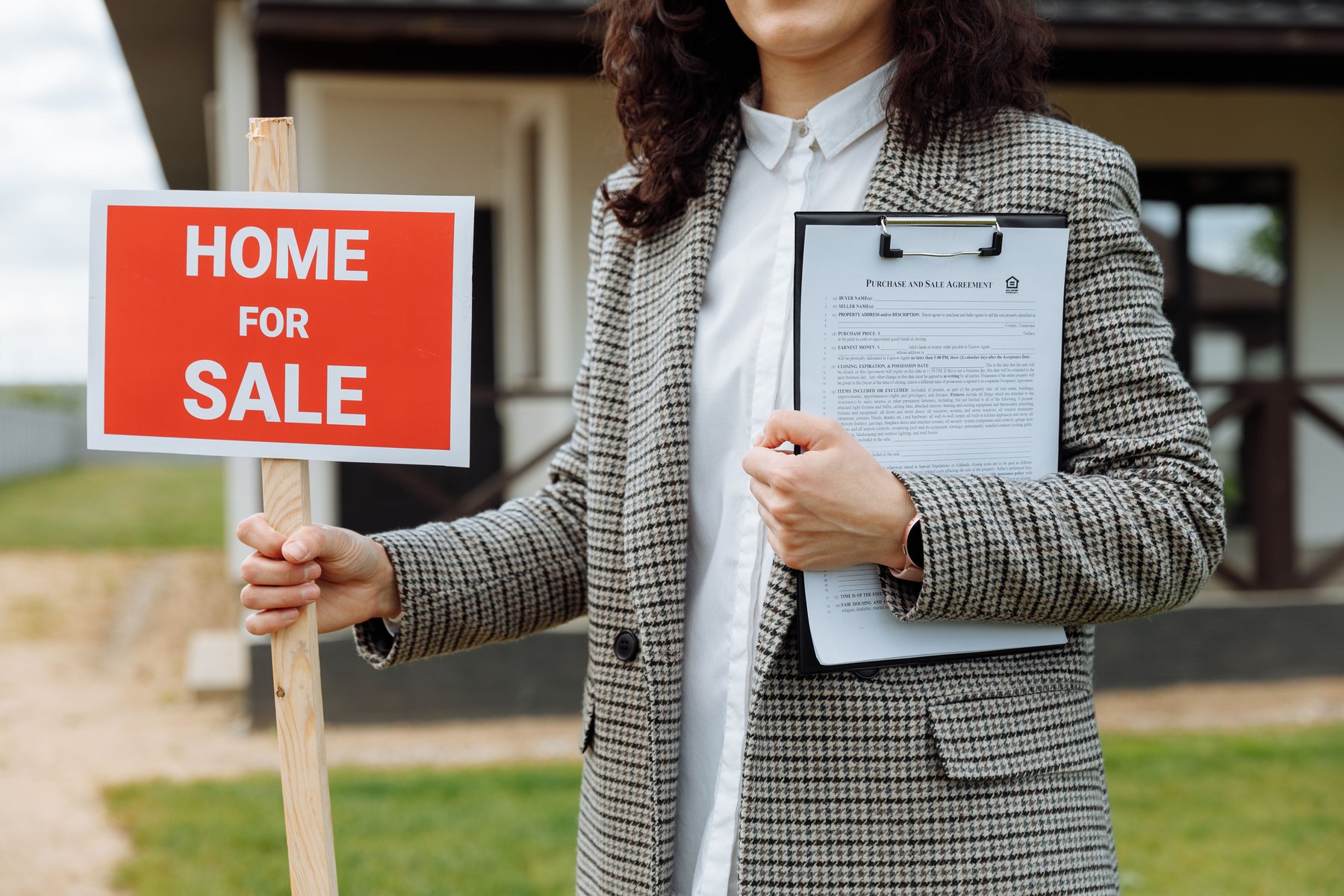
For buyers, private listings can feel like a shortcut around bidding wars. Sometimes they are. Other times, they create new challenges that affect your budget and your ability to compete.
1) Less competition can mean less price pressure, but not always
If fewer buyers know about the home, you might face fewer competing offers. That can reduce the chance of an escalation clause or waived contingencies. But sellers who choose private marketing may still price aggressively, especially if they believe the home is unique or if they are testing a high price before going public.
2) You may have less information to evaluate fair value
Public listings often come with a longer trail of data: days on market, price changes, open house traffic, and broader comparable sales context. With private listings, you may have fewer signals about demand. That makes it easier to overpay if you rely on limited comps or emotional urgency.
3) Financing can be tighter if the timeline is rushed
Some private deals move quickly. If the seller wants a fast close, you may need a strong preapproval, a responsive lender, and cash reserves for appraisal gaps or repairs. A rushed timeline can increase the risk of missing key steps like reviewing HOA documents or getting specialized inspections.
4) Fair housing and access concerns can matter
Limited marketing can reduce broad access to housing opportunities. As a buyer, you can still protect yourself by insisting on clear written terms, avoiding side agreements, and working with professionals who follow fair housing rules. If you believe you were treated unfairly in a housing transaction, the CFPB has consumer resources at consumerfinance.gov.
Buyer checklist for evaluating a private listing
- Ask: Why is the seller choosing private marketing instead of full MLS exposure?
- Request recent comparable sales and a written pricing rationale.
- Confirm whether the home will later be listed publicly if it does not sell.
- Get a full preapproval, not just a prequalification, and confirm your rate lock options.
- Plan your inspection strategy: general inspection plus roof, sewer, foundation, or pest as needed.
- Review seller disclosures early. If disclosures are delayed, treat that as a risk signal.
- Ask your lender how appraisal works for this property and your loan type.
How private listings affect home sellers
Sellers often choose private listings for control, privacy, or speed. The tradeoff is that limiting exposure can reduce the number of offers, which can affect price and terms.
1) Privacy and convenience can improve
If you are a public figure, going through a divorce, dealing with a tenant, or simply do not want open houses, private marketing can reduce foot traffic and online visibility. It can also reduce the need for constant cleaning and staging.
2) Fewer buyers can mean fewer offers
In many markets, the highest price comes from broad exposure and competition. A private listing may still sell quickly, but you are choosing a smaller buyer pool. That can matter most when your home is not “one of one” and buyers have substitutes.
3) Dual agency and conflicts of interest can show up
Private listings sometimes increase the chance that the listing agent also brings the buyer. That can be convenient, but it can also create conflicts depending on your state’s agency rules. Ask how representation works, what duties are owed, and whether you can require separate representation for the buyer.
4) Appraisal risk can increase if the price is pushed
If you accept an offer above what recent comps support, the appraisal may come in low. That can lead to renegotiation, a larger down payment from the buyer, or a canceled deal. Sellers can reduce this risk by reviewing comps carefully and understanding the buyer’s financing strength.
Seller checklist before choosing private marketing
- Define your goal: highest price, fastest close, privacy, or certainty.
- Ask your agent to estimate the price impact of limited exposure in your neighborhood.
- Set a clear timeline: “If not under contract by X date, we list on the MLS.”
- Decide what you will accept: inspection requests, appraisal gaps, rent-back, and closing date.
- Review net proceeds with a worksheet that includes commissions, concessions, taxes, and moving costs.
Private listings and pricing: what changes when the market is smaller
Pricing is where private listings can help or hurt the most. With fewer buyers, you may see:
- Less “price discovery”: fewer showings and fewer offers can make it harder to know the true market ceiling.
- More negotiation leverage for informed parties: if one side has better data, they may push terms in their favor.
- Higher variance in outcomes: some private sales close at excellent prices, others sell below what a public launch might have achieved.
Decision rule for sellers: If your top priority is maximizing price and your home appeals to many buyers, full MLS exposure often supports stronger competition. If your top priority is privacy or a controlled process, private marketing may be worth the tradeoff, especially if you set a firm plan to go public if needed.
private listings: when they make sense and when to avoid them
Use the scenarios below as a practical filter.
| Situation | Private listing may help if | Consider avoiding if |
|---|---|---|
| Seller wants privacy | You want fewer online photos, fewer showings, and controlled access | You need maximum exposure to hit your target price |
| Hot market, frequent bidding wars | You can attract strong buyers through networks and want a fast, clean offer | You are relying on competition to drive price above comps |
| Unique or luxury property | Buyer pool is naturally smaller and targeted outreach is effective | Comparable sales are limited and you need broad feedback to price correctly |
| Buyer wants an edge | You have financing ready and can evaluate value quickly | You feel pressured to waive inspections or skip due diligence |
| Tenant-occupied home | Limited showings reduce disruption and protect tenant privacy | Local rules require certain notices or access that complicate private marketing |
Where private listings show up: real platforms and channels
Private listings are often shared through brokerage networks, agent-to-agent communication, and select platforms. Availability varies by location and brokerage policy, but these are common places buyers and sellers may encounter limited-exposure listings:
| Option | Best fit | What to compare | Main drawback |
|---|---|---|---|
| Zillow (including “Coming Soon” where available) | Buyers tracking early signals; sellers wanting broad online interest | Local rules, days before MLS, accuracy of status updates | Not truly private in many cases; visibility varies by market |
| Redfin | Buyers who want fast alerts and market data; sellers wanting strong online exposure | How “coming soon” is handled, data completeness, agent availability | Some off-market homes may not appear |
| Realtor.com | Buyers who prefer MLS-linked feeds and status changes | Timeliness of updates, local coverage, listing details | Limited access to true office exclusives |
| Compass (private exclusives in some markets) | Sellers seeking controlled exposure within a brokerage network | Marketing plan, timeline to go public, how offers are handled | Smaller buyer pool if kept in-network |
| Coldwell Banker (agent networks and internal marketing) | Sellers wanting targeted outreach through a large agent network | Network reach locally, disclosure process, showing controls | Outcome depends heavily on local agent activity |
| Facebook Marketplace and local real estate groups | For-sale-by-owner or informal off-market outreach | Scam screening, verification of ownership, communication records | Higher fraud risk and less standardized process |
Decision rule: If a listing is described as “off-market,” ask exactly where it is being shared and who can see it. “Off-market” can mean anything from “not on Zillow yet” to “only a few agents know.”
Financing impacts: what buyers should line up early
Private listing deals often reward preparation. Here are financing items that can matter more when the process is fast or information is limited.
Preapproval strength and documentation
Ask your lender what documentation is required for a full preapproval. In competitive situations, sellers may prefer offers with verified income and assets. Keep your documents organized and current.
Appraisal strategy
With limited market exposure, you may worry about overpaying. Consider these tools:
- Appraisal contingency: gives you leverage if the appraisal is low.
- Appraisal gap language: defines how much extra cash you will bring if appraisal is short.
- Comparable sales review: ask your agent to show comps and explain adjustments.
Rate locks and closing timelines
If you are moving quickly, ask about rate lock periods and extension costs. If you are moving slowly, ask how long your preapproval is valid and what could change your pricing, such as credit score movement or debt-to-income changes.
Credit readiness
Before making offers, check your credit reports for errors and understand your score range. You can access your reports at AnnualCreditReport.com. If you are concerned about identity theft or suspicious listings, the FTC’s consumer guidance can help at consumer.ftc.gov.
What this looks like with real numbers
Private listings can change both price and costs. Here are three simplified scenarios to show how decisions might play out. These examples use round numbers and do not include every local cost. Your actual numbers depend on taxes, insurance, HOA dues, lender fees, and market conditions.
Scenario 1: Buyer considering an appraisal gap on a private listing
Purchase price: $450,000
Down payment: 10% ($45,000)
Planned closing costs: 3% ($13,500)
Cash on hand: $70,000
If the appraisal comes in at $435,000, the lender may base the loan on the appraised value. The $15,000 gap might need to be covered by additional cash, renegotiated, or handled through a different structure. A buyer who offers a $10,000 appraisal gap is effectively saying: “I can bring up to $10,000 extra if needed.”
Decision rule: Only offer an appraisal gap that still leaves you with a realistic emergency cushion after closing. Many households target 3 to 6 months of essential expenses, but the right amount depends on job stability and home repair risk.
Scenario 2: Seller weighing private marketing vs full MLS exposure
Expected MLS sale price range: $500,000 to $520,000
Private offer received: $505,000 with a fast close and limited contingencies
If you go public, you might get multiple offers and a higher price, but you also might face more showings, more time, and more uncertainty. If you accept the private offer, you may trade some upside for speed and convenience.
Decision rule: Compare offers using net proceeds and risk, not just headline price. A slightly lower price with fewer concessions and a stronger buyer can be competitive with a higher offer that has financing or appraisal risk.
Scenario 3: Buyer budgeting cash for a fast-moving off-market deal
Assume a $350,000 home with a 5% down payment.
- Down payment: $17,500
- Estimated closing costs (2% to 4% range): $7,000 to $14,000
- Initial repairs and move-in costs: $3,000 to $8,000
Three sample cash allocations that add up:
- Conservative: $17,500 down + $14,000 closing + $8,000 repairs + $20,000 reserves = $59,500
- Balanced: $17,500 down + $10,000 closing + $5,000 repairs + $15,000 reserves = $47,500
- Tight: $17,500 down + $7,000 closing + $3,000 repairs + $10,000 reserves = $37,500
Decision rule: If your plan looks like the “tight” version, be cautious about waiving inspection or appraisal protections. A private listing can move fast, but homeownership expenses can arrive faster.
Negotiation tips for private listing deals
For buyers
- Ask for time-boxed due diligence: For example, 7 to 10 days for inspections and document review, even if the close is fast.
- Use data, not urgency: Anchor your offer to comps, condition, and repair estimates.
- Keep your financing clean: Avoid opening new credit lines or making large purchases before closing.
For sellers
- Require proof of funds and a solid preapproval: Especially if the buyer is offering flexibility on appraisal or closing date.
- Clarify contingencies: Inspection, appraisal, financing, and sale-of-home contingencies should be explicit.
- Have a backup plan: If the deal falls apart, know whether you will go public immediately and at what price.
Timeline decision rules: when speed helps and when it hurts
Private listings often compress timelines. Use these rules of thumb to decide how aggressive you can be.
Under 1 year
- Buyers: prioritize liquidity. Keep more cash available for closing surprises and repairs.
- Sellers: speed may matter more than squeezing every dollar if you have a hard deadline.
1 to 3 years
- Buyers: avoid stretching your budget based on optimistic assumptions about appreciation.
- Sellers: consider whether a private sale reduces hassle enough to justify potential price tradeoffs.
3 to 7 years
- Buyers: focus on total cost of ownership and neighborhood fit, not just getting a “deal.”
- Sellers: broader exposure may be worth it if you can tolerate showings and a longer process.
7+ years
- Buyers: small differences in purchase price matter, but so do property condition and long-term maintenance.
- Sellers: your choice of marketing method should align with your risk tolerance and privacy needs.
How to reduce risk and protect your finances
Whether you are buying or selling, these steps can make a private listing transaction safer and more predictable:
- Put everything in writing: price, included items, timelines, and contingencies.
- Verify identities and ownership: be cautious with wire instructions and last-minute changes. The FTC has guidance on avoiding fraud at consumer.ftc.gov.
- Understand escrow and closing: ask who holds earnest money and what triggers its release.
- Review your loan estimate carefully: compare APR, lender fees, points, and cash-to-close across lenders.
- Keep cash reserves: private deals can surface surprises late, especially with repairs or appraisal issues.
Bottom line
Private listings can offer privacy, convenience, and sometimes a smoother path to a deal. They can also reduce transparency and competition, which affects price discovery and negotiation leverage. Buyers should focus on valuation and financing readiness, while sellers should weigh privacy and certainty against the potential benefit of full market exposure. The best approach is usually a clear plan: define your goal, set a timeline, compare offers and financing terms carefully, and keep enough buffer in your budget to handle the unexpected.


