

Sell or Save a Paid Off Home

To decide whether to sell or save a paid off home, start by treating the house like a financial asset that also has lifestyle value.
Contents
37 sections
-
Quick decision checklist: sell, keep, or do something in between
-
Sell or save a paid off home: what you are really choosing
-
Run the "true cost to keep" number
-
Costs to include
-
Example: converting "paid off" into a monthly cost
-
Estimate your net proceeds if you sell
-
Common selling costs to plan for
-
Simple net proceeds example
-
Taxes that can change the math
-
Capital gains on a primary residence
-
Property tax differences after a move
-
Renting the home out later
-
Decision rules by timeline
-
Under 1 year
-
1 to 3 years
-
3 to 7 years
-
7+ years
-
What would this look like with real numbers? Three sample allocations
-
Scenario A: Selling to downsize soon (net proceeds $372,000)
-
Scenario B: Selling and renting for flexibility (net proceeds $372,000)
-
Scenario C: Keeping the home, but planning for repairs (home value $400,000)
-
Options besides selling or keeping exactly as-is
-
1) Downsize (sell and buy smaller)
-
2) Rent out the home
-
3) Use a loan against the home (only if the payment is affordable)
-
How to compare places to park sale proceeds (with named examples)
-
Risk checks before you decide
-
1) Concentration check
-
2) Budget stress test
-
3) Scam and pressure check
-
If you are considering borrowing against the home
-
Practical "keep vs sell" examples
-
Example 1: Retiree with rising taxes and insurance
-
Example 2: Family home that still fits
-
Example 3: Relocating for work in 12 months
-
A step-by-step process to make the call
-
Bottom line
A paid off home can feel “free,” but it still has ongoing costs (taxes, insurance, maintenance) and opportunity costs (what your equity could do elsewhere). The best choice depends on your timeline, your monthly budget, your risk tolerance, and what you want your life to look like in the next few years.
Quick decision checklist: sell, keep, or do something in between
Use this checklist to narrow your direction before you run detailed numbers:
- Keep (save) the home if you plan to live there 3+ years, your housing costs are manageable, and you value stability.
- Sell if the home no longer fits your needs, carrying costs strain your budget, or you need to unlock equity for a higher priority goal.
- Middle options if you like the home but want flexibility: rent it out, downsize, or use a conservative loan strategy (only if the payment is affordable).
Sell or save a paid off home: what you are really choosing
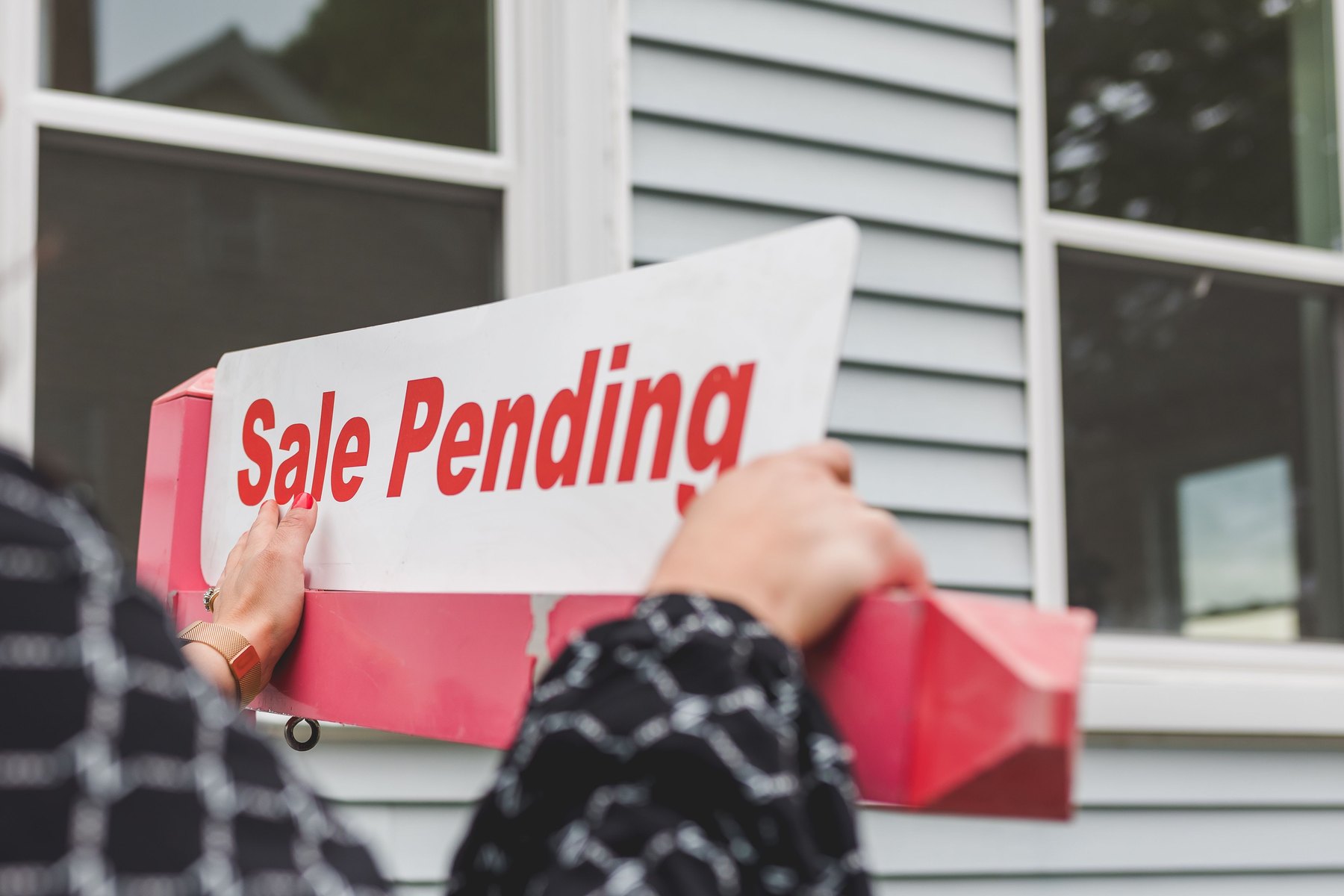
This decision is usually about four tradeoffs:
- Cash flow vs. equity. Keeping the home preserves equity but does not automatically create spendable cash. Selling converts equity to cash (minus costs).
- Certainty vs. flexibility. Owning outright can lower monthly risk. Selling can make it easier to relocate, downsize, or invest.
- Concentration risk. A large share of your net worth in one property can be risky if your local market drops or major repairs hit.
- Lifestyle value. Proximity to family, schools, healthcare, and community can outweigh purely financial math.
Run the “true cost to keep” number
Even with no mortgage, you still pay to own. A practical way to compare is to estimate your annual cost to keep the home, then convert it to a monthly number.
Costs to include
- Property taxes
- Homeowners insurance (and flood or earthquake if needed)
- HOA dues (if any)
- Maintenance and repairs (routine and big-ticket)
- Utilities that are higher because of the home size (optional but useful)
| Cost category | How to estimate | Typical planning rule | Why it matters |
|---|---|---|---|
| Property taxes | Last year’s bill | Assume increases over time | Often the biggest ongoing cost |
| Insurance | Current premium | Re-shop every 1 to 2 years | Premiums can jump with claims and regional risk |
| Maintenance | Track last 2 to 3 years | Plan 1% to 3% of home value per year | Roofs, HVAC, plumbing, and exterior add up |
| HOA | Monthly dues | Ask about special assessments | Assessments can be large and sudden |
| Opportunity cost | Equity x expected return range | Use conservative assumptions | Equity tied up cannot be used elsewhere |
Example: converting “paid off” into a monthly cost
Assume a home worth $400,000 with no mortgage:
- Property taxes: $6,000 per year
- Insurance: $1,800 per year
- Maintenance reserve (2%): $8,000 per year
- Total: $15,800 per year, or about $1,317 per month
If you can rent a comparable place for $1,500 per month, keeping may still make sense because you keep control and potential appreciation. If comparable rent is $1,000 per month and you do not need the space, selling or downsizing may be worth a closer look.
Estimate your net proceeds if you sell
Home equity is not the same as cash in your bank account. Selling has transaction costs and timing risk.
Common selling costs to plan for
- Real estate agent commissions (varies by market and agreement)
- Seller concessions or buyer credits (market dependent)
- Repairs, staging, cleaning, moving
- Title, escrow, and local transfer taxes or fees
- Potential capital gains taxes (depends on your situation)
Simple net proceeds example
Assume you sell for $400,000 and total selling costs are 7% (for illustration only – your costs may be lower or higher):
- Gross sale price: $400,000
- Estimated selling costs (7%): $28,000
- Estimated net before taxes: $372,000
That $372,000 is the starting point for your next decision: where the money goes, how much you keep liquid, and how much risk you take.
Taxes that can change the math
Taxes are not the first thing to think about, but they can swing the outcome.
Capital gains on a primary residence
If the home has been your primary residence, you may qualify to exclude some capital gains if you meet IRS ownership and use tests. The exact rules and thresholds can change and depend on your filing status and facts, so verify details at the IRS.
Start here: IRS.gov.
Property tax differences after a move
In some areas, moving can reset your property tax basis higher. In others, there may be portability rules for certain homeowners. Ask your county assessor or a local tax professional how a move could affect your annual taxes.
Renting the home out later
Converting a primary residence to a rental can affect future taxes, depreciation, and how gains are treated when you sell. If you are considering renting, it is worth mapping out a 3 to 7 year plan before you commit.
Decision rules by timeline
Timeline is one of the cleanest ways to decide because it limits how much market risk you can reasonably take and how much transaction cost you can absorb.
Under 1 year
- Leaning sell: If you already know you will move soon, selling can reduce double-housing costs.
- Leaning keep: If a move is uncertain, keeping avoids rushed decisions and selling costs.
- If you sell: keep most proceeds in cash-like options while you plan the next step, such as an FDIC-insured savings account or short-term Treasury options through a brokerage.
1 to 3 years
- Choose based on job stability, family needs, and whether you can comfortably cover upkeep.
- If you sell and will buy again soon, prioritize liquidity and low volatility over chasing returns.
3 to 7 years
- This is the range where renting the home out can work if local rents cover realistic costs and you can handle landlord responsibilities.
- If you sell, you can consider a more balanced investing approach, but still keep a strong cash buffer for housing plans.
7+ years
- Long timelines can favor keeping if the home fits your life and you can handle maintenance.
- If you sell with a long horizon, you have more flexibility to invest for growth, but you still need a plan for housing and emergencies.
What would this look like with real numbers? Three sample allocations
Below are examples of how someone might allocate sale proceeds. These are not one-size-fits-all templates. They show how to balance liquidity, safety, and longer-term goals.
Scenario A: Selling to downsize soon (net proceeds $372,000)
- $60,000 emergency fund (about 6 to 12 months of expenses, depending on your budget)
- $250,000 set aside for a down payment and moving costs within 12 months
- $40,000 to pay off high-interest debt
- $22,000 for near-term home setup and repairs in the next place
Total: $372,000
Scenario B: Selling and renting for flexibility (net proceeds $372,000)
- $75,000 emergency fund and rent buffer
- $200,000 invested for long-term goals (diversified portfolio based on risk tolerance)
- $60,000 reserved for a future home purchase in 2 to 3 years
- $37,000 for taxes, moving, and one-time costs
Total: $372,000
Scenario C: Keeping the home, but planning for repairs (home value $400,000)
- $25,000 emergency fund (cash)
- $20,000 dedicated home repair fund (roof, HVAC, plumbing)
- $10,000 annual maintenance sinking fund (build monthly)
- $0 to $50,000 optional: invest extra monthly cash flow you are no longer sending to a mortgage
This scenario is less about a lump sum and more about what you do with freed-up monthly cash flow.
Options besides selling or keeping exactly as-is
You are not limited to two choices. Consider these middle paths if they match your goals and risk tolerance.
1) Downsize (sell and buy smaller)
Downsizing can lower taxes, insurance, utilities, and maintenance. The key is to estimate your new all-in housing cost, not just the purchase price.
2) Rent out the home
Renting can turn equity into income, but it is a small business. Before you commit, estimate:
- Market rent minus vacancy (plan for some empty months over time)
- Repairs and capital expenses
- Property management fees if you will not self-manage
- Insurance changes for a rental property
3) Use a loan against the home (only if the payment is affordable)
Some homeowners keep the house and borrow against equity for renovations, debt consolidation, or large expenses. This can add risk because your home becomes collateral.
| Option | Best fit | What to compare | Main drawback |
|---|---|---|---|
| HELOC (home equity line of credit) | Flexible borrowing over time | APR type (often variable), draw period, fees, rate caps | Payment can rise if rates rise |
| Home equity loan | One-time lump sum with fixed payments | Fixed APR, term length, closing costs | Less flexible than a line of credit |
| Cash-out refinance | Replacing an existing mortgage (if any) and taking cash | APR, points, total interest over time | Resets mortgage debt and costs can be high |
| Reverse mortgage (age-eligible homeowners) | Older homeowners needing cash flow | Upfront costs, ongoing obligations, payout structure | Reduces equity and adds complexity for heirs |
How to compare places to park sale proceeds (with named examples)
If you sell, where you keep the money matters. The “best” place depends on your timeline and risk tolerance. Here are recognizable options to compare, with what to look for and the main tradeoff.
| Option | Best fit | What to compare | Main drawback |
|---|---|---|---|
| FDIC-insured savings at Ally Bank | Short-term parking, emergency fund | Current APY, fees, transfer limits | APY can change; may lag inflation |
| FDIC-insured savings at Capital One | Simple cash management | APY, branch access, transfer speed | Rates and features vary by product |
| Brokerage money market fund at Vanguard | Cash-like funds for 1 to 12 months | 7-day yield, expense ratio, settlement timing | Not FDIC-insured; value can fluctuate slightly |
| Brokerage money market fund at Fidelity | Cash management with investing access | Yield, fund type, checkwriting features | Not FDIC-insured; rules differ by fund |
| Short-term Treasury bills via TreasuryDirect | Known maturity dates, low credit risk | Term length, reinvest settings, liquidity needs | Less convenient if you need cash before maturity |
To understand deposit insurance basics, review the FDIC resource here: FDIC.gov.
Risk checks before you decide
These practical checks help prevent common mistakes.
1) Concentration check
Add up your net worth and estimate what percentage is in the home. If the home is more than about 50% to 70% of your net worth, you may be taking more single-asset risk than you realize. That does not mean you must sell, but it is a reason to plan for repairs and market swings.
2) Budget stress test
Even without a mortgage, ask: Could you still afford the home if one of these happens?
- Property taxes rise 10% to 20% over a few years
- Insurance premium increases at renewal
- A $10,000 to $25,000 repair hits in the same year
- Your income drops for 3 to 6 months
3) Scam and pressure check
Homeowners with lots of equity are frequent targets for deed theft, foreclosure rescue scams, and high-pressure investors. If anyone pushes you to sign quickly or transfer title, slow down and verify. The FTC has practical guidance on spotting scams: consumer.ftc.gov.
If you are considering borrowing against the home
Borrowing can make sense in specific cases, but it adds a required payment and puts your home at risk if you cannot repay. Before you apply, compare:
- APR and whether it is fixed or variable
- Upfront costs such as appraisal, origination, and closing fees
- Term length and the total interest you could pay
- Payment shock risk for variable-rate products
- Whether the loan solves the real problem or just delays it
For plain-language explanations of common mortgage and home equity products, see the CFPB: consumerfinance.gov.
Practical “keep vs sell” examples
Example 1: Retiree with rising taxes and insurance
Maria owns a paid off home worth $350,000. Her annual fixed income is $45,000. Taxes and insurance rose to $8,500 per year, and she expects a roof replacement soon.
- If keeping the home forces her to use credit cards for repairs, selling and downsizing could reduce budget stress.
- If she sells and rents for 2 years, she can keep a larger cash buffer and decide later where she wants to settle.
Example 2: Family home that still fits
Jordan and Sam own a paid off home worth $500,000. Their annual maintenance and taxes are manageable, and they plan to stay at least 7 years.
- Keeping may be reasonable if they build a dedicated repair fund and invest the monthly cash flow they used to spend on a mortgage.
- Selling would add transaction costs and could increase their housing payment if they buy again at higher prices or rates.
Example 3: Relocating for work in 12 months
Avery expects a job transfer next year. The home is paid off, but the move is likely.
- Selling now could reduce the risk of carrying an empty home and paying for maintenance from afar.
- Renting for one year could work if the local rental market is strong and Avery is comfortable managing a tenant or hiring a manager.
A step-by-step process to make the call
- Write your timeline. Under 1 year, 1 to 3 years, 3 to 7 years, or 7+ years.
- Calculate true cost to keep. Taxes + insurance + HOA + realistic maintenance reserve.
- Estimate net proceeds to sell. Use conservative selling cost assumptions and include moving costs.
- Compare your housing alternatives. Rent, downsize, move closer to work, or buy a different home.
- Decide what the money would do. Emergency fund, debt payoff, retirement, future down payment.
- Pressure test the plan. Higher taxes, higher insurance, vacancy if renting, or market decline.
Bottom line
Keeping a paid off home can be a strong financial foundation when the ongoing costs fit your budget and the home fits your life. Selling can be the better move when the home no longer matches your needs, when carrying costs create stress, or when unlocking equity supports a higher priority goal. The most reliable approach is to run the true cost to keep, estimate net proceeds to sell, and choose based on your timeline and cash flow.


