

Sell Your Home for More Money

To sell your home for more money, you need to focus on what buyers pay for, what appraisers support, and what you actually keep after repairs, commissions, and closing costs.
Contents
40 sections
-
Start with your "net proceeds" number, not the list price
-
Common costs that reduce what you keep
-
Net proceeds quick estimate
-
Sell your home for more money by pricing it right from day one
-
Decision rules for pricing
-
How to use comps like a pro
-
Prep that pays: improvements that often raise perceived value
-
High impact, lower cost tasks
-
When bigger projects can make sense
-
Upgrade decision rule: "Would this stop a buyer from offering?"
-
Financing and appraisal realities that affect your sale price
-
Common issues that can reduce the final price
-
How to reduce appraisal risk
-
Offer comparison: choose the offer that nets you more
-
Offer evaluation checklist
-
Timing your sale: what to do under 1 year, 1 to 3 years, 3 to 7 years, and 7+ years
-
Under 1 year
-
1 to 3 years
-
3 to 7 years
-
7+ years
-
Real number examples: choosing prep and negotiation strategies
-
Scenario 1: Minimal prep vs. moderate prep
-
Scenario 2: Accepting a higher offer with higher risk
-
Scenario 3: Carrying cost math
-
How to pay for repairs and prep without derailing your finances
-
Common ways sellers fund pre-sale costs
-
Simple cash allocation examples for pre-sale prep
-
Marketing that can lift offers without overspending
-
High leverage marketing elements
-
Negotiation tactics that protect your net
-
Ways to handle inspection requests
-
Watch for common seller pitfalls
-
Protect yourself from fraud and costly surprises
-
Tax and mortgage payoff items to plan for
-
Quick checklist: a 30 day plan to improve your sale outcome
-
Week 1: pricing and prep plan
-
Week 2: fix and refresh
-
Week 3: stage and market
-
Week 4: showings and offer strategy
-
Helpful resources for homeowners
This guide walks through practical, high impact steps you can take before listing, while on the market, and during negotiations. You will also see real number examples so you can decide which upgrades and strategies are likely to improve your net proceeds, not just your sale price.
Start with your “net proceeds” number, not the list price
Many sellers fixate on the highest possible sale price. What matters more is what lands in your bank account after costs. A higher price can still mean less money if it requires expensive repairs, long carrying time, or big concessions.
Common costs that reduce what you keep
- Agent commissions – often a percentage of the sale price, but negotiable.
- Seller closing costs – title fees, escrow fees, transfer taxes, recording fees, and local charges vary by area.
- Concessions – credits for repairs, rate buydowns, or closing costs.
- Repairs and prep – cleaning, paint, landscaping, staging, handyman work.
- Carrying costs – mortgage interest, property taxes, insurance, utilities, HOA dues while the home is listed.
Net proceeds quick estimate
A simple starting point is:
- Estimated sale price
- minus commissions
- minus seller closing costs
- minus repairs and concessions
- minus mortgage payoff (and any liens)
- equals estimated cash to you
| Item | Example amount | How to tighten it |
|---|---|---|
| Sale price | $450,000 | Improve presentation, pricing strategy, marketing reach |
| Agent commissions | $22,500 to $27,000 | Interview multiple agents, negotiate services and fee structure |
| Seller closing costs | $4,000 to $12,000 | Ask for a fee estimate early, verify local taxes and transfer fees |
| Repairs and concessions | $0 to $15,000+ | Pre inspection, targeted fixes, clear disclosures |
| Carrying costs (2 months) | $2,500 to $7,000 | Prep before listing, price to avoid stale listing |
Sell your home for more money by pricing it right from day one
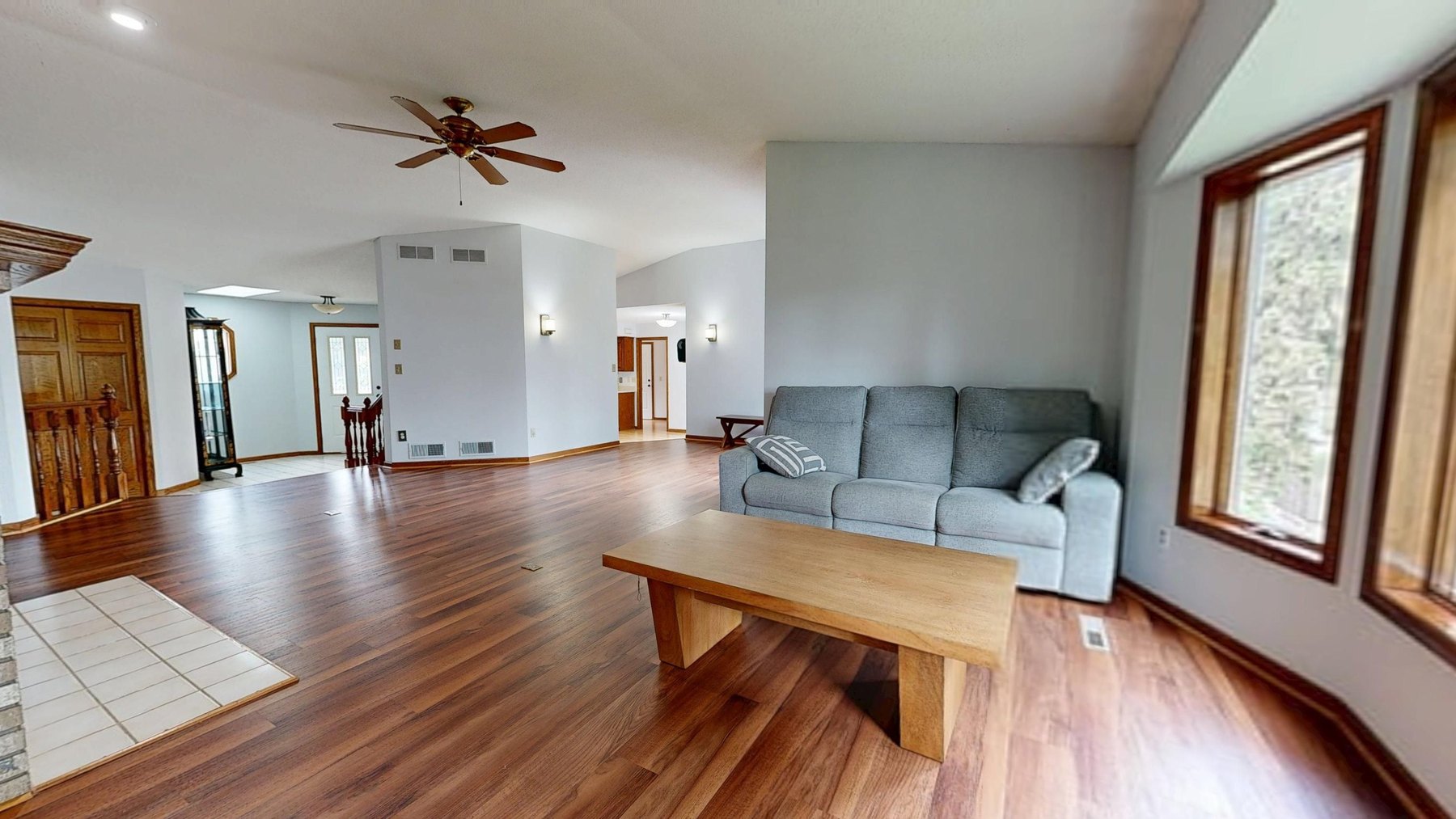
The first 1 to 2 weeks on market often bring the most serious buyers. If you overprice and sit, you may end up chasing the market with price cuts, and buyers may assume something is wrong.
Decision rules for pricing
- If you need to sell quickly (job relocation, carrying two mortgages): price at or slightly below the strongest comparable sales to encourage multiple offers.
- If you can wait (no deadline, strong savings): you can test a slightly higher price, but set a firm review date for adjustments.
- If your home is unique (custom build, acreage, unusual layout): rely on a wider comp set, consider an appraisal, and expect longer marketing time.
How to use comps like a pro
- Use sold comps first, not active listings.
- Match school zone, lot size, bed and bath count, and condition.
- Adjust for big-ticket differences: roof age, HVAC, windows, pool, finished basement, major remodels.
- Watch days on market and price reductions to gauge buyer resistance.
Prep that pays: improvements that often raise perceived value
Not every upgrade pays back. The goal is to remove buyer objections and make the home feel well maintained. In many markets, clean and move-in ready beats “luxury but quirky.”
High impact, lower cost tasks
- Deep clean – baseboards, grout, windows, odors, carpets.
- Declutter – reduce furniture, clear counters, organize closets.
- Paint – neutral walls, touch-ups on trim and doors.
- Lighting – brighter bulbs, consistent color temperature, replace broken fixtures.
- Curb appeal – mulch, edging, trimmed shrubs, fresh doormat, clean mailbox.
- Small repairs – leaky faucets, loose handles, squeaky doors, missing outlet covers.
When bigger projects can make sense
- Kitchen refresh (not full gut) – hardware, paint cabinets, updated faucet, modern light fixture.
- Bathroom refresh – recaulk, new mirror, updated vanity light, replace worn toilet seat.
- Flooring – replace heavily stained carpet or refinish scratched hardwood if it changes first impressions.
Upgrade decision rule: “Would this stop a buyer from offering?”
Before spending $5,000 to $25,000, ask:
- Is the issue visible in the first 30 seconds?
- Will buyers assume hidden problems because of it?
- Will it affect financing or appraisal (health and safety items, obvious deferred maintenance)?
- Can I fix it for less with a cosmetic refresh?
| Project | Typical buyer reaction | When it helps most | Main risk |
|---|---|---|---|
| Deep cleaning and decluttering | Feels bigger and better cared for | Always | Time intensive |
| Neutral interior paint | Move-in ready vibe | Scuffed walls, bold colors | Poor DIY finish can backfire |
| Minor kitchen refresh | Modern impression without full remodel | Dated but functional kitchens | Over customizing |
| Roof repair or replacement | Reduces inspection and insurance friction | Near end of life, visible issues | High cost, may not fully pay back |
| Landscaping cleanup | Better first impression | Overgrown yards, bare spots | Ongoing maintenance while listed |
Financing and appraisal realities that affect your sale price
Even when a buyer loves your home, the deal can be limited by what their lender and appraiser will support. Understanding this helps you choose the strongest offer, not just the highest number.
Common issues that can reduce the final price
- Low appraisal – buyer may ask for a price reduction or need to bring more cash.
- Repair requirements – some loans may require certain repairs for safety or habitability.
- Buyer debt-to-income constraints – buyer may need seller credits to cover closing costs, reducing your net.
How to reduce appraisal risk
- Ask your agent to prepare a comp packet with upgrades and recent sales.
- Keep receipts and permits for major work when available.
- Avoid overpricing beyond what recent sold comps support.
Offer comparison: choose the offer that nets you more
Two offers with the same price can produce very different outcomes. Compare the full package: financing, contingencies, timelines, and concessions.
Offer evaluation checklist
- Price and escalation clauses
- Earnest money amount and deadlines
- Financing type and down payment size
- Inspection contingency scope and length
- Appraisal contingency and any appraisal gap coverage
- Seller credits requested
- Closing date and possession terms
- Proof of funds for down payment and reserves
| Offer feature | Usually better for seller | What to verify | Tradeoff |
|---|---|---|---|
| Higher price | Yes, if it appraises and closes | Comparable sales support, buyer cash reserves | Higher appraisal risk if stretched |
| Large down payment | Often | Proof of funds, lender preapproval quality | May still ask for concessions |
| Short inspection period | Often | Deadlines in writing, what “inspection” covers | Rushed inspections can lead to renegotiation |
| Appraisal gap coverage | Often | Exact dollar amount and terms | Buyer may reduce other terms to compensate |
| Seller credit request | No | Credit amount, what it is for, net proceeds impact | Can help deal close if buyer is cash constrained |
Timing your sale: what to do under 1 year, 1 to 3 years, 3 to 7 years, and 7+ years
Your timeline changes which improvements are worth doing and how aggressive you should be on price.
Under 1 year
- Focus on low cost, fast prep: cleaning, paint, curb appeal, minor repairs.
- Avoid major remodels unless they fix a deal-breaking issue (for example, a failing roof).
- Price based on sold comps and current demand to reduce carrying costs.
1 to 3 years
- Consider mid-level refreshes that improve daily living and resale: lighting, flooring in high traffic areas, basic kitchen and bath updates.
- Track maintenance: HVAC servicing, gutter cleaning, exterior touch-ups.
3 to 7 years
- Plan larger maintenance items: roof, exterior paint, major appliances.
- Prioritize projects that reduce buyer uncertainty: water intrusion fixes, foundation drainage, electrical updates where needed.
7+ years
- Expect more buyers to compare your home to renovated listings.
- Decide whether to renovate strategically or price accordingly and sell as-is with strong disclosures.
Real number examples: choosing prep and negotiation strategies
Here are three simplified scenarios to show how “more money” depends on net proceeds, not just the headline price. Numbers are illustrative. Your local costs and market conditions will vary.
Scenario 1: Minimal prep vs. moderate prep
- Option A (minimal): Sell for $440,000. Spend $1,000 on cleaning and yard work. Concede $8,000 after inspection.
- Option B (moderate): Sell for $455,000. Spend $6,000 on paint, lighting, and minor repairs. Concede $2,000 after inspection.
If commissions and seller closing costs are similar, Option B may net more because it lifts price and reduces concessions. The key is to estimate both the price impact and the concession risk.
Scenario 2: Accepting a higher offer with higher risk
- Offer 1: $460,000 with appraisal gap coverage up to $10,000 and 20% down.
- Offer 2: $470,000 with 3.5% down and a large seller credit request.
Offer 2 might look better, but if it needs credits and is more exposed to appraisal issues, Offer 1 could be the safer path to a higher net.
Scenario 3: Carrying cost math
If your monthly carrying costs are $3,200 and overpricing causes an extra 45 days on market, that is roughly $4,800 in additional costs. Sometimes a sharper initial price can produce a better net even if the final price is slightly lower.
How to pay for repairs and prep without derailing your finances
Sellers often use cash savings for prep, but some consider financing. If you borrow, compare APR, fees, repayment terms, and the risk that the home takes longer to sell than expected.
Common ways sellers fund pre-sale costs
| Option | Best fit | What to compare | Main drawback |
|---|---|---|---|
| Cash savings | Small to moderate projects | Impact on emergency fund | Less liquidity if surprises come up |
| Home equity line of credit (HELOC) | Staged repairs over time | Variable APR, draw period, closing costs | Payment can rise if rates increase |
| Home equity loan | One-time larger project | Fixed APR, fees, term length | Less flexible than a line of credit |
| 0% intro APR credit card (for short term) | Smaller purchases you can repay fast | Promo length, post-promo APR, balance transfer fees | High interest if not repaid before promo ends |
| Contractor financing | Specific projects with clear terms | APR, fees, lien risk, payment schedule | Terms vary widely, can be expensive |
Simple cash allocation examples for pre-sale prep
These examples show how a seller might allocate cash on hand while keeping a buffer. Adjust to your income stability and monthly expenses.
- Allocation A (cash on hand: $15,000): $9,000 emergency fund (about 3 months of $3,000 expenses) + $4,000 prep budget + $2,000 moving and overlap costs = $15,000
- Allocation B (cash on hand: $30,000): $18,000 emergency fund (about 6 months of $3,000 expenses) + $8,000 prep budget + $4,000 closing and moving cushion = $30,000
- Allocation C (cash on hand: $50,000): $24,000 emergency fund (about 6 months of $4,000 expenses) + $15,000 targeted repairs + $6,000 staging and marketing extras + $5,000 overlap cushion = $50,000
Marketing that can lift offers without overspending
Once your home is ready, marketing should reduce uncertainty and increase buyer competition.
High leverage marketing elements
- Professional photos with good lighting and correct angles.
- Floor plan so buyers understand layout quickly.
- Pre-list inspection (optional) to identify issues early and plan repairs or pricing.
- Clear disclosures and a list of upgrades with dates.
- Showing strategy that creates urgency: concentrated showing windows, open houses when appropriate.
Negotiation tactics that protect your net
Negotiation is where many sellers lose money through unnecessary credits or poorly defined repair agreements.
Ways to handle inspection requests
- Prioritize safety and major function: electrical hazards, active leaks, HVAC failure.
- Offer credits carefully: a credit can be simpler than managing contractors, but it reduces your net and can affect buyer financing limits.
- Use thresholds: agree to fix items above a certain cost, or cap total concessions.
- Ask for receipts and re-inspection when you complete repairs.
Watch for common seller pitfalls
- Accepting the highest offer without checking financing strength.
- Agreeing to vague repair language that expands later.
- Letting a listing go stale before adjusting price or presentation.
- Ignoring small defects that signal poor maintenance.
Protect yourself from fraud and costly surprises
Real estate transactions involve large wire transfers and sensitive personal information. Take basic precautions.
- Confirm wiring instructions by calling a known number, not a number in an email.
- Be cautious with unsolicited offers and pressure tactics.
- Review closing documents early and ask questions about unfamiliar fees.
For more on avoiding scams and handling disputes, see the FTC consumer guidance at https://consumer.ftc.gov/.
Tax and mortgage payoff items to plan for
Your mortgage payoff amount can differ from your current balance because of interest, escrow, and timing. If you have a home equity loan or HELOC, confirm payoff procedures and any early termination fees.
- Request a payoff quote from your servicer close to closing.
- Ask your closing agent how property taxes and HOA dues are prorated.
- If you made major improvements, keep records in case you need them for tax basis calculations.
For general tax information, you can review IRS resources at https://www.irs.gov/.
Quick checklist: a 30 day plan to improve your sale outcome
Week 1: pricing and prep plan
- Pull sold comps and set a pricing strategy with review dates.
- Walk the home like a buyer and list visible defects.
- Get 2 to 3 quotes for any larger repairs.
Week 2: fix and refresh
- Complete the highest impact repairs first.
- Paint and lighting updates.
- Declutter closets and storage areas.
Week 3: stage and market
- Deep clean.
- Photos, floor plan, listing description.
- Prepare disclosures and upgrade list.
Week 4: showings and offer strategy
- Set showing windows and keep the home ready.
- Compare offers by net proceeds and risk, not price alone.
- Negotiate inspection items with caps and clear language.
Helpful resources for homeowners
- Mortgage and closing cost basics from the CFPB: https://www.consumerfinance.gov/
- Home buying and mortgage topics that affect appraisals and closing: https://www.consumerfinance.gov/consumer-tools/mortgages/
- Fraud prevention and scam reporting: https://consumer.ftc.gov/
If you focus on net proceeds, price based on real comps, fix the issues that scare buyers, and negotiate with clear limits, you put yourself in a stronger position to sell at a higher effective value and keep more of it.


