

Simple Financial Habits That Can Help You Build Wealth Over Time

Simple financial habits are the repeatable, low-drama actions that make your money easier to manage and your goals more realistic over time. You do not need a perfect budget or a high income to start. You need a few routines that reduce mistakes, lower borrowing costs, and keep you moving forward even when life gets busy.
Contents
34 sections
-
Why simple beats complicated
-
Simple financial habits that matter most
-
1) Track one number weekly: your "safe-to-spend" amount
-
2) Put bills on autopay, but keep a "buffer" checking balance
-
3) Build a starter emergency fund before aggressive payoff
-
4) Use a "one card rule" to control spending and build credit
-
5) Review your credit reports on a schedule
-
6) Pay down high-interest debt with a clear rule
-
7) Negotiate the "big three" bills once per year
-
Habit checklists you can copy
-
Weekly 10-minute money checklist
-
Monthly 30-minute money checklist
-
Quarterly money checklist
-
What this looks like with real numbers
-
Scenario A: Net income $3,000 per month, starting from scratch
-
Scenario B: Net income $5,000 per month, rebuilding credit and paying down cards
-
Scenario C: Net income $7,500 per month, stable finances and long-term goals
-
Timeline decision rules: where money goes based on when you need it
-
Borrowing habits that protect your future self
-
Compare loans using total cost, not just the payment
-
Use a simple "yes/no" rule before taking new debt
-
Know the red flags of risky lending
-
Debt payoff vs saving: a simple priority ladder
-
Table: Habit-to-impact matrix (pick your next best move)
-
Make it stick: a 30-day habit plan
-
Days 1 to 7: Stabilize
-
Days 8 to 15: Build a cash cushion
-
Days 16 to 23: Reduce interest drag
-
Days 24 to 30: Protect credit and prevent leaks
-
Common questions
-
How many habits do I need?
-
Should I save or pay off debt first?
-
What if my income is irregular?
-
Bottom line
This guide focuses on habits that tend to matter most for everyday households: cash flow, emergency savings, credit, debt payoff, and smart borrowing. You will also see real-number examples so you can picture what these habits look like in practice.
Why simple beats complicated
Many people quit financial plans because the plan is too hard to follow. Simple habits work because they:
- Reduce decision fatigue by automating the basics.
- Catch problems early (late fees, overdrafts, missed payments).
- Lower interest costs by improving credit and paying down high-rate debt faster.
- Create a buffer so you borrow less in emergencies.
Simple financial habits that matter most
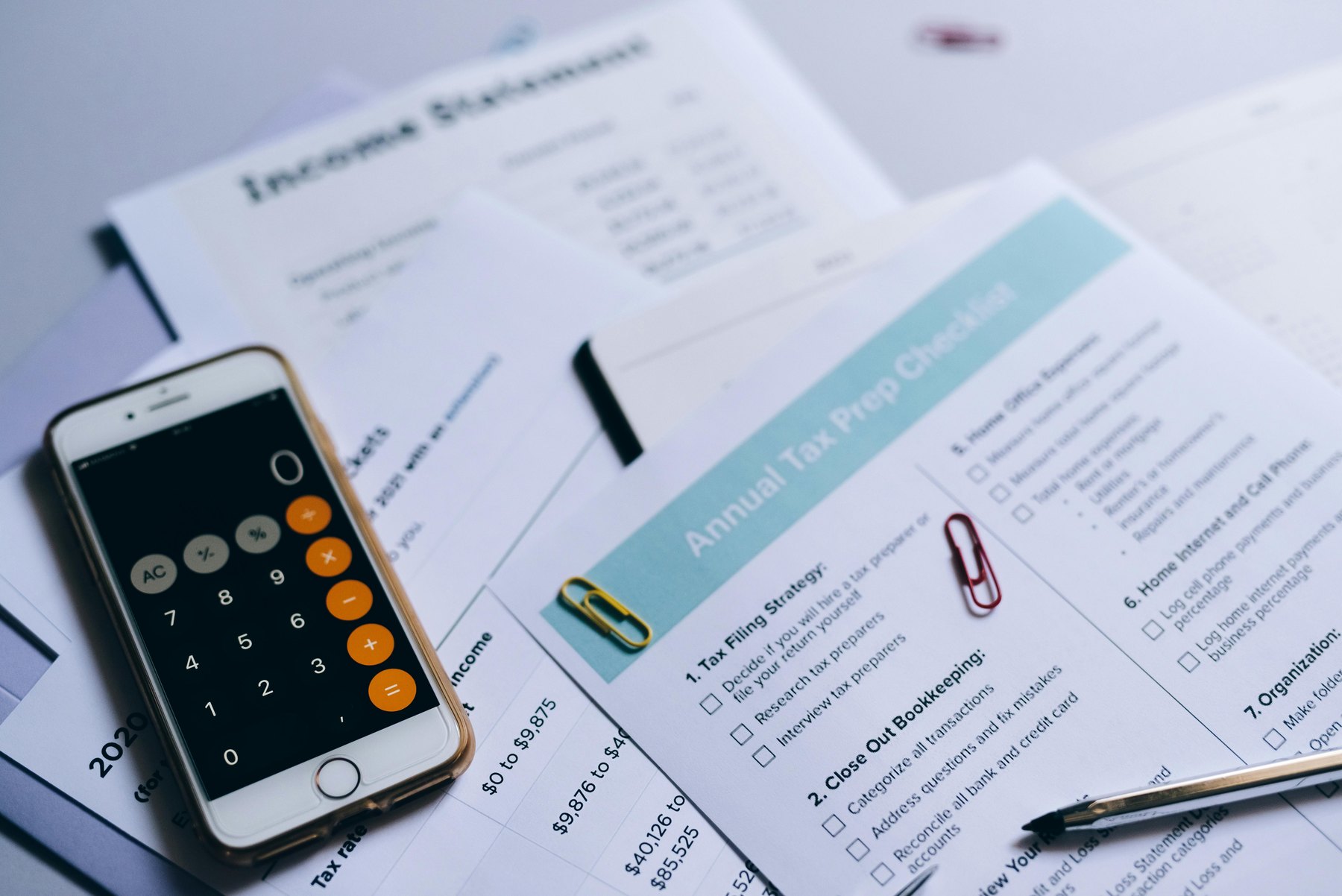
If you only do a few things, start here. These habits are listed in a practical order: stabilize cash flow first, then optimize.
1) Track one number weekly: your “safe-to-spend” amount
Instead of tracking every category daily, pick one weekly number that prevents overspending: how much you can spend after bills, minimum debt payments, and savings are covered.
- Step 1: Add up income you expect to receive this week.
- Step 2: Subtract bills due this week and any transfers you want to make to savings.
- Step 3: What is left is your safe-to-spend amount for groceries, gas, and everything else.
Decision rule: If your safe-to-spend is negative two weeks in a row, you need a change in either expenses (reduce, delay, negotiate) or income (extra hours, side work, benefits review).
2) Put bills on autopay, but keep a “buffer” checking balance
Autopay can prevent late fees and credit damage, but it works best with a buffer. A buffer is a minimum checking balance you try not to go below.
- Common buffer targets: $200, $500, or one week of expenses.
- Keep autopay for minimums on loans and credit cards.
- Manually pay extra toward your top-priority debt (more on that below).
Tip: If overdrafts are a risk, ask your bank about overdraft settings and alerts. The CFPB has guidance on avoiding overdraft fees at consumerfinance.gov.
3) Build a starter emergency fund before aggressive payoff
A small emergency fund can reduce the need to use high-interest credit cards or payday loans when something breaks.
- Starter goal: $500 to $1,000.
- Next goal: 3 to 6 months of essential expenses (rent, utilities, food, insurance, minimum debt payments).
Where to keep it: A federally insured savings account is common. If you are choosing a bank, confirm deposit insurance coverage and limits at fdic.gov.
4) Use a “one card rule” to control spending and build credit
If you are rebuilding credit or tend to overspend, use one credit card for a small, predictable bill (like a streaming service or phone bill), then pay it in full each month.
- Keep utilization low by not running up the balance.
- Set autopay for the statement balance if you can, or at least the minimum.
- Avoid applying for multiple cards in a short time if you plan to borrow soon.
5) Review your credit reports on a schedule
Credit reports can contain errors that affect borrowing costs. A simple habit is to check your reports regularly and dispute mistakes.
- Routine: Pull reports from the three major bureaus and review personal info, accounts, and inquiries.
- Where: Use AnnualCreditReport.com.
- What to look for: Accounts you do not recognize, wrong balances, incorrect late payments, or outdated negative items.
6) Pay down high-interest debt with a clear rule
Two common payoff methods are:
- Avalanche: Pay extra toward the highest APR debt first (often minimizes interest cost).
- Snowball: Pay extra toward the smallest balance first (often builds momentum).
Decision rule: If motivation is your biggest challenge, snowball can help. If math and total cost are your priority, avalanche is usually more efficient. Either way, keep making minimum payments on all debts to avoid fees and credit damage.
7) Negotiate the “big three” bills once per year
Small daily savings matter, but the largest wins often come from housing, transportation, and insurance.
- Housing: Consider roommates, refinancing (if it reduces total cost and fits your timeline), or negotiating renewal terms.
- Transportation: Shop auto insurance, review loan terms, and avoid rolling negative equity into a new loan when possible.
- Insurance and utilities: Compare plans, ask about discounts, and remove add-ons you do not need.
Habit checklists you can copy
Weekly 10-minute money checklist
- Check checking account balance and upcoming bills.
- Confirm minimum debt payments are scheduled.
- Set your safe-to-spend number for the week.
- Move a small amount to savings (even $10 to $25).
- Scan for unusual charges.
Monthly 30-minute money checklist
- Review last month’s spending for the top 3 categories.
- Pick one expense to reduce or cap this month.
- Make one extra payment toward your priority debt.
- Update your emergency fund target based on current expenses.
- Check your credit card utilization before the statement closes.
Quarterly money checklist
- Review credit reports for errors and outdated info.
- Re-shop insurance quotes and compare coverage.
- Review subscriptions and cancel unused services.
- Re-evaluate goals for the next 90 days.
What this looks like with real numbers
Below are three sample monthly allocations. These are examples, not rules. The point is to show how simple habits translate into a plan you can follow.
Scenario A: Net income $3,000 per month, starting from scratch
- Needs (rent, utilities, groceries, transport): $1,850
- Minimum debt payments (card, student loan, car): $350
- Starter emergency fund: $200
- Extra debt payoff (highest APR): $150
- Flexible spending (restaurants, fun, misc): $450
Total: $3,000
Habit focus: Autopay minimums, build $1,000 emergency fund, then increase extra debt payoff.
Scenario B: Net income $5,000 per month, rebuilding credit and paying down cards
- Needs: $2,700
- Minimum debt payments: $500
- Emergency fund (toward 3 months): $600
- Extra credit card payoff: $700
- Retirement investing (work plan or IRA): $300
- Flexible spending: $200
Total: $5,000
Habit focus: Keep utilization low, avoid new debt, and use avalanche payoff while building a cash buffer.
Scenario C: Net income $7,500 per month, stable finances and long-term goals
- Needs: $3,800
- Minimum debt payments: $400
- Emergency fund maintenance: $300
- Retirement investing: $1,500
- Short-term sinking funds (car repairs, travel, gifts): $700
- Extra mortgage or student loan principal (optional): $500
- Flexible spending: $300
Total: $7,500
Habit focus: Automate investing, keep sinking funds full, and make extra payments only after comparing interest rate, tax factors, and other goals.
Timeline decision rules: where money goes based on when you need it
Good habits include matching your savings and payoff strategy to your timeline.
| Time horizon | Primary goal | Common moves | Main risk to avoid |
|---|---|---|---|
| Under 1 year | Stability and cash readiness | Starter emergency fund, pay off small high-APR balances, build sinking funds | Taking market risk with money you may need soon |
| 1 to 3 years | Planned purchases and debt reduction | Increase emergency fund, targeted payoff, save for down payment or car repair fund | Overcommitting to long-term investments and needing to sell at a bad time |
| 3 to 7 years | Big goals with flexibility | Balance investing with debt payoff, keep cash reserves, avoid high-fee debt | Ignoring total borrowing cost (APR plus fees) |
| 7+ years | Long-term wealth building | Consistent retirement investing, keep credit strong, use debt strategically | Stopping contributions during normal market volatility |
Borrowing habits that protect your future self
Borrowing is not automatically bad, but expensive or poorly timed debt can slow progress. These habits can reduce the chance of taking on debt that is hard to repay.
Compare loans using total cost, not just the payment
A low monthly payment can hide a longer term and more interest paid overall. When comparing offers, look at:
- APR (interest plus certain costs expressed as a yearly rate)
- Fees (origination, late fees, prepayment penalties if any)
- Repayment term (months or years)
- Total of payments (principal plus interest over the full term)
Use a simple “yes/no” rule before taking new debt
- Yes if the purchase is necessary, the payment fits your budget with a buffer, and you have a plan to repay early if possible.
- No if you are borrowing for ongoing expenses (food, utilities) without a short-term plan to close the gap.
Know the red flags of risky lending
High-cost loans can create a cycle of re-borrowing. The FTC has resources on avoiding scams and unfair practices at consumer.ftc.gov.
- Pressure to act immediately
- Unclear fees or refusal to provide terms in writing
- Payments that do not reduce the principal much
- Repeated refinancing that adds fees
Debt payoff vs saving: a simple priority ladder
If you are unsure what to do next, use this order as a starting point:
- Pay minimums on all debts and keep current on essentials.
- Build a starter emergency fund ($500 to $1,000).
- Pay down high-interest debt (often credit cards).
- Build emergency fund toward 3 to 6 months of essential expenses.
- Increase retirement contributions, especially if you have an employer match.
- Save for medium-term goals (car replacement, home repairs, education).
Table: Habit-to-impact matrix (pick your next best move)
| Habit | Best for | How to start this week | Common pitfall |
|---|---|---|---|
| Autopay minimums | Avoiding late fees and credit hits | Set autopay for minimums on cards and loans | Autopay without a checking buffer |
| Weekly safe-to-spend number | Stopping overspending fast | Calculate income minus bills minus savings transfer | Forgetting irregular expenses |
| Starter emergency fund | Reducing reliance on credit | Open savings and transfer $25 to $50 | Investing emergency money in volatile assets |
| Avalanche payoff | Lowering interest costs | List debts by APR and target the highest | Stopping after one month |
| Credit report review | Fixing errors and improving terms | Pull reports and dispute inaccuracies | Only checking score, not the report details |
| Annual bill negotiation | Big savings with fewer changes | Re-shop insurance and internet plans | Cutting coverage too far to save money |
Make it stick: a 30-day habit plan
Days 1 to 7: Stabilize
- Set autopay for minimum debt payments.
- Create a $200 to $500 checking buffer goal.
- Calculate your weekly safe-to-spend number.
Days 8 to 15: Build a cash cushion
- Open or designate a savings account for emergencies.
- Schedule a weekly transfer (even small).
- Create one sinking fund category (car repairs or medical).
Days 16 to 23: Reduce interest drag
- List debts with balances, APRs, and minimum payments.
- Pick avalanche or snowball and set one extra payment.
- If you are considering refinancing or consolidation, compare APR, fees, and term length before applying.
Days 24 to 30: Protect credit and prevent leaks
- Pull credit reports and note errors or unfamiliar accounts.
- Cancel one unused subscription.
- Set alerts for low balance and large transactions.
Common questions
How many habits do I need?
Start with two: autopay minimums and a weekly safe-to-spend number. Add emergency savings next. More habits only help if you can keep them going.
Should I save or pay off debt first?
Many people do both: a small emergency fund plus targeted payoff. The goal is to avoid new high-interest debt while you work down existing balances.
What if my income is irregular?
Use a conservative baseline income (your lowest typical month) for fixed bills. In higher-income months, top up your buffer, emergency fund, and priority debt.
Bottom line
Building wealth is often less about big wins and more about repeating a few simple financial habits: automate the essentials, keep a cash buffer, reduce high-interest debt, and protect your credit. If you want one next step, set your weekly safe-to-spend number today and schedule one automatic transfer to savings. Then repeat next week.


