

How to Find and Buy Top Solana Meme Coins

Solana meme coins can be easy to access and fast to trade, but they also come with real risks like scams, extreme price swings, and fake tokens.
Contents
36 sections
-
What Solana meme coins are and why they move so fast
-
Common ways people get exposed
-
What drives price
-
Solana meme coins: a practical checklist to find candidates
-
Where to discover tokens (and what each is good for)
-
Decision rules before you even consider buying
-
How to verify a Solana meme coin before buying
-
Step 1: Confirm the contract (mint) address
-
Step 2: Check liquidity and trading venue
-
Step 3: Check holder distribution and wallet behavior
-
Step 4: Watch for common scam patterns
-
Where to buy: exchanges, wallets, and DEX routes (named options)
-
Common named options people use
-
Step by step: how to buy a Solana meme coin using a wallet and DEX
-
1) Set up a Solana wallet
-
2) Buy SOL or USDC and move it to your wallet
-
3) Find the correct token mint address
-
4) Set slippage and trade size
-
5) Execute the swap and verify the received token
-
Costs to watch: fees, spreads, slippage, and taxes
-
Risk management with real numbers (position sizing and timelines)
-
Start with a simple hierarchy
-
Three sample allocations that add up
-
Position sizing rule of thumb
-
Timeline decision rules
-
Security habits that matter on Solana
-
Wallet and device basics
-
Link hygiene
-
What to do if you think you were scammed
-
A quick pre-trade checklist you can reuse
-
Common mistakes when buying Solana meme coins
-
Buying by ticker instead of mint address
-
Going all in on the first trade
-
Ignoring exit liquidity
-
Overtrading
-
Bottom line: a repeatable process beats hype
This guide walks through a practical, step by step process to find tokens, verify what you are buying, choose a trading route, and manage position size with real numbers. You will also see a comparison of common platforms and tools so you can decide what fits your situation.
What Solana meme coins are and why they move so fast
Meme coins are crypto tokens that lean on internet culture, jokes, and community momentum more than a business model. On Solana, they often trade quickly because transactions are typically fast and fees are usually low compared with some other chains. That speed can be a benefit for execution, but it also means hype cycles can form and break in hours.
Common ways people get exposed
- DEX trading on Solana (swapping SOL for a token in a wallet).
- Centralized exchanges (buying a listed token with USD or USDC).
- Launchpads and new listings (higher risk, less history).
What drives price
- Liquidity: thin liquidity can cause huge moves on small buys and sells.
- Concentration: if a few wallets hold most tokens, they can move the market.
- Attention: social posts, influencer mentions, and trending lists can spike demand.
- Listings: a new exchange listing can change access and volume.
Solana meme coins: a practical checklist to find candidates
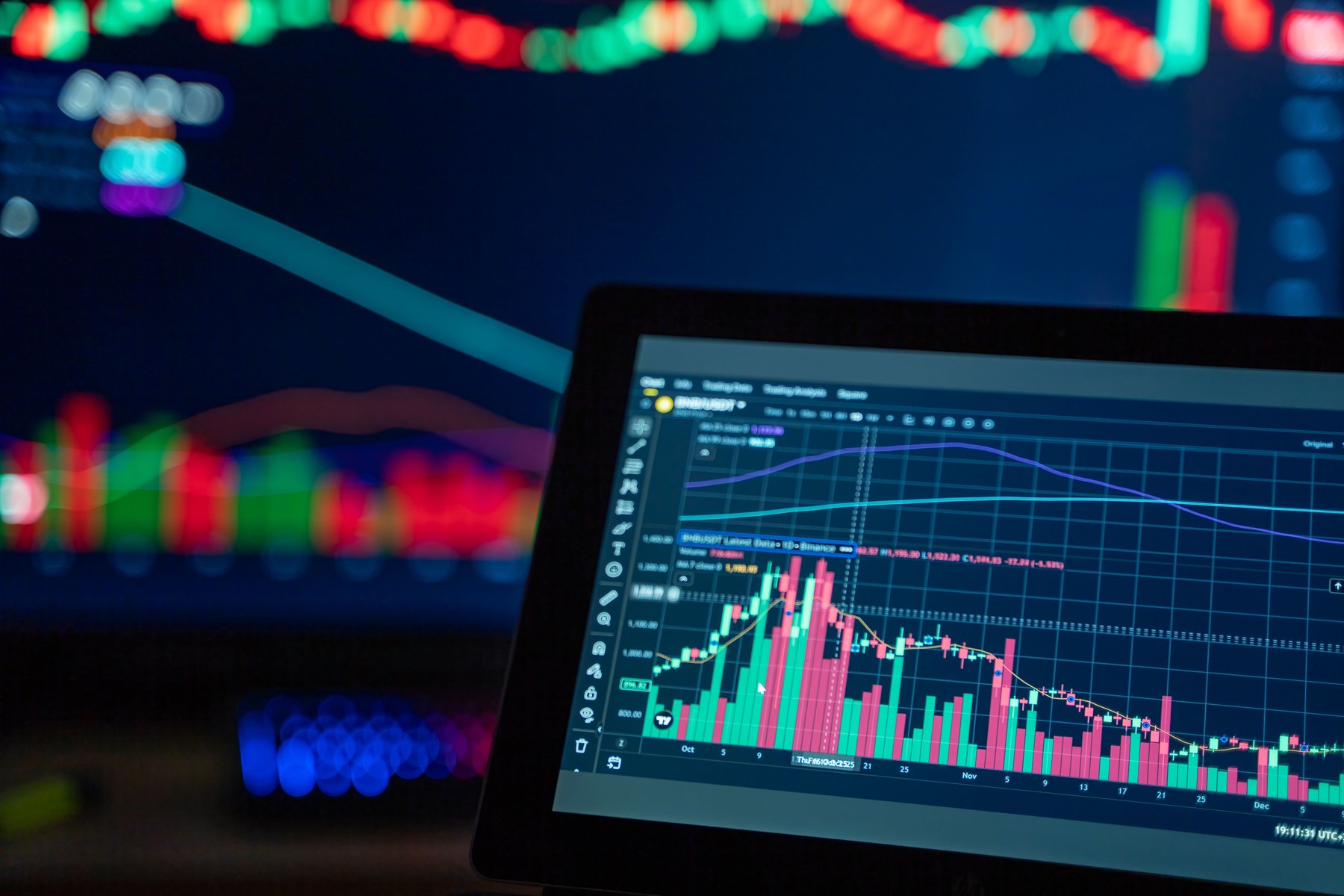
Finding tokens is easy. Filtering for quality and avoiding obvious traps is the hard part. Use a repeatable checklist so you are not relying on hype alone.
Where to discover tokens (and what each is good for)
- DEX aggregators like Jupiter – good for price quotes across pools and routing swaps.
- Market data sites like CoinGecko and CoinMarketCap – good for basic stats and links, but verify contract addresses.
- On-chain analytics like Birdeye and DexScreener – good for charts, liquidity, and wallet activity.
- Social feeds like X and Telegram – good for sentiment, but also where many scams start.
Decision rules before you even consider buying
- Rule 1: Verify the token address from multiple sources. Do not trust a screenshot or a ticker symbol alone.
- Rule 2: Check liquidity depth. If a small trade moves price a lot, expect painful slippage.
- Rule 3: Check holder concentration. If top wallets control most supply, exits can be brutal.
- Rule 4: Look for obvious red flags like copied branding, fake links, or sudden contract changes.
- Rule 5: Decide your max loss before you buy. If you cannot name the number, you are not ready to trade it.
How to verify a Solana meme coin before buying
Verification is about reducing avoidable mistakes: buying the wrong token, entering a malicious link, or trading into a pool that can be manipulated.
Step 1: Confirm the contract (mint) address
On Solana, the token identifier is the mint address. Match it across at least two independent sources, such as a market data site and an on-chain charting tool. If you cannot confirm it, skip it.
Step 2: Check liquidity and trading venue
On tools like Birdeye or DexScreener, look for:
- Liquidity size (bigger is usually harder to manipulate).
- Number of pools and which pool has real volume.
- Recent trades that look organic, not repetitive bot patterns.
Step 3: Check holder distribution and wallet behavior
High concentration is not automatically a dealbreaker, but it changes your risk. If a handful of wallets can dump on the market, your exit may be difficult.
Step 4: Watch for common scam patterns
- Impersonation tokens using a popular ticker and logo.
- Malicious airdrops that try to get you to connect your wallet to a fake site.
- Phishing links in replies and DMs.
For general scam awareness and how to spot fraud patterns, the FTC has practical guidance at https://consumer.ftc.gov/.
Where to buy: exchanges, wallets, and DEX routes (named options)
You can buy Solana meme coins through centralized exchanges (CEXs) if the token is listed, or through decentralized exchanges (DEXs) using a self custody wallet. Many meme coins appear on DEXs first and may never reach major CEX listings.
Common named options people use
- Wallets: Phantom, Solflare, Backpack
- DEX and aggregators: Jupiter, Raydium, Orca
- Centralized exchanges (availability varies): Coinbase, Kraken, Binance, OKX, Bybit
| Option | Best fit | What to compare | Main drawback |
|---|---|---|---|
| Phantom (wallet) | Simple self custody swaps and viewing tokens | Security features, swap routing, supported hardware wallets | You manage keys and mistakes are hard to reverse |
| Solflare (wallet) | Self custody with more advanced Solana features | Staking tools, hardware wallet support, in app swaps | Still self custody risk and phishing risk |
| Jupiter (DEX aggregator) | Finding best swap route across Solana pools | Slippage controls, route quality, price impact | New tokens can be volatile and pools can be thin |
| Raydium (DEX) | Trading tokens that live in Raydium pools | Pool liquidity, fees, price impact | Not every token has healthy liquidity |
| Coinbase (CEX) | Buying SOL with USD and basic custody | Trading fees, spreads, withdrawal fees, listing availability | Not all meme coins are listed, withdrawals can take time |
| Kraken (CEX) | Fiat on ramp and spot trading for listed assets | Fees, funding methods, withdrawal limits | Token selection varies by region |
Step by step: how to buy a Solana meme coin using a wallet and DEX
This is the most common route for newer Solana tokens. The exact screens vary by app, but the flow is similar.
1) Set up a Solana wallet
- Install Phantom, Solflare, or Backpack from the official site or app store listing.
- Create a new wallet and store your recovery phrase offline.
- Consider a hardware wallet for larger balances.
2) Buy SOL or USDC and move it to your wallet
- Buy SOL on a CEX (Coinbase, Kraken, Binance, OKX, Bybit) or via an on ramp inside your wallet if available.
- Withdraw to your Solana wallet address. Double check the address.
- Keep a small amount of SOL for network fees.
3) Find the correct token mint address
- Use CoinGecko or CoinMarketCap for a starting point, then confirm on Birdeye or DexScreener.
- Paste the mint address into Jupiter or your wallet swap search.
4) Set slippage and trade size
- Slippage is how much price can move between quote and execution. Thin pools may require higher slippage, which increases the chance of a bad fill.
- Start with a smaller test swap to confirm you have the right token and the pool behaves normally.
5) Execute the swap and verify the received token
- After swapping, confirm the token appears in your wallet and matches the mint address you verified.
- If a token does not show, add it by mint address rather than searching by ticker.
Costs to watch: fees, spreads, slippage, and taxes
Meme coin trading costs are often more about slippage and spreads than the visible network fee.
| Cost or risk | Where it shows up | How to reduce it | Tradeoff |
|---|---|---|---|
| Trading fees | CEX fee schedule or DEX pool fee | Compare fee tiers, avoid overtrading | Lower fees may require higher volume or holding tokens |
| Spread | Difference between buy and sell price | Use limit orders where available, trade liquid markets | Limit orders may not fill |
| Slippage | DEX swaps, thin liquidity pools | Lower trade size, choose deeper pools, set slippage caps | Too low a cap can cause failed transactions |
| Withdrawal fees and delays | Moving assets off a CEX | Check current withdrawal fees and limits before funding | Keeping funds on exchange adds custody risk |
| Tax reporting complexity | Multiple swaps across wallets and DEXs | Track every trade, export histories, use consistent records | More tools and time required |
If you are in the US, crypto activity can create taxable events. The IRS provides a starting point for how it treats digital assets at https://www.irs.gov/.
Risk management with real numbers (position sizing and timelines)
Meme coins are a high volatility bucket. A practical approach is to decide how much of your total financial picture you are willing to risk, then size each position so one bad trade does not derail your budget.
Start with a simple hierarchy
- Tier 1: Bills and near term needs – rent, food, debt payments, insurance.
- Tier 2: Emergency buffer – commonly 3 to 12 months of essential expenses, depending on job stability and dependents.
- Tier 3: Long term goals – retirement and other diversified investing.
- Tier 4: Speculative – meme coins and other high risk trades.
Three sample allocations that add up
Scenario A: $1,000 total available to invest (new to crypto, low risk tolerance)
- $850 to a high yield savings buffer or short term goals
- $100 to diversified long term investing
- $50 to meme coins (speculative bucket)
Scenario B: $5,000 total available to invest (has emergency fund already, moderate risk tolerance)
- $2,500 to diversified long term investing
- $2,000 to cash or short term savings for planned expenses
- $500 to meme coins
Scenario C: $20,000 total available to invest (stable income, higher risk tolerance, still wants guardrails)
- $12,000 to diversified long term investing
- $6,000 to cash and short term reserves
- $2,000 to meme coins
Position sizing rule of thumb
If your speculative bucket is $500, consider splitting it into 5 to 10 positions (for example $50 to $100 each) rather than placing it all into one token. Concentration can work both ways, but it increases the chance of a large drawdown.
Timeline decision rules
- Under 1 year: prioritize liquidity and stability. Meme coins generally do not match short deadline goals like rent, tuition, or a car down payment.
- 1 to 3 years: keep most funds in lower volatility options if you need the money on schedule. If you allocate to meme coins, keep it small and assume it could drop sharply.
- 3 to 7 years: you can take more market risk, but meme coins are still speculative. Consider focusing on diversified strategies for the core and keep meme coins as a capped side bucket.
- 7+ years: long horizons can absorb volatility, but concentration risk remains. A small speculative allocation can be easier to stick with than a large one.
Security habits that matter on Solana
Wallet and device basics
- Use a unique password and enable device level security.
- Do not store your recovery phrase in email, cloud notes, or screenshots.
- Consider a separate browser profile for crypto activity.
Link hygiene
- Type URLs manually or use trusted bookmarks for Jupiter, Raydium, and your wallet.
- Be cautious with DMs and reply links, especially for airdrops and presales.
What to do if you think you were scammed
- Disconnect your wallet from suspicious sites.
- Move remaining assets to a fresh wallet if you believe keys were compromised.
- Report fraud when appropriate. The CFPB has consumer resources on financial scams and complaints at https://www.consumerfinance.gov/.
A quick pre-trade checklist you can reuse
- Mint address verified in at least two places
- Liquidity looks reasonable for your trade size
- Holder concentration checked and understood
- Slippage cap set and test trade considered
- Exit plan defined (profit target, max loss, time limit)
- Only risk money you can afford to lock up or lose
- Trades tracked for taxes and recordkeeping
Common mistakes when buying Solana meme coins
Buying by ticker instead of mint address
Tickers are easy to copy. The mint address is what matters.
Going all in on the first trade
Start small, confirm you can buy and sell without extreme slippage, then decide whether to add.
Ignoring exit liquidity
It is not enough that you can buy. You need to be able to sell without moving the market too much.
Overtrading
Frequent swaps can compound fees, spreads, and tax complexity. A simple plan can beat constant chasing.
Bottom line: a repeatable process beats hype
The most useful edge in meme coin trading is not speed. It is process: verify the token, understand liquidity, size your position with a capped speculative budget, and keep your security habits tight. If you treat Solana meme coins as a high risk slice of your overall plan, you can participate while keeping the rest of your finances on track.
For broader consumer protection and fraud reporting resources, you can also review https://consumer.ftc.gov/.


