

News People Stockpiling Goods Trump Tariffs Mistake

Stockpiling goods before Trump tariffs is showing up in the news because people worry that import taxes could raise prices on everyday items. Buying ahead can sometimes help, but it can also create cash flow problems, credit card debt, and wasted purchases. The best move is usually not a panic buy. It is a plan that protects your budget first, then targets only the items where buying early is most likely to pay off.
Contents
30 sections
-
How tariffs can affect prices (and why timing is tricky)
-
Stockpiling goods before Trump tariffs: a decision checklist
-
What to stockpile (and what not to): practical categories
-
Often reasonable to buy ahead
-
Usually risky to stockpile
-
Real numbers: when "buy now" helps and when it backfires
-
Example 1: Small win with cash
-
Example 2: Backfire with credit card interest
-
Example 3: The hidden cost of "wrong item" risk
-
Budget rules that reduce panic buying
-
Sample allocations with real dollar amounts (that add up)
-
Allocation A: $500 extra cash this month
-
Allocation B: $1,500 extra cash (tax refund or bonus)
-
Allocation C: $3,000 extra cash with no credit card debt
-
Borrowing to stockpile: options to compare (and the main drawback)
-
Decision rule: compare financing cost to expected price change
-
Timeline decision rules: under 1 year, 1 to 3 years, 3 to 7 years, 7+ years
-
Under 1 year
-
1 to 3 years
-
3 to 7 years
-
7+ years
-
Ways to reduce tariff exposure without stockpiling
-
1) Substitute and diversify brands
-
2) Use price tracking and alerts
-
3) Improve your household "efficiency"
-
4) Strengthen your credit before you need it
-
Common mistakes people make when stockpiling
-
A simple "smart stockpile" plan you can follow this week
-
Where to verify tariff and consumer protection information
-
Bottom line: buy ahead selectively, not emotionally
This guide breaks down how tariffs can affect prices, how to decide what (if anything) to stockpile, and how to avoid turning a shopping trip into long term debt. You will also see real number examples and a borrowing comparison table if you are tempted to finance a bulk purchase.
How tariffs can affect prices (and why timing is tricky)
A tariff is a tax on imported goods. Companies may absorb part of the cost, switch suppliers, or pass some of the cost to consumers. The price change you see at the register depends on several moving parts:
- Inventory already in the country – retailers may sell existing stock at old prices for weeks or months.
- Contracts and hedging – some importers lock in prices ahead of time.
- Competition – if multiple brands compete, price increases may be smaller or delayed.
- Substitutes – if a non imported alternative exists, shoppers may switch and limit price hikes.
- Retail promotions – sales can temporarily hide increases.
That uncertainty is why broad stockpiling often disappoints. You might buy too early (missing sales), buy the wrong items (prices do not rise much), or tie up cash you need for bills.
Stockpiling goods before Trump tariffs: a decision checklist
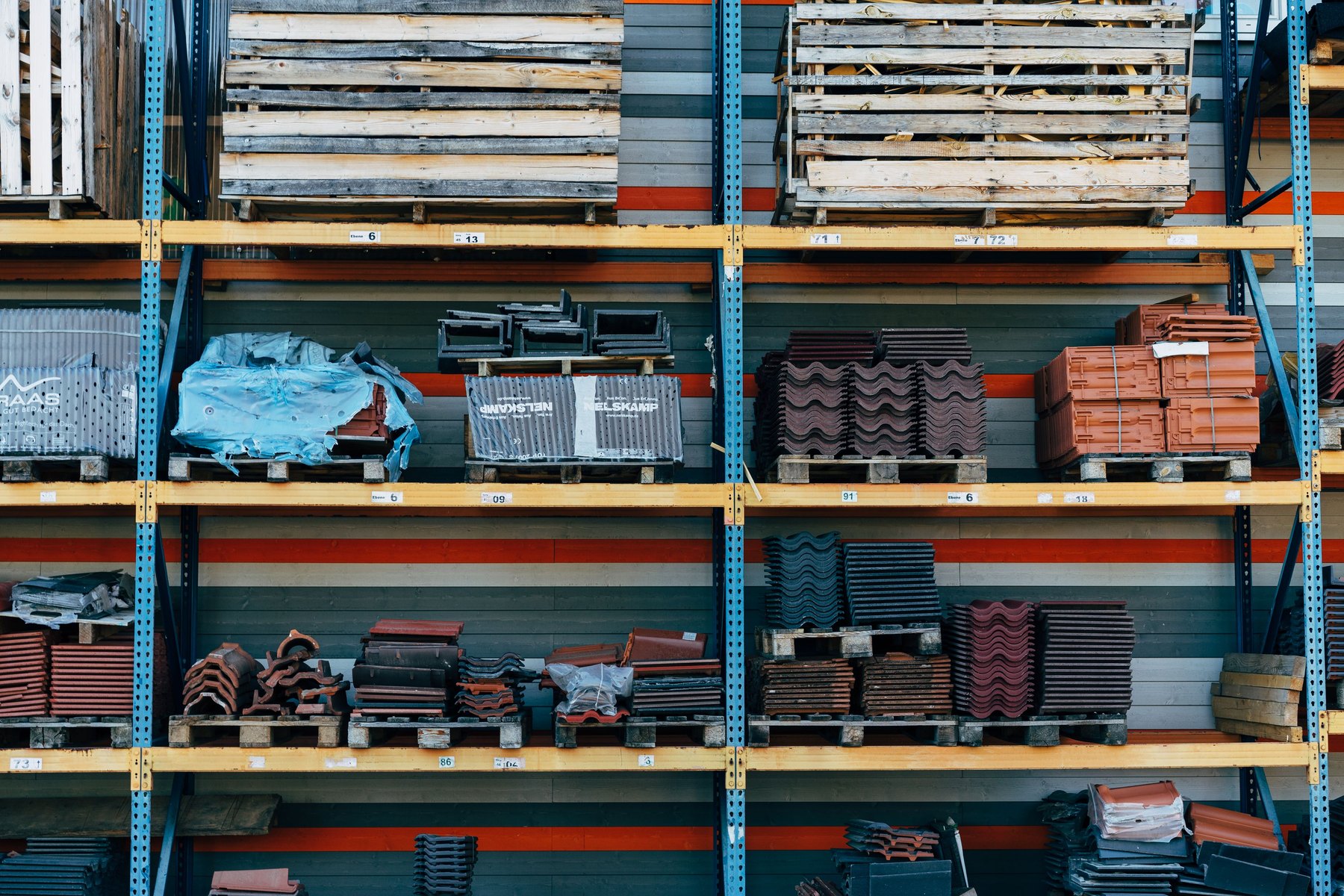
Use this checklist to decide whether buying ahead is reasonable for your household. A “yes” does not automatically mean buy. It means the idea deserves a closer look.
| Question | If YES | If NO |
|---|---|---|
| Is it a true need you will use within 6 to 12 months? | Lower risk of waste and regret. | High risk of clutter, spoilage, or resale loss. |
| Can you store it safely (dry, cool, secure) without damage? | Stocking up is more practical. | Storage costs and damage can erase savings. |
| Would you pay cash without touching your emergency fund? | Less chance of debt spiral. | Debt interest may exceed any price increase avoided. |
| Is the item historically stable in your household budget (you always buy it)? | Buying ahead is easier to justify. | You may be guessing, which increases waste. |
| Have you checked unit price and return policy? | You can compare real savings. | Bulk packaging can cost more per unit. |
What to stockpile (and what not to): practical categories
Often reasonable to buy ahead
- Nonperishables you already use – toilet paper, diapers, detergent, trash bags, toothpaste.
- Over the counter basics – if you regularly use them and they are not expiring soon. Check dates.
- Routine household replacements – air filters, water filters, razor blades, printer ink if you truly use it.
- Planned big purchases with a near date – a laptop for school next month, a phone replacement you already budgeted for, or tires you know you need soon.
Usually risky to stockpile
- Perishables – food that spoils, even if frozen, can be wasted if power fails or tastes change.
- Trendy electronics – prices can fall due to new models, promotions, or competition.
- Anything you would finance on a credit card – interest can outrun the price increase you are trying to avoid.
- Large quantities of unfamiliar items – new brand, new size, new product. Test first.
Real numbers: when “buy now” helps and when it backfires
Tariff headlines can make any price increase feel urgent. Put the math on paper.
Example 1: Small win with cash
You spend $40 per month on household staples. You consider buying 6 months now: $240. If prices rise 10% later, you avoid about $24 in higher costs. If you pay cash and you have storage, that can be a reasonable trade.
Example 2: Backfire with credit card interest
You put a $1,200 bulk purchase on a credit card and take 12 months to pay it off. If your card APR is 20% to 30% (common ranges), interest could easily exceed $100 to $250 depending on payment pattern. Even if prices rise 10%, your avoided increase might be only $120. The interest can wipe out the benefit or make it worse.
Example 3: The hidden cost of “wrong item” risk
You buy $600 of specialty coffee because you think it will jump in price. Then you find a cheaper substitute you like, or the store runs a promotion, or you simply do not drink as much. If you waste 25% of it, that is $150 lost, which is larger than many realistic tariff related increases on groceries.
Budget rules that reduce panic buying
Before you stockpile, set guardrails that keep your essentials covered.
- Rule 1: Bills first – rent or mortgage, utilities, insurance, minimum debt payments, and groceries come before bulk buys.
- Rule 2: Keep an emergency fund intact – many households target 3 to 6 months of essential expenses. If you are building from scratch, even $500 to $1,000 can prevent credit card reliance.
- Rule 3: Cap stockpiling – a simple cap is 1% to 3% of monthly take home pay per month for 2 to 3 months, focused only on items you already buy.
- Rule 4: Track unit price – compare price per ounce, per sheet, per count. Bigger is not always cheaper.
Sample allocations with real dollar amounts (that add up)
Below are three ways a household might allocate money if they have extra cash and are thinking about buying ahead. These are examples, not a one size plan.
Allocation A: $500 extra cash this month
- $250 to emergency fund
- $150 to pay down high interest credit card balance
- $100 to targeted stockpile (2 to 3 staples you use weekly)
Total: $500
Allocation B: $1,500 extra cash (tax refund or bonus)
- $900 to emergency fund (or to reach a $1,000 starter cushion)
- $400 to upcoming known expense (car insurance, school fees, car repair sinking fund)
- $200 to stockpile (household essentials only)
Total: $1,500
Allocation C: $3,000 extra cash with no credit card debt
- $2,000 to emergency fund (or to reach 3 months of essentials)
- $600 to a planned purchase you will make within 90 days (laptop, tires, appliance)
- $400 to stockpile and price lock efforts (staples plus one larger item only if you already planned it)
Total: $3,000
Borrowing to stockpile: options to compare (and the main drawback)
If you are considering borrowing to buy ahead, compare the total cost of financing against the realistic price increase you are trying to avoid. In many cases, borrowing for stockpiling is more expensive than simply paying future prices. Still, people sometimes borrow because of timing, like replacing a broken appliance before a potential price jump.
| Option | Best fit | What to compare | Main drawback |
|---|---|---|---|
| 0% intro APR credit card (examples: Chase Freedom Unlimited, Citi Simplicity, Wells Fargo Active Cash) | Planned purchase you can repay within promo period | Promo length, post promo APR, balance transfer fees, credit limit | High APR after promo if you carry a balance |
| Personal loan (examples: SoFi, LightStream, Discover Personal Loans) | Fixed payment for a necessary purchase, clear payoff timeline | APR range, origination fee, term length, prepayment policy | Interest cost may exceed any price increase avoided |
| Buy now pay later (examples: Affirm, Klarna, Afterpay) | Small purchase with short repayment and clear terms | Fees, interest, late payment policy, autopay requirements | Easy to stack multiple plans and lose track |
| Retailer financing (examples: Best Buy financing, Home Depot credit card offers) | Appliance or electronics purchase with a true 0% promo you can meet | Deferred interest rules, promo end date, required minimum payment | Deferred interest can be costly if not paid in full on time |
| Home equity loan or HELOC | Large, necessary home related purchase with disciplined repayment | Variable vs fixed rate, closing costs, draw period, repayment terms | Your home is collateral, and rates can change on HELOCs |
Decision rule: compare financing cost to expected price change
- Estimate the likely price increase you are trying to avoid (for example 5% to 15%).
- Estimate the financing cost (interest and fees) over the payoff timeline.
- If financing cost is close to or higher than the avoided increase, buying ahead with debt is usually not worth it.
Timeline decision rules: under 1 year, 1 to 3 years, 3 to 7 years, 7+ years
Under 1 year
- Focus on cash flow stability: emergency fund, catching up on bills, reducing high APR debt.
- Stockpile only items you will use within 6 to 12 months and can store safely.
- Avoid long payoff plans for consumables.
1 to 3 years
- Use sinking funds for known replacements: appliances, tires, phones, school tech.
- If you expect price volatility, prioritize buying when you see a real sale, not just a headline.
- Keep purchases aligned with warranty timing and realistic usage.
3 to 7 years
- Big purchases matter more than pantry items: vehicles, major appliances, home repairs.
- Build credit strength and savings so you can shop for better terms if you need financing.
- Consider total cost of ownership, not just sticker price (maintenance, energy use, insurance).
7+ years
- Tariff cycles come and go. Focus on resilient finances: emergency fund, manageable debt, diversified long term investing if appropriate for your goals.
- For durable goods, buy based on need, reliability, and long term value, not short term news.
Ways to reduce tariff exposure without stockpiling
1) Substitute and diversify brands
If a product category gets more expensive, switching brands or choosing store brands can reduce the impact. Keep a short list of acceptable alternatives before prices move.
2) Use price tracking and alerts
For planned electronics or appliances, track prices for 4 to 8 weeks. Buying during a real promotion can beat any benefit from buying early at full price.
3) Improve your household “efficiency”
- Use the right amount of detergent and cleaning products.
- Replace HVAC filters on schedule to avoid higher energy bills.
- Maintain your car to prevent expensive repairs that force borrowing.
4) Strengthen your credit before you need it
If prices rise and you need to finance a necessary replacement, better credit can expand your options. Practical steps include paying on time, keeping utilization lower, and checking your credit reports for errors. You can get free weekly reports at AnnualCreditReport.com.
Common mistakes people make when stockpiling
- Buying too much of one item – a balanced list beats a mountain of one product.
- Ignoring expiration dates – especially for medications, baby formula, and some foods.
- Using debt for consumables – interest can quietly become the biggest “price increase.”
- Not checking return policies – bulk items can be hard to return once opened.
- Forgetting insurance deductibles – tying up cash in goods can leave you short if you have a car or home claim.
A simple “smart stockpile” plan you can follow this week
- List your top 15 repeat buys (things you purchase every month).
- Circle the 5 that are easiest to store and have long shelf life.
- Set a dollar cap (for example $50 to $150 total this month).
- Buy only if unit price is equal or better than your normal price.
- Store and rotate – put new items behind old items so you use older stock first.
Where to verify tariff and consumer protection information
- For consumer financial tools and complaint options, visit the Consumer Financial Protection Bureau.
- For avoiding scams and misleading pricing claims, see the Federal Trade Commission consumer advice.
- To understand deposit insurance if you are keeping more cash on hand, review the FDIC basics on insured accounts.
Bottom line: buy ahead selectively, not emotionally
Tariff news can be a useful reminder to tighten your budget and plan purchases. But the most common “mistake” is turning uncertainty into debt. If you can pay cash, keep your emergency fund intact, and focus on items you will definitely use within 6 to 12 months, a small targeted stockpile can make sense. If buying ahead requires financing or creates stress on your monthly bills, you are usually better off building cash reserves and shopping smarter over time.


