

Storm Damage Home Repair Scams: How to Spot, Avoid, and Pay Safely

Storm damage home repair scams often surge after hurricanes, tornadoes, floods, wildfires, and hailstorms, when homeowners are stressed and repairs feel urgent. Knowing the most common tricks, how legitimate contractors operate, and how to pay safely can help you protect your home, your insurance claim, and your credit.
Contents
33 sections
-
Why scams spike after storms
-
Storm damage home repair scams: the most common plays
-
1) "Free inspection" that turns into a high pressure contract
-
2) The "insurance will pay for everything" promise
-
3) Large upfront deposit or cash only demand
-
4) "We found extra damage" and the price doubles
-
5) Door to door "leftover materials" deal
-
6) Assignment of Benefits (AOB) pressure
-
7) Fake charity or "government grant" repair program
-
8) "We can start today" without permits or documentation
-
Red flag checklist you can use on the spot
-
How to vet a contractor fast without cutting corners
-
Step 1: Stabilize the home first, then slow down
-
Step 2: Verify identity and credentials
-
Step 3: Confirm storm experience and local references
-
Step 4: Demand a detailed written estimate
-
Contract terms that protect you (and what to avoid)
-
Include these terms
-
Avoid these terms
-
How to pay for storm repairs safely
-
Safer payment habits
-
Financing options if insurance or savings are not enough
-
Real number examples: what financing could look like
-
Decision rules by timeline: how long you need the money matters
-
Under 1 year
-
1 to 3 years
-
3 to 7 years
-
7+ years
-
How to handle insurance checks and paperwork without getting trapped
-
What to do if you think you have been targeted or scammed
-
Practical "safe hire" process you can follow in 60 minutes
-
Extra protection: credit freezes and identity checks after disasters
-
Bottom line
Why scams spike after storms
After a major storm, demand for labor and materials jumps fast. That creates a perfect environment for scammers and for low quality operators who overpromise. You may also be dealing with:
- Limited access to your property and temporary housing
- Insurance deadlines and confusing paperwork
- Pressure to prevent further damage (tarps, water extraction, mold prevention)
- Contractors traveling in from other states
Urgency is real, but urgency is also what scammers use to push you into quick decisions, large deposits, or signing away control of your insurance claim.
Storm damage home repair scams: the most common plays
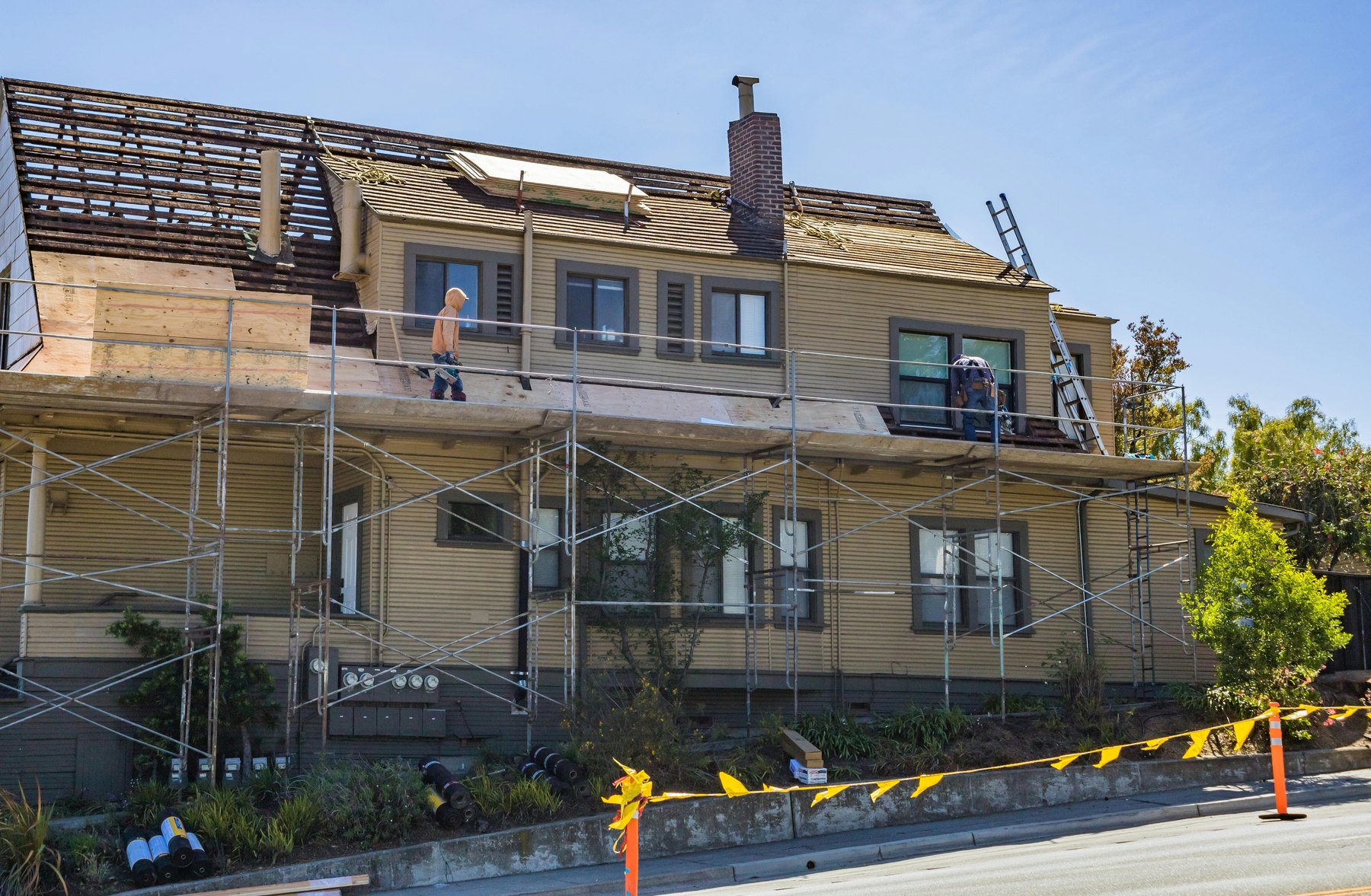
These are patterns reported repeatedly after disasters. One red flag alone does not always mean a scam, but multiple red flags should slow you down.
1) “Free inspection” that turns into a high pressure contract
A crew offers a free roof or siding inspection, then claims you have severe damage and must sign today to “lock in” a crew. They may discourage you from getting other bids or talking to your insurer.
2) The “insurance will pay for everything” promise
No contractor can guarantee what your insurer will cover. If someone promises a “free roof” or says they can get you “approved” for a specific payout, treat it as a warning sign.
3) Large upfront deposit or cash only demand
It is normal for some projects to require a deposit, especially when custom materials are ordered. It is not normal to demand most of the money upfront, insist on cash only, or refuse a written schedule of payments tied to milestones.
4) “We found extra damage” and the price doubles
Change orders can be legitimate, but scammers use vague contracts to add surprise charges. If the contract does not define scope, materials, and unit costs, you are exposed.
5) Door to door “leftover materials” deal
Someone claims they have leftover shingles or lumber from a nearby job and can give you a discount if you decide immediately. This is a classic setup for poor workmanship, inflated pricing, or taking a deposit and disappearing.
6) Assignment of Benefits (AOB) pressure
In some states and situations, contractors ask you to sign an AOB so they can bill the insurer directly. This can be legitimate in limited cases, but it can also reduce your control over the claim and make disputes harder. If you are asked to sign an AOB, read it carefully and ask your insurer what it means for you.
7) Fake charity or “government grant” repair program
Scammers may claim they are working with FEMA, your county, or a relief organization. Verify by contacting the agency directly using official contact info, not a phone number on a flyer.
8) “We can start today” without permits or documentation
Some emergency work is allowed quickly, but major repairs often require permits and inspections. A contractor who dismisses permits entirely may be cutting corners that can create safety and resale problems later.
Red flag checklist you can use on the spot
Use this quick checklist when someone shows up at your door or calls after a storm.
| Red flag | Why it matters | What to do instead |
|---|---|---|
| Won’t provide a local address, license number, or proof of insurance | Hard to hold accountable if work fails | Ask for license and insurance certificates and verify with your state or carrier |
| Pressures you to sign immediately | Limits your ability to compare bids and terms | Get at least 2 to 3 written estimates with scope and materials |
| Demands large deposit or cash only | Higher risk of disappearing or low effort work | Use milestone payments and a traceable method |
| Asks you to sign over insurance checks | You can lose control of funds and dispute rights | Keep checks payable to you and the contractor only when required by lender rules |
| Vague contract with no line item pricing | Enables surprise charges and disputes | Require detailed scope, materials, start date, and change order rules |
| Refuses permits or says “permits aren’t needed” for major work | Can create safety issues and resale or insurance problems | Confirm with your local building department what requires a permit |
How to vet a contractor fast without cutting corners
Step 1: Stabilize the home first, then slow down
Emergency mitigation like tarping a roof, boarding windows, and water extraction can prevent additional damage. For larger rebuild work, you usually have time to verify credentials and compare bids.
Step 2: Verify identity and credentials
- Ask for the legal business name, not just a brand name on a truck.
- Request a copy of their contractor license (if your state licenses that trade) and verify it through your state licensing board.
- Ask for proof of general liability insurance and workers’ compensation. Call the insurer listed on the certificate to confirm it is active.
- Look for a physical address and a working office phone number.
Step 3: Confirm storm experience and local references
- Ask for 3 local references from the past 12 months and call them.
- Ask who will actually do the work: employees or subcontractors.
- Ask how they handle hidden damage and change orders.
Step 4: Demand a detailed written estimate
A useful estimate includes materials (brand and grade where relevant), labor, debris removal, permit costs, timeline, and warranty terms. For roofs, it should specify underlayment, flashing, ventilation, and the number of layers to remove.
Contract terms that protect you (and what to avoid)
A good contract reduces misunderstandings and makes it harder for scammers to manipulate the situation.
Include these terms
- Scope of work with line items and materials
- Start date and substantial completion target
- Payment schedule tied to milestones (not calendar dates)
- Change order process requiring written approval and pricing before work continues
- Permit responsibility and inspection plan
- Cleanup and disposal responsibilities
- Warranty details for labor and materials
Avoid these terms
- Blank or open ended pricing like “as needed” without unit costs
- Clauses that let the contractor substitute materials without approval
- Requirements to sign over insurance proceeds or endorse checks immediately
- Large nonrefundable deposits that are not tied to ordered materials
How to pay for storm repairs safely
Payment method matters because it affects your leverage if work is delayed, incomplete, or defective.
Safer payment habits
- Use milestone payments: for example, deposit for materials, payment after tear off and dry in, payment after installation, final payment after inspection and cleanup.
- Keep documentation: invoices, photos, permit numbers, and inspection sign offs.
- Use traceable payments: check or card where appropriate. Avoid wiring money to unknown accounts.
- Consider joint checks if a lender or insurer requires it, and confirm the endorsement rules.
Financing options if insurance or savings are not enough
Sometimes you need funds before your claim is settled, or your policy has a high deductible. The right financing depends on your timeline, credit profile, home equity, and how certain the final repair scope is. Compare APR, fees, repayment terms, and whether the payment fits your budget even if repairs cost more than expected.
| Financing option | Best fit | What to compare | Main drawback |
|---|---|---|---|
| Emergency fund or savings | Small to mid repairs, fast start | Impact on cash cushion, ability to rebuild savings | May leave you short for other emergencies |
| Insurance claim advance or partial payment (if offered) | Covered losses with documented damage | Process, timing, required documentation | May not cover full scope upfront |
| Credit card (especially for short term materials) | Short term bridge you can repay quickly | APR after promo, fees, credit limit, rewards vs cost | High interest if carried, utilization can affect credit |
| Personal loan from a bank, credit union, or online lender | Fixed payment for defined repair budget | APR range, origination fee, term length, funding time | Payment starts immediately, rates vary by credit |
| Home equity loan | Large projects with stable scope | APR, closing costs, term, fixed payment | Uses your home as collateral |
| HELOC (home equity line of credit) | Phased repairs with uncertain final costs | Variable APR, draw period, fees, rate caps | Payment can rise if rates increase |
| FHA 203(k) rehab mortgage (purchase or refinance) | Major rehab when mortgage financing makes sense | Eligibility, mortgage insurance, contractor rules | More paperwork and longer timeline |
Real number examples: what financing could look like
Assume your home needs $18,000 in storm repairs (roof patching, drywall, and tree removal). Your insurance deductible is $3,500 and your insurer expects to reimburse $14,500 after documentation and inspections.
- Scenario A: Mostly savings – Pay $6,000 from savings (keeping a minimum $4,000 emergency buffer), put $2,000 on a credit card for materials, and use the insurance reimbursement to pay the card down and rebuild savings.
- Scenario B: Personal loan bridge – Take a $10,000 personal loan to start work, pay $3,500 deductible from savings, and use the reimbursement to pay down the loan principal. Compare origination fees and whether there is a prepayment penalty.
- Scenario C: HELOC for phased work – Open a HELOC with a $20,000 limit and draw $8,000 initially for mitigation and deposits, then draw more only if hidden damage appears. Use reimbursement to reduce the balance quickly. Compare variable APR and any annual fees.
Decision rule: if you cannot comfortably afford the monthly payment without the insurance reimbursement arriving on time, choose a smaller loan amount, a longer term, or a different plan that reduces payment risk.
Decision rules by timeline: how long you need the money matters
Under 1 year
- Prioritize options you can repay quickly if reimbursement is delayed.
- Keep payments flexible when possible and avoid borrowing more than the verified scope.
- If using a credit card, plan a payoff date and calculate interest after any promo period.
1 to 3 years
- Fixed rate personal loans can be easier to budget than variable lines.
- Match the loan term to the useful life of the repair and your cash flow.
3 to 7 years
- Home equity products may offer lower APRs than unsecured loans for some borrowers, but they add collateral risk.
- Compare total costs including closing fees and appraisal requirements.
7+ years
- Long term financing may make sense for major rebuilds, but it can increase total interest paid.
- Consider whether a rehab mortgage structure fits your situation and timeline.
How to handle insurance checks and paperwork without getting trapped
Scammers often target the insurance process because that is where the money is. A few practical rules help keep control:
- Document everything: photos, videos, receipts for temporary repairs, and a written log of conversations.
- Do not sign away claim control without understanding the consequences. Ask your insurer to explain any AOB or direction to pay form.
- Align the contractor scope with the adjuster scope: if the contractor bids far above the adjuster estimate, ask for line item justification.
- Watch for “double dipping”: a contractor should not bill you for work already paid by the insurer unless it is clearly excluded or upgraded by you.
What to do if you think you have been targeted or scammed
Move quickly to limit damage.
- Stop payment if possible and contact your bank or card issuer immediately if you paid by card or check.
- Gather records: contract, texts, emails, receipts, photos, license info, and any ads or business cards.
- Report the scam to the FTC at https://consumer.ftc.gov/.
- Submit a complaint to the CFPB if the issue involves financing or a lender at https://www.consumerfinance.gov/.
- Check your credit reports if you shared personal info or suspect identity theft. You can get free reports at https://www.annualcreditreport.com/.
- Contact your state attorney general and local licensing board to report unlicensed activity.
Practical “safe hire” process you can follow in 60 minutes
- Write down the top 3 urgent tasks (tarp roof, remove wet drywall, tree removal).
- Call your insurer to confirm what emergency mitigation is covered and what documentation they want.
- Get 2 to 3 bids for each major trade (roofing, remediation, general contractor).
- Verify license and insurance for your top choice.
- Require a written scope and milestone payment schedule.
- Pay a reasonable deposit only after materials are identified and the start date is set.
- Take photos at each milestone and keep every receipt.
Extra protection: credit freezes and identity checks after disasters
After a widespread storm, identity theft attempts can rise alongside contractor scams. If you are worried your information was exposed, consider a credit freeze with the major bureaus and monitor statements closely. If you need to verify banking safety, the FDIC has consumer resources at https://www.fdic.gov/.
Bottom line
Storm repairs are stressful, and scammers count on that. The best defense is a repeatable process: document damage, verify credentials, insist on a detailed contract, use milestone payments, and choose financing that still works if timelines slip. When something feels rushed or confusing, slow the deal down and get a second opinion before money changes hands.


