

Things to Do Before Election

Things to do before election season can include more than voting plans – it is also a smart time to tighten your budget, protect your credit, and stress test your debt payments in case prices, jobs, or benefits shift.
Contents
32 sections
-
Quick checklist: 10 things to do before election week
-
Why elections can affect your personal finances
-
Budget and cash flow: tighten the basics first
-
Step 1: Refresh your baseline numbers
-
Step 2: Use a simple buffer rule
-
What this looks like with real numbers
-
Credit checkup: fix errors before you apply for anything
-
Pull your credit reports
-
Decision rule: when to avoid new credit applications
-
Debt and borrowing: reduce risk before headlines get noisy
-
Prioritize high cost debt
-
Consider your options if you need lower payments
-
Named examples to compare (not one size fits all)
-
Things to do before election if you plan a major purchase
-
Timeline decision rules
-
Cooling off rule for big financial decisions
-
Protect your accounts: scams rise during election season
-
Common scam patterns
-
Account security checklist
-
Emergency fund and where to keep cash safely
-
Where to keep emergency savings
-
Three sample emergency fund targets with numbers
-
Insurance and recurring bills: shop for savings you can control
-
High impact categories to review
-
Decision rule: when to shop
-
Prepare for potential income disruption
-
Create a two level spending plan
-
Example of a Plan B cut list
-
After Election Day: what to do and what not to do
-
Do
-
Do not
-
One page action plan you can use today
Elections can bring uncertainty: markets may swing, headlines can trigger impulse decisions, and scammers often ramp up activity. You cannot control outcomes, but you can control your cash flow, your borrowing costs, and your financial readiness. Use the checklist below to get organized in a calm, practical way.
Quick checklist: 10 things to do before election week
- Update your budget with current bills and realistic spending.
- Build a small cash buffer and automate savings.
- Pull your credit reports and dispute errors early.
- Review your credit card APRs, balances, and payoff plan.
- Check loan terms: variable rates, payment dates, and autopay.
- Price shop insurance and recurring services for savings.
- Harden your accounts: passwords, 2FA, and alerts.
- Watch for donation and political scam tactics.
- Plan for big purchases with a cooling off rule.
- Write a simple plan for what you will do if income drops.
Why elections can affect your personal finances
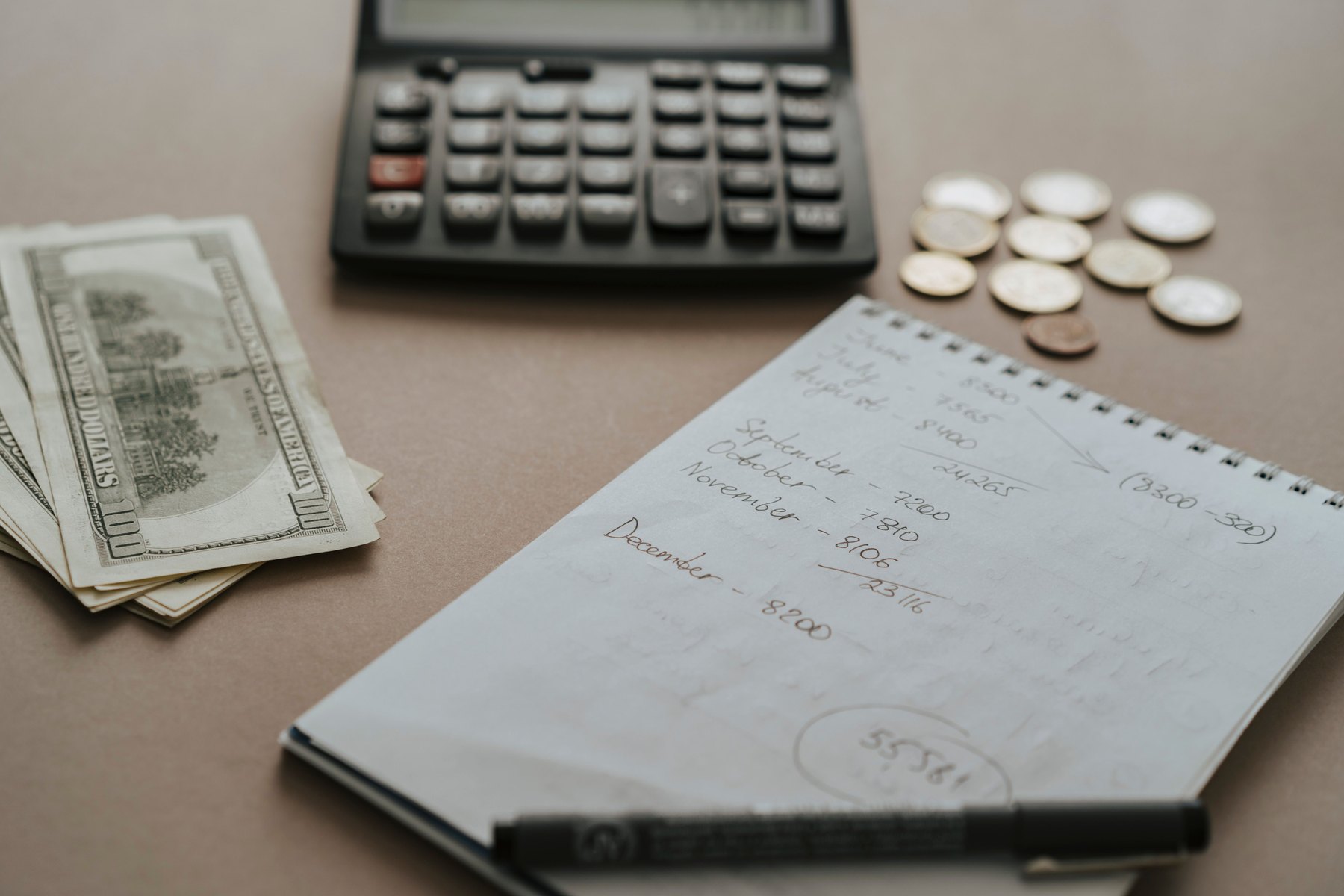
Election cycles can change how people feel about the economy, which can influence spending, hiring, and investing behavior. Even if policy changes take time, the period around an election can still affect you through:
- Price volatility in gas, groceries, and other essentials.
- Interest rate expectations that can move mortgage and auto loan rates.
- Job uncertainty in industries tied to government spending or regulation.
- Scams and misinformation that target emotions and urgency.
The goal is not to predict what will happen. The goal is to make your finances resilient so you can handle a range of outcomes.
Budget and cash flow: tighten the basics first
If you do only one thing, make sure your monthly budget reflects reality. A budget that is out of date is a common reason people rely on credit cards when costs rise.
Step 1: Refresh your baseline numbers
- List fixed bills: rent or mortgage, utilities, insurance, minimum debt payments, subscriptions.
- Estimate variable spending using the last 60 to 90 days: groceries, gas, dining, childcare, medical.
- Identify 1 to 3 categories you can cut quickly if needed.
Step 2: Use a simple buffer rule
A practical buffer is a small amount you keep in checking or savings to avoid overdrafts and late fees. Many households start with $250 to $1,000, then build toward a larger emergency fund over time.
What this looks like with real numbers
Below are three sample monthly cash flow allocations. These are examples, not prescriptions. Adjust based on your income, debt, and essential costs.
- Example A: $3,000 take home pay
- Needs (rent, utilities, groceries, transport): $1,950
- Debt minimums (cards, student loans, auto): $450
- Sinking funds (car repair, medical, gifts): $200
- Savings buffer and emergency fund: $250
- Wants: $150
- Total: $3,000
- Example B: $5,000 take home pay
- Needs: $2,900
- Debt minimums: $650
- Extra debt payoff: $400
- Savings and investing: $850
- Wants: $200
- Total: $5,000
- Example C: $7,500 take home pay
- Needs: $3,800
- Debt minimums: $700
- Extra debt payoff: $800
- Savings and investing: $1,700
- Wants: $500
- Total: $7,500
Credit checkup: fix errors before you apply for anything
If you might apply for a credit card, auto loan, mortgage, or personal loan in the next 3 to 12 months, check your credit early. Errors can take time to resolve.
Pull your credit reports
You can request your reports at AnnualCreditReport.com. Look for:
- Accounts you do not recognize
- Incorrect balances or limits
- Late payments that are not accurate
- Old collections that should have aged off
Decision rule: when to avoid new credit applications
- If you plan to apply for a mortgage soon, consider limiting new credit inquiries and new accounts unless necessary.
- If your credit utilization is high, focus on paying down balances before applying for new credit.
Debt and borrowing: reduce risk before headlines get noisy
Election season can tempt people to make big moves. Before you refinance, consolidate, or take on new debt, make sure you understand the total cost and the downside if income changes.
Prioritize high cost debt
Credit cards often carry higher APRs than most installment loans. If you have revolving balances, a payoff plan can reduce interest costs and improve flexibility.
Consider your options if you need lower payments
Depending on your situation, options may include a balance transfer card, a debt consolidation loan, a hardship plan, or adjusting your budget. Each has tradeoffs.
| Option | Best fit | What to compare | Main drawback |
|---|---|---|---|
| Balance transfer credit card (0% intro APR offers vary) | Strong credit, can pay down within promo period | Transfer fee, promo length, post promo APR | High APR after promo if balance remains |
| Personal loan for consolidation | Stable income, want fixed payments | APR, origination fee, term length, total interest | Longer term can increase total cost |
| Credit card hardship program | Temporary income strain | Reduced APR terms, payment plan details | May affect account status or future credit access |
| Nonprofit credit counseling debt management plan | Multiple cards, need structured payoff | Fees, timeline, which debts are included | Accounts may be closed while on the plan |
| Refinance auto loan | Improved credit since purchase | APR, term, fees, total cost | Extending term can keep you in debt longer |
Named examples to compare (not one size fits all)
If you are shopping for tools or providers, compare at least a few sources and read the fine print. Here are recognizable examples people often compare, depending on the product:
- Credit monitoring and identity tools: Experian, Equifax, TransUnion, Credit Karma
- Budgeting apps: YNAB, Rocket Money, Empower Personal Dashboard
- Banking and savings options: Ally Bank, Capital One, Discover Bank
- Payment networks for person to person transfers: Zelle, PayPal, Venmo
When comparing any loan or credit product, focus on APR, fees, repayment term, prepayment rules, and what happens if you miss a payment.
Things to do before election if you plan a major purchase
Large purchases can be more stressful during uncertain periods. If you are considering a car, home, or major renovation, use a timeline based approach and a cooling off rule.
Timeline decision rules
- Under 1 year: Prioritize liquidity. Keep down payment money in FDIC insured accounts and avoid taking market risk with funds you need soon.
- 1 to 3 years: Mix safety and modest yield. Consider a high yield savings account or short term CDs and keep your plan flexible.
- 3 to 7 years: You may be able to take some risk, but match risk to how fixed your purchase date is. If the date is firm, keep more in cash like options.
- 7+ years: Long timelines can support more investing risk, but only if you can tolerate volatility and do not need the money on a specific date.
Cooling off rule for big financial decisions
When a headline makes you want to act fast, pause. A simple rule: wait 48 hours before taking on new debt, refinancing, or moving a large amount of money. Use the time to compare offers and calculate total cost.
Protect your accounts: scams rise during election season
Scammers often use political themes to create urgency. Protect yourself by tightening account security and verifying requests before sending money or sharing information.
Common scam patterns
- Donation requests with urgent language and unfamiliar links
- Texts claiming you owe a fine, fee, or must confirm identity
- Imposters posing as government agencies or campaigns
- Fake job offers or gig work tied to political events
Account security checklist
| Task | How to do it | When to prioritize |
|---|---|---|
| Turn on two factor authentication | Use an authenticator app or device based prompts when available | Immediately for email, banking, and payment apps |
| Change reused passwords | Use a password manager and unique passwords | If you reuse passwords across sites |
| Set transaction alerts | Enable text or app alerts for charges and withdrawals | Before travel, events, or heavy spending weeks |
| Freeze your credit | Freeze with each bureau if you are not applying for credit | If you are worried about identity theft |
| Verify donation pages | Type the URL yourself or use official sources, avoid random links | Any time you donate or share payment info |
For more on avoiding fraud and imposter scams, review resources from the FTC and the CFPB.
Emergency fund and where to keep cash safely
Uncertainty is a good reason to make sure your emergency fund is accessible and protected. Many people aim for 3 to 12 months of essential expenses, but the right number depends on job stability, household size, and how variable your income is.
Where to keep emergency savings
- FDIC insured bank accounts like checking, savings, or CDs can be appropriate for money you may need quickly.
- Confirm coverage limits and account ownership categories at the FDIC.
Three sample emergency fund targets with numbers
- Household essentials are $2,500 per month: 3 months is $7,500, 6 months is $15,000, 12 months is $30,000.
- Household essentials are $4,000 per month: 3 months is $12,000, 6 months is $24,000, 12 months is $48,000.
- Household essentials are $6,000 per month: 3 months is $18,000, 6 months is $36,000, 12 months is $72,000.
Insurance and recurring bills: shop for savings you can control
Instead of trying to time the economy, look for savings in bills you can renegotiate. Even small monthly reductions can free cash for debt payoff or savings.
High impact categories to review
- Auto and homeowners or renters insurance
- Cell phone plans and internet
- Streaming and app subscriptions
- Gym memberships
Decision rule: when to shop
- Shop insurance at renewal and after major life changes like moving, marriage, or a new car.
- Review subscriptions quarterly and cancel anything you have not used in 30 days.
Prepare for potential income disruption
Even if your job feels stable, it helps to plan for a temporary income drop. A simple plan reduces panic borrowing.
Create a two level spending plan
- Plan A (normal): your current budget.
- Plan B (tight): essentials plus minimum debt payments, with clear cuts listed.
Example of a Plan B cut list
- Pause extra debt payments temporarily, keep minimums current.
- Reduce dining and entertainment to a set weekly amount.
- Call providers to ask about hardship options before you miss payments.
- Sell unused items to raise a small cash buffer.
After Election Day: what to do and what not to do
Once results are in, it can be tempting to make big financial moves. Consider a measured approach.
Do
- Recheck your budget after any price changes in essentials.
- Continue your debt payoff plan and savings automation.
- Review your credit reports again if you suspect fraud.
Do not
- Make rushed investment or borrowing decisions based on a single headline.
- Assume new policies will change your finances immediately.
- Send money or personal information to unverified sources.
One page action plan you can use today
- Today (30 minutes): list all bills and minimum debt payments, set alerts for due dates.
- This week (1 to 2 hours): pull credit reports, review for errors, and freeze credit if you are not applying soon.
- This month: build or rebuild a $250 to $1,000 buffer, then automate weekly transfers to savings.
- Next 60 days: shop insurance and negotiate recurring bills, then redirect savings to debt or emergency fund.
If you need help understanding credit, complaints, or common financial products, the Consumer Financial Protection Bureau has practical tools and guides.


