

Tik Tok Shop Black Friday Sale: How to Score Deals Without Overspending

Tik Tok Shop Black Friday Sale season can be a real chance to save, but it can also push you into impulse buys, returns headaches, or credit card debt if you do not plan ahead.
Contents
23 sections
-
How Tik Tok Shop Black Friday Sale deals usually work
-
Set a Black Friday budget that protects your cash flow
-
Three real-number budget examples
-
Price-checking rules that prevent "fake deals"
-
Seller verification checklist (especially for electronics and beauty)
-
Payment methods: what to use and what to avoid
-
Credit card (often best for protection if you pay in full)
-
Debit card
-
Buy Now, Pay Later (BNPL)
-
Prepaid or virtual card (good for spending control)
-
Financing a Black Friday purchase: a simple decision matrix
-
Real-number financing example: $600 purchase
-
Timeline decision rules: when to buy now vs wait
-
Returns, refunds, and chargebacks: protect yourself before you click buy
-
Common TikTok Shop Black Friday pitfalls (and how to avoid them)
-
1) Counterfeit or look-alike products
-
2) Subscription traps and add-ons
-
3) Overspending because "it is on sale"
-
4) Multiple BNPL plans at once
-
Deal-stacking without debt: a step-by-step checkout routine
-
Post-purchase money management: keep Black Friday from becoming January debt
-
Quick checklist: smart TikTok Shop Black Friday shopping
-
Bottom line
This guide focuses on practical steps: how to verify sellers, compare prices, stack discounts safely, choose the right payment method, and decide when financing a purchase makes sense. You will also see simple decision rules and real-number examples so you can shop with a budget instead of vibes.
How Tik Tok Shop Black Friday Sale deals usually work
TikTok Shop combines short videos, live streams, and in-app checkout. During Black Friday, you may see:
- Platform coupons (sitewide or category-based discounts).
- Seller coupons (only for one store or product line).
- Limited-time live deals that change quickly.
- Free shipping thresholds or shipping promos.
- Bundle pricing (buy 2, save more).
The upside is convenience and occasional steep discounts. The downside is speed. When deals are presented in a fast feed, it is easy to skip the normal checks you would do on a traditional retailer site.
Set a Black Friday budget that protects your cash flow
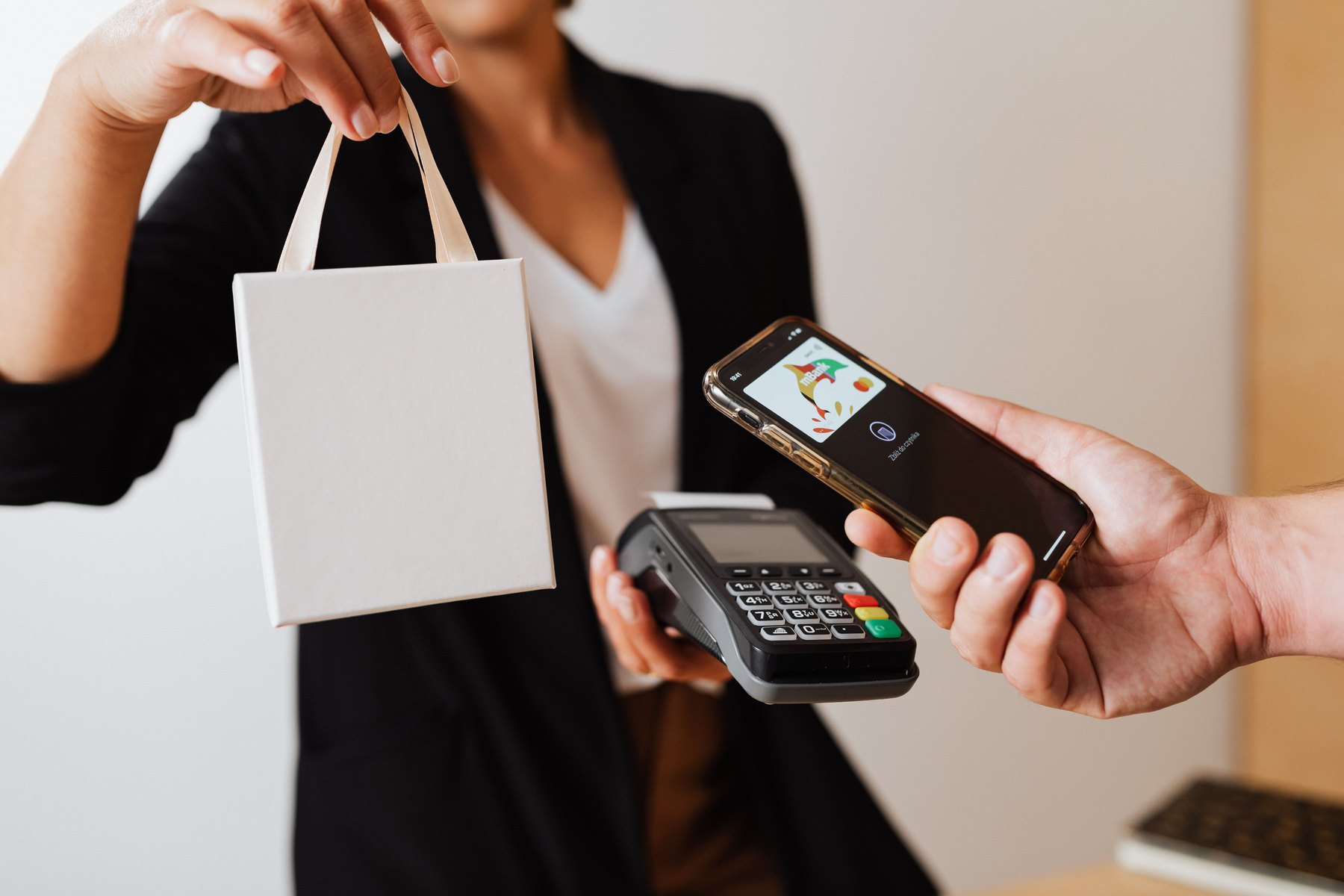
Before you open the app, decide what you can spend without creating a problem next month. A simple approach is to budget in layers:
- Must-buy: planned purchases you would make anyway (for example, replacing worn-out shoes).
- Nice-to-have: upgrades you will buy only if the deal is truly better than normal.
- Impulse buffer: a small amount you can spend without regret, then stop.
Three real-number budget examples
Use these as templates and adjust to your income, bills, and savings goals.
- Example A: $150 total – $90 must-buy (household basics), $40 nice-to-have (gift), $20 impulse buffer. Total: $150.
- Example B: $400 total – $250 must-buy (winter coat), $100 nice-to-have (small appliance), $50 impulse buffer. Total: $400.
- Example C: $1,000 total – $650 must-buy (phone replacement), $250 nice-to-have (headphones, gifts), $100 impulse buffer. Total: $1,000.
Decision rule: if you cannot pay the statement balance in full when it is due, treat the purchase as a financing decision, not a deal.
Price-checking rules that prevent “fake deals”
Some discounts look big because the reference price is inflated or because the product is a lower-quality version. Use a repeatable process:
- Compare the exact model – match brand, model number, size, and included accessories.
- Check total cost – item price plus shipping, taxes, and any required add-ons.
- Search outside the app – check the brand site and major retailers for the same item.
- Watch return costs – a “cheap” item is not cheap if return shipping is expensive.
| Quick check | What to look for | Why it matters |
|---|---|---|
| Model match | Model number, storage size, wattage, material | Prevents comparing different products |
| Total cost | Shipping, taxes, bundles, required accessories | Reveals the real out-the-door price |
| Seller reputation | Reviews, fulfillment info, contact details | Reduces risk of non-delivery or counterfeits |
| Return policy | Return window, who pays shipping, restocking fees | Protects you if the item is wrong or defective |
Seller verification checklist (especially for electronics and beauty)
Marketplace shopping is different from buying directly from a big retailer. Take 60 seconds to verify the seller:
- Look for clear business identity: store name consistency, contact info, and a history of sales.
- Read recent reviews: prioritize detailed reviews with photos and comments about shipping and authenticity.
- Be cautious with “too cheap” pricing: deep discounts on high-demand items can signal knockoffs or gray-market inventory.
- Check what is included: chargers, cases, refills, and seals for beauty products.
- Document the listing: screenshot the product page, promised specs, and return terms in case you need support later.
If you suspect a scam or deceptive listing, the FTC has practical resources on reporting and avoiding fraud at https://consumer.ftc.gov/.
Payment methods: what to use and what to avoid
Your payment choice affects your protections, fees, and whether a purchase turns into expensive debt.
Credit card (often best for protection if you pay in full)
- Pros: dispute rights, fraud protections, potential rewards.
- Watch-outs: interest charges if you carry a balance, cash advance traps if you use the wrong transaction type.
Decision rule: if you will not pay the statement balance in full, calculate the interest cost before you buy.
Debit card
- Pros: helps you avoid debt.
- Watch-outs: money leaves your account immediately, which can complicate cash flow if you need a refund.
Buy Now, Pay Later (BNPL)
BNPL can help spread costs, but it can also lead to overlapping payments across multiple purchases. Compare the repayment schedule, late fees, and return handling. The CFPB has consumer guidance on credit products and complaints at https://www.consumerfinance.gov/.
Prepaid or virtual card (good for spending control)
If you struggle with impulse buys, setting a hard cap can help. Some banks and card issuers offer virtual card numbers that can reduce risk if a merchant database is compromised.
Financing a Black Friday purchase: a simple decision matrix
Sometimes financing is reasonable, like replacing a broken laptop needed for work. Other times it is just debt with a discount sticker. Use this matrix.
| Option | Best fit | What to compare | Main drawback |
|---|---|---|---|
| 0% intro APR credit card | Large planned purchase with payoff plan | Intro period length, post-intro APR, balance transfer fees | High APR after promo if not paid off |
| BNPL (pay-in-4 or monthly) | Short payoff timeline and stable income | Late fees, autopay rules, return handling | Multiple plans can strain cash flow |
| Personal loan from a bank or credit union | Need fixed payments for a necessary purchase | APR, origination fee, term length, prepayment policy | Interest cost and longer commitment |
| Retailer or platform installment plan | When terms are transparent and total cost is low | APR, fees, missed payment penalties | Can be pricey if promotional terms end |
| Paying from savings | Purchase fits budget and emergency fund stays intact | Impact on emergency fund, upcoming bills | Less cash cushion if surprises hit |
Real-number financing example: $600 purchase
- Pay in full: $600 today, no interest, but confirm you still have 3 to 6 months of essential expenses in emergency savings.
- 0% intro APR card: $600 split across 6 months is $100 per month if you pay it down evenly. If you miss the payoff plan and the balance remains after the promo, interest can rise sharply depending on the card.
- BNPL pay-in-4: often $150 every 2 weeks. This can collide with rent, utilities, or other autopays if your timing is tight.
Timeline decision rules: when to buy now vs wait
Black Friday pressure is real. Use timeline rules to keep decisions consistent.
- Under 1 year: prioritize necessities and items you already planned to buy. Avoid financing unless the payment fits comfortably in your monthly budget.
- 1 to 3 years: consider durability and warranty value. Buying a slightly better-quality item can reduce replacement costs.
- 3 to 7 years: focus on total cost of ownership for bigger items (electronics, appliances). A cheap item that fails early is not a bargain.
- 7+ years: for long-lasting purchases, compare repairability, parts availability, and brand support.
Returns, refunds, and chargebacks: protect yourself before you click buy
Returns can be the hidden cost of marketplace shopping. Before purchasing, check:
- Return window: 14 days, 30 days, or longer.
- Condition requirements: unopened, tags attached, original packaging.
- Who pays return shipping: you or the seller.
- Refund timing: when the refund is issued and how long it takes to post.
If you need to dispute a charge, keep your order confirmation, screenshots of the listing, tracking info, and your messages with the seller. For general guidance on banking and deposit account protections, the FDIC has consumer information at https://www.fdic.gov/.
Common TikTok Shop Black Friday pitfalls (and how to avoid them)
1) Counterfeit or look-alike products
Higher-risk categories include luxury goods, popular electronics accessories, and beauty products. Stick to sellers with strong recent reviews and clear product details. If the price is dramatically lower than everywhere else, slow down and verify.
2) Subscription traps and add-ons
Some offers include optional subscriptions, extended warranties, or add-ons at checkout. Review the cart carefully before paying.
3) Overspending because “it is on sale”
A discount does not change your budget. If you buy $300 of unplanned items at 30% off, you still spent $300.
4) Multiple BNPL plans at once
Four small plans can behave like one big monthly bill. Put all installment payments into your budget calendar and keep a buffer in checking so autopays do not bounce.
Deal-stacking without debt: a step-by-step checkout routine
- Add to cart, then pause: wait 10 minutes before checking out.
- Apply coupons: test platform coupon vs seller coupon if they do not stack.
- Re-check shipping and returns: confirm the final total and the return rules.
- Choose the payment method: prefer methods that fit your payoff plan.
- Save proof: screenshot the final checkout page and estimated delivery date.
Post-purchase money management: keep Black Friday from becoming January debt
Once you buy, do these three things:
- Track deliveries and open packages promptly so you do not miss return windows.
- Update your budget with the final totals, including taxes and shipping.
- Set payoff reminders for credit cards or installment plans.
If you are using credit and want to keep tabs on your credit reports, you can access free reports at https://www.annualcreditreport.com/.
Quick checklist: smart TikTok Shop Black Friday shopping
| Do this | Why | Takes |
|---|---|---|
| Set a total budget and an impulse cap | Prevents overspending | 5 minutes |
| Price-check the exact model elsewhere | Avoids fake discounts | 3 to 10 minutes |
| Verify seller and read recent reviews | Reduces counterfeit and delivery risk | 2 to 5 minutes |
| Confirm return window and who pays shipping | Limits surprise costs | 2 minutes |
| Choose a payment method with a payoff plan | Prevents lingering debt | 2 minutes |
Bottom line
The best TikTok Shop Black Friday strategy is not chasing the biggest percentage off. It is buying what you planned, verifying sellers, comparing total cost, and using credit only when the repayment plan is realistic. If you treat each purchase like a small financial decision, you can enjoy the deals without paying for them again in interest later.


