

Trump Tariffs Price Increases: What They Mean for Your Budget and Borrowing

Trump tariffs price increases can show up in your life as higher prices at the register, bigger repair bills, and more expensive home projects. Tariffs are taxes on imported goods. Companies may absorb some of the cost, shift suppliers, or pass costs along to shoppers. The result is often uneven: some categories jump quickly, others barely move, and timing depends on inventory and contracts.
Contents
33 sections
-
How tariffs turn into higher prices (and why it is not always immediate)
-
Trump tariffs price increases: categories most likely to affect households
-
1) Cars, car repairs, and auto insurance pressure
-
2) Appliances and electronics
-
3) Home improvement and construction materials
-
4) Small business pass-through
-
5) Groceries: mixed and product-specific
-
Quick self-audit: where your budget is most exposed
-
What this looks like with real numbers: three budget adjustments
-
Scenario A: Renter household, $4,000 monthly take-home pay
-
Scenario B: Homeowner planning a $12,000 HVAC replacement within 12 months
-
Scenario C: Family replacing a car soon, target budget $28,000
-
Decision rules by timeline: under 1 year, 1 to 3 years, 3 to 7 years, 7+ years
-
Under 1 year
-
1 to 3 years
-
3 to 7 years
-
7+ years
-
Borrowing choices if higher prices squeeze your cash flow
-
Rule of thumb: match repayment to the life of the item
-
Compare these common options
-
Named examples you might encounter (compare, do not assume)
-
How to choose: a simple decision matrix
-
Practical ways to reduce the impact without guessing the economy
-
Ask for itemized quotes and price locks
-
Buy time with maintenance
-
Use unit pricing and substitution
-
Build a tariff buffer fund
-
Credit and identity steps if you expect to apply for financing
-
Mini playbook: if prices jump in your top category
-
If your car repair estimate rises
-
If a home project quote rises
-
If appliances or electronics get pricier
-
Bottom line: plan for uneven increases and protect your cash flow
This guide explains how tariffs can affect consumer prices, which household categories tend to be most exposed, and how to protect your budget. It also covers borrowing decisions if higher costs push you toward a credit card, buy now pay later, or a personal loan.
How tariffs turn into higher prices (and why it is not always immediate)
A tariff is applied when an imported item clears customs. That cost lands first on the importer, then flows through the supply chain. Whether you see a price increase depends on several factors:
- Inventory lag – Retailers may sell existing stock bought before the tariff at old costs, delaying price changes.
- Supplier switching – Some companies move sourcing to countries not covered by a tariff, but switching takes time and can raise other costs.
- Negotiation power – Large retailers may pressure suppliers to share the cost, while smaller businesses may have less leverage.
- Category competition – If there are many substitutes, sellers may raise prices less to avoid losing customers.
- Exchange rates and shipping – Currency moves and freight costs can amplify or offset tariff effects.
In practice, price changes can arrive in waves. You might see a quick increase on certain imported items, then a second wave months later as contracts renew or as domestic producers raise prices because competing imports are more expensive.
Trump tariffs price increases: categories most likely to affect households
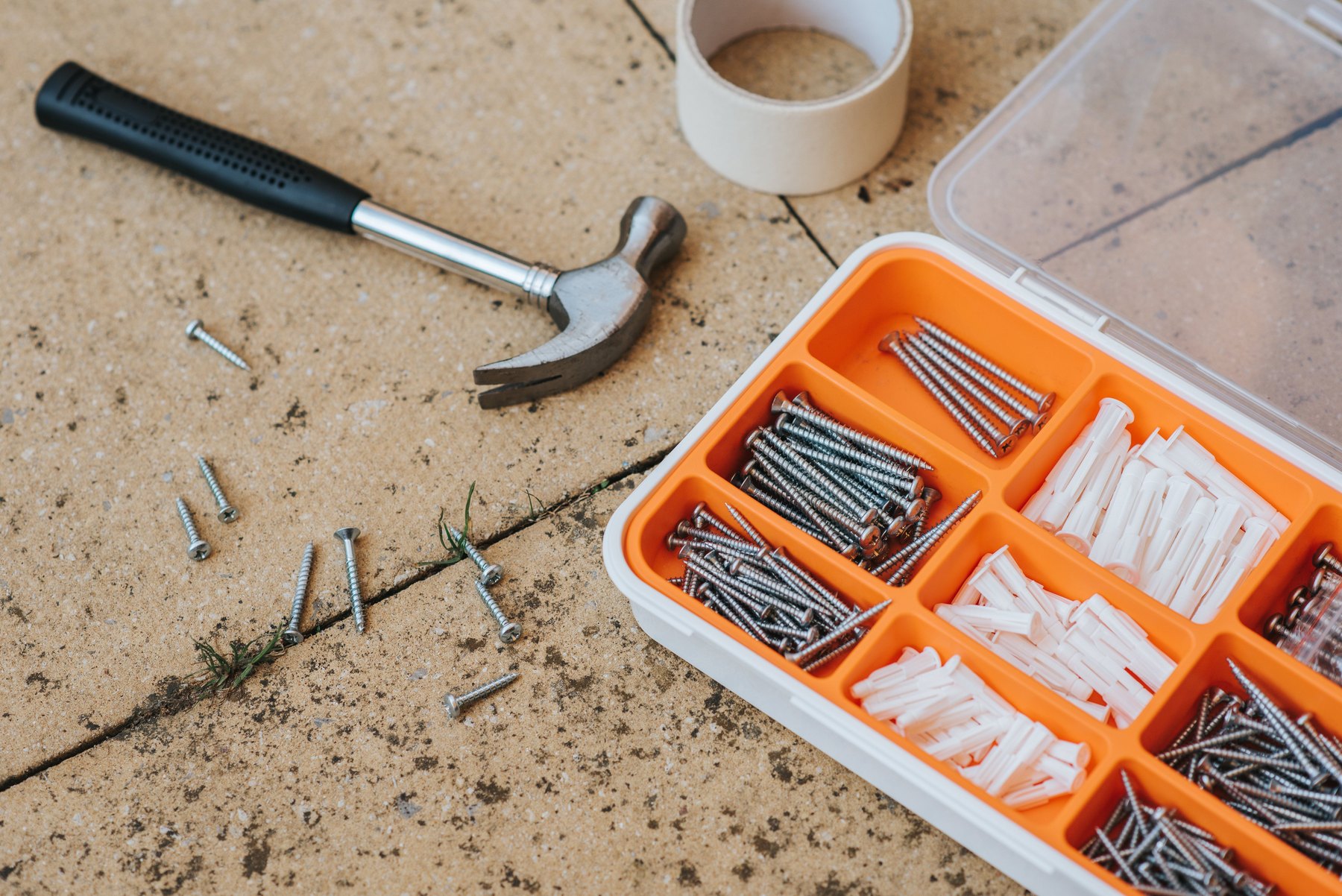
Tariffs often target industrial inputs and manufactured goods, which can filter into consumer prices. The biggest household impact usually shows up where supply chains are global and where parts and materials are imported.
1) Cars, car repairs, and auto insurance pressure
Even if a vehicle is assembled in the US, it may contain imported parts. Tariffs on components can increase manufacturing and repair costs. If parts get pricier, body shops and mechanics may charge more. Higher replacement costs can also influence insurance claim severity, which can put upward pressure on premiums over time.
What to watch: tire prices, replacement parts, batteries, electronics, and repair labor quotes that include higher parts costs.
2) Appliances and electronics
Large appliances and consumer electronics often rely on imported components. When costs rise, retailers may reduce discounts first, then raise sticker prices later.
What to watch: fewer promotions, longer delivery times, and higher prices on midrange models where margins are thinner.
3) Home improvement and construction materials
Tariffs on metals, fixtures, tools, and certain building materials can raise the cost of renovations. Even if your contractor buys domestically, domestic suppliers may raise prices when imports become more expensive.
What to watch: quotes for roofing, fencing, HVAC replacements, kitchen remodels, and decking materials.
4) Small business pass-through
Local businesses that sell goods or rely on imported inputs may adjust prices, add surcharges, or reduce package sizes. Service businesses can be affected too if equipment and supplies cost more.
5) Groceries: mixed and product-specific
Food impacts depend on which products are imported and whether there are retaliatory tariffs affecting agriculture. Some grocery categories may be more exposed than others, and seasonal availability matters.
Quick self-audit: where your budget is most exposed
Use this checklist to identify where tariffs could hit your household hardest. You do not need perfect answers. The goal is to spot high-risk categories so you can plan.
| Category | Exposure signals | What to do this month | Low-cost alternative |
|---|---|---|---|
| Car maintenance | Older car, frequent repairs, imported parts | Price out tires and common parts, build a repair fund | Preventive maintenance, used or remanufactured parts where appropriate |
| Appliances | Appliance near end of life, rising repair quotes | Check warranty, compare repair vs replace | Refurbished units, scratch-and-dent outlets |
| Home projects | Planned remodel, contractor quotes rising | Ask for itemized bids and material allowances | Phase the project, choose standard finishes |
| Electronics | Need a laptop/phone soon, fewer sales | Set a price ceiling, consider last-year models | Certified refurbished, repair instead of replace |
| Groceries | Specialty imports, out-of-season produce | Swap brands, buy seasonal, track unit prices | Frozen produce, store brands |
What this looks like with real numbers: three budget adjustments
Price increases are rarely uniform. A practical approach is to plan for a modest, category-specific bump and create a buffer so you do not have to use high-cost credit for predictable expenses.
Scenario A: Renter household, $4,000 monthly take-home pay
Assume you are seeing higher costs in car repairs and groceries. Here is one way to reallocate without changing your income:
- $150 to a car repair sinking fund
- $75 to a grocery buffer (cash envelope or separate savings)
- $50 to utilities buffer
- $75 from dining out reduction
- $100 from subscription and discretionary trimming
Total reallocated: $275 (adds up: $150 + $75 + $50 = $275; offsets: $75 + $100 + $100 = $275)
Scenario B: Homeowner planning a $12,000 HVAC replacement within 12 months
If quotes are rising, you can reduce borrowing risk by pre-funding part of the project:
- $7,000 saved over 10 months (about $700 per month)
- $3,000 kept as emergency fund reserve (do not spend unless needed)
- $2,000 planned financing cushion (only if the final invoice exceeds savings)
Total plan: $12,000 (adds up correctly: $7,000 + $3,000 + $2,000)
Scenario C: Family replacing a car soon, target budget $28,000
If vehicle prices or financing costs feel uncertain, consider a split plan that preserves flexibility:
- $10,000 down payment saved
- $16,000 financed amount target (shop APR and term)
- $2,000 set aside for taxes, fees, and first-year maintenance
Total: $28,000 (adds up correctly: $10,000 + $16,000 + $2,000)
Decision rules by timeline: under 1 year, 1 to 3 years, 3 to 7 years, 7+ years
Tariff-related price changes can be choppy. Your best move depends on when you need to spend money.
Under 1 year
- Prioritize liquidity for known purchases (repairs, appliances, school tech).
- Use a sinking fund for predictable costs: set aside a monthly amount.
- Delay optional upgrades if quotes are rising and the item still works.
- Get multiple bids for home projects and ask for itemized materials and labor.
1 to 3 years
- Build a larger buffer for car replacement or major home systems.
- Reduce high-interest debt so you have room if costs rise.
- Stress-test your budget by adding 5% to key categories and see if you can still save.
3 to 7 years
- Plan for replacement cycles (roof, HVAC, vehicles) and save gradually.
- Focus on total cost (maintenance, energy use, repairability), not just purchase price.
7+ years
- Keep flexibility by avoiding overly long loan terms that can trap your cash flow.
- Invest in resilience where it lowers recurring costs (insulation, efficient appliances) after you have a solid emergency fund.
Borrowing choices if higher prices squeeze your cash flow
If price increases push you to borrow, the goal is to match the loan type to the expense and minimize total interest and fees. Start by estimating how long you need to repay and how stable your income is.
Rule of thumb: match repayment to the life of the item
- Short-lived expenses (groceries, utilities) generally do not pair well with multi-year loans.
- Durable purchases (appliances, necessary car repairs) may justify structured repayment if the terms are reasonable.
- Home improvements can be a gray area: financing may make sense for essential repairs, but compare options carefully.
Compare these common options
| Option | Best fit | What to compare | Main drawback |
|---|---|---|---|
| Credit card (including 0% intro APR offers) | Small to medium expenses you can repay quickly | Intro period length, post-intro APR, balance transfer fee, credit limit | High APR after promo; easy to carry a balance |
| Personal loan from a bank or credit union | Fixed monthly payment for a defined payoff timeline | APR, origination fee, term length, prepayment policy | Fees and interest if term is too long for the need |
| Buy Now Pay Later (BNPL) | Smaller purchases with short repayment schedules | Late fees, payment schedule, return policy handling | Multiple plans can strain cash flow; late fees can add up |
| Home equity line of credit (HELOC) | Home projects with flexible draw timing | Variable rate, draw period, closing costs, minimum draws | Rate can change; your home is collateral |
| 0% promotional financing from a retailer | Appliances or electronics when you can meet the payoff deadline | Promo end date, deferred interest terms, required payments | Deferred interest can be costly if not paid in full on time |
Named examples you might encounter (compare, do not assume)
These are recognizable places consumers often compare for borrowing or payment options. Availability, terms, and eligibility vary, so verify current details.
- Credit unions and banks: Navy Federal Credit Union, PenFed Credit Union, Wells Fargo, Bank of America, Chase
- Online personal loan platforms and lenders: SoFi, LightStream, Discover Personal Loans, LendingClub, Upstart
- BNPL providers: Affirm, Klarna, Afterpay
- Retail promotional financing (often via store cards): Best Buy, Home Depot, Lowe’s (terms vary by promotion and issuer)
How to choose: a simple decision matrix
Use this matrix to narrow down options based on the size of the expense and how quickly you can repay.
| If your situation is… | Start with… | Decision rule | Watch out for… |
|---|---|---|---|
| Under $500 and repay in 1 to 2 months | Cash flow adjustments or credit card paid quickly | If you cannot repay within 60 days, treat it as a bigger problem and re-plan | Late fees, interest snowballing |
| $500 to $5,000 essential repair | 0% promo (if realistic) or personal loan | Choose the shortest term you can afford comfortably | Deferred interest promos; origination fees |
| $5,000 to $25,000 home project | HELOC or personal loan | Compare total cost and payment stability; avoid borrowing for cosmetic-only upgrades | Variable rates; using home as collateral |
| Debt already high and budget tight | Non-borrowing steps first | Pause optional spending, negotiate bills, seek hardship options | Stacking new debt on old debt |
Practical ways to reduce the impact without guessing the economy
Ask for itemized quotes and price locks
For contractors and major repairs, ask whether the quote includes a materials allowance and whether pricing is locked for a period. If not, ask what triggers a change order.
Buy time with maintenance
Extending the life of a car, appliance, or HVAC system by even 6 to 12 months can help you avoid buying at a moment when prices are elevated. Keep receipts and follow manufacturer schedules.
Use unit pricing and substitution
When grocery or household goods prices rise, unit pricing helps you compare value across sizes and brands. Substituting store brands, buying seasonal produce, and using frozen alternatives can lower the bill without major lifestyle changes.
Build a tariff buffer fund
A small buffer can prevent a surprise repair from turning into revolving credit card debt. Many households aim for 3 to 6 months of essential expenses as an emergency fund, but even $500 to $1,500 can reduce stress if you are starting from zero.
Credit and identity steps if you expect to apply for financing
If you may need a loan for a car repair, appliance, or home project, a few steps can help you shop more effectively:
- Check your credit reports for errors before applying. You can get free reports at AnnualCreditReport.com.
- Compare APR and total cost, not just the monthly payment. A longer term can lower the payment but increase total interest.
- Watch fees such as origination fees, late fees, and balance transfer fees.
- Understand your rights around credit and lending products using resources from the Consumer Financial Protection Bureau.
- Avoid scams that promise unusually cheap financing or ask for upfront fees. The Federal Trade Commission has practical guidance on spotting fraud.
Mini playbook: if prices jump in your top category
If your car repair estimate rises
- Ask for the part number and whether there are OEM, aftermarket, or remanufactured options.
- Request a second estimate and compare labor hours and parts pricing.
- If you must borrow, compare a short-term personal loan versus a 0% intro APR card you can repay before the promo ends.
If a home project quote rises
- Split the project into must-do (safety, leaks, code issues) and nice-to-have (cosmetic upgrades).
- Ask about alternative materials and timelines.
- Compare HELOC versus fixed-rate loan costs and payment stability.
If appliances or electronics get pricier
- Consider certified refurbished or last-year models.
- Check warranty coverage and repairability.
- Be cautious with deferred-interest promos and confirm the payoff date.
Bottom line: plan for uneven increases and protect your cash flow
Tariffs can raise costs in specific categories, especially where supply chains rely on imported parts and materials. The most useful response is not predicting policy outcomes. It is building a buffer, prioritizing essential spending, and choosing financing that you can repay on a realistic timeline. If you shop loans, compare APR, fees, term length, and repayment flexibility, and use your credit reports to avoid surprises.


