

Two Simple Money Habits in Five Minutes

Two simple money habits in five minutes can make your day to day finances easier to manage, especially when you are juggling bills, debt, and credit goals. These habits are small on purpose: they are designed to work even when you are busy, tired, or not in the mood to budget.
Contents
32 sections
-
What these two habits do (and what they do not)
-
Habit 1: The 60 second "today and next 7 days" money check
-
How to do it in 60 seconds
-
Decision rules you can use immediately
-
Mini checklist: what counts as "essentials"
-
Common mistakes this habit prevents
-
Habit 2: The 4 minute "one move" plan (pay, save, or reduce debt)
-
Pick one of these three moves
-
Decision rule: which move should you choose today?
-
A simple priority order that works for many households
-
What this looks like with real numbers: 3 sample five minute plans
-
Scenario A: You are rebuilding after overdrafts
-
Scenario B: You have a little breathing room and credit card debt
-
Scenario C: You are stable and want to save without overthinking
-
Timeline decision rules: where money should go based on when you need it
-
Under 1 year
-
1 to 3 years
-
3 to 7 years
-
7+ years
-
How these habits connect to borrowing and credit decisions
-
Before you apply for any loan, use this quick checklist
-
Compare loan offers using a simple decision matrix
-
Five minute setup: make the habits easier to stick with
-
Set up these safeguards
-
Overdraft choices to review
-
Troubleshooting: if you keep falling off track
-
If you forget to do the habits
-
If the check makes you anxious
-
If your income is irregular
-
Put it together: your daily five minute script
-
Minute 1: check
-
Minutes 2 to 5: one move
Why do tiny habits matter for borrowing and credit? Because many loan and credit card problems start with preventable issues: missed due dates, overdrafts, creeping balances, and not knowing what is in your account before you spend. A five minute routine will not solve everything, but it can reduce avoidable fees and help you make clearer decisions when you do need to borrow.
What these two habits do (and what they do not)
These habits focus on two outcomes:
- Cash clarity – you know what money is available and what bills are about to hit.
- Fast priorities – you make one small choice that protects essentials first.
They do not replace a full budget, a debt payoff plan, or a long term investing strategy. Think of them as a daily safety check that helps you avoid common money mistakes that can lead to late fees, overdrafts, and higher borrowing costs.
Habit 1: The 60 second “today and next 7 days” money check
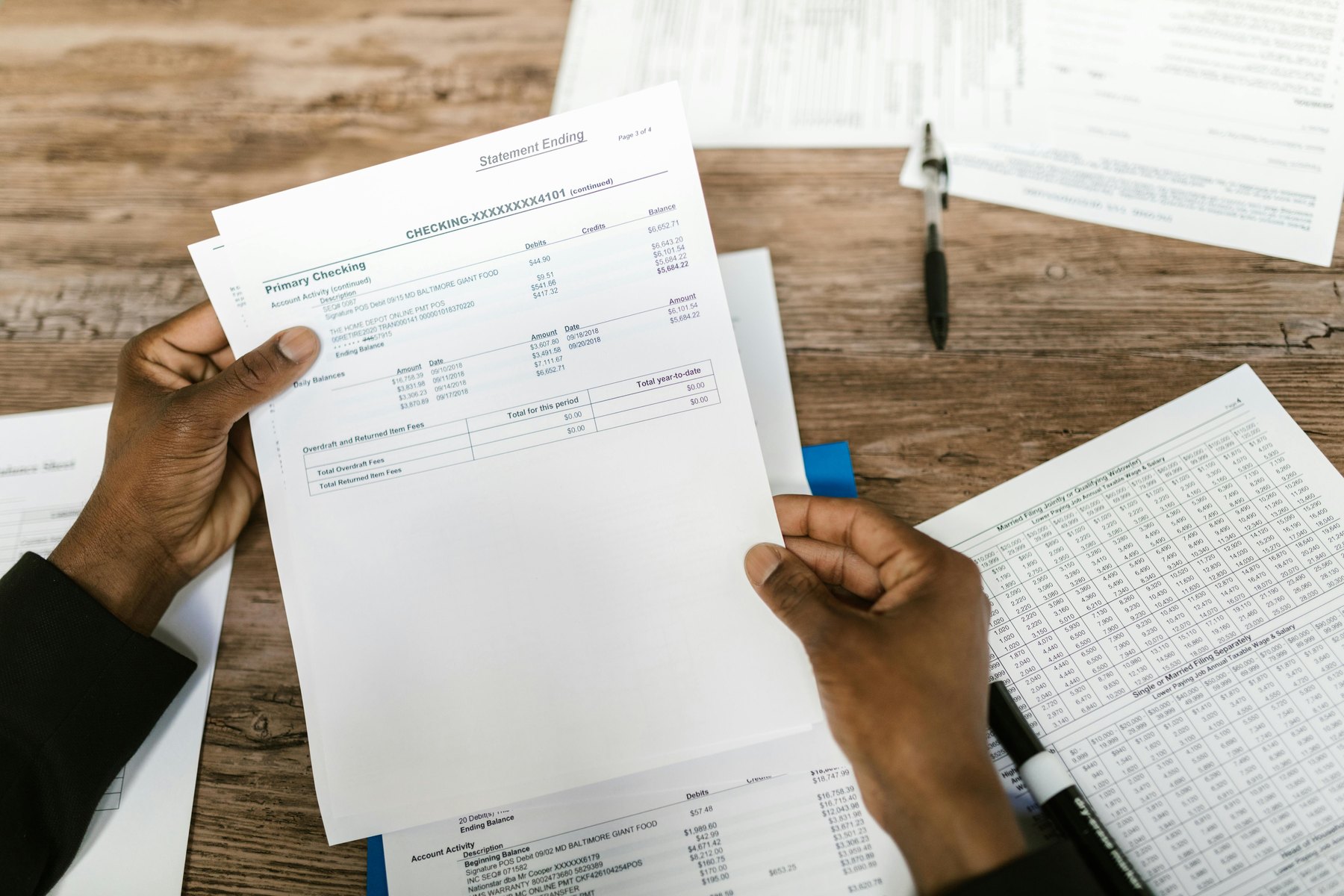
This habit is a quick scan of your checking account and your next week of obligations. It works because most financial stress comes from timing: money comes in on one day, bills go out on another day, and the gap creates overdrafts or late payments.
How to do it in 60 seconds
- Open your checking account and note your current balance.
- Look at pending transactions and subtract anything that has not posted yet.
- Check the next 7 days for scheduled payments: rent, utilities, subscriptions, minimum debt payments, childcare, insurance, and any automatic transfers.
- Pick one action if there is a mismatch: move money, pause a nonessential purchase, or reschedule a bill if your provider allows it.
Decision rules you can use immediately
- If essentials due in 7 days are more than your available balance, stop discretionary spending until you cover essentials.
- If you are within $50 to $200 of going negative (choose a buffer that fits your life), treat that as “no spend” until the next paycheck clears.
- If you see a payment you forgot, decide today whether to move money, change the due date, or set a reminder.
Mini checklist: what counts as “essentials”
- Housing payment
- Utilities needed to keep service on
- Groceries and basic transportation
- Insurance premiums
- Minimum payments on loans and credit cards
Common mistakes this habit prevents
- Overdraft fees from pending charges you forgot about
- Late fees because you assumed autopay was set up
- Accidentally spending money that was meant for a bill
| Quick check item | What to look for | Why it matters | Fast fix |
|---|---|---|---|
| Available balance | Balance minus pending charges | Prevents accidental overspending | Hold off on nonessentials until deposits clear |
| Next 7 days bills | Autopay, subscriptions, minimum payments | Avoids late fees and credit dings | Move money or change due date if possible |
| Buffer amount | $50 to $200 or one day of spending | Reduces overdraft risk | Set a “do not cross” line for spending |
| Upcoming income | Payday timing and expected amount | Helps you plan bill timing | Schedule payments after deposits when possible |
Habit 2: The 4 minute “one move” plan (pay, save, or reduce debt)
The second habit is making one small move that improves your financial position. It can be as simple as transferring $10 to savings, paying $10 extra on a high interest card, or setting up a reminder for a due date. The key is consistency and choosing the right move for your situation.
Pick one of these three moves
- Pay – make a payment or schedule one (minimums first, then extra).
- Save – transfer a small amount into a savings account.
- Reduce risk – lower the chance of fees or missed payments (update autopay, set reminders, cancel a subscription you do not use).
Decision rule: which move should you choose today?
- If you might miss a bill, choose “reduce risk” first.
- If you have high interest revolving debt (like credit cards), choose “pay” after minimums are covered.
- If you have no emergency buffer, choose “save” until you build a starter cushion.
A simple priority order that works for many households
- Keep essentials current (housing, utilities, insurance, transportation).
- Make minimum payments on all debts.
- Build a starter emergency fund (often $250 to $1,000).
- Pay down high APR debt.
- Grow a larger emergency fund (often 3 to 12 months of expenses, depending on income stability).
| Situation | Best “one move” | What to compare or check | Main drawback |
|---|---|---|---|
| Cash is tight and bills are close | Set reminders and confirm autopay dates | Due dates, processing time, grace periods | Does not reduce balances by itself |
| Credit card balance with high APR | Pay a small extra amount toward principal | APR, minimum payment, interest calculation | May reduce flexibility if cash is too tight |
| No emergency buffer | Transfer $10 to $25 to savings | Access to funds, transfer limits, fees | Small deposits feel slow at first |
| Overdraft risk | Move money to checking or lower spending today | Pending transactions, upcoming autopays | Requires attention to timing |
What this looks like with real numbers: 3 sample five minute plans
Below are three concrete examples. The dollar amounts are examples, not rules. The point is to show how a tiny daily habit can translate into a clear plan.
Scenario A: You are rebuilding after overdrafts
Monthly take home pay: $2,600. Checking balance today: $180. Next 7 days bills: $140 (phone $60, minimum card payment $40, subscription $40).
Five minute plan today:
- 60 second check: $180 minus $25 pending gas = $155 available. Bills $140. Buffer is only $15.
- One move: cancel the $40 subscription or pause it, then set a reminder for the $40 card minimum.
Resulting allocation for the next 7 days (adds up):
- $100 bills you must pay now (phone $60 + card minimum $40)
- $55 groceries and transportation
- $0 discretionary until next paycheck clears
Scenario B: You have a little breathing room and credit card debt
Monthly take home pay: $4,200. Checking balance today: $1,050. Next 7 days bills: $620. Credit card APR: check your statement.
Five minute plan today:
- 60 second check: $1,050 available, $620 bills, leaving $430 before groceries and gas.
- One move: pay $25 extra toward the highest APR card (on top of the minimum).
Simple weekly allocation (adds up):
- $620 scheduled bills
- $300 groceries, gas, and essentials
- $130 buffer for surprises
Scenario C: You are stable and want to save without overthinking
Monthly take home pay: $5,500. Checking balance today: $2,400. Next 7 days bills: $900. Emergency fund: already at 3 months of expenses.
Five minute plan today:
- 60 second check: confirm bills and keep a $300 buffer in checking.
- One move: transfer $50 to savings or toward a specific goal.
Example allocation of $1,500 “extra cash” this month (adds up):
- $600 additional savings (future car repair, travel, or home maintenance)
- $500 extra debt payments (if any) or increased retirement contribution
- $400 fun money and flexible spending
Timeline decision rules: where money should go based on when you need it
When you are deciding whether to save, pay down debt, or invest, the timeline matters. Use these rules of thumb to guide your “one move” choice.
Under 1 year
- Focus on cash you can access quickly for bills and near term goals.
- Common priorities: starter emergency fund, catching up on past due bills, avoiding overdrafts.
- If you are shopping for a loan soon, keeping payments on time and balances manageable can help your credit profile.
1 to 3 years
- Build a larger emergency fund and plan for predictable expenses (car tires, insurance deductibles, moving costs).
- If you have high APR debt, extra payments can reduce interest costs over time.
3 to 7 years
- Balance debt payoff with longer term goals like a down payment or career training.
- Consider stability: if your income is variable, a bigger cash cushion may be more valuable than aggressive extra payments.
7+ years
- Long term goals often benefit from consistent contributions and avoiding costly debt cycles.
- Even here, the five minute habits help by preventing late fees and keeping your plan on track.
How these habits connect to borrowing and credit decisions
When you need to borrow, small daily habits can improve your ability to compare options and avoid expensive mistakes.
Before you apply for any loan, use this quick checklist
- Know your monthly payment comfort zone based on your “next 7 days” check scaled to a month.
- List your existing minimum payments and due dates.
- Estimate how much cash buffer you need to avoid overdrafts.
- Pull your credit reports and check for errors.
You can get free weekly credit reports (availability can change) at AnnualCreditReport.com.
Compare loan offers using a simple decision matrix
| What to compare | Why it matters | What to look for | Red flag |
|---|---|---|---|
| APR | Total borrowing cost | Lower APR for the same term | APR not clearly disclosed |
| Fees | Upfront and ongoing costs | Origination, late fees, prepayment rules | Fees that are hard to find |
| Repayment term | Monthly payment and total interest | Term that fits your budget | Long term that keeps you in debt longer than needed |
| Payment timing | Avoids late payments | Due date aligned with payday | First payment due too soon |
| Ability to pay extra | Flexibility | No penalty for extra payments if allowed | Confusing prepayment terms |
For help understanding common loan terms and avoiding unfair practices, explore resources from the Consumer Financial Protection Bureau and the Federal Trade Commission.
Five minute setup: make the habits easier to stick with
Once you do the habits a few times, spend one extra five minute session setting up supports so you do not rely on memory.
Set up these safeguards
- Bill calendar: put due dates in your phone calendar with two reminders (7 days and 2 days before).
- Autopay for minimums: for loans and credit cards if you can reliably keep enough in checking.
- Low balance alert: many banks let you set a text or email alert.
- One savings bucket: a separate savings account for your starter emergency fund.
Overdraft choices to review
Overdraft settings vary by bank. If overdrafts have been an issue, review your options and costs. The FDIC has consumer resources on banking and deposit accounts.
Troubleshooting: if you keep falling off track
If you forget to do the habits
- Attach the routine to something you already do daily, like brushing your teeth or making coffee.
- Make it smaller: check only the next 3 days instead of 7 for one week.
If the check makes you anxious
- Focus on one question: “Will I cover essentials in the next 7 days?”
- Write down one next step, even if it is calling a provider to change a due date.
If your income is irregular
- Use a bigger buffer in checking, such as one week of essential spending.
- When income arrives, do your “one move” immediately: set aside taxes if you are self employed, then cover essentials, then save.
Put it together: your daily five minute script
Minute 1: check
- Balance minus pending
- Next 7 days bills
- Buffer line
Minutes 2 to 5: one move
- Pay: minimums first, then a small extra to the highest APR balance
- Save: transfer a small amount to a separate savings account
- Reduce risk: reminders, autopay review, cancel unused subscriptions
If you do nothing else, do the check and make one move. Over time, these two simple money habits in five minutes can help you stay current on bills, reduce fee risk, and make borrowing decisions with clearer numbers.


