

Wall Street Landlords Increase Rents: What It Means for Tenants and Your Budget

Wall Street landlords increase rents in many U.S. markets, and tenants often feel it first through renewal notices, new fees, and tighter lease terms.
Contents
33 sections
-
Why Wall Street landlords increase rents
-
1) Higher financing costs and return targets
-
2) Concentrated ownership in certain neighborhoods
-
3) Centralized pricing and revenue management
-
4) Added fees and "rent-like" charges
-
5) Renovations and "value-add" strategies
-
How to tell if your landlord is investor-backed
-
What rent increases mean for your monthly budget
-
A simple affordability checkpoint
-
Real-number example: the impact of a rent hike
-
Negotiation playbook for rent renewals
-
Before you ask: gather leverage
-
What to ask for (specific options)
-
Decision rule: negotiate or move?
-
Budget triage: where to find $100 to $400 per month
-
Short-term cash gap options (and what to compare)
-
Comparison table: common options to cover a temporary rent shortfall
-
Decision rules to avoid making the problem worse
-
What this looks like with real numbers: three sample budgets
-
Scenario A: Rent rises by $150, you cut spending (no new debt)
-
Scenario B: Rent rises by $300, you split the solution
-
Scenario C: Rent rises by $250, you use a short bridge and a payoff plan
-
Timeline decision rules: under 1 year, 1 to 3 years, 3 to 7 years, 7+ years
-
Under 1 year
-
1 to 3 years
-
3 to 7 years
-
7+ years
-
Protect your credit while dealing with higher rent
-
Practical steps
-
Tenant rights, fees, and how to file a complaint
-
Where to learn more and get help
-
A practical action plan for the next 14 days
-
Bottom line
In this context, “Wall Street landlords” usually means large, investor-backed companies that own thousands of single-family rentals or big apartment portfolios. Some are publicly traded real estate investment trusts (REITs) or private equity backed operators. They can influence rent trends in certain neighborhoods because they buy in bulk, use centralized pricing tools, and standardize fees and policies.
This article breaks down why rent increases happen, how to spot what is driving your own rent, and what to do next – from negotiating and reducing costs to choosing safer ways to cover a short-term gap without digging a deeper debt hole.
Why Wall Street landlords increase rents
Rent increases are not caused by one factor. They usually come from a mix of market conditions and business strategy. Here are the most common drivers when large investor-backed landlords are involved.
1) Higher financing costs and return targets
Large landlords often use debt to buy properties. When interest rates rise, borrowing and refinancing can get more expensive. Even if a specific property has a fixed-rate loan, companies may still raise rents to meet portfolio-level return targets or to offset higher costs elsewhere.
2) Concentrated ownership in certain neighborhoods
In some metro areas, a handful of large owners may control a meaningful share of rentals. When ownership is concentrated, rent increases can spread faster because fewer independent landlords are setting prices.
3) Centralized pricing and revenue management
Many large operators use software and data to set rents based on comparable units, vacancy rates, and demand patterns. This can lead to more frequent increases and less flexibility than a small landlord who prices based on personal preference or long-term tenant relationships.
4) Added fees and “rent-like” charges
Even when base rent increases are modest, total housing cost can rise through fees such as:
- Technology packages
- Valet trash or pest control add-ons
- Parking and amenity fees
- Pet rent and pet fees
- Lease renewal fees
- Utility billing and service fees
When you compare options, focus on total monthly cost, not just advertised rent.
5) Renovations and “value-add” strategies
Some investor-backed owners buy older properties, renovate units, then raise rents to match the upgraded product. This can improve housing quality, but it can also price out existing tenants if increases outpace income growth.
How to tell if your landlord is investor-backed
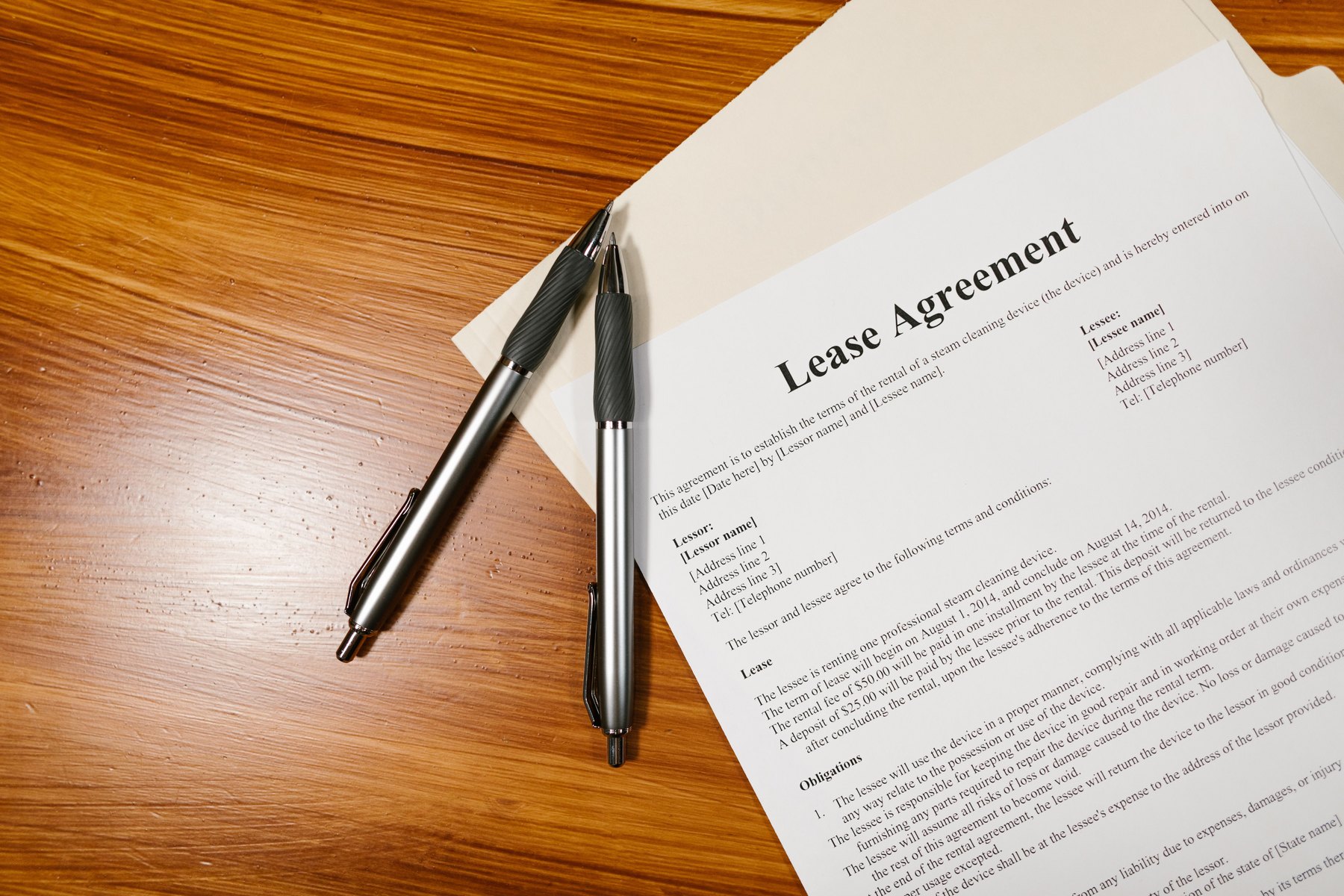
You do not need to guess. A few quick checks can clarify who owns your building or home.
- Look up the property owner in your county assessor or recorder database. The owner may be an LLC with a mailing address in another state.
- Check your lease and payment portal for the management company name.
- Search the company name plus “investor relations” or “REIT.” Public companies typically have investor pages.
- Notice standardized policies like uniform fees, strict renewal timelines, and centralized maintenance portals.
What rent increases mean for your monthly budget
Housing is usually the biggest line item in a household budget. A rent increase can ripple into other areas quickly, especially if you are already close to your limit.
A simple affordability checkpoint
Many households aim to keep rent near 25% to 35% of take-home pay, but real life varies by city and income. Instead of relying on a single rule, use two checks:
- Cash-flow check: After paying rent, utilities, groceries, transportation, and minimum debt payments, do you still have room for savings and irregular expenses?
- Stress test: Could you handle one surprise bill (car repair, medical copay) without missing rent?
Real-number example: the impact of a rent hike
Suppose your current rent is $1,800 and it increases 10% at renewal.
- New rent: $1,980
- Monthly increase: $180
- Annual increase: $2,160
If your net income is $4,800 per month, that $180 is 3.75% of your take-home pay. If you do not adjust spending, it often shows up as higher credit card balances.
| Change | Monthly | Yearly | What to watch |
|---|---|---|---|
| Rent +5% | +$90 | +$1,080 | Groceries, subscriptions, dining out |
| Rent +10% | +$180 | +$2,160 | Credit card balance creep |
| Rent +15% | +$270 | +$3,240 | Emergency fund contributions stop |
Negotiation playbook for rent renewals
Large landlords can be less flexible, but negotiation is still worth trying, especially if you are a low-maintenance tenant and the unit would be costly to turn over.
Before you ask: gather leverage
- Comparable rents: Screenshot similar units in your building or nearby. Focus on total cost including fees.
- Your track record: On-time payments, few maintenance requests, good unit condition.
- Timing: Ask early. Many companies set renewal offers weeks or months in advance.
What to ask for (specific options)
- Lower increase in exchange for a longer lease term (for example 18 months instead of 12).
- Fee reductions or waived renewal fees.
- Upgrades instead of rent cuts if they will not budge on price (new blinds, carpet cleaning, minor repairs).
- Move-in specials applied to renewals if new tenants are getting incentives.
Decision rule: negotiate or move?
Consider moving if the all-in increase is larger than the realistic cost to relocate spread over 12 months.
- Estimate moving costs: truck, deposits, application fees, time off work, utility setup.
- Divide by 12 to compare to the monthly rent increase.
Example: If moving costs total $2,400, that is $200 per month over a year. If your rent increase is $180 per month and you otherwise like the unit, staying may be cheaper. If your increase is $300 per month, moving could be financially justified if you can find a comparable place.
Budget triage: where to find $100 to $400 per month
If your rent rises and you want to avoid debt, look for savings that are repeatable. Use this checklist to prioritize changes with the biggest impact.
| Category | Quick action | Typical monthly range | Tradeoff |
|---|---|---|---|
| Insurance | Shop auto and renters insurance, raise deductibles if you have cash reserves | $20 to $120 | Higher out-of-pocket if you file a claim |
| Subscriptions | Cancel or rotate streaming, apps, memberships | $15 to $80 | Less convenience or entertainment |
| Food | Meal plan, reduce delivery, set a weekly grocery cap | $50 to $250 | More time cooking |
| Transportation | Refinance auto loan if eligible, carpool, adjust commuting days | $30 to $200 | Time and flexibility |
| Debt | Lower interest rate, consolidate, or accelerate payoff of high APR balances | $25 to $300 | May require good credit or fees |
Short-term cash gap options (and what to compare)
If a rent increase hits before you can adjust income or expenses, you may need a bridge. The goal is to cover the gap with the lowest risk and lowest total cost you can realistically qualify for.
Comparison table: common options to cover a temporary rent shortfall
| Option | Best fit | What to compare | Main drawback |
|---|---|---|---|
| 0% intro APR credit card (balance transfer or purchases) | Strong credit, plan to repay before promo ends | Promo length, balance transfer fee, post-promo APR | High APR after promo; can raise utilization |
| Personal loan from a bank or credit union | Need fixed payments and a set payoff timeline | APR, origination fee, term length, prepayment policy | Interest cost; approval depends on credit and income |
| Credit union small-dollar loan | Smaller gap, prefer member-focused terms | Eligibility, fees, repayment schedule, total cost | May require membership and waiting periods |
| Paycheck advance from employer or payroll provider | One-time shortfall, stable job | Fees, repayment timing, impact on next paycheck | Can create a cycle if used repeatedly |
| Hardship assistance or local rental aid | Income shock, risk of eviction | Eligibility, documentation, processing time | Not instant; funding and rules vary |
| Buy Now Pay Later for non-rent essentials | Free up cash for rent by splitting other purchases | Late fees, payment schedule, return policy | Multiple plans can become hard to track |
Decision rules to avoid making the problem worse
- If you can repay within 30 to 90 days: prioritize cutting expenses, selling unused items, or a short bridge with minimal fees. Avoid long-term debt for a small, temporary gap.
- If the gap lasts 6 to 18 months: a fixed-payment option may be easier to manage than revolving credit, but compare total interest and fees carefully.
- If you are already behind: contact your landlord early, ask about payment plans, and explore local assistance before taking on high-cost credit.
What this looks like with real numbers: three sample budgets
Below are three sample allocations showing how a household might adjust after a rent increase. These are examples, not templates. The point is to make the tradeoffs visible.
Scenario A: Rent rises by $150, you cut spending (no new debt)
- Cut subscriptions: $30
- Reduce dining out: $70
- Shop insurance: $50
Total offset: $150
Scenario B: Rent rises by $300, you split the solution
- Cut spending: $150
- Increase income (extra shift or side work): $150
Total offset: $300
Scenario C: Rent rises by $250, you use a short bridge and a payoff plan
Assume you need help for 4 months while you change jobs or reduce other costs.
- Temporary bridge: $250 per month for 4 months = $1,000 total
- Repayment plan: $100 per month for 10 months to pay back $1,000 (plus any interest or fees depending on the product)
Decision rule: If you cannot see a realistic path to repay within 12 months, treat the issue as a housing affordability problem and consider a roommate, relocation, or negotiating a longer-term solution.
Timeline decision rules: under 1 year, 1 to 3 years, 3 to 7 years, 7+ years
Rent increases often force a bigger question: is renting still the best fit for your timeline?
Under 1 year
- Prioritize flexibility. Avoid long leases if you expect to move.
- Focus on cash flow and keeping your emergency fund intact.
- If you borrow, keep the payoff horizon short and the fees low.
1 to 3 years
- Compare the cost of staying versus moving, including deposits and moving costs.
- Build a relocation fund if your area has rapid rent growth.
- Work on credit basics so you have more options: on-time payments, lower card balances, fewer new accounts.
3 to 7 years
- If you want to buy a home eventually, start a down payment plan and keep debt manageable.
- Track your rent trend. If increases are consistent, a longer-term housing strategy matters more than short-term fixes.
7+ years
- Think in terms of stability: school district, commute, long-term income, and whether you want to lock in housing costs through ownership.
- Renting can still be the right choice, but plan for periodic increases and potential moves.
Protect your credit while dealing with higher rent
When rent rises, the most common credit damage comes from missed payments, maxed-out cards, or applying for too much credit too quickly.
Practical steps
- Set payment reminders for rent, utilities, and minimum debt payments.
- Keep credit utilization in check if you rely on cards. High balances can lower scores even if you pay on time.
- Check your credit reports for errors before you apply for a loan or new card.
You can get free weekly credit reports from AnnualCreditReport.com.
Tenant rights, fees, and how to file a complaint
Rules vary by state and city. Some areas have limits on rent increases, notice requirements, or fee restrictions. Even without rent control, landlords often must follow specific notice timelines and lease terms.
Where to learn more and get help
- For guidance on consumer financial products and debt issues, visit the Consumer Financial Protection Bureau.
- For help spotting and reporting scams related to rentals, deposits, or fake listings, see the Federal Trade Commission consumer advice.
- To understand how deposit insurance works for bank accounts where you keep your emergency fund, review the FDIC resources.
A practical action plan for the next 14 days
- Day 1 to 2: Calculate your all-in housing cost (rent + fees + utilities) and the exact monthly increase.
- Day 3 to 5: Pull 5 to 10 comparable listings and document differences in fees, parking, and incentives.
- Day 6 to 7: Draft a renewal request: ask for a smaller increase or a fee waiver, and offer a longer lease if it helps.
- Week 2: If negotiation fails, price out moving costs and run the “moving cost divided by 12” test.
- Ongoing: If you need a bridge, compare APR, fees, and repayment terms, and pick a payoff date you can realistically meet.
Bottom line
When Wall Street landlords increase rents, the best response is specific and numbers-driven: understand what is raising your total housing cost, negotiate with evidence, and choose the least risky way to cover any short-term gap. If the increase changes your long-term affordability, treat it as a housing decision, not just a budgeting problem, and make a plan that fits your timeline.


