

What Makes a Metal Precious

What makes a metal precious is not just that it looks shiny or costs a lot today – it is a mix of rarity, durability, demand, and how easily the metal can be traded and verified.
Contents
24 sections
-
What makes a metal precious in practice
-
Core traits that drive precious metal value
-
1) Rarity and supply constraints
-
2) Demand: investment, jewelry, and industrial use
-
3) Purity and standardization
-
4) Liquidity and market depth
-
5) Storage, transport, and insurance costs
-
Precious vs base metals: a quick comparison
-
How precious metals are priced: spot, premium, and spread
-
Ways to own precious metals (and what to compare)
-
Named examples readers will recognize (not one-size-fits-all)
-
Purity marks, testing, and avoiding common mistakes
-
Know the markings
-
Practical verification checklist
-
How precious metals fit into real financial decisions
-
Decision rules by timeline
-
What this looks like with real numbers
-
Scenario 1: $5,000 set aside, building stability first
-
Scenario 2: $20,000 saved, moderate debt, wants diversification
-
Scenario 3: $100,000 investable savings, stable income, long horizon
-
Borrowing and precious metals: when it comes up
-
Cost and risk checklist before you buy
-
Where to learn more from trusted sources
-
Key takeaways
People have treated certain metals as “precious” for thousands of years because they store value well, resist corrosion, and are widely recognized. In modern personal finance, precious metals show up in places like jewelry purchases, coin collecting, inflation hedging, and portfolio diversification. They also matter if you are borrowing against valuables (like a pawn loan) or deciding whether to sell inherited items.
What makes a metal precious in practice
A metal is typically considered precious when it checks most of these boxes:
- Scarcity – limited supply in the earth’s crust and limited annual production.
- Durability – resists rust and corrosion, so it can last for decades or centuries.
- High value per unit weight – meaningful value in a small, transportable form.
- Fungibility – one unit can be swapped for another equivalent unit (especially when refined to standard purity).
- Recognized market pricing – transparent spot prices and active global trading.
- Verifiability – purity and authenticity can be tested and certified.
Gold, silver, platinum, and palladium are the most common precious metals in consumer markets. Some others (like rhodium) can be extremely valuable but are less common in retail investing because products and liquidity are more limited.
Core traits that drive precious metal value
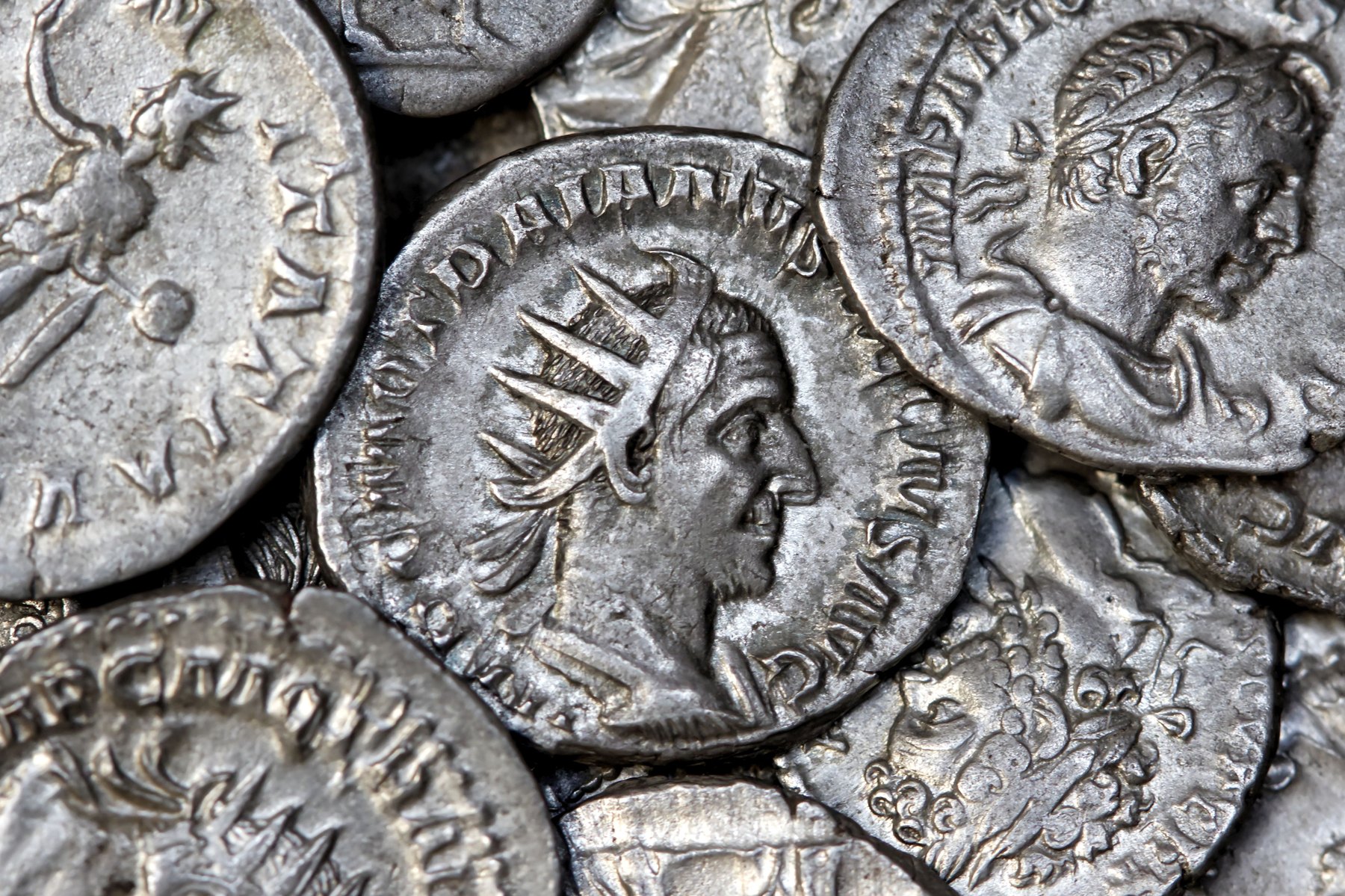
1) Rarity and supply constraints
Rarity is not just “hard to find.” It also includes:
- Mining output – how much is produced each year.
- Above-ground stock – how much already exists in bars, coins, jewelry, and industrial inventory.
- Recycling – how much supply comes from reclaimed jewelry and industrial scrap.
Gold is rare, but there is also a large above-ground stock because it does not corrode and is often stored. Silver is produced in larger quantities and is used up in industrial applications, which can affect availability differently.
2) Demand: investment, jewelry, and industrial use
Demand is a major reason prices move. It usually comes from three buckets:
- Investment demand – bars, coins, and funds that hold metal.
- Jewelry demand – especially for gold and, to a lesser extent, silver and platinum.
- Industrial demand – electronics, medical uses, and catalytic converters (notably for platinum and palladium).
Metals with heavy industrial demand can behave differently from metals that are mostly held as a store of value. For example, platinum and palladium prices can be sensitive to auto industry trends.
3) Purity and standardization
Precious metals are easier to trade when purity is standardized. Common purity measures include:
- Gold: 24k (pure) is 99.9%+, 18k is 75%, 14k is 58.3%.
- Silver: “.999 fine” is 99.9% pure.
- Platinum and palladium: often .999 or .9995 fine.
Standardization matters because it affects how quickly a buyer can verify what you have and how much they are willing to pay relative to the spot price.
4) Liquidity and market depth
Liquidity is how easily you can buy or sell at a fair price. Gold and silver generally have deep, active markets. Some niche metals can have wider bid-ask spreads, fewer buyers, and more price jumps.
5) Storage, transport, and insurance costs
Even if two metals have similar spot prices, the real-world cost to hold them can differ. Physical metals can require:
- Secure storage (home safe, bank safe deposit box where available, or professional vaulting)
- Insurance (sometimes separate from homeowners coverage)
- Shipping and handling for purchases and sales
These costs can reduce your net return, especially for smaller holdings.
Precious vs base metals: a quick comparison
Base metals like copper, aluminum, nickel, and zinc are essential to the economy, but they are typically more abundant and less valuable per ounce. They are often traded in large industrial quantities, not as compact stores of value for consumers.
| Feature | Precious metals (gold, silver, platinum, palladium) | Base metals (copper, aluminum, nickel) |
|---|---|---|
| Typical value density | High value in small weight | Lower value per pound, bulkier to store |
| Corrosion resistance | Generally high | Varies, often lower |
| Main demand drivers | Investment, jewelry, industrial (varies by metal) | Mostly industrial and construction |
| Retail investor access | Coins, bars, ETFs, some IRAs | Usually via commodities funds or futures, less common physically |
| Pricing transparency | Widely quoted spot prices | Widely quoted, but retail access is less direct |
How precious metals are priced: spot, premium, and spread
When you buy physical precious metals, you usually see three layers of cost:
- Spot price – the market reference price for immediate delivery.
- Premium – extra cost above spot for minting, distribution, and dealer margin. Premiums vary by product and market conditions.
- Bid-ask spread – the difference between what a dealer sells for and what they buy for.
Decision rule: if you might need to sell within a short time, pay close attention to premiums and spreads. A lower premium product can be easier to break even on than a high-premium collectible.
Ways to own precious metals (and what to compare)
You can get exposure in several ways. Each has different costs, risks, and liquidity.
| Option | Best fit | What to compare | Main drawback |
|---|---|---|---|
| Physical bullion bars | Lower-cost physical ownership | Premium over spot, assay/certification, buyback policy | Storage and resale logistics |
| Government-minted coins | High recognition and easier resale | Premium, authenticity features, dealer spread | Premiums can be higher than bars |
| Jewelry | Wearable value, gifts, heirlooms | Karat, workmanship markup, resale discount | Often resells below retail due to labor markup |
| ETFs that hold metal | Convenient trading in a brokerage account | Expense ratio, tracking, liquidity, tax treatment | No direct possession of metal |
| Mining stocks or funds | Potential leverage to metal prices | Company costs, geopolitics, balance sheet, fund fees | Stock risk can diverge from metal price |
Named examples readers will recognize (not one-size-fits-all)
These are common, widely known examples of products and marketplaces people use to access precious metals. Availability, fees, and features can change, so compare current terms.
- Coins: American Gold Eagle, American Silver Eagle, Canadian Gold Maple Leaf, South African Krugerrand, Austrian Philharmonic.
- Popular metal ETFs: SPDR Gold Shares (GLD), iShares Gold Trust (IAU), iShares Silver Trust (SLV), Aberdeen Standard Physical Platinum Shares ETF (PPLT), Aberdeen Standard Physical Palladium Shares ETF (PALL). Check current expense ratios and how each fund holds metal.
- Major retail dealers/marketplaces: APMEX, JM Bullion, SD Bullion. Compare premiums, shipping, payment methods, and buyback policies.
Purity marks, testing, and avoiding common mistakes
Know the markings
- Gold jewelry: 10k, 14k, 18k, 22k, 24k.
- Silver: “925” (sterling), “999” (fine silver).
- Platinum: “950” is common in jewelry (95% platinum).
Practical verification checklist
- Buy from established sellers with clear return policies and itemized invoices.
- Prefer products with serial numbers and assay cards for bars.
- Use non-destructive tests when possible (weight and dimensions, magnet test, specific gravity, XRF testing at a reputable shop).
- Be cautious with “too good to be true” discounts, social media DMs, and unverified peer-to-peer sales.
How precious metals fit into real financial decisions
Precious metals are often discussed as a hedge, but they can also create cash-flow issues if you buy too much too soon or rely on them for near-term expenses. A practical approach is to decide what problem you are trying to solve:
- Emergency stability: cash savings usually handle emergencies more smoothly than selling metal quickly.
- Long-term diversification: a modest allocation may reduce reliance on any single asset type.
- Inflation concern: metals sometimes hold value during inflationary periods, but prices can still be volatile.
- Legacy or collecting: coins and jewelry can have emotional and collectible value beyond melt value.
Decision rules by timeline
- Under 1 year: prioritize liquidity. If you might need the money soon, keep most funds in cash-like options and limit metal exposure because selling quickly can mean accepting a lower price due to spreads.
- 1 to 3 years: consider a small allocation only after building an emergency fund and paying down high-interest debt. Focus on low-premium, easy-to-sell products if you buy physical.
- 3 to 7 years: you have more time to ride out volatility. If you choose metals, compare holding methods (physical vs ETF) based on costs and convenience.
- 7+ years: long horizons can support a diversified approach. Metals are typically a satellite holding rather than the core for many households.
What this looks like with real numbers
Below are sample allocations to show how someone might think about metals alongside cash savings and debt priorities. These are examples, not universal targets. The right mix depends on income stability, debt rates, and how soon you might need the money.
Scenario 1: $5,000 set aside, building stability first
- $3,500 in an emergency fund (aiming toward 3 to 6 months of expenses over time)
- $1,000 toward high-interest debt principal (if applicable)
- $500 in a starter precious metals position (for example, low-premium silver or a small gold ETF position)
Total: $5,000
Scenario 2: $20,000 saved, moderate debt, wants diversification
- $12,000 emergency fund and near-term goals (car repairs, medical deductibles)
- $6,000 extra debt payments or sinking funds (depending on interest rate and payoff timeline)
- $2,000 metals exposure (for example, a mix of gold and silver via ETF or a few widely recognized coins)
Total: $20,000
Scenario 3: $100,000 investable savings, stable income, long horizon
- $20,000 cash and short-term reserves (about 3 to 12 months of expenses depending on job stability)
- $70,000 diversified long-term investments (such as broad stock and bond funds)
- $10,000 metals exposure (for example, primarily gold with a smaller slice of silver, held physically or via ETFs)
Total: $100,000
Borrowing and precious metals: when it comes up
People sometimes borrow against precious metals through pawn loans or collateral-based arrangements. This can be fast, but it can also be expensive and risky if you cannot repay on time. If you are considering borrowing against valuables, compare:
- Total finance charges and fees
- Repayment timeline and what happens if you miss a payment
- How the item is valued (melt value vs retail vs collectible value)
- Whether you can extend the loan and the cost of extensions
Decision rule: if the item has sentimental value, be extra cautious about any loan where the collateral can be forfeited.
Cost and risk checklist before you buy
| Question | Why it matters | Good sign | Red flag |
|---|---|---|---|
| What is the premium over spot? | High premiums raise your break-even point | Premium is clearly disclosed and competitive | Seller avoids quoting premium or uses vague pricing |
| How easy is it to resell? | Liquidity affects how much you net | Common products with active buyback markets | Obscure rounds or “exclusive” collectibles with thin markets |
| How will you store it? | Theft and loss risk is real | Secure plan with documentation | Unsecured storage or telling many people you own it |
| What is your timeline? | Short timelines can force a sale at a bad price | Longer horizon and no near-term cash need | Buying with money needed for rent, bills, or debt payments |
| Are you buying for “melt” or collectible value? | Collectibles can be harder to price and sell | You understand the difference and accept the tradeoff | Assuming collectibles always outperform bullion |
Where to learn more from trusted sources
For consumer protection and financial decision tools, these sources are helpful:
- Federal Trade Commission (FTC) consumer advice for spotting scams and understanding common fraud tactics.
- Consumer Financial Protection Bureau (CFPB) for guidance on borrowing, comparing financial products, and handling disputes.
- Internal Revenue Service (IRS) for general tax information, including capital gains basics. Tax treatment can vary by product type and account type.
Key takeaways
- Precious metals are “precious” because they are scarce, durable, widely recognized, and tradable with verifiable purity.
- Price is shaped by supply, demand (investment, jewelry, industrial), and real-world trading costs like premiums and spreads.
- Physical bullion, coins, jewelry, ETFs, and mining stocks each behave differently. Compare costs, liquidity, and risks before choosing a method.
- Use timeline-based rules and real-number allocations so metals do not crowd out emergency savings or high-priority debt payoff.


