

When Will Bitcoin Price Hit $100K? Factors, Timelines, and Practical Money Moves

When will Bitcoin price hit $100K is a popular question because it combines big upside potential with real uncertainty.
Contents
23 sections
-
What has to happen for Bitcoin to reach $100K?
-
1) Liquidity and interest rates
-
2) Spot ETF flows and institutional access
-
3) The halving cycle and supply dynamics
-
4) Regulation, taxes, and market structure
-
5) Security, custody, and trust events
-
When will Bitcoin price hit $100K? Timeline scenarios you can use
-
Decision rules by timeline
-
What $100 could look like: 3 sample allocations (with real numbers)
-
Scenario A: Ultra-cautious learner (under 1 year goals)
-
Scenario B: Balanced starter (1 to 3 years goals)
-
Scenario C: Long-term tilt (3 to 7+ years goals)
-
Where to hold your cash while you wait (and what to compare)
-
Buying Bitcoin: common routes and how to compare them
-
Option 1: Crypto exchanges and apps (direct ownership)
-
Option 2: Spot Bitcoin ETFs (brokerage exposure)
-
Risk controls that matter more than a price target
-
Use a position-size cap
-
Rebalance on a schedule, not on headlines
-
Avoid borrowing to buy volatile assets
-
Keep an emergency fund separate
-
A simple checklist before you chase $100K
-
Bottom line
No one can time Bitcoin precisely, but you can understand what typically moves the price, what milestones would make $100,000 more plausible, and how to set up a plan that does not depend on a single prediction. This guide breaks down the main drivers, lays out timeline-based decision rules, and shows what small-dollar allocations could look like with real numbers.
What has to happen for Bitcoin to reach $100K?
Bitcoin can reach $100,000 through many paths, but most involve some mix of higher demand, easier access, and a supportive macro environment. Here are the biggest forces that tend to matter.
1) Liquidity and interest rates
Bitcoin has often benefited when financial conditions are loose – meaning lower interest rates, more available credit, and investors willing to take risk. When cash yields are high and borrowing is expensive, some investors prefer safer assets and Bitcoin demand can cool.
What to watch:
- Central bank policy direction and market expectations
- Real yields (inflation-adjusted returns) on cash and bonds
- Credit conditions and risk appetite in broader markets
2) Spot ETF flows and institutional access
When more investors can buy Bitcoin through familiar wrappers (like brokerage accounts), demand can increase. Spot Bitcoin ETFs can make access easier for some investors, but flows can go both ways. Large inflows can support price. Large outflows can pressure price.
Practical takeaway: if you are using ETFs, compare expense ratios, tracking differences, liquidity, and how your broker handles trading costs.
3) The halving cycle and supply dynamics
Bitcoin issuance slows over time, and the halving reduces new supply created by mining. Historically, periods after halvings have sometimes seen strong bull markets, but history does not guarantee repeats. Demand still has to show up, and leverage can amplify both rallies and crashes.
What to watch:
- Miner profitability and selling pressure
- On-chain indicators (useful, but not definitive)
- Leverage levels in crypto derivatives markets
4) Regulation, taxes, and market structure
Clearer rules can increase participation, while enforcement actions, restrictions, or tax changes can reduce it. Regulation also affects stablecoins, exchanges, and custody – all of which influence how easily money moves in and out of crypto.
For consumer protection and scam awareness, the FTC has practical guidance on spotting and avoiding fraud: https://consumer.ftc.gov/.
5) Security, custody, and trust events
Exchange failures, hacks, and operational issues can hit confidence quickly. Even if Bitcoin itself keeps running, access points matter. Many losses in crypto come from account takeovers, phishing, and fake support scams rather than the blockchain.
Checklist to reduce avoidable risk:
- Use strong, unique passwords and app-based 2FA (not SMS when possible)
- Verify URLs and support contacts independently
- Consider cold storage for long-term holdings you do not plan to trade
- Do not borrow to buy volatile assets unless you can handle forced selling
When will Bitcoin price hit $100K? Timeline scenarios you can use
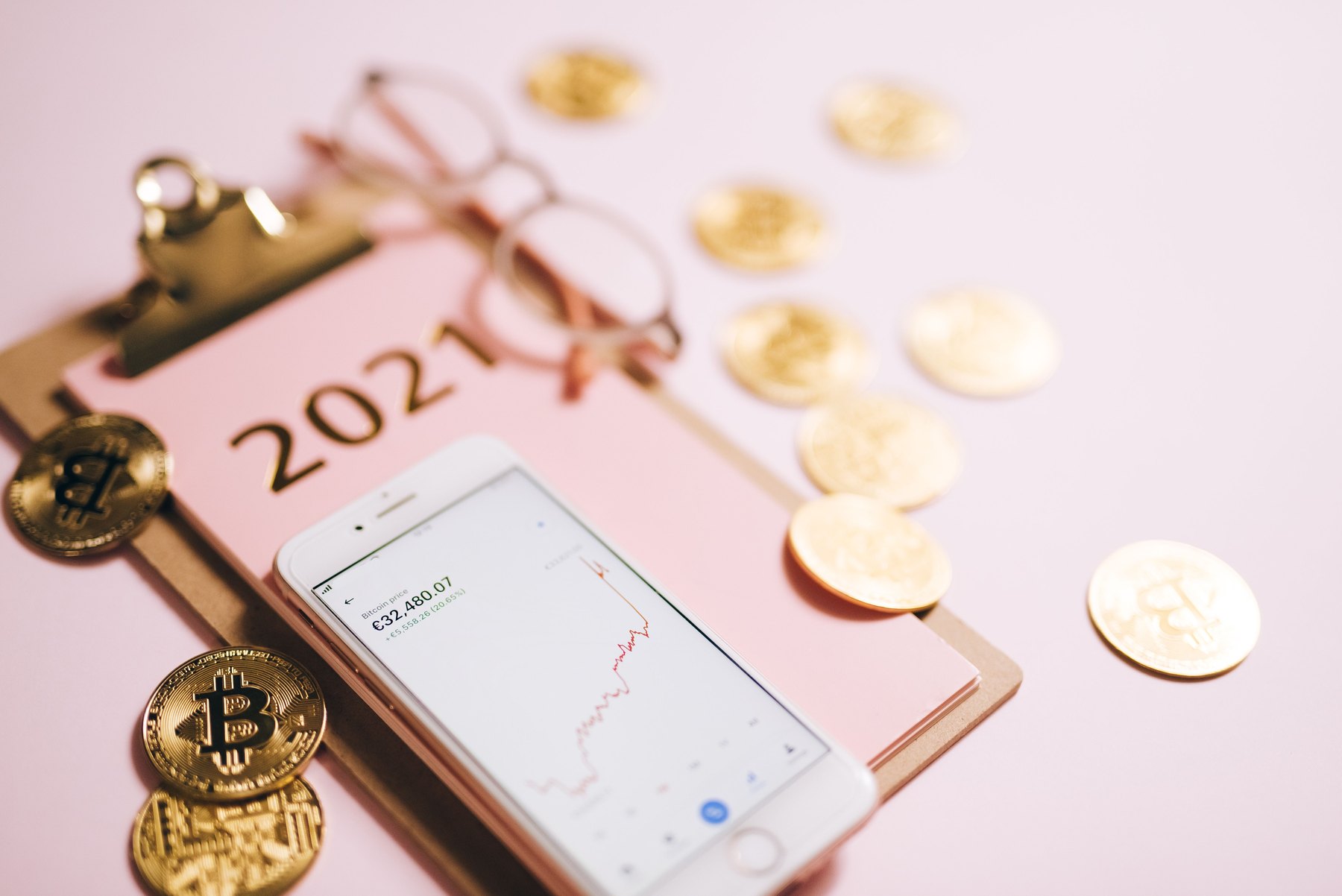
Instead of a single prediction, it helps to think in scenarios. The same $100K target can happen quickly in a risk-on surge or take years if conditions are choppy.
| Scenario | What could support it | What could delay it | How to plan |
|---|---|---|---|
| Fast move (months) | Strong ETF inflows, risk-on markets, momentum | Sudden regulatory shock, leverage unwind | Use position sizing and pre-set sell rules |
| Base case (1 to 3 years) | Gradual adoption, stable macro, steady inflows | High rates, recession fears, weak liquidity | Dollar-cost average, rebalance periodically |
| Slow grind (3 to 7 years) | Long-term adoption, improved infrastructure | Repeated drawdowns, security events, policy uncertainty | Keep crypto as a capped slice of a diversified plan |
| Not reached (7+ years or longer) | Target remains possible but not guaranteed | Structural demand limits, major restrictions, better alternatives | Focus on goals you can control: savings rate, debt, diversification |
Decision rules by timeline
Use time horizon rules to avoid making a long-term bet with short-term money.
- Under 1 year: Prioritize liquidity and principal stability. If you buy Bitcoin here, keep it small enough that a sharp drop would not disrupt bills or debt payments.
- 1 to 3 years: Consider a capped allocation with a plan to rebalance. Avoid relying on a single price target for a must-hit goal like a home down payment.
- 3 to 7 years: You have more time to ride volatility, but you still need diversification. Consider pairing any crypto exposure with broad stock and bond funds and a solid cash buffer.
- 7+ years: Long horizons can tolerate volatility better, but concentration risk still matters. A small allocation can be reasonable for some investors, but it should not replace retirement basics.
What $100 could look like: 3 sample allocations (with real numbers)
If you are curious about Bitcoin but want to keep your finances stable, small-dollar allocations can help you learn without risking essentials. Below are three examples that add up to $100 exactly. Verify current APYs, Treasury yields, taxes, and withdrawal rules before acting.
Scenario A: Ultra-cautious learner (under 1 year goals)
- $90 in an FDIC-insured high-yield savings account (check current APY and any transfer limits)
- $10 in Bitcoin (small learning position)
Why it fits: you keep most money stable and liquid, while still getting exposure to price movement.
Scenario B: Balanced starter (1 to 3 years goals)
- $50 in high-yield savings or a money market deposit account (confirm FDIC coverage and account terms)
- $30 in Treasury bills via a brokerage or TreasuryDirect (verify current yields and maturity dates)
- $20 in Bitcoin (or a spot Bitcoin ETF in a brokerage account, if preferred)
Why it fits: cash and T-bills can reduce volatility while you keep a modest risk bucket.
Scenario C: Long-term tilt (3 to 7+ years goals)
- $40 in a diversified stock index fund (broad market exposure)
- $30 in a diversified bond fund or Treasury fund (interest-rate risk still applies)
- $20 in Bitcoin
- $10 in cash (savings or brokerage cash sweep for flexibility)
Why it fits: Bitcoin is a slice, not the whole plan. Rebalancing can help you trim after big run-ups and add after big drops, based on rules rather than emotion.
Where to hold your cash while you wait (and what to compare)
If your Bitcoin plan depends on having stable money available for bills, emergencies, or near-term goals, the cash vehicle matters. Here are common places people park money, plus what to compare.
| Cash option | Best fit | What to compare | Main drawback |
|---|---|---|---|
| FDIC-insured high-yield savings | Emergency fund, short-term goals | APY, fees, transfer limits, FDIC coverage | Rates can change; may have slower transfers than checking |
| Money market deposit account (bank) | Cash you may need soon | APY tiers, minimums, check-writing, FDIC coverage | APY may lag top online savings; tier rules |
| Brokerage money market fund or cash sweep | Investors who want cash near investments | Yield, expense ratio, SIPC coverage details, settlement time | Not FDIC-insured; yield can vary |
| Treasury bills | Known maturity date, low credit risk | Yield, maturity, how you buy, tax treatment | Money is tied up until maturity unless you sell |
| CD (certificate of deposit) | Money you can lock up | APY, term length, early withdrawal penalty, FDIC coverage | Penalty reduces flexibility if you need cash early |
To understand deposit insurance basics and coverage limits, you can review FDIC resources here: https://www.fdic.gov/.
Buying Bitcoin: common routes and how to compare them
You generally have two mainstream ways to get exposure: buying Bitcoin directly on a crypto platform, or buying a spot Bitcoin ETF in a brokerage account. Each has tradeoffs.
Option 1: Crypto exchanges and apps (direct ownership)
Examples many readers recognize include Coinbase, Kraken, Gemini, and Crypto.com. Some investors also use Cash App to buy and hold Bitcoin.
What to compare:
- Trading fees and spreads (the spread is often the hidden cost)
- Withdrawal fees and the ability to move coins to your own wallet
- Security features: hardware key support, address whitelisting, 2FA options
- Customer support access and scam protections
Option 2: Spot Bitcoin ETFs (brokerage exposure)
Spot Bitcoin ETFs trade like stocks. Examples include iShares Bitcoin Trust (IBIT), Fidelity Wise Origin Bitcoin Fund (FBTC), ARK 21Shares Bitcoin ETF (ARKB), Bitwise Bitcoin ETF (BITB), and Grayscale Bitcoin Trust (GBTC).
What to compare:
- Expense ratio and any fee waivers (verify current terms)
- Liquidity and bid-ask spreads
- How closely the ETF tracks Bitcoin (tracking difference)
- Tax considerations in your account type (taxable vs retirement)
| Option | Best fit | What to compare | Main drawback |
|---|---|---|---|
| Coinbase | Beginners who want a large, well-known exchange | Fees vs advanced trading, withdrawal options, security tools | Costs can be higher on simple buy screens |
| Kraken | Users who value trading tools and security features | Fee schedule, funding methods, withdrawal controls | Interface can feel complex for first-timers |
| Gemini | Users who want a regulated, U.S.-based platform option | Fees, custody options, supported features in your state | Availability and features can vary by location |
| Crypto.com | Mobile-first users who want an all-in-one app | Spreads, withdrawal fees, staking or earn terms | Spreads and app pricing can be hard to compare |
| Cash App | Small, simple Bitcoin purchases | Fees, withdrawal ability, limits, custody controls | Fewer advanced tools and asset choices |
| IBIT (iShares) | Brokerage investors who want ETF simplicity | Expense ratio, spreads, tracking difference | You do not control the underlying coins directly |
| FBTC (Fidelity) | Fidelity users who prefer keeping assets in one place | Expense ratio, spreads, account compatibility | ETF structure still adds ongoing fees |
| GBTC (Grayscale) | Investors comparing legacy products vs newer ETFs | Expense ratio, liquidity, tracking difference | Fees may be higher than some alternatives |
Risk controls that matter more than a price target
If your plan is built only around “Bitcoin to $100K,” you may take risks that do not match your goals. These controls can help keep the decision grounded.
Use a position-size cap
A simple rule: decide the maximum percentage of your investable money you are willing to allocate to crypto (for example, 0% to 20% depending on risk tolerance), and do not exceed it. The right cap depends on your emergency fund, debt, and timeline.
Rebalance on a schedule, not on headlines
Example rule: every quarter, bring your portfolio back to target weights. If Bitcoin rallies and becomes too large a slice, you trim. If it falls and remains within your risk tolerance, you add modestly. This can reduce emotional decisions.
Avoid borrowing to buy volatile assets
Margin loans, personal loans, and credit cards can force selling at the worst time if prices drop. If you are already carrying high-interest debt, paying it down can be a more reliable improvement to your finances than trying to out-earn the APR with a volatile asset.
Keep an emergency fund separate
If you are building or rebuilding your emergency fund, consider keeping it in FDIC-insured accounts. If you are unsure how insurance works or want to confirm coverage limits, the FDIC site is a solid reference: https://www.fdic.gov/.
A simple checklist before you chase $100K
| Question | If yes | If no |
|---|---|---|
| Do you have 3 to 12 months of essential expenses in a stable place? | Consider a small, capped crypto allocation | Prioritize cash reserves first |
| Is your timeline 3+ years for this money? | Volatility may be more manageable | Keep crypto exposure minimal or avoid |
| Can you tolerate a 50% drawdown without changing your life plans? | You may be able to hold through cycles | Reduce size or choose more stable assets |
| Do you understand fees, spreads, and taxes for your route (exchange vs ETF)? | Proceed with clearer expectations | Compare platforms and account types first |
| Do you have a written buy, rebalance, and sell rule? | Less likely to panic trade | Create rules before you buy |
Bottom line
Bitcoin reaching $100K is possible, but the timing depends on demand, liquidity, access, and investor sentiment, and those can change quickly. A more reliable approach is to match your allocation to your timeline, keep near-term money in stable vehicles, and use clear rules for position sizing and rebalancing. If you start with small, real-number allocations like the $100 examples above, you can participate without letting a single price target drive your entire financial plan.
For more help spotting financial scams and high-pressure tactics that sometimes show up around hot investments, the FTC consumer guidance is worth reviewing: https://consumer.ftc.gov/.


