

Winter Heating Costs Increase: How to Budget, Lower Bills, and Borrow Carefully

A winter heating costs increase can hit fast, especially when cold snaps arrive before your budget is ready. The good news is you usually have more than one lever to pull: reduce energy waste, spread costs across months, tap assistance programs, and if needed, choose a financing option with clear terms and manageable payments.
Contents
29 sections
-
Why a winter heating costs increase happens
-
Quick triage: what to do this week
-
Fast checklist (30 to 90 minutes)
-
Call your utility: ask for these options
-
Budgeting for a winter heating costs increase with real numbers
-
Step 1: Estimate your monthly gap
-
Step 2: Pick a funding plan (three sample allocations)
-
Winter heating costs increase: reduce usage without expensive upgrades
-
Low-cost improvements that often matter
-
When an upgrade might pay off
-
Help programs and protections to check before you borrow
-
Borrowing options to cover heating bills (and how to compare them)
-
Decision rules before you apply
-
Named examples you may see (compare, do not assume best)
-
How to compare offers quickly
-
What it looks like with real numbers: borrowing to cover a winter gap
-
Timeline decision rules: under 1 year, 1 to 3 years, 3 to 7 years, 7+ years
-
Under 1 year (this winter)
-
1 to 3 years
-
3 to 7 years
-
7+ years
-
Protect your credit while managing winter bills
-
Documents and info to gather (faster applications and assistance)
-
A simple plan you can follow
-
1) Estimate your gap
-
2) Reduce the bill with quick wins
-
3) Ask for help and smoothing options
-
4) If you must borrow, choose the least risky tool
-
5) Set up next winter now
This guide walks through practical steps to lower your bill, plan for higher costs with real numbers, and compare borrowing choices without making your situation worse.
Why a winter heating costs increase happens
Heating bills rise for a mix of reasons. Understanding which ones apply to you helps you pick the right fix.
- Weather and usage: More heating days and longer run times drive higher consumption.
- Fuel and electricity prices: Natural gas, heating oil, propane, and electricity rates can change seasonally and with market conditions.
- Home efficiency: Poor insulation, air leaks, old windows, and an aging furnace or heat pump can waste energy.
- Billing structure: Tiered rates, demand charges (some electric plans), and delivery fees can raise the total even if usage is steady.
- Household changes: Working from home, new occupants, or a new baby can increase daytime heating needs.
Quick triage: what to do this week
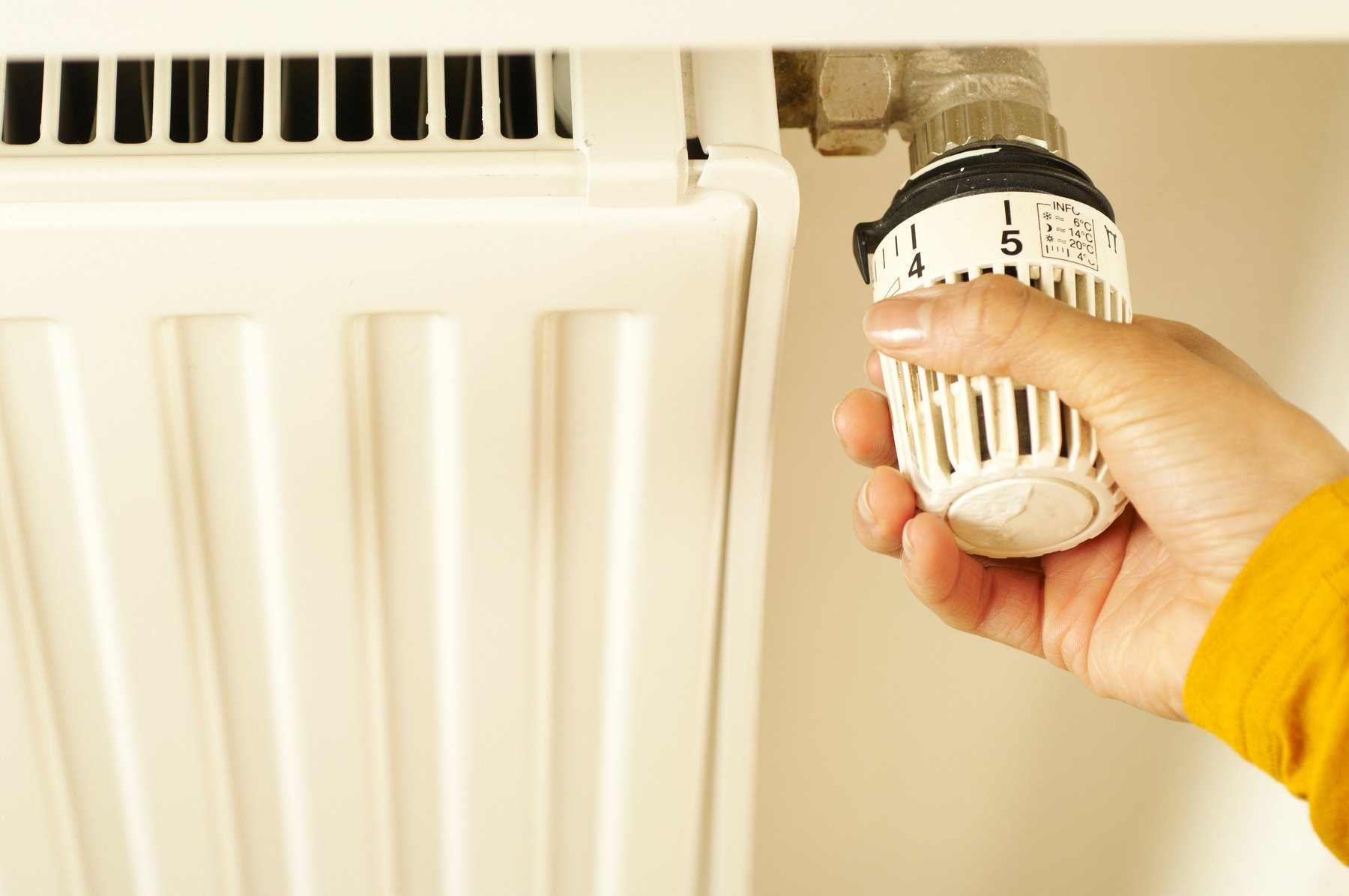
If you are already seeing a spike, start with actions that cost little and can reduce usage immediately.
Fast checklist (30 to 90 minutes)
- Set the thermostat to a realistic baseline (many households try a lower setting when asleep or away).
- Replace or clean HVAC filters if your system uses them.
- Close blinds and curtains at night. Open them on sunny days for passive heat.
- Seal obvious drafts with temporary weatherstripping or a door sweep.
- Check vents and radiators for blocked airflow (furniture, rugs, curtains).
- Lower the water heater temperature if it is set unusually high and your household can tolerate a modest reduction.
Call your utility: ask for these options
- Budget billing or level pay: Spreads seasonal spikes into a steadier monthly amount.
- Payment plan: If you are behind, ask about a structured plan before you borrow.
- Energy audit: Some utilities offer free or discounted audits and rebates.
- Low-income discounts: Many utilities have income-based programs or hardship funds.
Budgeting for a winter heating costs increase with real numbers
Start by estimating your winter heating “gap” – the extra amount you may need each month compared with your normal baseline.
Step 1: Estimate your monthly gap
- Find your average heating bill in mild months (or last year’s average).
- Estimate your winter bill range based on recent statements or utility projections.
- Gap = projected winter bill minus baseline bill.
| Example household | Baseline monthly energy bill | Projected winter bill | Estimated monthly gap | 3-month total gap |
|---|---|---|---|---|
| Apartment, electric heat | $120 | $220 to $260 | $100 to $140 | $300 to $420 |
| Small home, gas furnace | $160 | $260 to $320 | $100 to $160 | $300 to $480 |
| Larger home, older insulation | $220 | $380 to $520 | $160 to $300 | $480 to $900 |
Step 2: Pick a funding plan (three sample allocations)
Below are three ways to cover a winter gap. These are examples to show how the math can work. Adjust to your income, savings, and risk tolerance.
- Allocation A: Mostly cash flow (lower risk)
- Cut discretionary spending: $60 per month
- Utility budget billing: $40 per month smoothing effect
- Small savings draw: $40 per month
- Total: $140 per month
- Allocation B: Mix of savings and short-term financing (moderate risk)
- Savings draw: $75 per month
- 0% intro APR credit card (if you qualify) for heating bills: $75 per month equivalent
- Total: $150 per month
- Allocation C: Assistance first, then backup credit (needs-based)
- Apply for LIHEAP or local assistance: target $300 one-time credit over the season (equals $100 per month over 3 months)
- Temporary side income: $50 per month
- Emergency buffer from savings: $25 per month
- Total: $175 per month
Decision rule: if your plan requires borrowing, make sure the payment fits even if the winter bill lands at the high end of your range for at least 2 to 3 months.
Winter heating costs increase: reduce usage without expensive upgrades
Big upgrades can help, but many households need lower-cost moves first. Focus on the highest waste areas: air leaks, thermostat habits, and equipment maintenance.
Low-cost improvements that often matter
- Air sealing: Weatherstripping doors, sealing window gaps, and covering unused fireplace flues can reduce drafts.
- Programmable or smart thermostat settings: Use schedules you can stick to. A plan you follow beats a perfect plan you ignore.
- Space heating strategy: If safe and allowed by your lease, heating occupied rooms more than empty ones can help. Avoid unsafe heaters and never use ovens for heat.
- Maintenance: A tune-up and clean filter can improve performance and reduce strain.
When an upgrade might pay off
If your furnace is failing, your heat pump is underperforming, or your home has obvious insulation gaps, upgrades may reduce long-run costs. Compare the total cost (purchase, installation, permits, maintenance) against your expected savings and how long you plan to stay in the home.
Help programs and protections to check before you borrow
Before taking on new debt, look for programs that reduce the bill directly or prevent shutoffs.
- LIHEAP: The Low Income Home Energy Assistance Program can help eligible households with heating and energy bills. Start here: CFPB resources on household costs and your state or local LIHEAP office listings.
- Utility hardship programs: Many utilities offer arrears management, discounts, or crisis grants.
- Weatherization assistance: Some areas provide free insulation and sealing for eligible households.
- Shutoff rules: Some states have cold-weather protections or notice requirements. Ask your utility or state regulator.
If you are behind on bills and dealing with collection calls or threats, the CFPB has practical guidance and complaint tools: https://www.consumerfinance.gov/.
Borrowing options to cover heating bills (and how to compare them)
Borrowing can be a bridge, but it can also turn a seasonal spike into a long-term payment. Compare options by APR, fees, repayment term, payment size, and what happens if you miss a payment.
Decision rules before you apply
- Borrow as little as possible: Aim to cover the gap, not a vague cushion.
- Match term to the problem: A 3-month winter gap usually calls for a short payoff plan, not years of payments.
- Protect essentials: Avoid putting your car or home at risk for a relatively small utility shortfall if you have safer alternatives.
- Know the total cost: Look at total interest plus fees, not just the monthly payment.
| Option | Best fit | What to compare | Main drawback |
|---|---|---|---|
| Utility payment plan | Behind on bills, want to avoid new credit | Down payment, months to repay, late fee policy | May require on-time payments to keep plan |
| 0% intro APR credit card (if eligible) | Can repay within promo window | Promo length, post-promo APR, balance transfer fees | High APR after promo if balance remains |
| Credit union personal loan | Need fixed payments and clear payoff date | APR range, origination fee, term, prepayment policy | Approval depends on credit and income |
| Buy Now Pay Later (BNPL) for related purchases | Small, specific purchase like space heater or supplies | Late fees, autopay rules, dispute process | Multiple plans can get hard to track |
| Home equity loan or HELOC | Homeowners with larger efficiency project | APR type, closing costs, draw period, variable rate risk | Your home is collateral |
Named examples you may see (compare, do not assume best)
These are recognizable providers and platforms that some borrowers consider. Availability, rates, and terms vary, so compare offers and read the fee schedule.
- Credit cards: Chase, Citi, Bank of America, Capital One, Discover
- Personal loans: LightStream, SoFi, Upstart, LendingClub, Prosper
- BNPL: Affirm, Klarna, Afterpay
- Home equity: Many banks and credit unions offer HELOCs and home equity loans. Compare local credit unions and major banks.
How to compare offers quickly
- APR: Lower is generally better, but also check fees.
- Fees: Origination fees, late fees, balance transfer fees, closing costs.
- Term: Shorter terms usually mean higher payments but less total interest.
- Payment timing: Due date, autopay discounts, and grace periods.
- Credit reporting: Whether the account reports to credit bureaus and how missed payments are handled.
What it looks like with real numbers: borrowing to cover a winter gap
Assume you need $600 to cover a 3-month heating gap. Here are planning examples, not quotes.
- Example 1: 0% intro APR card, paid off in 6 months
- Charge $600 of bills.
- Pay $100 per month for 6 months.
- Key rule: confirm the promo period is longer than your payoff plan and watch for balance transfer fees if you move the balance.
- Example 2: Personal loan with fixed payments
- Borrow $600 with a 12-month term.
- Payment depends on APR and fees. Compare total repayment across lenders.
- Key rule: avoid stretching a small seasonal bill into a long term unless the payment is the only workable option.
- Example 3: Utility payment plan plus partial savings
- Pay $300 from savings.
- Enroll $300 into a 3 to 6 month utility plan.
- Key rule: ask how missed payments affect your plan and whether late fees apply.
Timeline decision rules: under 1 year, 1 to 3 years, 3 to 7 years, 7+ years
Heating costs are seasonal, but the best solution depends on how long you need it.
Under 1 year (this winter)
- Prioritize quick savings: sealing drafts, thermostat schedule, filter changes.
- Use budget billing or a utility payment plan if available.
- If borrowing, prefer options with a clear payoff path within months, not years.
1 to 3 years
- Build a “winter buffer” sinking fund: set aside a monthly amount year-round.
- Consider modest upgrades with predictable payback: insulation in key areas, smart thermostat, maintenance.
- Work on credit basics so future borrowing costs may be lower: on-time payments and lower utilization.
3 to 7 years
- If you own your home, compare larger efficiency upgrades (insulation, duct sealing, heat pump) and look for rebates.
- Consider financing only if the payment fits comfortably and you plan to stay long enough to benefit.
7+ years
- Plan for equipment replacement cycles (furnace, heat pump, water heater).
- Build home maintenance savings so repairs do not force high-cost debt.
Protect your credit while managing winter bills
Heating stress can spill into late payments. A few moves can reduce credit damage risk.
- Contact billers early: Many utilities and lenders are more flexible before you miss a payment.
- Automate minimums: If you use a credit card for a short-term bridge, set autopay for at least the minimum due.
- Check your credit reports: Review for errors and track progress. You can request reports at https://www.annualcreditreport.com/.
- Watch for scams: Be cautious of callers demanding immediate payment by gift card, wire, or crypto. The FTC has guidance on avoiding scams: https://consumer.ftc.gov/.
Documents and info to gather (faster applications and assistance)
| What you may need | Examples | Used for | Where to find it |
|---|---|---|---|
| Proof of identity | Driver’s license, state ID | Assistance programs, loans, utility accounts | Wallet, DMV records |
| Proof of income | Pay stubs, benefit letters, tax return | LIHEAP, payment plans, loan underwriting | Employer portal, benefits portal |
| Utility bills | Recent statements, account number | Assistance applications, budget billing setup | Utility website or paper bill |
| Housing costs | Lease, mortgage statement | Budgeting and eligibility checks | Landlord portal, lender statements |
| Bank info | Routing and account number | Autopay, direct deposit of assistance | Checks, bank app |
A simple plan you can follow
1) Estimate your gap
- Pick a conservative winter bill estimate.
- Calculate the monthly and seasonal shortfall.
2) Reduce the bill with quick wins
- Thermostat schedule, draft sealing, filter change, curtains, airflow.
3) Ask for help and smoothing options
- Budget billing, payment plan, assistance programs, audit and rebates.
4) If you must borrow, choose the least risky tool
- Compare APR, fees, term, and the worst-case scenario if you cannot pay on time.
- Keep the payoff timeline short and realistic.
5) Set up next winter now
- Create a sinking fund by saving a small amount monthly in spring and summer.
- Schedule maintenance before peak season.
Handled early, a winter heating spike can be a budgeting problem instead of a long-term debt problem. Start with the fastest efficiency fixes, use utility programs to smooth the bill, and treat borrowing as a last-resort bridge with terms you can live with.


