

Best 0 Intro APR Credit Cards

The best 0 intro APR credit cards can help you finance a large purchase or pay down existing card debt with less interest for a limited time.
Contents
29 sections
-
How 0% intro APR credit cards work
-
Best 0 intro APR credit cards: named options to compare
-
How to use the table
-
When a 0% intro APR card makes sense
-
When it may not be the right tool
-
Decision rules: purchases vs balance transfers
-
If your goal is a balance transfer
-
If your goal is financing a purchase
-
What this looks like with real numbers
-
Scenario 1: Balance transfer to pay off $6,000 in 15 months
-
Scenario 2: $2,400 appliance purchase paid off in 12 months
-
Scenario 3: Split plan – $3,500 transfer plus $1,000 purchase
-
Checklist: compare offers before you apply
-
Payoff planning by timeline
-
Under 1 year
-
1 to 3 years
-
3 to 7 years
-
7+ years
-
How to calculate whether a balance transfer fee is worth it
-
Common pitfalls to avoid
-
Missing the promo end date
-
Only paying the minimum
-
Using the card for new spending during a balance transfer
-
Confusing 0% intro APR with deferred interest
-
Application and setup steps that reduce mistakes
-
How 0% intro APR cards can affect your credit
-
Alternatives if a 0% intro APR card is not a fit
-
Quick decision matrix
-
Bottom line: choose the offer that matches your payoff math
But “0%” is not forever. The value comes down to the length of the intro period, the balance transfer fee (if any), what APR applies after the promo ends, and whether you can realistically pay the balance down before that date. This guide walks through how 0% intro APR offers work, which cards are commonly considered top options, and how to choose based on real numbers.
How 0% intro APR credit cards work
A 0% intro APR offer is a promotional interest rate for a set period. It usually applies to:
- Purchases – new spending on the card
- Balance transfers – moving existing debt from another card or lender
- Sometimes both – but the promo length can differ by category
Key mechanics to understand:
- Promo clock: The 0% period typically starts when you open the account, not when you make a purchase.
- Balance transfer window: Many cards require transfers within a certain number of days to qualify for the promo. Check the issuer’s terms.
- Fees: Balance transfers often carry a fee (commonly a percentage of the amount transferred). Some cards occasionally offer a $0 transfer fee promo, but you need to verify current terms.
- Post promo APR: After the intro period, any remaining balance usually starts accruing interest at the ongoing variable APR.
- Payment allocation: If you have multiple balances (0% and non 0%), issuers generally apply payments above the minimum to the highest APR balance first, but rules vary. Read your card agreement.
Best 0 intro APR credit cards: named options to compare
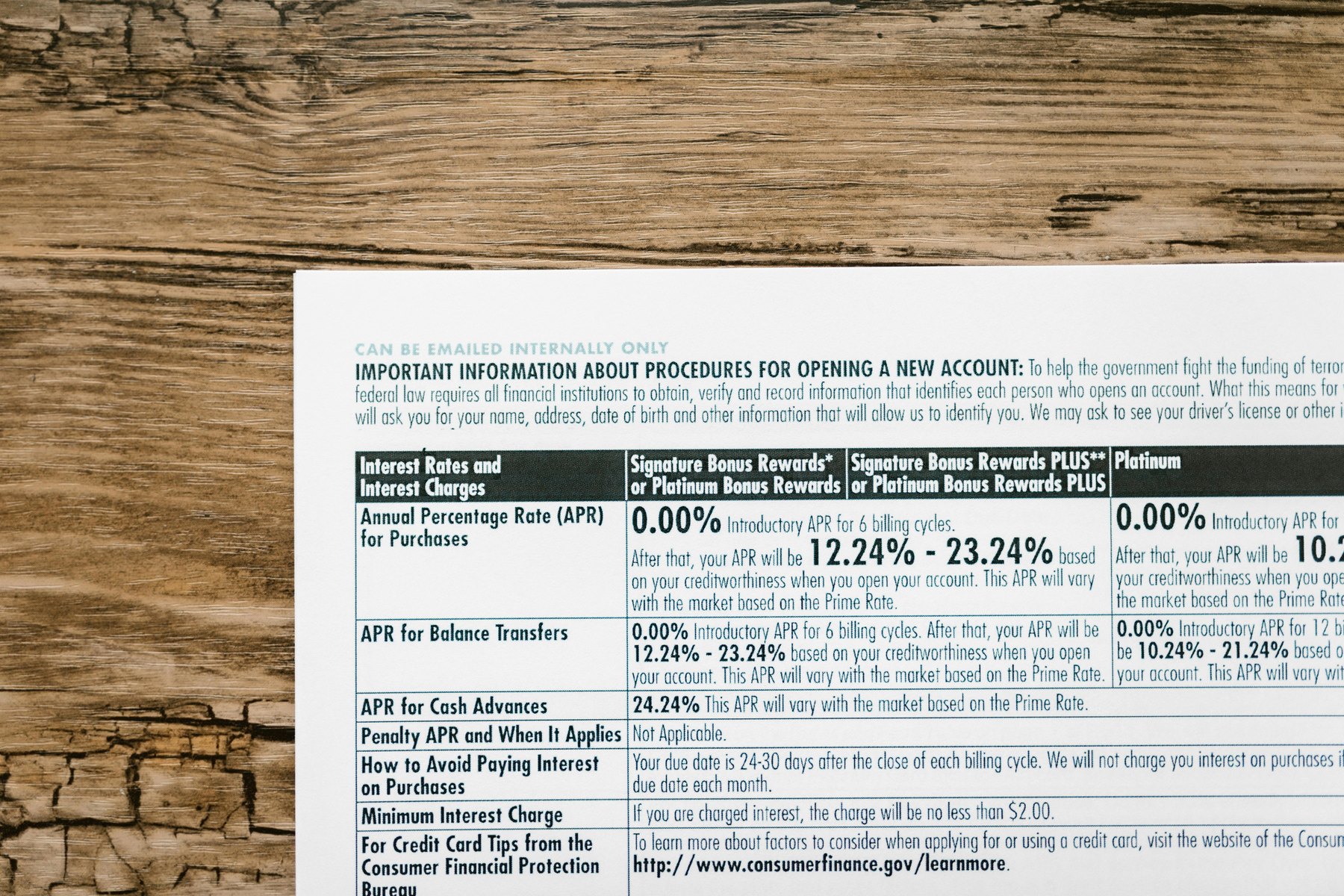
Below are widely recognized 0% intro APR credit cards that often appear in “best of” lists. Offers change, so treat these as starting points and confirm current intro APR length, transfer fees, and eligibility before applying.
| Option | Best fit | What to compare | Main drawback |
|---|---|---|---|
| Citi Simplicity Card | Long 0% periods and simplicity | Intro APR length for transfers and purchases, transfer fee, post promo APR | Fewer ongoing perks than rewards cards |
| Citi Diamond Preferred Card | Balance transfer focused plans | Transfer promo length, transfer fee, late fee policy, APR after promo | Limited rewards value |
| Chase Freedom Unlimited | 0% intro purchases plus cash back | Purchase promo length, rewards rate, APR after promo, transfer terms | Transfer offer may be shorter or less competitive than BT focused cards |
| Chase Freedom Flex | Rotating category cash back with intro 0% | Purchase promo length, category rewards, transfer fee, APR after promo | Rewards require tracking categories and activation |
| Discover it Cash Back | Intro 0% plus rotating cash back | Purchase and transfer promo length, transfer fee, rewards structure | Category caps and rotating categories may not fit everyone |
| Wells Fargo Reflect Card | Potentially long intro APR window | Promo length, transfer fee, APR after promo, any account management features | Limited rewards compared with cash back cards |
| BankAmericard (Bank of America) | Simple low interest approach | Promo length, transfer fee, APR after promo, relationship perks if any | Not designed for maximizing rewards |
How to use the table
Pick 2 to 4 cards and compare them on the same set of numbers: intro months, transfer fee, and the APR you would face if you still carry a balance after the promo ends. If your goal is debt payoff, rewards are usually secondary to total cost and timeline.
When a 0% intro APR card makes sense
0% intro APR can be useful in a few common situations:
- Paying down credit card debt faster: A balance transfer can reduce interest charges during the promo period, helping more of each payment go to principal.
- Financing a planned purchase: For a necessary expense you can pay off within the promo window, a 0% purchase APR can be cheaper than carrying a balance on a standard card.
- Smoothing cash flow: If your income is uneven (commission, seasonal work), a 0% window can help you avoid interest while you catch up, as long as you have a payoff plan.
When it may not be the right tool
- You cannot realistically pay it off before the promo ends: The post promo APR can make remaining debt expensive.
- The transfer fee outweighs the savings: Especially if you would pay the balance quickly anyway.
- You might keep spending on the card: New purchases can complicate payoff and may not be at 0% depending on the offer.
- Your credit is already stretched: Opening a new card can increase available credit, but it also adds another payment to manage.
Decision rules: purchases vs balance transfers
Use these simple rules to narrow your choice.
If your goal is a balance transfer
- Rule 1: Prioritize the longest 0% intro APR on balance transfers that you can qualify for.
- Rule 2: Compare the balance transfer fee and calculate the break even point.
- Rule 3: Avoid cards that do not clearly state the transfer window or that apply a higher fee later.
If your goal is financing a purchase
- Rule 1: Choose a card with a 0% intro APR on purchases that covers your payoff timeline.
- Rule 2: If you will carry a balance, avoid cards with high ongoing APR if possible.
- Rule 3: Rewards are only a bonus if you will not miss payments and you will not overspend.
What this looks like with real numbers
Here are three realistic scenarios showing how to plan around a 0% intro APR period. These examples use round numbers and common fee structures. Always plug in the actual terms you are offered.
Scenario 1: Balance transfer to pay off $6,000 in 15 months
You have $6,000 on a high APR card. You find a 0% balance transfer offer for 15 months with a 3% transfer fee.
- Transfer fee: $6,000 x 3% = $180
- New balance: $6,180
- Monthly payment to finish in 15 months: $6,180 / 15 = $412
Decision rule: If you can commit to about $412 per month and avoid adding new debt, the transfer fee may be worth it compared with paying interest for 15 months on the original card.
Scenario 2: $2,400 appliance purchase paid off in 12 months
You need a refrigerator and plan to put $2,400 on a card with 0% intro APR on purchases for 12 months.
- Monthly payment to finish in 12 months: $2,400 / 12 = $200
- Buffer plan: Pay $220 per month to finish early and leave room for a surprise expense.
Decision rule: If you cannot comfortably pay at least $200 to $220 per month, consider a cheaper purchase, a larger down payment, or a longer promo period.
Scenario 3: Split plan – $3,500 transfer plus $1,000 purchase
You want to transfer $3,500 and also expect a $1,000 car repair. You are considering one card for both.
- Transfer fee at 3%: $3,500 x 3% = $105
- Total to repay: $3,500 + $105 + $1,000 = $4,605
- If promo is 15 months: $4,605 / 15 = $307 per month
Decision rule: If the card’s 0% applies to both transfers and purchases for the same length, one card can be simple. If purchase APR is not 0% or is shorter, consider using cash for the repair or a separate plan to avoid interest on the purchase balance.
Checklist: compare offers before you apply
Use this checklist to compare cards side by side.
| Item to check | Why it matters | What to look for |
|---|---|---|
| Intro APR length (purchases) | Sets your payoff window for new spending | Number of months at 0% and when it starts |
| Intro APR length (balance transfers) | Sets your payoff window for moved debt | Number of months at 0% and transfer deadline |
| Balance transfer fee | Upfront cost that reduces savings | Percent fee, minimum fee, and whether it changes later |
| Ongoing APR after promo | Cost if you still have a balance later | Variable APR range and penalty APR triggers |
| Annual fee | Can erase the value of a promo for debt payoff | $0 vs fee based cards, and what you get for the fee |
| Late payment consequences | Late fees and possible APR changes can be costly | Late fee amount, grace policies, autopay options |
| Foreign transaction fees | Important if you travel or buy from overseas merchants | Fee percentage and whether it applies to online purchases |
Payoff planning by timeline
Use your timeline to choose the right tool and avoid surprises.
Under 1 year
- Look for a 0% purchase APR that covers at least 12 months if you want breathing room.
- If transferring debt, a shorter promo can still help if you can pay aggressively.
- Set autopay for at least the minimum, then schedule an extra payment mid month to reduce the chance of missing a due date.
1 to 3 years
- Prioritize the longest 0% balance transfer period you can find and qualify for.
- Calculate the monthly payment required to finish before the promo ends, then add a buffer of 5% to 10%.
- If the required payment is too high, consider a lower cost plan: reduce the transfer amount, increase income, or cut expenses.
3 to 7 years
- A 0% intro APR card is usually not a long enough solution by itself.
- If you have persistent high balances, you may need a broader strategy: budgeting, negotiating hardship options, or consolidating with a fixed rate loan if you qualify and the math works.
- Use 0% offers cautiously because repeated transfers can add fees and keep the debt cycle going.
7+ years
- Long term revolving debt often points to a structural cash flow issue.
- Focus on lowering the principal and stabilizing spending habits rather than chasing promos.
- Consider credit counseling from a reputable nonprofit if you need a structured plan.
How to calculate whether a balance transfer fee is worth it
A quick way to estimate value is to compare the transfer fee to the interest you would otherwise pay during the promo period.
- Estimate interest avoided: Use your current APR and how long you expect payoff to take.
- Subtract the transfer fee: Fee = transfer amount x fee percentage.
- Factor in behavior: If the transfer makes you pay faster, the value can be higher. If it tempts you to spend more, it can backfire.
If you want a precise number, you can use an online credit card payoff calculator and run two versions: keep the balance where it is vs transfer and pay it off within the promo period.
Common pitfalls to avoid
Missing the promo end date
Put the promo end date in your calendar the day you open the card. Aim to finish payoff 1 to 2 months early to reduce risk.
Only paying the minimum
Minimum payments are designed to stretch repayment. For a 0% card, you need a fixed monthly payoff target based on the promo length.
Using the card for new spending during a balance transfer
New purchases can complicate payoff and may accrue interest depending on the offer. Many people do better using the 0% card only for the transfer and using a separate card or debit for daily spending.
Confusing 0% intro APR with deferred interest
Most general purpose credit cards with 0% intro APR do not use deferred interest, but some store cards and promotional financing offers do. With deferred interest, interest can be charged retroactively if you do not pay the full balance by the deadline. Read the promotional terms carefully.
Application and setup steps that reduce mistakes
- Check your credit reports for errors before applying. You can get free weekly reports at AnnualCreditReport.com.
- Apply for one card at a time if your goal is a specific 0% offer. Multiple applications close together can complicate approvals and terms.
- Initiate the balance transfer promptly if you are doing one, and confirm the transfer posted correctly.
- Set autopay for at least the minimum payment, then schedule an additional fixed payment aligned with your payoff plan.
- Track utilization: High balances relative to limits can affect your credit scores even if you pay on time.
How 0% intro APR cards can affect your credit
Opening a new card can affect your credit in several ways:
- Hard inquiry: A new application may cause a small, usually temporary score impact.
- Credit utilization: A new limit can lower utilization, but carrying a large balance on the new card can raise utilization again.
- Average age of accounts: A new account can reduce average age, which may affect scores.
- Payment history: On time payments help, late payments hurt.
For more on credit card rights and billing issues, the CFPB has practical resources at consumerfinance.gov.
Alternatives if a 0% intro APR card is not a fit
- Debt avalanche payoff: Pay minimums on all debts and extra on the highest APR balance first.
- Personal loan consolidation: A fixed rate installment loan can offer predictable payments, but rates depend on credit and income. Compare origination fees and total interest cost.
- Negotiating with your current issuer: Some issuers offer hardship plans or temporary rate reductions.
- Nonprofit credit counseling: A reputable nonprofit can help you evaluate a debt management plan. The FTC explains how to evaluate help and avoid scams at consumer.ftc.gov.
Quick decision matrix
| Your situation | What to prioritize | Good sign | Red flag |
|---|---|---|---|
| Paying off existing card debt | Longest 0% BT period, low transfer fee | Payoff plan fits within promo months | Plan requires carrying balance after promo |
| Financing a necessary purchase | 0% on purchases, manageable monthly payment | You can pay it off 1 to 2 months early | You need the card to cover basic living costs |
| Mixed transfer and new spending | Clear terms for both categories | Separate budget lines for debt and spending | Unclear payment allocation or short transfer window |
| Rebuilding credit | Low fees, simple management, on time payments | Low utilization and consistent payments | High balances that stay near the limit |
Bottom line: choose the offer that matches your payoff math
A strong 0% intro APR offer is the one that matches your timeline and reduces the chance of carrying a balance after the promo ends. Start by deciding whether you need 0% on purchases, balance transfers, or both. Then compare intro months, transfer fees, and the ongoing APR you would face later. Finally, set a monthly payment target that pays the balance off before the deadline and automate it.
If you are unsure where you stand, pull your credit reports and review your balances and interest rates first. You can also explore consumer guidance on credit and debt at the CFPB and learn about checking your reports at AnnualCreditReport.com.


