

Best Home Warranty Companies for Homeowners

The best home warranty companies are the ones that match your home’s systems and appliances, your budget, and your tolerance for service fees and exclusions. A home warranty is a service contract that may help pay for covered repairs or replacements when certain home systems or appliances break from normal wear and tear. It is not the same as homeowners insurance, and it is not a guarantee that every issue will be covered.
Contents
19 sections
-
How home warranties work (and what they do not cover)
-
Best home warranty companies: what to compare before you choose
-
1) Coverage fit for your home
-
2) Total cost, not just the monthly premium
-
3) Coverage caps and sub-limits
-
4) Claims process and contractor network
-
5) Contract terms that affect real payouts
-
Home warranty vs homeowners insurance vs emergency fund
-
Comparison table: key features to evaluate
-
Shortlist checklist: how to pick a plan in 30 to 60 minutes
-
Decision matrix: which type of homeowner benefits most?
-
Practical examples: estimating your likely annual cost
-
Example 1: One claim year
-
Example 2: Three claims year with higher service fees
-
Questions to ask before you buy (copy and paste)
-
How to reduce claim problems
-
Home warranty and your finances: budgeting and payment considerations
-
When a home warranty may not be worth it
-
Quick recap: how to choose among the best home warranty companies
How home warranties work (and what they do not cover)
Most home warranty plans work like this:
- You choose a plan (systems, appliances, or a combo) and pay a monthly or annual premium.
- When a covered item breaks, you file a claim with the warranty company.
- The company assigns a technician from its network, or sometimes lets you use your own contractor with approval.
- You pay a service call fee (also called a trade call fee) for the visit. If the repair is covered, the company pays the rest up to contract limits.
Common limits and exclusions to watch:
- Coverage caps – maximum the plan will pay per item, per claim, or per year.
- Pre-existing conditions – issues that existed before coverage started are often excluded.
- Improper installation or maintenance – may be excluded even if the item is listed as covered.
- Code upgrades and permits – sometimes limited or excluded.
- Non-covered parts – a plan may cover the main unit but not certain components.
If you are comparing protection products, it can help to review consumer guidance on warranties and service contracts from the Federal Trade Commission (FTC).
Best home warranty companies: what to compare before you choose
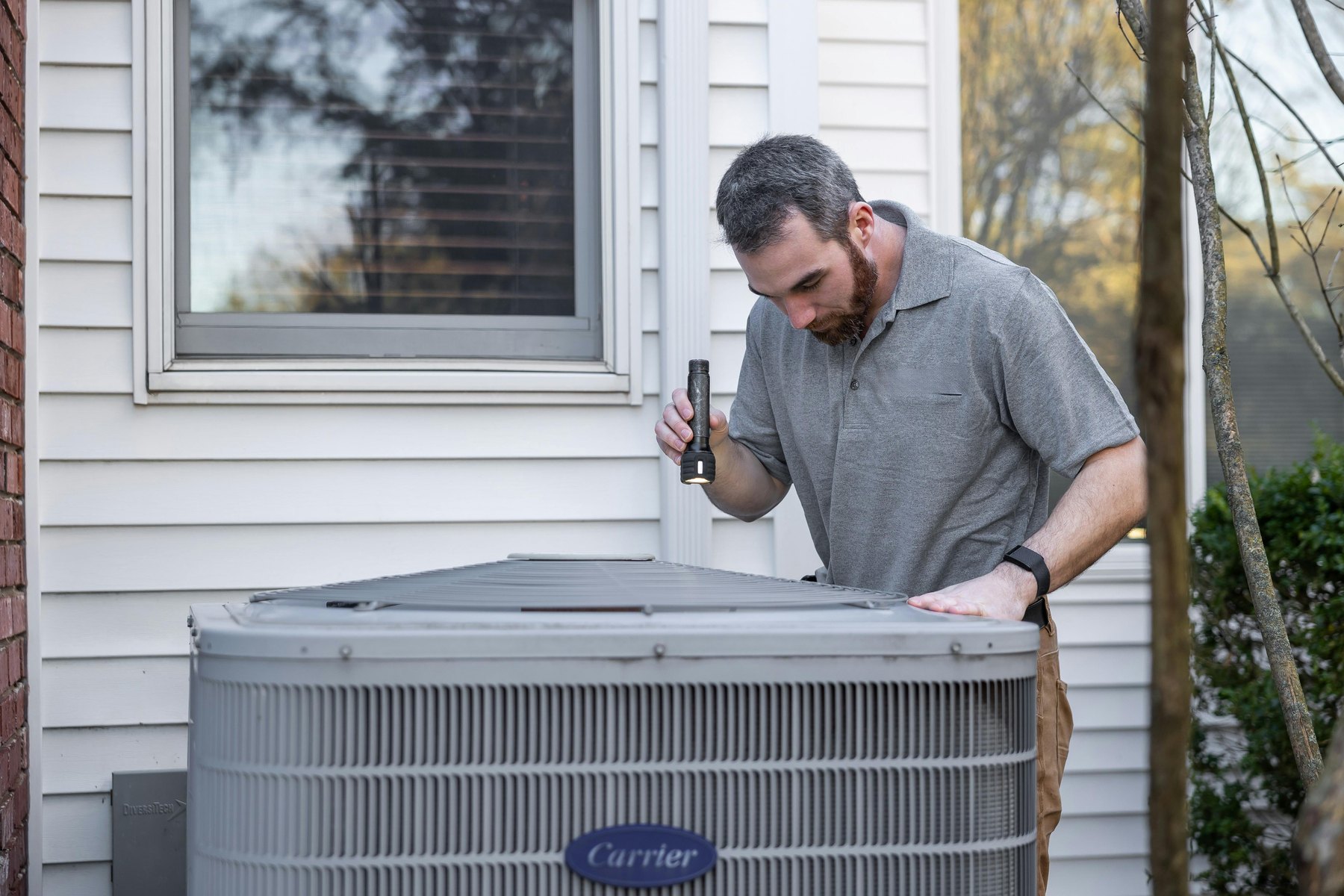
Instead of naming a single “best” provider for everyone, use a consistent scorecard. The same company can be a great fit for one homeowner and a poor fit for another depending on home age, location, and risk points.
1) Coverage fit for your home
Start with what you actually need covered:
- Systems: HVAC, electrical, plumbing, water heater.
- Appliances: refrigerator, oven, dishwasher, washer, dryer.
- Add-ons: pool, spa, well pump, septic, sump pump, roof leak coverage (often limited).
Decision rule: If your HVAC is older or expensive to replace, prioritize plans with higher HVAC caps and clear language about refrigerant, coils, and ductwork.
2) Total cost, not just the monthly premium
Your cost is usually a mix of:
- Premium (monthly or annual)
- Service call fee per claim
- Out-of-pocket costs for non-covered items, upgrades, and over-cap amounts
Example: A plan with a lower premium but a $125 service fee can cost more than a higher-premium plan with a $75 fee if you expect multiple service calls in a year.
3) Coverage caps and sub-limits
Two plans can both say “HVAC covered,” but one may cap at $1,500 while another caps at $5,000. Also look for sub-limits for items like refrigerant, diagnostic fees, or “access” costs (opening walls, ceilings, or floors).
4) Claims process and contractor network
Ask these practical questions:
- How do you file a claim (app, phone, online portal)?
- What is the typical dispatch time in your ZIP code?
- Can you choose your own contractor, and what is the reimbursement process?
- Are emergency service calls handled differently?
5) Contract terms that affect real payouts
Read the sample contract and look for:
- Waiting period before coverage starts
- Maintenance requirements
- Definition of “normal wear and tear”
- Cancellation and renewal terms
Home warranty vs homeowners insurance vs emergency fund
These tools solve different problems:
- Homeowners insurance typically covers sudden damage from covered perils (like fire or certain storms), plus liability. It usually does not cover wear and tear breakdowns.
- Home warranty may help with repair or replacement of covered systems and appliances due to wear and tear, subject to exclusions and caps.
- Emergency fund gives you flexibility for any repair, including non-covered issues, but requires saving ahead.
If you are unsure what your insurance covers, review your policy and consider consumer education resources from the Consumer Financial Protection Bureau (CFPB) on budgeting and financial decisions.
Comparison table: key features to evaluate
| Category | What to look for | Why it matters | Questions to ask |
|---|---|---|---|
| Coverage scope | Systems, appliances, add-ons | Prevents paying for coverage you do not need | Does it cover my HVAC type, water heater size, and major appliances? |
| Service call fee | $75 to $150 is common | Impacts your cost per claim | Is the fee per visit, per trade, or per item? |
| Coverage caps | Per item and annual limits | Determines maximum payout | What is the HVAC cap and are there sub-limits for parts or refrigerant? |
| Exclusions | Pre-existing, improper install, code upgrades | Most claim denials tie back to exclusions | What maintenance records are required? |
| Repair vs replace | Provider discretion and depreciation rules | Affects whether you get a full replacement | When do they replace instead of repair? |
| Contractor network | Local availability and response times | Impacts speed and quality of service | Can I use my own contractor with pre-approval? |
Shortlist checklist: how to pick a plan in 30 to 60 minutes
Use this checklist to narrow to 2 or 3 providers, then read the sample contracts.
- List your high-cost risks: HVAC age, water heater age, plumbing issues, electrical panel concerns.
- Choose plan type: systems-only, appliances-only, or combo.
- Set your budget range: premium plus likely service fees.
- Compare caps: especially HVAC, plumbing, and electrical.
- Scan exclusions: pre-existing, maintenance, code upgrades, access costs.
- Check service fee options: some companies let you choose a higher premium with a lower fee.
- Review cancellation terms: fees, refund rules, and renewal pricing.
Decision matrix: which type of homeowner benefits most?
| Your situation | Warranty may be helpful if | Be cautious if | Better alternative to consider |
|---|---|---|---|
| First-time homeowner | You want predictable service fees and help coordinating repairs | You expect the plan to cover every breakdown without limits | Build a starter emergency fund for repairs |
| Older home (20+ years) | Major systems are aging and you can find high caps with clear terms | Home has known issues or outdated code requirements | Targeted savings plus a pre-purchase inspection plan |
| Newer home with manufacturer warranties | You want coverage after manufacturer warranties expire | Most items are already covered by builder or manufacturer | Keep manufacturer warranty docs organized |
| Rental property owner | You value a dispatch network and faster scheduling | Tenant-caused damage is your main risk (often excluded) | Landlord insurance and a repair reserve |
| High-end appliances and custom systems | You can confirm coverage for your brands and models | Caps are low relative to replacement costs | Self-insure with a larger reserve fund |
Practical examples: estimating your likely annual cost
Example 1: One claim year
You pay $600 per year for a plan and a $100 service fee. You have one covered dishwasher repair.
- Total annual premium: $600
- Service fee: $100
- Out-of-pocket for non-covered parts: $0 to whatever the contract excludes
Estimated total: about $700 plus any excluded costs.
Example 2: Three claims year with higher service fees
You pay $480 per year and a $125 service fee. You file three claims (HVAC, plumbing, refrigerator).
- Total annual premium: $480
- Service fees: 3 x $125 = $375
Estimated total: about $855 plus any over-cap or excluded costs. This is why comparing service fees matters as much as comparing premiums.
Questions to ask before you buy (copy and paste)
- What are the per-item caps for HVAC, plumbing, and electrical?
- Are there sub-limits for refrigerant, coils, or access costs?
- Is the service call fee per visit, per trade, or per item?
- Can I choose my own contractor, and what is the approval process?
- What maintenance records do you require for HVAC and water heater claims?
- Do you cover code upgrades, permits, and disposal of old equipment?
- What is the waiting period and what counts as a pre-existing condition?
- How do cancellations and refunds work?
How to reduce claim problems
Many disputes come from missing documentation or misunderstandings about exclusions. These steps can help you avoid surprises:
- Keep maintenance records for HVAC tune-ups, filter changes, and water heater servicing.
- Take photos of model and serial numbers and the area around the unit.
- Report issues early and describe symptoms clearly.
- Do not authorize major work before the warranty company approves it in writing.
- Ask for the denial reason in writing if a claim is denied, and compare it to the contract language.
If you run into billing or dispute issues with a service contract, the FTC’s consumer guidance can be a helpful starting point for understanding your options.
Home warranty and your finances: budgeting and payment considerations
A home warranty is not a loan, but it can affect your cash flow. Before you commit:
- Decide annual vs monthly: Annual payment may be cheaper, but monthly can be easier on cash flow.
- Plan for service fees: Keep a small “service fee buffer” so you can file a claim without delay.
- Know your cancellation terms: If you sell the home, ask whether the plan is transferable and what fees apply.
When a home warranty may not be worth it
A home warranty may be a poor fit if:
- You have a strong emergency fund and prefer to choose your own contractors every time.
- Your home has known issues that are likely to be considered pre-existing.
- Your key risks have low caps that would leave you paying most of the bill anyway.
- You want coverage for damage events that are typically handled by homeowners insurance instead.
Quick recap: how to choose among the best home warranty companies
- Start with your biggest risks (HVAC, plumbing, electrical) and compare caps and exclusions.
- Estimate total annual cost using premium plus likely service fees.
- Read the sample contract and confirm waiting periods, maintenance requirements, and cancellation rules.
- Check contractor network policies and dispatch times in your area.
- Keep documentation to reduce claim friction.
Finally, remember that terms can change and coverage varies by state. Review the current contract before purchasing and consider local consumer protection resources if you have questions about service contracts.


