

Does Pet Insurance Cover Spay and Neuter?

Does pet insurance cover spay and neuter? Sometimes, but it depends on whether your plan includes wellness benefits, how the insurer defines “preventive care,” and whether your pet meets age and waiting-period rules.
Contents
27 sections
-
How pet insurance usually works (and why that matters for spay and neuter)
-
Does pet insurance cover spay and neuter under standard plans?
-
What "wellness coverage" typically includes (and how spay/neuter is handled)
-
Common reasons spay and neuter claims get denied
-
Quick comparison: recognizable pet insurance options and how to evaluate spay/neuter coverage
-
What spay and neuter costs can look like with real numbers
-
Decision rules: when a wellness add-on might make sense
-
Rule 1: Compare the annual cost of wellness to the maximum benefit you will actually use
-
Rule 2: Check timing and waiting periods
-
Rule 3: Treat spay/neuter as a one-time cost and insurance as ongoing
-
Alternatives to pet insurance for paying for spay and neuter
-
1) Low-cost clinics and community programs
-
2) Veterinary payment plans or in-house financing
-
3) Medical credit cards or buy now, pay later products
-
4) A dedicated "pet sinking fund" savings account
-
A simple checklist before you schedule the procedure
-
How to compare plans if spay and neuter coverage is important to you
-
Budgeting for spay/neuter without derailing other financial priorities
-
Sample allocation A: Save over 6 months (no financing)
-
Sample allocation B: Save over 3 months plus reduce the bill via a low-cost clinic
-
Sample allocation C: Use a wellness add-on and save the remainder
-
Timeline-based decision rules (under 1 year, 1 to 3 years, 3 to 7 years, 7+ years)
-
Questions to ask your insurer and your vet (script you can use)
-
Questions for the insurer
-
Questions for the vet clinic
-
How to avoid financing pitfalls if you need to borrow for the procedure
-
Bottom line
Spaying or neutering can be a meaningful upfront cost, especially if you are also paying for vaccines, microchipping, and pre-surgery bloodwork. The key is understanding how pet insurance is structured so you can predict what you might pay out of pocket and avoid surprises.
How pet insurance usually works (and why that matters for spay and neuter)
Most pet insurance policies are built around accident and illness coverage. That core coverage typically reimburses eligible veterinary bills after you pay them, subject to:
- Deductible – what you pay before reimbursement begins (annual or per incident, depending on the plan).
- Reimbursement rate – the percentage the insurer pays after the deductible (often 70% to 90%, but varies).
- Annual or lifetime limits – caps on how much the plan will pay.
- Waiting periods – time after enrollment before coverage starts.
Spay and neuter is usually categorized as preventive or elective care, not an accident or illness. That is why many standard accident and illness plans do not cover it unless you add a wellness or preventive care package.
Does pet insurance cover spay and neuter under standard plans?
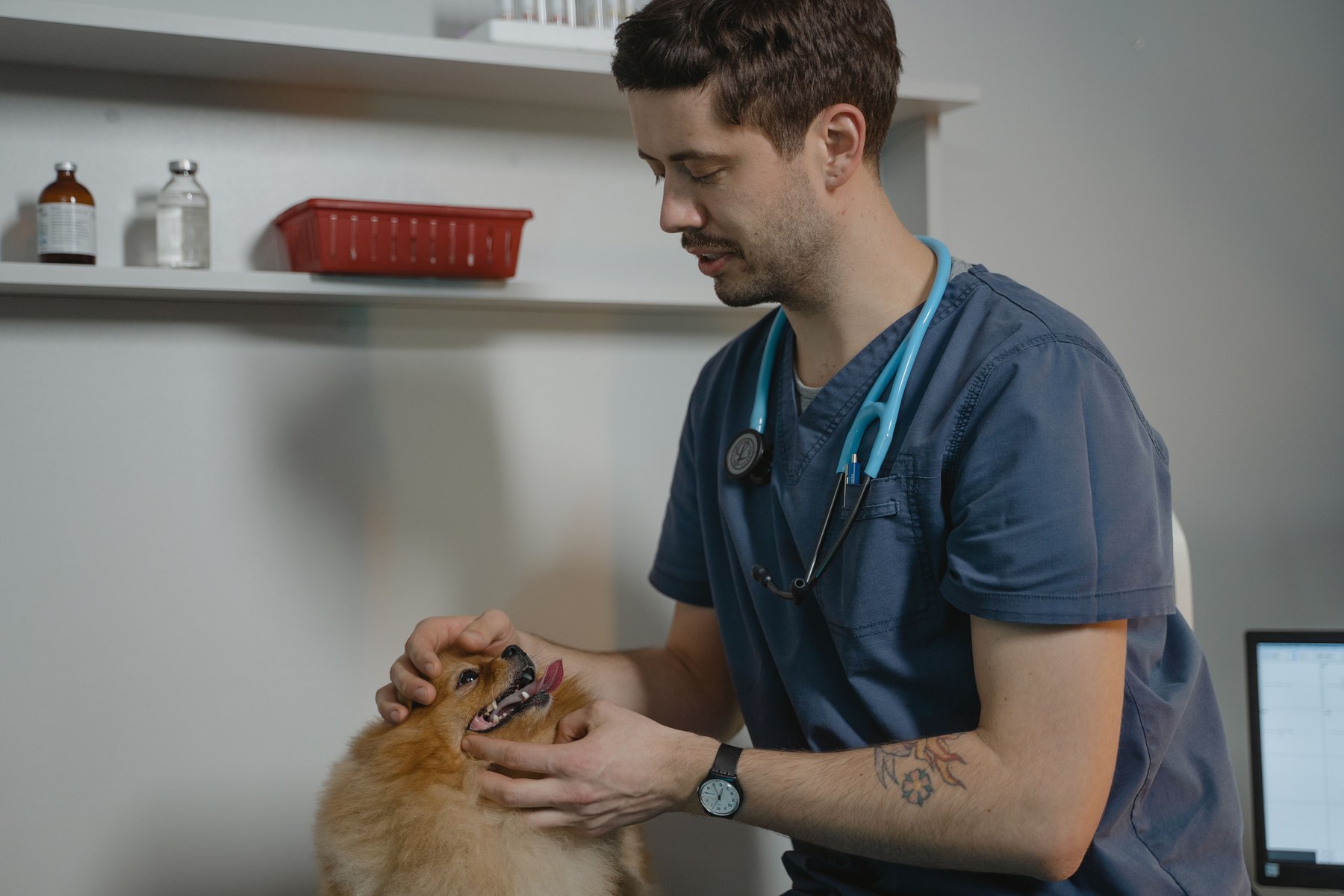
In many cases, standard accident and illness coverage does not pay for spay or neuter because it is considered routine preventive care. However, there are exceptions and edge cases where coverage may apply:
- Wellness add-on: Some insurers offer optional preventive care riders that include a spay or neuter benefit, either as a fixed reimbursement amount or as part of an annual allowance.
- Medical necessity: If a veterinarian recommends a sterilization procedure to treat a covered medical condition, the insurer may cover some related costs. For example, if a pet has a uterine infection (pyometra) and surgery is medically necessary, the claim may be treated as illness-related rather than elective. Coverage depends on the policy language and diagnosis.
- Bundled packages: Some plans package preventive care into tiers that may include spay or neuter, dental cleanings, or vaccines.
Because policy wording varies, the most reliable approach is to look for the exact terms “spay,” “neuter,” “sterilization,” “ovariohysterectomy,” or “castration” in the plan documents and benefit schedule.
What “wellness coverage” typically includes (and how spay/neuter is handled)
Wellness coverage is usually an optional add-on that helps with routine care. It often works differently than accident and illness coverage:
- It may pay a fixed dollar amount for specific services (for example, up to a set amount for spay or neuter).
- It may provide an annual allowance you can use across eligible preventive services.
- It may not be subject to the same deductible and reimbursement rules as accident and illness claims.
Spay and neuter benefits, when included, are often capped. For budgeting, assume you may still pay part of the bill out of pocket even with wellness coverage, especially if your clinic charges more than the benefit limit.
Common reasons spay and neuter claims get denied
Even when a plan offers wellness benefits, claims can be denied for practical reasons. Here are common issues to watch for:
- Waiting period not met: Preventive benefits may have their own waiting period.
- Age limits: Some plans only reimburse spay/neuter for pets within a certain age range.
- Not on the benefit schedule: The plan may cover vaccines and exams but not surgery.
- Missing documentation: Insurers may require an itemized invoice and medical notes.
- Pre-existing conditions confusion: If the claim is submitted as illness-related but the condition existed before enrollment, it may be excluded.
- Non-covered fees: Some plans exclude certain charges like exam fees, pre-op bloodwork, or post-op medications unless explicitly included.
Quick comparison: recognizable pet insurance options and how to evaluate spay/neuter coverage
Pet insurance offerings change over time, so use the table below as a comparison framework and verify current terms directly with each provider.
| Option | Best fit | What to compare | Main drawback |
|---|---|---|---|
| Trupanion | Owners focused on accident and illness protection | Whether preventive care is available, reimbursement structure, exclusions | Preventive benefits may be limited or structured differently than competitors |
| Healthy Paws | People prioritizing straightforward accident and illness coverage | Wellness availability, reimbursement rules, annual limits | May not include routine spay/neuter under base coverage |
| Nationwide Pet Insurance | Shoppers comparing multiple plan types including wellness-style options | Preventive care tiers, spay/neuter benefit caps, eligible services list | Plan details can be complex across tiers |
| ASPCA Pet Health Insurance | Owners who want optional preventive care add-ons | Wellness add-on terms, caps for spay/neuter, waiting periods | Benefit caps may not match local surgery prices |
| Embrace | People who want to customize coverage and add wellness | Wellness allowance amount, what counts toward it, reimbursement timing | Allowance-style wellness may still leave meaningful out-of-pocket costs |
| Pets Best | Budget-focused shoppers comparing accident/illness plus wellness | Preventive care plan details, spay/neuter reimbursement cap, exclusions | Cheaper premiums can come with tradeoffs in caps or cost-sharing |
What spay and neuter costs can look like with real numbers
Prices vary by location, clinic type, pet size, and whether complications occur. A practical way to plan is to break the bill into common components:
- Office visit or surgical consult
- Pre-op bloodwork
- Anesthesia and monitoring
- Surgery fee
- Pain meds and antibiotics (if prescribed)
- E-collar and follow-up visit (sometimes)
Here are three example budgets to show how coverage and out-of-pocket costs might work. These are illustrations, not quotes.
| Scenario | Example total vet bill | Insurance setup | Example reimbursement | Example out-of-pocket |
|---|---|---|---|---|
| 1) No wellness coverage | $450 | Accident and illness only | $0 (preventive not covered) | $450 |
| 2) Wellness benefit with a cap | $650 | Wellness add-on includes up to $150 for spay/neuter | $150 | $500 |
| 3) Medically necessary surgery tied to illness | $1,800 | Illness claim after deductible, 80% reimbursement | Varies by deductible and eligibility (example: $1,040) | Varies (example: $760) |
In Scenario 3, the key variable is whether the insurer treats the procedure as treatment for a covered illness and whether any part is excluded. Always ask your vet for diagnostic notes and an itemized estimate, then confirm with the insurer how they would code the claim.
Decision rules: when a wellness add-on might make sense
Wellness coverage can be helpful, but it is not automatically a better deal. Use these decision rules to evaluate it like any other financial product:
Rule 1: Compare the annual cost of wellness to the maximum benefit you will actually use
If a wellness add-on costs $240 per year and the spay/neuter benefit is capped at $150, you would need to use other covered preventive services (vaccines, exams, etc.) to potentially come out ahead. If you rarely use paid preventive services, a wellness add-on may not pencil out.
Rule 2: Check timing and waiting periods
If you plan to spay or neuter soon, confirm the waiting period for wellness benefits. A plan that starts coverage after 30 days may not help if the surgery is scheduled next week.
Rule 3: Treat spay/neuter as a one-time cost and insurance as ongoing
Spay/neuter is typically a one-time procedure. Insurance premiums are ongoing. If you are buying insurance mainly to offset a one-time surgery, compare that strategy to alternatives like saving monthly for the procedure.
Alternatives to pet insurance for paying for spay and neuter
If your policy does not cover spay/neuter, you still have options that may reduce the cost or spread it out.
1) Low-cost clinics and community programs
Many areas have spay/neuter clinics, humane societies, or municipal programs that offer reduced pricing based on funding and capacity. Ask your local shelter or veterinarian for referrals and confirm what is included in the quoted price.
2) Veterinary payment plans or in-house financing
Some clinics offer payment plans. Ask about the total cost, due dates, late fees, and what happens if you miss a payment. Get the terms in writing.
3) Medical credit cards or buy now, pay later products
Some financing products offer promotional periods, but deferred interest or high APRs can apply if the balance is not paid in time. Compare the promotional terms, the standard APR after the promo, and any fees.
4) A dedicated “pet sinking fund” savings account
For predictable pet costs, a separate savings bucket can reduce reliance on credit. Consider keeping it in an FDIC-insured bank account and automate a monthly transfer. You can learn more about deposit insurance basics at the FDIC.
A simple checklist before you schedule the procedure
Use this checklist to reduce the chance of unexpected costs and claim issues:
| Step | What to do | Why it matters |
|---|---|---|
| Confirm what your plan covers | Search your policy documents for “spay/neuter” and review the benefit schedule | Avoid assuming preventive surgery is included |
| Ask about waiting periods | Verify the start date for wellness benefits and any age restrictions | Coverage may not apply if you schedule too soon |
| Get an itemized estimate | Request a line-by-line quote including bloodwork, meds, and follow-ups | Helps you compare clinics and spot add-on costs |
| Clarify what is optional | Ask which services are recommended vs required | Lets you prioritize spending while staying safe |
| Keep paperwork | Save invoices, medical notes, and proof of payment | Insurers often require documentation for reimbursement |
How to compare plans if spay and neuter coverage is important to you
If you are shopping for pet insurance and want help with spay/neuter costs, compare plans using a consistent set of questions:
- Is spay/neuter covered at all? If yes, is it only through a wellness add-on?
- Is the benefit a fixed cap or an annual allowance? Fixed caps can be easier to predict.
- What is excluded? Ask specifically about exam fees, bloodwork, anesthesia, and medications.
- What are the waiting periods? Confirm for both accident/illness and wellness.
- How do claims work? Reimbursement timing matters if you need cash flow for the upfront bill.
- What is the total yearly cost? Add premiums plus expected out-of-pocket costs.
Budgeting for spay/neuter without derailing other financial priorities
If you are deciding whether to pay cash, use insurance, or finance the procedure, it helps to map the cost into your monthly budget. Here are three sample allocations that add up cleanly and show different approaches.
Sample allocation A: Save over 6 months (no financing)
- Monthly transfer to pet fund: $75
- Time: 6 months
- Total saved: $450
Sample allocation B: Save over 3 months plus reduce the bill via a low-cost clinic
- Monthly transfer to pet fund: $60
- Time: 3 months
- Total saved: $180
- Expected clinic cost after discounts: $180
- Total planned cost: $360
Sample allocation C: Use a wellness add-on and save the remainder
- Annual wellness add-on cost: $240
- Expected spay/neuter benefit cap: $150
- Estimated surgery bill: $600
- Planned out-of-pocket after benefit: $450
- Monthly transfer to pet fund for out-of-pocket: $90 for 5 months = $450
In Sample C, you are paying both the wellness cost and the remaining surgery cost. That can still be worthwhile if you also use other preventive benefits you would pay for anyway, but it is important to do the math using your own expected services.
Timeline-based decision rules (under 1 year, 1 to 3 years, 3 to 7 years, 7+ years)
Spay/neuter is usually a near-term decision, but the insurance choice can be long-term. Use these timeline rules to guide your approach:
- Under 1 year: Focus on cash flow. If surgery is soon, confirm waiting periods and benefit caps. If coverage will not start in time, prioritize saving, a low-cost clinic, or a clear repayment plan.
- 1 to 3 years: Consider whether a wellness add-on aligns with your routine care spending. If you expect annual vaccines, exams, and preventives, a wellness allowance may be easier to use fully.
- 3 to 7 years: Evaluate the accident and illness plan on its own merits: deductible, reimbursement rate, exclusions, and premium increases over time. Preventive care is predictable; major illness costs are less predictable.
- 7+ years: Plan for higher veterinary utilization as pets age. Compare how insurers handle chronic conditions, ongoing medications, and coverage limits. Spay/neuter will be long behind you, so prioritize the policy’s long-term value.
Questions to ask your insurer and your vet (script you can use)
Questions for the insurer
- Does my plan cover spay/neuter? If yes, is it through wellness coverage?
- What is the maximum reimbursement for spay/neuter, and what billing codes qualify?
- Are pre-op bloodwork, anesthesia, and post-op medications included or excluded?
- What is the waiting period for wellness benefits?
- What documents do you need for a preventive care claim?
Questions for the vet clinic
- Can you provide an itemized estimate including optional services?
- What is included in the base price (bloodwork, pain meds, e-collar, follow-up)?
- Do you offer any discounts, packages, or community program pricing?
- What payment methods do you accept and do you offer payment plans?
How to avoid financing pitfalls if you need to borrow for the procedure
If you cannot pay the full amount upfront and you are considering a credit card or financing, focus on the total cost of borrowing:
- APR and promotional terms: If there is a promo period, confirm what happens after it ends and whether interest is deferred.
- Fees: Look for late fees, origination fees, and penalties.
- Repayment plan: Choose a monthly payment you can maintain even if another vet bill pops up.
For general guidance on comparing credit products and understanding costs, the Consumer Financial Protection Bureau has consumer resources on credit and borrowing.
Bottom line
Pet insurance may cover spay and neuter if you have a wellness or preventive care add-on, or if the procedure is tied to a covered medical condition and your policy treats it as medically necessary. The most practical next step is to compare your plan’s benefit schedule to an itemized clinic estimate, then decide whether to pay cash, use a low-cost clinic, add wellness coverage, or use carefully chosen financing.
If you are also trying to strengthen your overall financial footing while managing pet costs, it can help to review your credit reports for accuracy before applying for any new credit. You can get free weekly reports at AnnualCreditReport.com, the federally authorized source.
For tips on avoiding common billing and payment scams when paying for services, you can also review consumer guidance from the Federal Trade Commission.


