

Why Feeling Financially Secure Isn’t About Income

Financial security often has less to do with how much you earn and more to do with how predictable your money feels, how resilient your plan is, and how many good options you have when life changes.
Contents
28 sections
-
What "secure" really means in day to day life
-
Why higher income doesn't always create peace of mind
-
Common "high income, low security" patterns
-
Financial security starts with cash flow, not salary
-
Step 1: Separate needs, commitments, and wants
-
Step 2: Track your "fixed payment load"
-
Financial security: the three buffers that matter most
-
1) A small "shock absorber" fund
-
2) An emergency fund measured in months
-
3) A "flexibility buffer" in your budget
-
Debt and financial security: focus on the riskiest balances first
-
Priority order for many borrowers
-
Decision rules by timeline: where money should live
-
What this looks like with real numbers
-
Scenario A: $3,000 per month take home, essentials are $2,200
-
Scenario B: $6,500 per month take home, essentials are $4,500, variable income
-
Scenario C: $4,200 per month take home, essentials are $3,700, high fixed payments
-
Checklist: signs you are becoming more financially secure
-
Borrowing choices that can increase or reduce security
-
Comparison table: common borrowing options and what to compare
-
Practical ways to feel more secure without earning more
-
Lower the "must pay" number
-
Build sinking funds for predictable surprises
-
Automate the basics
-
Know your credit and protect it
-
Decision matrix: choose your next best move
-
Protecting yourself from scams and costly mistakes
-
Putting it together: a simple weekly routine
Two people can earn the same salary and feel completely different levels of stability. One might be calm with a modest income because their bills are low, savings are automatic, and debt is manageable. Another might feel stressed on a higher income because spending is high, payments are fixed, and there is no buffer.
What “secure” really means in day to day life
Feeling secure is usually about reducing financial surprises and increasing flexibility. In practice, that looks like:
- Cash flow that works: your essentials are covered without constant juggling.
- A buffer for shocks: you can handle a car repair or medical bill without spiraling into high cost debt.
- Manageable fixed payments: rent or mortgage, car, and minimum debt payments do not consume most of your take home pay.
- Options: you can say no to a bad job situation, move, or take time to find work because you have runway.
Income helps, but it is only one input. Security is the system you build around income.
Why higher income doesn’t always create peace of mind
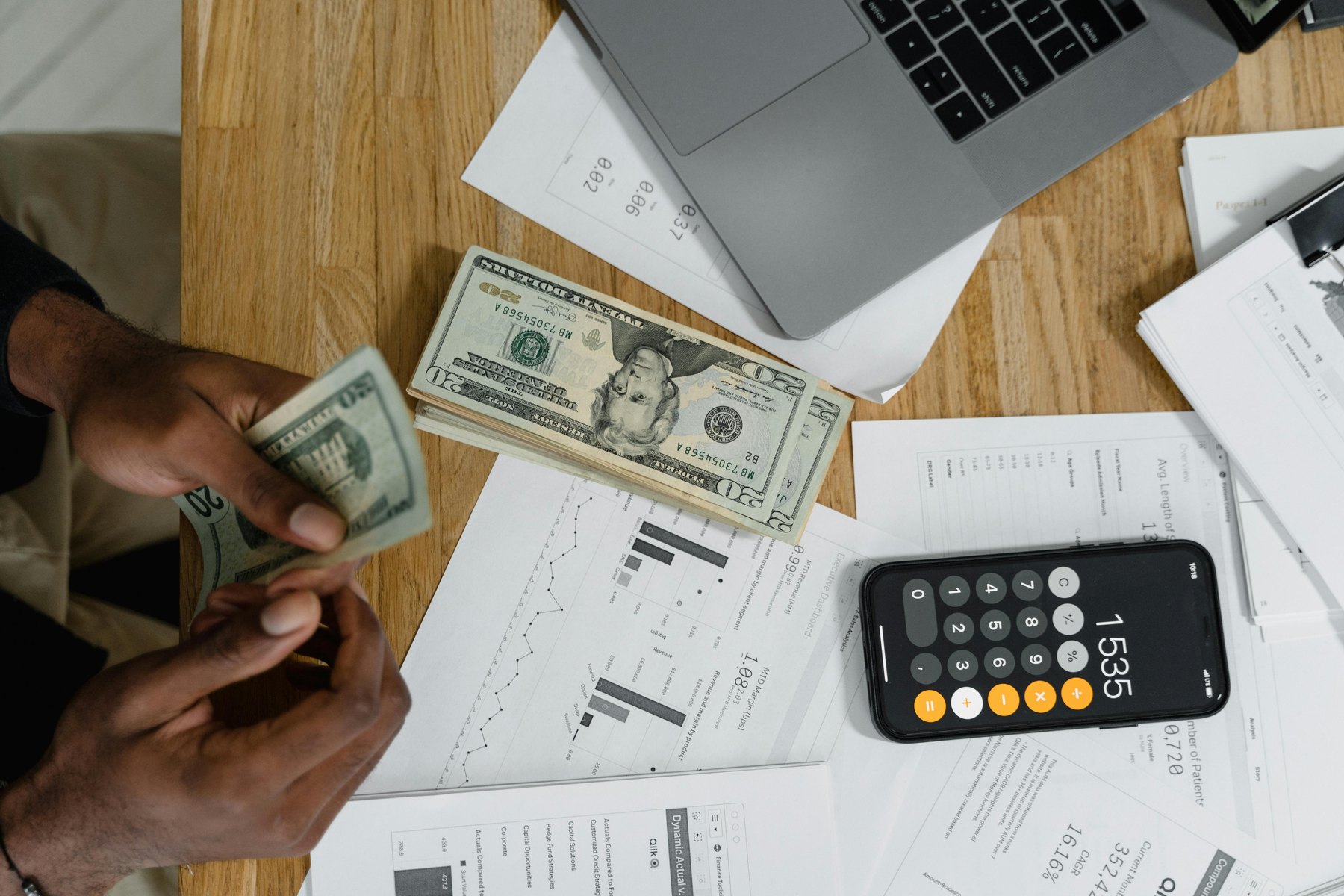
Higher pay can raise your standard of living, but it can also raise your obligations. The biggest reason people feel insecure at higher incomes is that their fixed costs rise faster than their flexibility.
Common “high income, low security” patterns
- Lifestyle creep in fixed bills: upgrading housing, cars, and subscriptions locks in monthly commitments.
- Debt used to maintain the lifestyle: credit cards or buy now pay later fill gaps when cash flow is tight.
- Irregular income: commissions, self employment, or seasonal work can feel unstable without a larger cash buffer.
- Underinsured risks: one accident or illness can cause large out of pocket costs.
A useful rule: if your “must pay” bills are high, you need a bigger buffer to feel secure.
Financial security starts with cash flow, not salary
Cash flow is the gap between what comes in and what must go out. You can improve it without changing your income by focusing on the parts you control.
Step 1: Separate needs, commitments, and wants
Try this quick breakdown for one month:
- Needs: groceries, basic utilities, transportation to work, minimum debt payments.
- Commitments: rent or mortgage, car payment, insurance, childcare, subscriptions you will not cancel.
- Wants: dining out, upgrades, travel, shopping, streaming you can pause.
Security improves fastest when you reduce commitments, because commitments are hard to cut during a crisis.
Step 2: Track your “fixed payment load”
Add up your monthly minimums for housing, car, student loans, credit cards, and other installment debts. Then compare that total to your take home pay.
If the number feels tight, you may have a security problem even with a good income. Consider decision rules like:
- If fixed payments are crowding out savings, prioritize lowering interest costs and extending runway.
- If you rely on credit cards for basics, focus on stabilizing cash flow before investing aggressively.
Financial security: the three buffers that matter most
Most people feel secure when they have three layers of protection. You can build them in order.
1) A small “shock absorber” fund
This is the money that keeps minor problems from becoming expensive debt. Many households start with a target like $500 to $2,000, depending on typical emergencies and income stability.
2) An emergency fund measured in months
A common range is 3 to 12 months of essential expenses. The right number depends on job stability, health, and how many people rely on your income.
- More stable job, dual income household: often closer to 3 to 6 months.
- Single income, variable pay, self employed, or higher medical risk: often closer to 6 to 12 months.
For cash you may need soon, many people use an FDIC insured bank account. You can learn how deposit insurance works at the FDIC.
3) A “flexibility buffer” in your budget
This is not a separate account. It is the ability to cut spending quickly if income drops. Examples include keeping your car payment low, avoiding long contracts, and limiting subscriptions.
Debt and financial security: focus on the riskiest balances first
Debt is not automatically bad, but it can shrink your options. The most security damaging debts are usually those with high interest rates and variable costs.
Priority order for many borrowers
- Past due accounts: bring accounts current when possible to reduce fees and credit damage.
- High APR credit cards: these can grow quickly and strain cash flow.
- High payment loans: even at moderate rates, a large monthly payment can be risky.
- Lower rate installment debt: often less urgent if payments are affordable.
If you are considering a new loan or refinance to manage debt, compare APR, fees, repayment term, and whether the payment is fixed. A lower payment can help cash flow, but a longer term can increase total interest paid.
Decision rules by timeline: where money should live
Security improves when your money matches your timeline. The shorter the timeline, the more you generally want stability and liquidity.
- Under 1 year: prioritize cash and predictable value. Think emergency fund, upcoming bills, near term goals.
- 1 to 3 years: still prioritize stability. Consider keeping most in cash like accounts and only take limited risk if you can delay the goal.
- 3 to 7 years: you may be able to take moderate risk for long term goals, but keep near term needs in cash.
- 7+ years: long timelines can typically handle more volatility, as long as you can stay invested through downturns.
Security is not about maximizing returns. It is about avoiding forced decisions, like selling investments at a bad time or using high cost debt because cash is short.
What this looks like with real numbers
Below are three sample allocations. These are not one size fits all. They show how different households can build security without needing a higher income.
Scenario A: $3,000 per month take home, essentials are $2,200
Monthly surplus: $800
- $300 to build a $1,000 shock absorber fund (then redirect this amount)
- $250 extra toward highest APR credit card
- $150 to emergency fund
- $100 to sinking funds (car repairs, annual insurance, gifts)
Total: $800
Scenario B: $6,500 per month take home, essentials are $4,500, variable income
Monthly surplus: $2,000
- $800 to emergency fund until you reach 6 to 12 months of essentials
- $500 to taxes and irregular expenses sinking fund
- $400 to retirement or long term investing
- $300 to extra principal on a high payment loan (or to reduce credit card balances)
Total: $2,000
Scenario C: $4,200 per month take home, essentials are $3,700, high fixed payments
Monthly surplus: $500
- $200 to bring accounts current and avoid late fees
- $150 to a starter emergency fund
- $100 to a “payment relief” fund (one month of minimums over time)
- $50 to sinking funds
Total: $500
In Scenario C, the path to security is often about reducing fixed payments over time: downsizing a car, refinancing if it lowers APR and fits your timeline, or negotiating recurring bills.
Checklist: signs you are becoming more financially secure
| Area | Early stage | More secure | Most secure |
|---|---|---|---|
| Cash buffer | $500 to $1,000 set aside | 3 to 6 months essentials | 6 to 12 months essentials |
| Debt stress | Using credit for basics | Cards paid down monthly | Low utilization, manageable payments |
| Bill timing | Frequent overdrafts or late fees | Autopay for essentials | One month ahead on bills |
| Flexibility | Hard to cut spending | Some discretionary cuts available | Low fixed costs, multiple options |
Borrowing choices that can increase or reduce security
Loans can help when they fund something that improves stability, like reliable transportation to keep a job, or consolidating high APR debt into a lower cost structure. They can also reduce security when they add large fixed payments or fees.
Comparison table: common borrowing options and what to compare
| Option | Best fit | What to compare | Main drawback |
|---|---|---|---|
| Credit card (issuer examples: Chase, Capital One, Citi) | Short term spending you can pay off quickly | APR, penalty APR, fees, grace period | High APR if you carry a balance |
| Personal loan (platform examples: SoFi, LendingClub) | Fixed payment payoff plan for debt or large expense | APR, origination fee, term length, total cost | Fees and longer terms can raise total interest |
| Credit union loan (examples: Navy Federal, local credit unions) | Borrowers who want relationship based underwriting | APR, membership rules, fees, payment flexibility | May require membership and may have slower processing |
| Home equity loan or HELOC (examples: Bank of America, Wells Fargo) | Homeowners with equity and stable repayment plan | Variable vs fixed rate, closing costs, draw rules | Your home is collateral, missed payments can be severe |
| 401(k) loan (employer plan feature) | Some workers needing short term liquidity with a clear payoff plan | Repayment rules, job change risk, opportunity cost | If you leave your job, repayment can accelerate |
Before borrowing, write down what problem the loan solves and what happens if income drops. If the loan adds a payment you cannot reduce, it can lower security even if the rate looks reasonable.
Practical ways to feel more secure without earning more
Lower the “must pay” number
- Renegotiate insurance and shop rates annually.
- Audit subscriptions and recurring charges.
- Consider housing and transportation as the biggest levers.
Build sinking funds for predictable surprises
Sinking funds turn irregular bills into monthly line items. Examples: car maintenance, annual premiums, school costs, holiday spending. Even $25 to $100 per category can reduce reliance on credit cards.
Automate the basics
- Autopay minimums to avoid late fees.
- Automatic transfers to savings right after payday.
- Separate accounts for bills and spending if you tend to overspend.
Know your credit and protect it
Credit matters because it can affect borrowing costs, insurance pricing in some states, and rental applications. You can check your credit reports for free at AnnualCreditReport.com. If you see errors, the CFPB has guidance on disputing and managing credit issues.
Decision matrix: choose your next best move
| If you are here | Primary goal | Next best move | What to avoid |
|---|---|---|---|
| No savings and using credit for basics | Stabilize cash flow | Starter buffer, cut commitments, seek bill assistance if eligible | New long term payments that reduce flexibility |
| Some savings but high credit card balances | Lower interest and monthly strain | Pay down highest APR, consider consolidation only if total cost is lower | Stopping payments without a plan, racking up new balances |
| Emergency fund started, payments manageable | Increase resilience | Grow emergency fund to 3 to 6 months, insure major risks | Investing money needed within 1 year |
| Strong buffer and low high interest debt | Build long term security | Increase retirement contributions, diversify goals by timeline | Overconcentrating in one asset or taking on unnecessary leverage |
Protecting yourself from scams and costly mistakes
When people feel financially insecure, they are more likely to accept high pressure offers. A few practical guardrails:
- Be cautious of anyone promising guaranteed approval or instant debt elimination.
- Verify the total cost of any loan: APR, fees, and the full repayment amount.
- Do not share sensitive information unless you initiated contact and verified the company.
The FTC consumer advice site is a helpful place to learn common scam patterns and how to report them.
Putting it together: a simple weekly routine
- 10 minutes: check account balances and upcoming bills.
- 10 minutes: review spending categories and move money to sinking funds.
- 10 minutes: make one improvement, such as calling a provider, canceling a subscription, or paying extra toward the highest APR balance.
Over time, these small actions reduce surprises, lower fixed obligations, and build buffers. That is what financial security feels like, even before your income changes.


