

Homeowners Never Move Survey: What It Means for Your Mortgage and Next Move

The homeowners never move survey trend reflects a simple reality: many homeowners are staying put longer than they expected, even when life changes. If you feel “stuck” in your current home, you are not alone. Higher mortgage rates, low housing inventory, and rising moving costs can make relocating feel financially risky. At the same time, staying can create its own costs, like outgrowing your space or delaying needed repairs.
Contents
27 sections
-
What "never move" really means and why it is happening
-
Homeowners never move survey: how to use it in your own decision
-
Decision rules by timeline
-
The real costs of moving vs staying
-
Moving cost checklist
-
Staying cost checklist
-
Options if you want to stay: mortgage and home equity tools
-
1) Rate-and-term refinance
-
2) Mortgage recast (if your loan allows it)
-
3) Home equity loan
-
4) HELOC (home equity line of credit)
-
5) Cash-out refinance
-
Comparison table: common ways to fund improvements (named examples)
-
What this looks like with real numbers: 3 sample plans
-
Scenario 1: Staying and renovating with a defined budget
-
Scenario 2: Staying but lowering risk with a larger cash buffer
-
Scenario 3: Moving with a "payment guardrail"
-
Stay, rent it out, or sell: a simple decision matrix
-
Documents and numbers to gather before you choose
-
How to compare loan offers without getting overwhelmed
-
Common pitfalls that keep homeowners "stuck"
-
Focusing only on the interest rate
-
Underestimating variable-rate risk
-
Draining emergency savings for a renovation
-
Skipping identity and credit hygiene
-
Next-step checklist: decide, then act
-
Where to learn more about mortgages and home equity
This guide breaks down what “never move” signals about today’s housing market and how to make a practical decision. You will get decision rules, checklists, and real-number examples for common paths: staying and renovating, refinancing or recasting, taking a home equity loan or HELOC, renting out your home, or selling and buying again.
What “never move” really means and why it is happening
When surveys show homeowners expect to stay for a very long time, it usually points to a mix of financial and lifestyle forces. The biggest drivers often include:
- Rate lock-in: Many owners have mortgages with rates far below today’s market. Selling means giving up that payment and taking on a higher one.
- Low inventory: Fewer homes for sale can mean fewer good options, more competition, and higher prices.
- High transaction costs: Moving is expensive. Realtor commissions, closing costs, repairs, staging, and moving services add up quickly.
- Remote and hybrid work: Some households no longer need to relocate for a job, reducing the pressure to move.
- Family and community ties: Schools, caregiving, and neighborhood support can outweigh the benefits of a new home.
“Never move” does not have to mean forever. It often means “not until the numbers make sense” or “not until life forces the issue.” Your goal is to compare the cost of staying versus moving using the same yardstick: monthly cash flow, one-time costs, and risk.
Homeowners never move survey: how to use it in your own decision
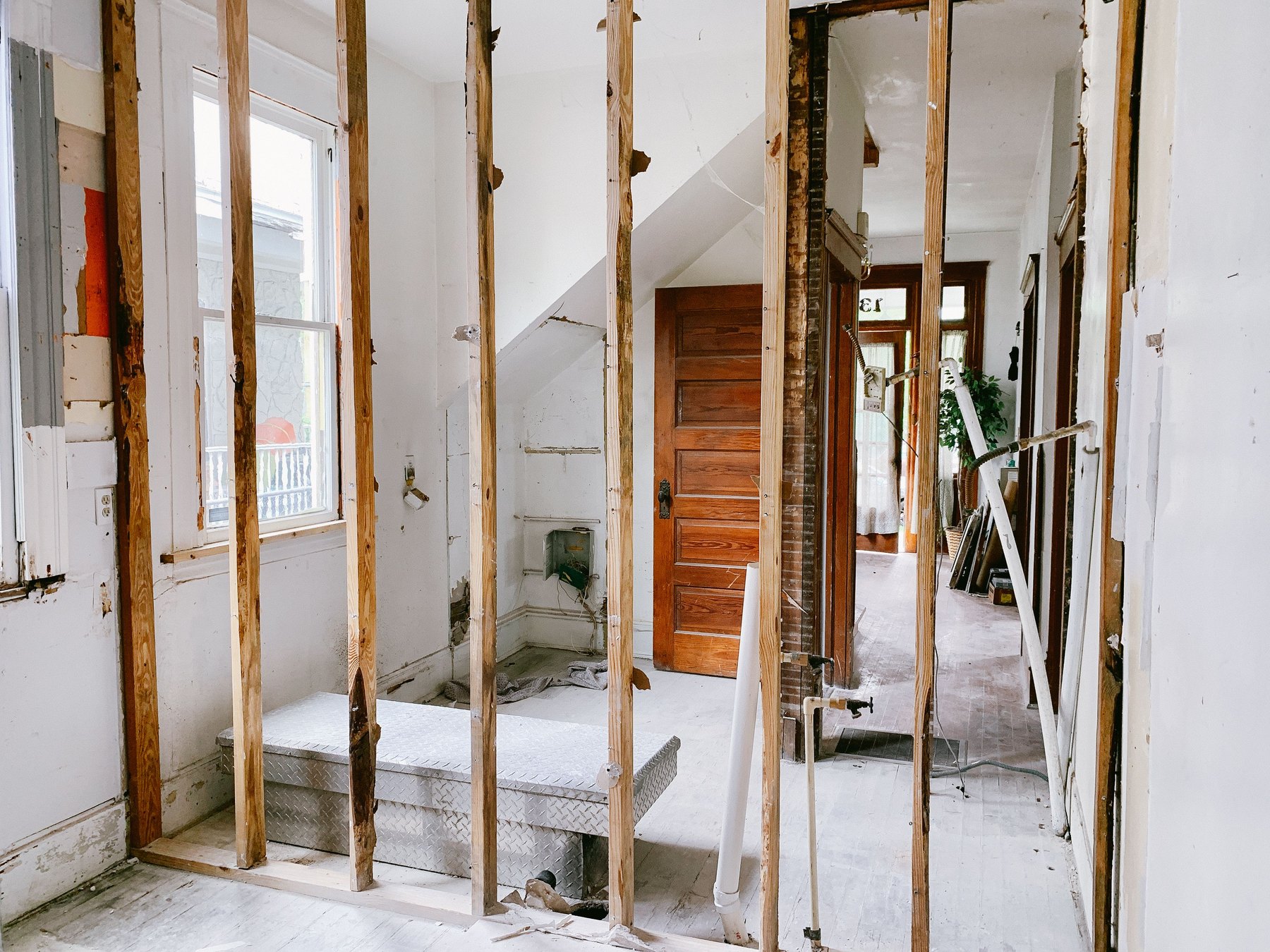
Instead of treating survey results as a prediction, use them as a prompt to run your own scenario analysis. Start with three questions:
- What problem are you trying to solve? Space, commute, safety, schools, accessibility, repairs, or monthly payment stress.
- Is the problem fixable by changing the home, the loan, or your budget? Renovation, addition, refinancing, recast, or debt payoff might solve it without moving.
- What is your time horizon? Under 1 year, 1 to 3 years, 3 to 7 years, or 7+ years changes which option is usually safest and most cost-effective.
Decision rules by timeline
- Under 1 year: Avoid large, hard-to-recover costs. Focus on repairs, small upgrades, and cash reserves. Be cautious about taking on long-term debt for a short stay.
- 1 to 3 years: Prioritize changes that improve livability and resale value without overbuilding for the neighborhood. Consider shorter payback projects and flexible financing.
- 3 to 7 years: This is often the sweet spot for larger renovations or a move, because you have time to spread one-time costs over more years.
- 7+ years: Long-term upgrades and fixed-rate financing can be easier to justify. Also consider accessibility improvements if you plan to age in place.
The real costs of moving vs staying
Many households underestimate the “all-in” cost of moving. Even if your new home is similar in price, your monthly payment can change due to interest rates, taxes, and insurance. And the one-time costs can be significant.
Moving cost checklist
| Cost category | Examples | How to estimate | Common surprise |
|---|---|---|---|
| Sale costs | Agent commission, seller concessions | Ask for a net sheet from a local agent | Concessions after inspection |
| Purchase closing costs | Loan fees, title, escrow, prepaid taxes | Request a Loan Estimate early | Prepaids can be large |
| Moving and setup | Movers, storage, deposits, furniture | Get 2 to 3 quotes | Overlap rent or mortgage |
| New monthly costs | Higher rate, taxes, insurance, HOA | Run a full PITI estimate | Insurance and HOA jumps |
Staying cost checklist
| Cost category | Examples | How to control it | Main risk |
|---|---|---|---|
| Maintenance | Roof, HVAC, plumbing | Annual home maintenance budget | Deferred repairs compound |
| Renovation | Kitchen, bath, addition | Fixed-bid contract, contingency fund | Cost overruns |
| Financing cost | HELOC interest, loan fees | Compare APR, draw terms, caps | Variable rates can rise |
| Opportunity cost | Staying in a poor-fit home | Define “must-have” needs | Quality-of-life tradeoffs |
Options if you want to stay: mortgage and home equity tools
If you are staying because moving is too expensive, your next best step may be improving cash flow or funding upgrades. Here are common tools and what to compare.
1) Rate-and-term refinance
Refinancing replaces your current mortgage with a new one. It can lower your rate or change the term, but it can also raise the rate if today’s rates are higher. Compare:
- APR (not just the interest rate)
- Closing costs and break-even timeline
- Term length and total interest over time
- Whether you are paying points
If you already have a low rate, refinancing may not improve cash flow unless you extend the term or remove mortgage insurance, if applicable.
2) Mortgage recast (if your loan allows it)
A recast recalculates your monthly payment after you make a large principal payment, keeping the same interest rate and term. This can be useful after a bonus, inheritance, or home sale proceeds from another property. Compare:
- Minimum principal payment required
- Recast fee
- Whether your loan type is eligible
3) Home equity loan
A home equity loan is usually a lump sum with a fixed rate and fixed payment. It can work for a defined project with a clear budget. Compare:
- APR and total fees
- Loan term and monthly payment
- Whether there is a prepayment penalty
4) HELOC (home equity line of credit)
A HELOC is a revolving line, often with a variable rate. It can fit projects with uncertain timing or phased spending. Compare:
- Intro rate vs ongoing variable rate
- Draw period and repayment period
- Rate caps and margin
- Annual fees or early closure fees
5) Cash-out refinance
A cash-out refinance replaces your mortgage and increases the balance so you can take cash out. It can be expensive if it forces you from a low rate into a higher one. Compare the new APR, total closing costs, and the payment difference.
Comparison table: common ways to fund improvements (named examples)
Below are recognizable places consumers often compare for home equity products. Availability, underwriting, and fees vary by state and borrower profile, so use these as starting points and compare offers side by side.
| Option | Best fit | What to compare | Main drawback |
|---|---|---|---|
| Bank of America – HELOC or home equity loan | Borrowers who want a large bank with branch access | APR, closing costs, line features, discounts | May have stricter eligibility in some cases |
| Wells Fargo – home equity products (where available) | Existing customers who prefer a traditional lender | Fees, rate structure, required relationship accounts | Product availability can change by market |
| Chase – home lending options | Borrowers who want to compare mortgage and equity options together | APR, closing timeline, servicing experience | Not always the lowest-cost offer |
| U.S. Bank – HELOC/home equity loan | Borrowers who want a mix of digital and in-person support | Rate caps, draw period, repayment terms | Terms vary by state and credit profile |
| PNC – home equity lending | Borrowers in PNC footprint who want local support | APR, fees, term options, autopay discounts | Geographic availability limits some borrowers |
| Rocket Mortgage – refinance options | Borrowers who prefer an online-first refinance process | APR, lender fees, points, closing speed | Costs can vary widely by scenario |
What this looks like with real numbers: 3 sample plans
Below are simplified examples to show how “stay vs move” decisions can play out. These are not quotes. Taxes, insurance, HOA, and rates vary, so use them as templates for your own math.
Scenario 1: Staying and renovating with a defined budget
Household: Owns a home with a low-rate mortgage. Needs one more bedroom and a better layout. Considering a $60,000 renovation.
Funding plan (adds up to $60,000):
- $20,000 from savings (keeps an emergency fund intact)
- $30,000 home equity loan (fixed payment)
- $10,000 paid over 12 months from monthly cash flow
Decision rule: If you plan to stay 7+ years, a renovation that improves daily function can be worth more than chasing a different home, as long as the payment fits your budget and you avoid over-improving for your neighborhood.
Scenario 2: Staying but lowering risk with a larger cash buffer
Household: Feels stuck due to higher rates. Wants flexibility in case of job changes. Has $45,000 in cash and $3,500 monthly essential expenses.
Sample allocation (adds up to $45,000):
- $24,500 in an emergency fund (about 7 months of essentials)
- $15,000 reserved for near-term repairs (roof, HVAC, plumbing)
- $5,500 for moving optionality (inspection, deposits, short-term storage)
Decision rule: If you are within 1 to 3 years of a possible move, prioritize liquidity. Avoid locking too much cash into upgrades that you may not enjoy long enough to justify.
Scenario 3: Moving with a “payment guardrail”
Household: Needs to relocate for caregiving. Current mortgage payment is $1,800 (principal and interest). They can afford up to $2,400 for principal and interest without cutting retirement contributions.
Sample moving budget (adds up to $30,000):
- $12,000 for sale prep and repairs
- $10,000 for closing costs and prepaids on the purchase
- $8,000 for movers, storage, and utility setup
Decision rule: Set a maximum monthly payment before you shop. If the move requires exceeding that guardrail, consider alternatives like a smaller home, a different neighborhood, renting for 12 months, or delaying the purchase until your finances are stronger.
Stay, rent it out, or sell: a simple decision matrix
If you are tempted to keep your current home and buy another, or rent out your current home, run a basic screen first.
| If this is true… | Staying is often stronger when… | Renting it out may fit when… | Selling may fit when… |
|---|---|---|---|
| Your mortgage rate is far below today’s rates | You like the location and can fix the home’s issues | The rent can realistically cover most costs and reserves | You need the equity for the next down payment |
| You may move again soon | You can wait out uncertainty | You have landlord tolerance and a cash cushion | You want simplicity and fewer obligations |
| The home needs major repairs | You can fund repairs without draining reserves | You can handle vacancies and big-ticket fixes | You prefer to avoid renovation risk |
Documents and numbers to gather before you choose
Good decisions come from clean inputs. Gather these before you apply for any loan or list your home.
| Item | Why it matters | Where to find it |
|---|---|---|
| Mortgage statement | Balance, rate, payment, escrow details | Your servicer portal |
| Homeowners insurance declarations page | Premium and coverage, needed for PITI estimates | Insurer or agent |
| Property tax bill | Taxes can change your affordability | County assessor or escrow statement |
| Credit reports | Affects pricing and eligibility for many loans | AnnualCreditReport.com |
| Income and asset documents | Commonly needed for underwriting | Pay stubs, W-2s, tax returns, bank statements |
| Repair and renovation estimates | Prevents under-budgeting and change orders | Contractor bids and inspection reports |
How to compare loan offers without getting overwhelmed
Whether you are considering a refinance, home equity loan, or HELOC, focus on a short list of comparisons:
- APR: Captures interest plus many fees into one number for easier comparison.
- Fees: Origination, appraisal, title, annual fees, and early closure fees.
- Rate type: Fixed vs variable, and what triggers changes for variable rates.
- Term and payment: Monthly payment and how long you will carry the debt.
- Flexibility: Ability to pay extra, draw funds again (HELOC), or refinance later.
If you want a standardized way to review mortgage costs, the CFPB has tools and explanations that can help you read a Loan Estimate and Closing Disclosure: https://www.consumerfinance.gov/.
Common pitfalls that keep homeowners “stuck”
Focusing only on the interest rate
The rate matters, but so do taxes, insurance, HOA dues, and maintenance. A “cheaper” home can still cost more monthly if taxes or insurance are higher.
Underestimating variable-rate risk
HELOCs often have variable rates. If you need predictable payments, compare a fixed-rate home equity loan or a HELOC with a fixed-rate conversion option, if offered.
Draining emergency savings for a renovation
Renovations can uncover surprises. Many homeowners keep a contingency buffer and avoid using every dollar of cash on the project.
Skipping identity and credit hygiene
Before applying for credit, review your reports for errors and signs of identity theft. The FTC explains steps to respond to identity theft at https://consumer.ftc.gov/.
Next-step checklist: decide, then act
- Define the problem: Write the top 3 reasons you want to move or stay.
- Set guardrails: Max monthly payment, minimum emergency fund (often 3 to 12 months of essentials), and maximum project budget.
- Run two scenarios: (1) Stay and fix. (2) Sell and move. Include one-time costs and new monthly costs.
- Collect 2 to 3 quotes: For contractors and for loan offers. Compare APR, fees, and terms.
- Stress test: Ask what happens if income drops, rates rise (for variable loans), or repairs cost 20% more than expected.
- Pick the simplest plan that solves the problem: Complexity adds risk, especially when budgets are tight.
Where to learn more about mortgages and home equity
- Mortgage and home loan resources from the CFPB: https://www.consumerfinance.gov/
- Free weekly credit reports (availability may vary over time): https://www.annualcreditreport.com/
- FDIC consumer resources on banking and accounts: https://www.fdic.gov/
If a homeowners never move survey resonates with you, treat it as a signal to plan, not to freeze. When you compare the true monthly payment, the one-time costs, and the risks, you can choose a path that fits your timeline and keeps your finances stable.


