

Why Paying Off a Mortgage Early Can Be a Mistake

A paying off mortgage early mistake happens when extra payments feel “safe,” but quietly reduce flexibility, miss better uses for cash, or create new risks for your budget. Paying down debt is usually a good move, but a mortgage is different from most debt because it is long-term, often lower-rate, and tied to a valuable asset. The best choice depends on your interest rate, emergency savings, job stability, tax situation, other debts, and what you would do with the money instead.
Contents
41 sections
-
Why paying off a mortgage early can be a mistake
-
1) You lose liquidity when you need it most
-
2) You may give up higher-return goals
-
3) You could increase your risk by becoming "house rich, cash poor"
-
4) Taxes and deductions can change the math
-
5) You might face opportunity costs in your home itself
-
6) Prepayment penalties and loan rules can surprise you
-
Quick self-check: when paying extra is more likely to be a mistake
-
When paying off your mortgage early can make sense
-
You already have strong reserves and low other debt
-
Your mortgage rate is high relative to your alternatives
-
You are close to retirement and want lower fixed expenses
-
You plan to stay long-term and value certainty
-
Real-number example: compare three ways to use $1,000 per month
-
Option A: Put all $1,000 into extra mortgage principal
-
Option B: First fix the "leaks," then prepay
-
Option C: Split the $1,000 to balance goals
-
Sample cash allocations (with dollar amounts that add up)
-
Allocation 1: Safety-first (variable income)
-
Allocation 2: Balanced (stable income, moderate reserves)
-
Allocation 3: Paydown-focused (strong reserves, low other debt)
-
Timeline decision rules: what to do with extra cash
-
Under 1 year
-
1 to 3 years
-
3 to 7 years
-
7+ years
-
Compare "where to put the extra money" options
-
How to avoid common early-payoff pitfalls
-
Set a minimum cash floor before prepaying
-
Target the highest APR debt first
-
Confirm how to make extra payments correctly
-
Do not confuse "paid off" with "lower housing costs"
-
What if you later need the money? Compare access options
-
A simple decision framework (step-by-step)
-
Step 1: Cover the basics
-
Step 2: Eliminate high-cost debt
-
Step 3: Compare your mortgage rate to realistic alternatives
-
Step 4: Choose a "split" that you can sustain
-
Step 5: Re-check annually or after major life changes
-
Helpful resources for homeowners
-
Bottom line
This guide breaks down when paying extra on your mortgage can backfire, when it can make sense, and how to run a simple decision process with real numbers. You will also see practical checklists, timelines, and sample cash allocations you can adapt to your own situation.
Why paying off a mortgage early can be a mistake
There are several common ways homeowners unintentionally make the “wrong” tradeoff. None of these are universal. The goal is to spot the situations where extra principal payments create a bigger problem than they solve.
1) You lose liquidity when you need it most
Extra mortgage payments turn cash into home equity. Home equity is real value, but it is not the same as cash in the bank. If you later need money for a job loss, medical bill, urgent repair, or family need, you cannot easily “withdraw” the extra principal you paid without applying for new borrowing.
- Cash is flexible. You can use it immediately for any expense.
- Home equity is slower. Access typically requires a home equity loan, HELOC, or cash-out refinance, each with underwriting, fees, and timing.
- Access can tighten in a downturn. Lenders can reduce HELOC limits or tighten approvals when the economy or housing market weakens.
2) You may give up higher-return goals
Paying extra principal is like earning a return equal to your mortgage interest rate (after considering taxes and any lost deductions). If your mortgage rate is low, you might have other priorities that can be financially stronger or more protective, such as:
- Paying off high-interest credit card debt.
- Building a larger emergency fund.
- Contributing enough to capture an employer retirement match.
- Funding near-term goals (car replacement, childcare changes, tuition, home repairs) without new debt.
This is not an argument that investing always “beats” paying the mortgage. Investment returns are uncertain, while mortgage interest savings are more predictable. The point is to compare the tradeoffs, not assume one is always best.
3) You could increase your risk by becoming “house rich, cash poor”
Some homeowners aggressively prepay and then struggle with monthly cash flow because they did not keep enough reserves. The mortgage payment might be smaller later, but the risk happens now if your budget is tight. A strong plan usually starts with cash reserves and high-cost debt, then considers extra mortgage payments.
4) Taxes and deductions can change the math
Mortgage interest may be deductible for some homeowners who itemize, but many households take the standard deduction. If you do itemize, paying off early can reduce deductible interest, which can reduce the after-tax benefit of prepaying. If you do not itemize, the deduction may not matter.
Also, property taxes and homeowners insurance do not go away when the mortgage is paid off. Some people expect their housing cost to drop dramatically, then feel disappointed when escrow-related costs remain.
For a deeper look at mortgage basics and consumer protections, you can explore resources at the Consumer Financial Protection Bureau (CFPB).
5) You might face opportunity costs in your home itself
Sometimes the best “return” is preventing expensive problems. If you are prepaying the mortgage while delaying maintenance, you may be trading a small interest savings for a large future repair bill. Examples include roof replacement, HVAC issues, plumbing leaks, or foundation problems.
6) Prepayment penalties and loan rules can surprise you
Many mortgages do not have prepayment penalties, but some loans can. Even without a penalty, you should confirm how your servicer applies extra payments. You may need to specify “apply to principal” and confirm whether you want to keep the same payment schedule or recast the loan (if available) to lower the monthly payment.
Quick self-check: when paying extra is more likely to be a mistake
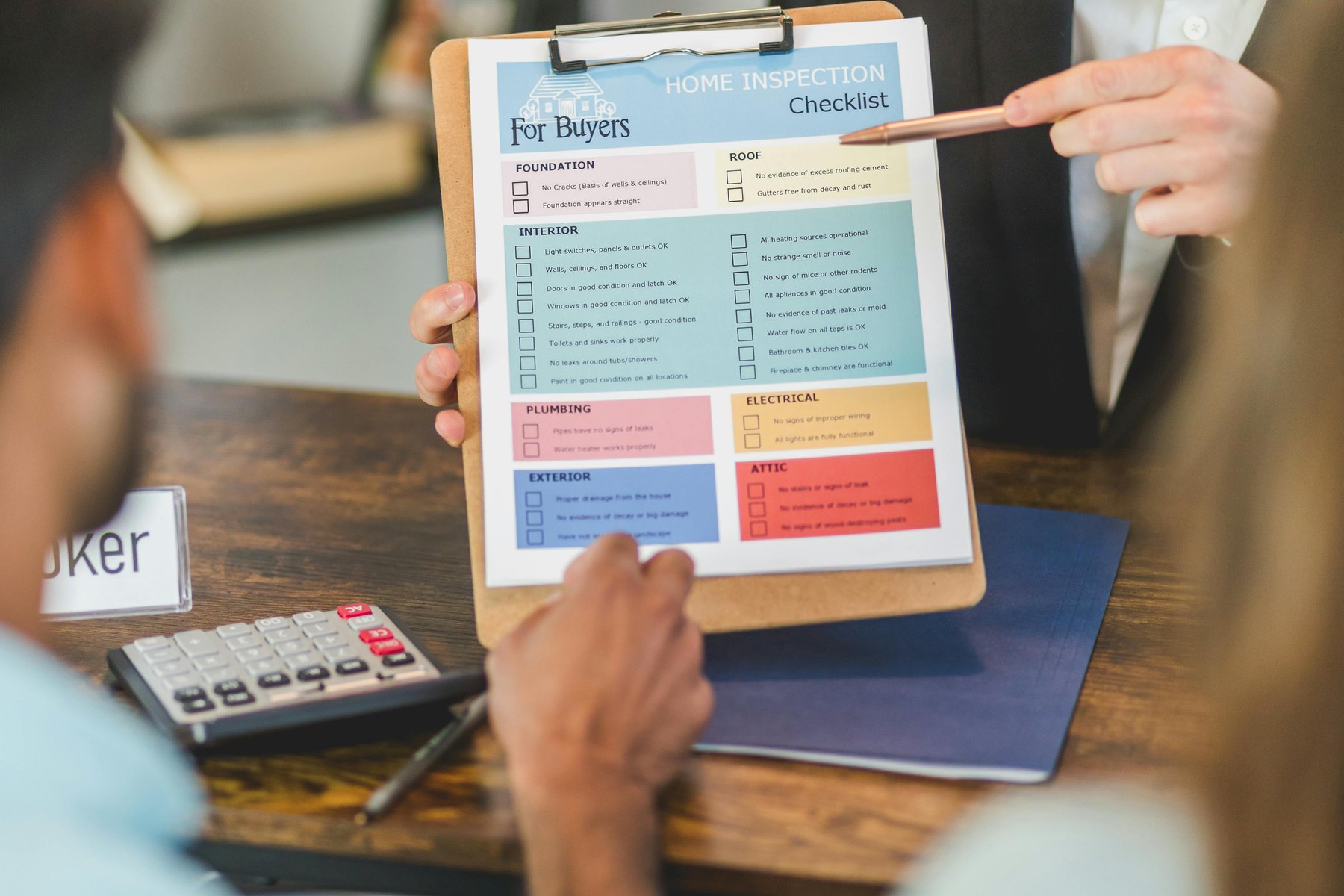
Use this checklist to flag risk. If you answer “yes” to several items, consider slowing down extra payments until you address the weak spots.
| Question | Why it matters | What to do first |
|---|---|---|
| Do you have less than 3 months of essential expenses in cash? | Low reserves can force expensive borrowing later. | Build a starter emergency fund before prepaying. |
| Do you carry credit card balances or high-interest personal loans? | High APR debt usually costs more than mortgage interest. | Prioritize highest APR debt payoff. |
| Is your income variable or job stability uncertain? | Liquidity matters more when cash flow is unpredictable. | Increase cash buffer to 6 to 12 months. |
| Do you expect a major expense in 1 to 3 years? | Prepaying can reduce cash available for near-term goals. | Set aside goal-based savings first. |
| Would you need to borrow against the house to access the money? | HELOCs and cash-out refis can be costly or unavailable. | Keep more funds liquid instead of locking them in equity. |
When paying off your mortgage early can make sense
There are also clear cases where extra principal payments are reasonable and sometimes very helpful.
You already have strong reserves and low other debt
If you have a solid emergency fund, no high-interest debt, and stable income, prepaying can be a straightforward way to reduce interest costs and shorten your payoff timeline.
Your mortgage rate is high relative to your alternatives
Some homeowners have higher rates due to older loans, credit profile at origination, or market timing. If your rate is meaningfully higher than what you can earn on safe cash options (after taxes), extra principal can be attractive.
You are close to retirement and want lower fixed expenses
Reducing required monthly payments before retirement can improve budget resilience. Some borrowers prefer the certainty of owning the home outright, even if investing might have a higher expected return. The key is to do it without draining liquidity.
You plan to stay long-term and value certainty
If you expect to stay in the home for many years, you are less likely to “waste” the benefit of prepayment by moving soon. You also may value the psychological benefit of being debt-free, which can support consistent financial habits.
Real-number example: compare three ways to use $1,000 per month
Assume you have $1,000 per month available after bills. Your mortgage rate is 6.5%, you have $3,000 in credit card debt at 24% APR, and your emergency fund is $2,500. Your essential expenses are $3,500 per month.
Option A: Put all $1,000 into extra mortgage principal
- Pros: predictable interest savings, faster payoff.
- Cons: you still have high-interest card debt and a small emergency fund. A surprise expense could push you back to credit cards.
Option B: First fix the “leaks,” then prepay
- Month 1 to 3: Pay $1,000 per month toward the credit card until it is gone.
- Month 4 to 7: Build emergency fund from $2,500 to $14,000 (about 4 months of essentials).
- Month 8 onward: Start extra mortgage payments.
This approach often reduces the chance that you will need to borrow later at a higher APR.
Option C: Split the $1,000 to balance goals
- $500 to credit card payoff
- $300 to emergency fund
- $200 to extra mortgage principal
This can be a good compromise if you need momentum on multiple goals, though it may take longer to eliminate the highest APR debt.
Sample cash allocations (with dollar amounts that add up)
Below are three example allocations for a homeowner with $25,000 in available cash (savings beyond regular monthly income). These are not “best” plans. They show how different priorities change the decision.
Allocation 1: Safety-first (variable income)
- $15,000 to emergency fund (aiming for 4 to 6 months of essentials)
- $5,000 to pay down high-interest debt
- $3,000 to a home maintenance fund
- $2,000 extra mortgage principal
Total: $25,000
Allocation 2: Balanced (stable income, moderate reserves)
- $10,000 to emergency fund (to reach 3 to 6 months)
- $5,000 to retirement contributions (or to increase payroll deferrals over time)
- $5,000 extra mortgage principal
- $3,000 to a sinking fund for near-term goals (car repairs, medical deductible)
- $2,000 to home maintenance
Total: $25,000
Allocation 3: Paydown-focused (strong reserves, low other debt)
- $8,000 to emergency fund (already near target, topping off)
- $2,000 to home maintenance
- $15,000 extra mortgage principal
Total: $25,000
Timeline decision rules: what to do with extra cash
Use your time horizon to decide how “liquid” your extra money should stay.
Under 1 year
- Prioritize cash reserves and known near-term expenses.
- If you are carrying high-interest debt, focus on that first.
- Extra mortgage payments are usually lower priority unless you already have strong reserves.
1 to 3 years
- Build or maintain 3 to 12 months of essential expenses depending on job stability.
- Save for planned costs (moving, childcare changes, car replacement, major repairs).
- Consider modest extra principal only after the above is funded.
3 to 7 years
- This is often a “hybrid” window where both investing and mortgage prepayment can be reasonable.
- Compare your mortgage rate to what you can earn on low-risk cash and your comfort with market risk.
- If you might sell the home in this window, weigh whether you would rather keep liquidity.
7+ years
- If you expect to stay long-term, extra principal can have more time to compound into interest savings.
- Also consider retirement contributions and long-term goals alongside prepayment.
- Make sure you still keep a maintenance fund and emergency reserves.
Compare “where to put the extra money” options
Homeowners often choose between extra mortgage payments, keeping cash in a high-yield savings account, investing, or paying other debts. The best mix depends on your risk tolerance and timeline.
| Option | Best fit | What to compare | Main drawback |
|---|---|---|---|
| Extra mortgage principal | Stable finances, long time horizon, desire for certainty | Mortgage rate, prepayment rules, ability to recast | Money becomes illiquid |
| High-yield savings account | Emergency fund, near-term goals | APY, fees, FDIC insurance limits | Returns may not beat inflation |
| Pay off credit cards | Any revolving balance at high APR | APR, promotional periods, balance transfer fees | Requires spending control to stay paid off |
| Retirement account contributions | Long-term goals, especially with employer match | Match, fund fees, investment risk, vesting | Market volatility and withdrawal rules |
| Home maintenance fund | Older homes or known upcoming repairs | Expected repair timing and cost ranges | Cash sits until needed |
How to avoid common early-payoff pitfalls
Set a minimum cash floor before prepaying
A practical rule is to keep at least 3 months of essential expenses in cash for stable jobs, and 6 to 12 months for variable income or higher uncertainty. Store emergency funds in an FDIC-insured account and confirm coverage limits at the FDIC.
Target the highest APR debt first
If you have credit card debt, compare the APR to your mortgage rate. Many households save more by eliminating high APR balances before sending extra to a lower-rate mortgage.
Confirm how to make extra payments correctly
- Check whether your servicer lets you apply extra payments directly to principal.
- Verify whether you need to include instructions with each payment.
- Ask about a mortgage recast if you want a lower monthly payment after a large principal reduction (not all loans allow this, and fees can apply).
Do not confuse “paid off” with “lower housing costs”
Even after payoff, you still pay property taxes, insurance, utilities, and maintenance. Build those into your plan so you do not over-commit cash to principal.
What if you later need the money? Compare access options
If you prepay heavily and later need cash, you may consider a HELOC, home equity loan, or cash-out refinance. Each has different costs and risks, and availability can change with your credit, income, and home value.
| Equity access method | How it works | What to compare | Key risk |
|---|---|---|---|
| HELOC | Revolving line you can draw from during a draw period | Variable APR, draw period, repayment terms, fees | Payment can rise if rates increase |
| Home equity loan | Lump sum with fixed payments | APR, term length, closing costs | Less flexible than a line of credit |
| Cash-out refinance | Replace your mortgage with a larger one and take cash | New APR, closing costs, reset term, points | Could raise total interest if term resets |
A simple decision framework (step-by-step)
Step 1: Cover the basics
- Emergency fund: 3 to 12 months of essential expenses.
- Insurance deductibles: enough cash to handle likely claims.
- Home maintenance: a sinking fund for repairs.
Step 2: Eliminate high-cost debt
Pay down the highest APR balances first. If you are considering a balance transfer, compare fees and promotional APR terms carefully.
Step 3: Compare your mortgage rate to realistic alternatives
- If you would otherwise keep the money in cash, compare your mortgage rate to the after-tax yield of savings.
- If you would invest, compare your comfort with volatility and your time horizon.
Step 4: Choose a “split” that you can sustain
Many homeowners do well with a split approach, such as 50% to goals and reserves and 50% to extra principal, then adjust annually.
Step 5: Re-check annually or after major life changes
Revisit the plan if you change jobs, have a child, face a large repair, or your interest rates and savings yields change.
Helpful resources for homeowners
- Mortgage and housing guidance from the CFPB
- Avoiding scams and deceptive practices: FTC Consumer Advice
- FDIC deposit insurance basics: FDIC
Bottom line
Paying extra on your mortgage can be smart, but it becomes a paying off mortgage early mistake when it drains your cash cushion, delays higher-impact debt payoff, or forces you to borrow later under worse terms. A strong plan usually starts with liquidity and high-interest debt, then uses extra principal payments as part of a balanced strategy that fits your timeline and risk tolerance.


