

Best Personal Loans to Compare Before You Choose

Best personal loans can look similar at first, but small differences in APR, fees, and repayment terms can change your monthly payment and total cost a lot.
Contents
21 sections
-
What "best" means when comparing personal loans
-
Best personal loans to compare before you choose
-
How to compare offers in a way that actually saves money
-
Step 1: Compare APR and fees together
-
Step 2: Compare the monthly payment against your budget
-
Step 3: Compare total interest by term length
-
Step 4: Check the fine print that changes real life
-
Real-number examples: what personal loan choices look like
-
Scenario 1: Debt consolidation with a payment you can stick to
-
Scenario 2: Home repair with a clear timeline
-
Scenario 3: Medical bill with uneven income
-
Personal loan comparison checklist (cost, risk, and fit)
-
Decision rules by timeline: when a personal loan makes sense
-
Under 1 year
-
1 to 3 years
-
3 to 7 years
-
7+ years
-
Documents and info you may need to apply
-
How to protect yourself while shopping for a personal loan
-
Quick decision matrix: choose the offer that fits your goal
-
Before you accept: a final 5-point review
A personal loan is usually an unsecured installment loan with a fixed payment schedule. People use them for debt consolidation, home repairs, medical bills, moving costs, or large purchases. The goal is not to find a universally perfect lender. The goal is to compare offers and pick the loan structure that fits your budget and timeline.
What “best” means when comparing personal loans
When you see “best,” translate it into measurable features you can compare side by side:
- APR (Annual Percentage Rate) – includes interest and certain fees, so it is a better comparison tool than interest rate alone.
- Loan term – common terms are 2 to 7 years. Longer terms usually lower the payment but can raise total interest.
- Fees – origination fees, late fees, returned payment fees, and prepayment penalties (many lenders advertise no prepayment penalty, but verify).
- Funding speed – some lenders fund quickly after approval, others take longer.
- Eligibility and underwriting – credit score range, income requirements, debt to income, and whether a co-signer is allowed.
- Customer experience – autopay options, payment date flexibility, hardship programs, and account management tools.
Best personal loans to compare before you choose
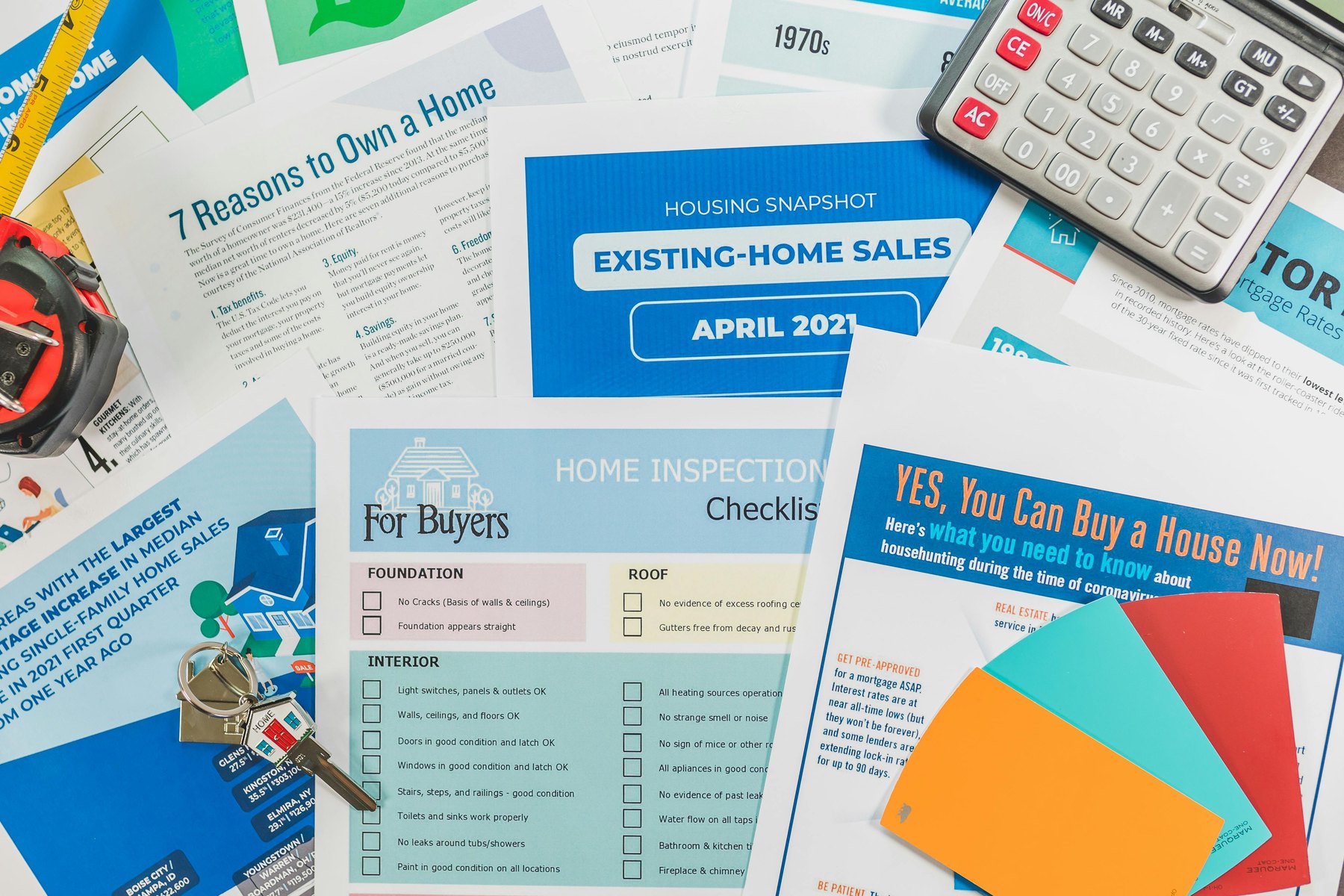
Below are well-known personal loan options to compare. Availability, rates, and fees can change, so check current terms directly with each provider and verify availability in your state.
| Option | Best fit | What to compare | Main drawback |
|---|---|---|---|
| LightStream | Strong credit borrowers who want a simple, no-fee style offer | APR range, term options, same-day funding rules, autopay | May be less accessible for fair credit profiles |
| SoFi | Borrowers who value member perks and flexible features | APR with autopay, origination fee policy, unemployment protection terms | Rates and perks can vary by profile and product |
| Discover Personal Loans | Borrowers who want a straightforward lender with established brand | Fees, repayment terms, funding timeline, customer service options | May not offer the lowest APR for every borrower |
| Marcus by Goldman Sachs | Borrowers looking for predictable payments and clear terms | APR, term lengths, payment date flexibility, fees | Eligibility and availability can be narrower than marketplaces |
| Upstart | Borrowers who want an alternative underwriting approach | Origination fee, APR range, term options, credit requirements | Fees can be meaningful depending on the offer |
| LendingClub | Debt consolidation shoppers comparing multiple structures | Origination fee, APR, creditor-direct pay options, term lengths | APR and fees can be higher for some profiles |
| Prosper | Borrowers who want another established online lending option | Origination fee, APR, term lengths, eligibility | Not always the cheapest option after fees |
| Local credit unions (for example Navy Federal, PenFed, or a community CU) | Members who may qualify for competitive rates and lower fees | Membership rules, APR, fees, term limits, relationship discounts | May require membership and in-person steps |
How to compare offers in a way that actually saves money
Two offers can have the same loan amount and term but different total cost because of fees and APR. Use this quick process:
Step 1: Compare APR and fees together
APR is designed to help you compare borrowing costs, but you still need to look at fees. A loan with a slightly lower APR and a high origination fee may cost more than a slightly higher APR with no fee.
Step 2: Compare the monthly payment against your budget
A common decision rule is to keep the new loan payment comfortably within your monthly cash flow after essentials. If the payment only works when everything goes perfectly, the loan is risky.
Step 3: Compare total interest by term length
Longer terms reduce the payment but usually increase total interest. If you need the lower payment now, consider whether you can make extra principal payments later (and confirm there is no prepayment penalty).
Step 4: Check the fine print that changes real life
- Late fee amount and when it triggers
- Returned payment fee
- Autopay discount rules
- Ability to change due date
- Hardship options if income drops
Real-number examples: what personal loan choices look like
Below are practical scenarios using round numbers to show how tradeoffs work. Your actual APR and fees depend on your credit, income, and lender policies.
Scenario 1: Debt consolidation with a payment you can stick to
Situation: You have $12,000 in credit card balances across two cards. You want one fixed payment.
- Option A: $12,000 personal loan, 3-year term, no origination fee, fixed APR (check your offer). Payment is higher, but you may pay less total interest than a longer term.
- Option B: $12,000 personal loan, 5-year term, with an origination fee (check your offer). Payment is lower, but total interest may be higher.
Decision rule: If the 3-year payment fits your budget with room for surprises, the shorter term often reduces total cost. If it does not, a 5-year term can be safer than stretching your budget too thin, especially if you plan to pay extra when you can.
Scenario 2: Home repair with a clear timeline
Situation: You need $8,000 for a roof repair. You can afford around $250 per month.
- Compare 3-year vs 4-year terms to see which keeps the payment near your target.
- Ask whether the lender can pay the contractor directly or if funds go to your bank account.
Decision rule: Choose the shortest term that keeps the payment manageable and leaves room for your other goals, like emergency savings.
Scenario 3: Medical bill with uneven income
Situation: You need $5,000 for a medical expense, but your income varies month to month.
- Prioritize lenders with flexible payment date options and clear hardship policies.
- Consider whether a slightly higher APR is worth it for better payment management tools.
Decision rule: If your income is variable, reduce the chance of late payments by choosing a payment you can cover in your lower-income months.
Personal loan comparison checklist (cost, risk, and fit)
| Item to check | Why it matters | What to look for |
|---|---|---|
| APR | Primary driver of borrowing cost | Fixed vs variable, and whether autopay changes APR |
| Origination fee | Can reduce the cash you receive or increase cost | Fee amount and whether it is deducted from proceeds |
| Total loan cost | Shows long-run impact | Total of payments over the full term |
| Term length | Changes payment and total interest | Pick the shortest term you can comfortably afford |
| Prepayment policy | Extra payments can reduce interest | No prepayment penalty, clear principal-only payments |
| Late fees and grace period | Late fees add cost and can hurt credit | Fee amount, when it applies, and payment processing times |
| Funding time | Important for urgent expenses | Typical funding window after approval |
| Eligibility | Impacts your chance of qualifying and your APR | Minimum credit profile, income, debt-to-income, co-signer options |
Decision rules by timeline: when a personal loan makes sense
Personal loans are typically best for expenses you want to repay on a predictable schedule. Use timeline rules to avoid mismatching the loan to the need.
Under 1 year
- If you can repay quickly, compare a short-term personal loan offer to alternatives like a 0% intro APR credit card (if you qualify) or a payment plan from the provider.
- Decision rule: If fees are high relative to the amount borrowed, a personal loan may be an expensive way to cover a short gap.
1 to 3 years
- Often a sweet spot for debt consolidation or a defined project because you can limit total interest while keeping payments manageable.
- Decision rule: Choose the shortest term that fits your budget with a cushion.
3 to 7 years
- Useful when you need a lower payment, but watch total interest and avoid borrowing for items that will not last as long as the loan.
- Decision rule: If you choose a longer term, plan a realistic extra-payment schedule and confirm prepayment rules.
7+ years
- Many unsecured personal loans do not go this long. If you are seeing very long terms, compare carefully and consider whether a different product type fits better.
- Decision rule: Be cautious about long repayment periods for short-lived purchases.
Documents and info you may need to apply
Having documents ready can speed up the process and reduce back-and-forth.
| What lenders may ask for | Examples | Tip |
|---|---|---|
| Identity | Driver’s license, passport | Make sure your address matches your application |
| Income verification | Pay stubs, W-2s, tax returns, benefit letters | Use the most recent documents available |
| Employment details | Employer name, start date | Be consistent with what is on your pay stub |
| Bank information | Routing and account number | Confirm deposit and autopay setup details |
| Debt details (for consolidation) | Account numbers, payoff amounts | Ask if the lender can pay creditors directly |
How to protect yourself while shopping for a personal loan
Loan shopping can attract aggressive marketing and scams. A few practical steps can reduce risk:
- Verify the lender and read complaints carefully. The CFPB has consumer resources on loans and borrowing: https://www.consumerfinance.gov/.
- Watch for “pay upfront to get the loan” requests. Many legitimate loans have origination fees, but they are typically deducted from the loan proceeds rather than paid by wire, gift card, or crypto. The FTC has guidance on spotting scams: https://consumer.ftc.gov/.
- Check your credit reports for errors before applying, since mistakes can affect offers. You can get free reports at: https://www.annualcreditreport.com/.
- Confirm deposit insurance if you are asked to move money to a new account as part of the process. Learn about FDIC coverage here: https://www.fdic.gov/.
Quick decision matrix: choose the offer that fits your goal
Use this simple matrix to narrow your choice after you have a few offers.
| Your priority | Usually points toward | Tradeoff to watch |
|---|---|---|
| Lowest total cost | Lower APR, shorter term, low fees | Higher monthly payment |
| Lowest monthly payment | Longer term | Higher total interest over time |
| Fast funding | Lenders with quick disbursement | Do not ignore fees and APR just for speed |
| Debt consolidation simplicity | Creditor-direct pay options, fixed APR | Confirm payoff timing and amounts |
| Flexibility if income changes | Clear hardship policies, payment date tools | May not be the lowest APR |
Before you accept: a final 5-point review
- Confirm the APR and whether it is fixed.
- Confirm the exact amount you will receive after any origination fee.
- Confirm the total of payments over the full term.
- Set up autopay only if it fits your cash flow and you keep a buffer in checking.
- Make a payoff plan – even one extra payment per year can reduce interest on many installment loans.
If you compare offers using APR, fees, term length, and real monthly affordability, you will be in a strong position to choose among the best personal loans for your situation.


