

Best Crypto Exchanges for Buying and Trading Digital Assets

The best crypto exchanges depend on what you want to do – buy and hold, trade actively, move funds to a wallet, or earn rewards while you wait. The right choice is usually the one that fits your budget, your experience level, and your risk tolerance, while keeping costs and friction low.
Contents
37 sections
-
What a crypto exchange does (and what it does not)
-
Common exchange features
-
Key limitation to understand
-
Best crypto exchanges: how to compare platforms
-
1) Total cost: fees plus spread
-
2) Security controls you can actually use
-
3) Asset selection and liquidity
-
4) Funding methods and settlement time
-
5) Ease of use and trading tools
-
6) Account requirements and verification
-
Types of crypto exchanges and which one fits your goal
-
Centralized exchanges (CEX)
-
Decentralized exchanges (DEX)
-
Broker-style apps vs advanced trading platforms
-
Practical decision rules (pick faster, regret less)
-
Decision rule 1: If you buy monthly and hold
-
Decision rule 2: If you trade weekly or daily
-
Decision rule 3: If you need fast access to cash
-
Decision rule 4: If you want to use a DEX
-
Costs to watch: a simple example with real-world math
-
Checklist: estimate your all-in cost before you commit
-
Security and account setup steps that reduce common problems
-
Account hardening checklist
-
Withdrawal safety checklist
-
How to evaluate an exchange's reliability
-
Signals that an exchange may be easier to work with
-
Signals to slow down and investigate more
-
Taxes and recordkeeping: plan before you trade
-
What to save
-
Common mistakes when choosing a crypto exchange
-
Picking based on a sign-up bonus alone
-
Ignoring withdrawal rules until it is urgent
-
Leaving more on the exchange than you need
-
Falling for phishing and impersonation
-
Quick buying and trading workflow (beginner friendly)
-
Where to find help if something goes wrong
-
Bottom line: choose based on fit, not hype
Crypto exchanges are platforms that let you buy, sell, and sometimes store digital assets like Bitcoin and Ethereum. Many also offer advanced trading tools, recurring buys, staking, and access to stablecoins. But exchanges can differ a lot in fees, spreads, security controls, and which assets they list. This guide walks you through how to evaluate an exchange and choose one that matches your goals.
What a crypto exchange does (and what it does not)
At a basic level, an exchange connects buyers and sellers. Some exchanges operate like brokerages where you place a simple buy or sell and the platform fills it at a quoted price. Others offer an order book where you can place limit orders and potentially reduce costs.
Common exchange features
- Instant buys using a bank account, debit card, or wire transfer.
- Trading interface with market and limit orders.
- Custody – the exchange holds your crypto unless you withdraw to a personal wallet.
- Stablecoins that aim to track the value of a currency like the US dollar.
- Staking or rewards for certain assets (availability and terms vary).
- Tax documents such as transaction histories and summaries.
Key limitation to understand
Using an exchange does not remove market risk. Prices can move quickly, and the value of digital assets can drop sharply. Your results depend on timing, fees, and how you manage risk.
Best crypto exchanges: how to compare platforms
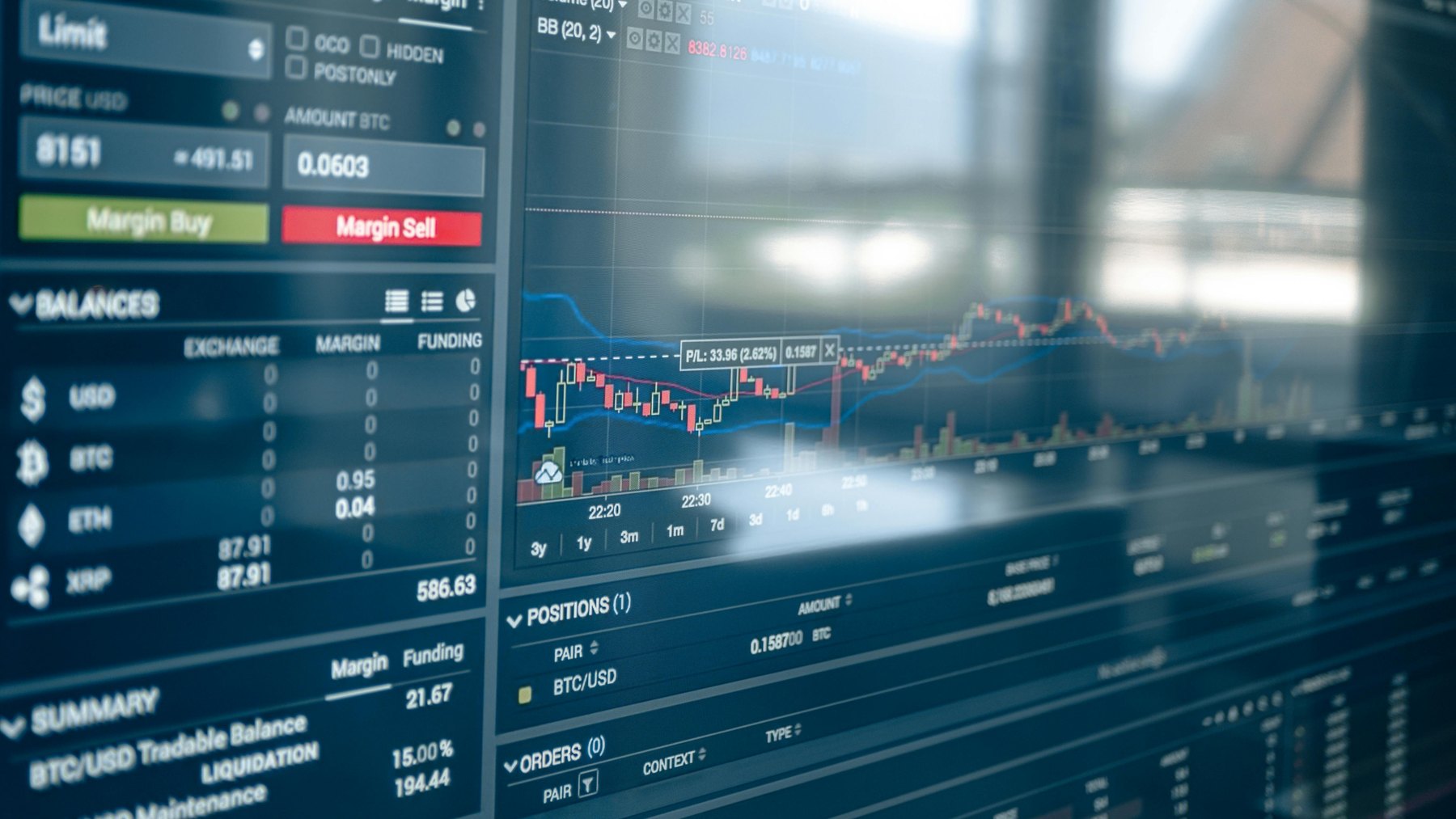
Instead of looking for a single winner, compare exchanges across the factors that most affect your cost, access, and control. Use the checklist below to narrow your options.
1) Total cost: fees plus spread
Many people focus on trading fees and miss the spread. The spread is the difference between the buy price and sell price you see at the same moment. On some platforms, the spread can be a bigger cost than the stated fee.
- Trading fees: maker and taker fees on advanced platforms, or a flat fee on simple buy screens.
- Spread: can be wider on instant buy features or during volatile markets.
- Deposit and withdrawal fees: bank transfer fees, wire fees, and crypto network fees.
- Inactivity or account fees: less common, but worth checking.
2) Security controls you can actually use
Look for security features that reduce account takeover risk and give you more control over withdrawals.
- Two-factor authentication (2FA) with an authenticator app or hardware key.
- Withdrawal address allowlist so funds can only be sent to approved addresses.
- Device management and login alerts.
- Cold storage practices and clear custody policies.
- Proof of reserves or transparency reports if offered.
3) Asset selection and liquidity
More coins is not always better. A smaller list can mean stronger vetting. What matters is whether you can buy the assets you want with enough liquidity to avoid large price slippage.
- Does it list the coins you want?
- Are trading volumes healthy for those pairs?
- Are stablecoins available if you plan to park funds between trades?
4) Funding methods and settlement time
Bank transfers often cost less than cards, but can take longer. Some platforms place holds on newly deposited funds before you can withdraw crypto.
- ACH/bank transfer: usually low cost, may have holding periods.
- Wire transfer: faster, often has bank fees.
- Debit card: convenient, typically higher fees.
5) Ease of use and trading tools
Beginners may prefer a clean interface and recurring buys. Active traders may want advanced charts, limit orders, and API access.
- Recurring purchases and price alerts
- Limit orders and stop orders
- Mobile app quality and uptime history
- Customer support channels and response times
6) Account requirements and verification
Most major exchanges require identity verification. Expect to provide personal details and documents. If an exchange makes it hard to understand requirements, that is a signal to slow down and compare alternatives.
| Comparison factor | What to look for | Why it matters |
|---|---|---|
| Trading fees | Clear maker/taker schedule or flat fees | Lower costs can improve long-term results |
| Spread | Transparent pricing, ability to use limit orders | Wide spreads can quietly raise your cost |
| Withdrawals | Address allowlist, clear limits, reasonable network fee handling | Protects funds and reduces friction moving to a wallet |
| Security | 2FA, login alerts, device controls, custody transparency | Reduces account takeover risk |
| Asset access | Coins you want, strong liquidity, stablecoin options | Avoids slippage and limited choices |
| Support | Live chat or ticketing, clear escalation path | Important when deposits or withdrawals get stuck |
Types of crypto exchanges and which one fits your goal
Most people start with a centralized exchange (CEX) because it is easier to fund with a bank account and simpler to use. Decentralized exchanges (DEXs) can offer more direct control, but they require more setup and carry different risks.
Centralized exchanges (CEX)
- Best for: beginners, recurring buys, converting to cash, customer support.
- Tradeoff: you rely on the platform for custody unless you withdraw to your own wallet.
Decentralized exchanges (DEX)
- Best for: swapping tokens directly from a self-custody wallet, accessing certain on-chain assets.
- Tradeoff: you manage your own wallet security, network fees, and transaction mistakes can be irreversible.
Broker-style apps vs advanced trading platforms
Some platforms show a simple buy button with an all-in price. Others provide an order book and fee tiers. If you trade often, the advanced platform can reduce costs through lower fees and tighter pricing, but it takes more learning.
Practical decision rules (pick faster, regret less)
Use these rules to narrow down your shortlist without getting stuck comparing every feature.
Decision rule 1: If you buy monthly and hold
- Prioritize low-cost bank transfers, recurring buys, and a simple interface.
- Check the spread on the simple buy screen. If it is consistently wide, see if the platform offers an advanced trade view with limit orders.
- Make sure withdrawals to a personal wallet are straightforward if you plan to self-custody.
Decision rule 2: If you trade weekly or daily
- Prioritize maker/taker fees, liquidity, and order types (limit, stop).
- Look for strong uptime history and fast customer support.
- Consider keeping only your active trading balance on the exchange and moving the rest to a wallet you control.
Decision rule 3: If you need fast access to cash
- Prioritize reliable bank withdrawals, clear settlement times, and transparent limits.
- Check whether the exchange supports your local bank rails and your preferred withdrawal method.
Decision rule 4: If you want to use a DEX
- Start with a small test transaction and confirm the network, address, and fees.
- Use a wallet with strong security options and keep recovery phrases offline.
- Expect network fees and price impact during congestion.
| Your primary goal | Exchange type that often fits | Top 3 features to prioritize |
|---|---|---|
| Buy and hold long term | Centralized exchange with easy bank funding | Low total cost, recurring buys, easy withdrawals |
| Active trading | Advanced trading platform (order book) | Low maker/taker fees, liquidity, order types |
| Swap on-chain tokens | DEX plus self-custody wallet | Wallet security, network selection, slippage controls |
| Move between crypto and cash often | Centralized exchange with strong fiat rails | Fast withdrawals, clear limits, reliable support |
Costs to watch: a simple example with real-world math
Suppose you buy $500 of a coin.
- Platform A charges a 0.60% fee ($3.00) and has a tight spread.
- Platform B charges a $0 fee but the spread is about 1.50% ($7.50 embedded in the price).
Even though Platform B advertises no fee, you may pay more through pricing. When comparing exchanges, try pricing the same trade at the same time on both platforms and note the all-in cost.
Checklist: estimate your all-in cost before you commit
- What is the trading fee for your order size?
- What is the spread on the buy and sell price right now?
- Are there deposit fees for your funding method?
- What will it cost to withdraw crypto to your wallet (network fee)?
- What will it cost to withdraw cash back to your bank?
Security and account setup steps that reduce common problems
Many losses happen from account takeover, phishing, or sending funds to the wrong address. These steps can reduce avoidable risks.
Account hardening checklist
- Use a unique, long password stored in a password manager.
- Turn on 2FA with an authenticator app or a hardware security key.
- Enable login alerts and review device sessions regularly.
- Turn on withdrawal address allowlisting if available.
- Confirm the exchange URL each time and avoid links from unsolicited messages.
Withdrawal safety checklist
- Send a small test withdrawal first.
- Verify the network matches the receiving wallet (for example, sending on the wrong network can lead to loss).
- Double-check the first and last characters of the address.
- Save frequently used addresses only after you confirm they are correct.
How to evaluate an exchange’s reliability
Reliability is about more than brand recognition. You want clear policies, transparent pricing, and consistent operations.
Signals that an exchange may be easier to work with
- Clear fee schedules and easy-to-find limits
- Transparent status page for outages and maintenance
- Detailed transaction history exports for taxes and recordkeeping
- Responsive support with documented help articles
Signals to slow down and investigate more
- Fees that are hard to find or change without notice
- Confusing withdrawal rules or long, unexplained holds
- Pressure tactics to deposit quickly or trade more
- Unclear custody and security practices
Taxes and recordkeeping: plan before you trade
Crypto transactions can create taxable events depending on your situation and local rules. Good records help you avoid surprises.
What to save
- Trade confirmations and timestamps
- Cost basis information (what you paid, including fees)
- Deposits, withdrawals, and wallet addresses used
- Year-end summaries and CSV exports
For general tax information and forms, you can start at the IRS website: https://www.irs.gov/.
Common mistakes when choosing a crypto exchange
Picking based on a sign-up bonus alone
A short-term perk may not outweigh higher spreads, limited withdrawals, or weak support. Compare the ongoing costs you are likely to pay.
Ignoring withdrawal rules until it is urgent
Before you deposit, check withdrawal limits, holding periods, and whether your preferred bank transfer method is supported.
Leaving more on the exchange than you need
If you plan to hold long term, consider whether moving some funds to a wallet you control fits your risk preferences. If you do, practice with small transfers first.
Falling for phishing and impersonation
Scammers may impersonate support agents or create lookalike websites. The FTC has practical guidance on spotting and avoiding scams at https://consumer.ftc.gov/.
Quick buying and trading workflow (beginner friendly)
- Shortlist 2 to 3 exchanges based on fees, funding methods, and asset access.
- Create accounts and enable security – password manager, 2FA, login alerts.
- Do a small test deposit using your preferred method (ACH or wire).
- Price the same trade on each platform to compare all-in cost (fee plus spread).
- Place a limit order if available to control price, especially in volatile markets.
- Export your transaction history monthly or quarterly for recordkeeping.
- Test a small withdrawal to your bank or wallet so you understand timing and fees.
Where to find help if something goes wrong
If you run into billing issues, unauthorized transactions, or trouble resolving a dispute, you can review consumer resources at the Consumer Financial Protection Bureau: https://www.consumerfinance.gov/. For general consumer protection and scam reporting resources, you can also use the FTC site: https://consumer.ftc.gov/.
Bottom line: choose based on fit, not hype
The best approach is to match an exchange to your main use case, then verify the true costs, withdrawal rules, and security controls before you move significant money. Compare at least two platforms, test small transactions, and keep your records organized so you can trade and transfer with fewer surprises.


