
Best Online Gold Dealers for Buying Gold Safely

Contents
30 sections
-
How to evaluate the best online gold dealers
-
1) Pricing transparency: spot price, premium, and total checkout cost
-
2) Product selection: coins vs bars and recognized mints
-
3) Payment methods and price locks
-
4) Shipping, insurance, and delivery controls
-
5) Buyback program and spreads
-
6) Reputation signals and complaint patterns
-
Online gold dealer comparison checklist (use before you buy)
-
Common ways people overpay for gold online
-
High premium "collectible" coins sold as investments
-
Small order sizes with high fixed shipping costs
-
Payment method markups
-
Practical examples: comparing two dealers without guessing
-
Example 1: 1 ounce bullion coin
-
Example 2: thinking about resale
-
Risk and safety checklist for buying gold online
-
Storage options: home safe vs bank box vs third party vault
-
Home storage
-
Bank safe deposit box
-
Third party vault storage
-
Paying for gold: cash flow rules and borrowing cautions
-
Documents and information to keep for taxes and resale
-
Red flags when shopping for gold online
-
Quick decision rules: choosing a dealer that fits your needs
-
Frequently asked questions
-
Is buying gold online safe?
-
Should I buy coins or bars?
-
Do online dealers charge sales tax?
-
How do I verify my gold when it arrives?
-
Bottom line
Buying gold online is not the same as buying a stock or ETF. You are purchasing a physical product that must be priced fairly, shipped safely, and verified. This guide explains how to evaluate dealers, what fees to watch for, and how to reduce common risks like overpaying, counterfeit products, and confusing buyback terms. This article is educational only. Always review current dealer terms, premiums, and your local rules before buying.
How to evaluate the best online gold dealers
Instead of looking for a single “best” company, use a repeatable checklist. A dealer that is a good fit for one buyer may not be right for another, depending on order size, delivery needs, and whether you plan to sell back soon.
1) Pricing transparency: spot price, premium, and total checkout cost
Gold products are usually priced as:
- Spot price (market price of gold) + premium (dealer markup, minting costs, demand) + shipping and insurance (if not included) + taxes (if applicable).
Look for a dealer that shows the spot price, the premium, and the all in total before you pay. Be cautious if pricing is only available after you call, or if “special pricing” requires pressure tactics.
2) Product selection: coins vs bars and recognized mints
Many buyers start with widely recognized bullion coins because they are easier to verify and resell. Bars can offer lower premiums per ounce, but brand recognition matters.
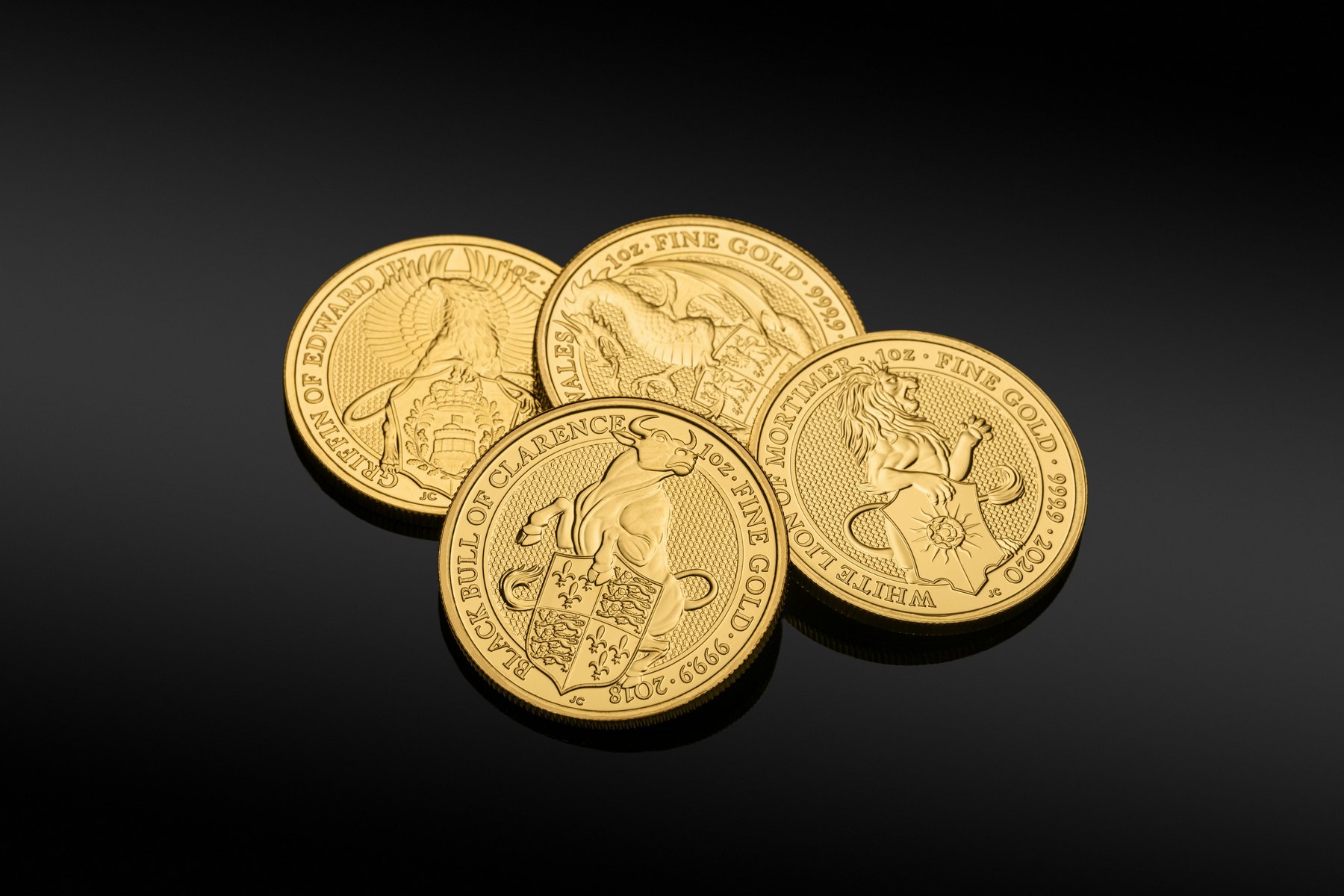
- Common bullion coins: American Gold Eagle, Canadian Gold Maple Leaf, South African Krugerrand, Austrian Philharmonic.
- Common bar brands: well known refiners and mints with serial numbers and assay cards.
Decision rule: If you want simpler resale and verification, prioritize widely recognized coins or bars from major refiners.
3) Payment methods and price locks
Dealers may offer different prices depending on payment method. Bank wire or ACH may be cheaper than credit cards, but can reduce chargeback protections. Ask:
- How long is the price locked after checkout?
- What happens if payment arrives late?
- Are there cancellation fees or restocking fees?
Decision rule: If you are new to buying gold online, favor dealers with clear written price lock and cancellation policies.
4) Shipping, insurance, and delivery controls
Shipping should be insured and trackable. Many reputable dealers ship discreetly and require a signature. Consider your delivery situation:
- If you live in an apartment, ask about signature requirements and pickup options.
- If you travel often, consider holding at a carrier location when possible.
Decision rule: Do not order if the dealer cannot explain how shipments are insured and what happens if a package is lost.
5) Buyback program and spreads
Gold is not free to buy and sell. The difference between the dealer’s sell price and buyback price is the spread. A dealer can advertise “buyback available” but still offer a weak buyback price.
- Ask for a sample buyback quote for the exact product you plan to buy.
- Ask whether buybacks require original packaging or minimum quantities.
Decision rule: If you may sell within 1 to 3 years, prioritize tighter spreads and a clear buyback process.
6) Reputation signals and complaint patterns
Reviews can be useful, but focus on patterns, not star ratings. Look for repeated complaints about delayed shipping, changing prices after checkout, or difficulty getting refunds.
For general scam and fraud education, the FTC has practical guidance at https://consumer.ftc.gov/.
Online gold dealer comparison checklist (use before you buy)

Use the table below to compare dealers consistently. You can copy and paste it into a note and fill it out for each dealer you are considering.
| What to compare | What “good” looks like | Questions to ask | Red flags |
|---|---|---|---|
| Total price clarity | Spot, premium, shipping, taxes shown before payment | Is the all in total shown at checkout? | Must call for pricing, vague “market adjustments” |
| Price lock | Clear lock window and payment deadline | How long is the price locked? | Dealer can change price after order |
| Shipping and insurance | Insured, tracked, discreet packaging, signature option | Who is liable if lost in transit? | No insurance, unclear claims process |
| Product authenticity | Recognized mints, sealed packaging, serial numbers for bars | Do bars include assay cards and serials? | Unfamiliar brands with unusually low premiums |
| Buyback policy | Published or easily quoted buyback pricing and process | What is today’s buyback price for this item? | Buyback “available” but no quote or conditions are hidden |
| Fees and returns | Written cancellation and restocking terms | Any restocking fee if I cancel? | High restocking fees, unclear refunds |
Common ways people overpay for gold online
Overpaying often happens because the buyer focuses on the gold spot price and ignores premiums, shipping, and resale spreads.
High premium “collectible” coins sold as investments
Some sellers push numismatic or “rare” coins with high markups. Collectibles can be legitimate, but pricing is harder to verify and resale may depend on collector demand, not just gold content.
Decision rule: If your goal is exposure to gold prices, start with widely traded bullion products and compare premiums across multiple dealers.
Small order sizes with high fixed shipping costs
A $25 shipping fee on a small order can meaningfully raise your effective premium. Some dealers offer free shipping above a threshold.
Decision rule: If you are buying small amounts, compare the effective cost per ounce after shipping, not just the listed premium.
Payment method markups
Credit card pricing can be higher. That may be worth it for some buyers, but you should know the tradeoff.
Decision rule: Compare the dealer’s wire price vs card price and decide whether the extra cost is worth the convenience and protections.
Practical examples: comparing two dealers without guessing
Here is a simple way to compare offers using the same product and quantity.
Example 1: 1 ounce bullion coin
- Dealer A: Spot $2,300 + $120 premium + $0 shipping = $2,420
- Dealer B: Spot $2,300 + $90 premium + $35 shipping = $2,425
Even though Dealer B has a lower premium, the total cost is slightly higher after shipping. If you plan to buy more later, Dealer B might become cheaper at higher quantities if shipping becomes free.
Example 2: thinking about resale
- Dealer A buyback quote: spot minus $40
- Dealer B buyback quote: spot minus $70
If you might sell back soon, Dealer A’s tighter buyback spread could matter more than a small difference in purchase price.
Risk and safety checklist for buying gold online
Use this checklist to reduce the most common problems buyers face.
| Risk | How it shows up | How to reduce it |
|---|---|---|
| Counterfeit or misrepresented product | Unsealed items, unclear mint, missing assay | Buy recognized bullion, verify packaging, consider testing tools (scale, calipers) or a local jeweler verification |
| Price changes after order | Dealer claims payment delay voided price | Confirm price lock window and payment deadline in writing |
| Delivery loss or theft | Package marked delivered but not received | Use signature delivery, insured shipping, and a secure delivery location |
| High spreads when selling | Buyback quote far below spot | Ask for buyback quotes before buying, prefer liquid products |
| Unexpected taxes or reporting confusion | Sales tax at checkout, questions about capital gains | Check local tax rules and keep purchase records; review IRS guidance if needed |
Storage options: home safe vs bank box vs third party vault
How you store gold affects both safety and total cost. There is no universal best option.
Home storage
- Pros: Immediate access, no ongoing vault fees.
- Cons: Theft risk, fire risk, and privacy concerns. Insurance coverage may be limited unless you add a rider.
Decision rule: If you store at home, consider a quality safe, discreet delivery, and a plan for documentation and insurance.
Bank safe deposit box
- Pros: Off site storage and physical security.
- Cons: Limited access hours and potential limits on what is covered by insurance. Policies vary by institution.
For general information about deposit insurance and what it does and does not cover, see the FDIC at https://www.fdic.gov/.
Third party vault storage
- Pros: Professional security, sometimes easier resale if the dealer offers vaulting.
- Cons: Ongoing fees, counterparty risk, and you must understand whether your gold is allocated and identifiable.
Decision rule: If you use a vault, confirm whether storage is allocated, how audits work, and how you can take delivery if you want it.
Paying for gold: cash flow rules and borrowing cautions
Gold prices can move up or down, and physical gold has transaction costs. Consider these guardrails:
- Avoid buying gold with high interest debt unless you have a clear plan and understand the cost. Carrying a credit card balance can quickly outweigh any potential benefit.
- Keep an emergency fund for near term expenses before tying up cash in metals.
- Know your time horizon. If you might need the money soon, the spread and fees can make selling costly.
If you are considering financing a purchase, compare APR, fees, repayment terms, and the risk that the gold value could drop while you still owe the debt. Borrowing decisions should fit your budget and risk tolerance.
Documents and information to keep for taxes and resale
Good records help if you later sell, insure, or verify your holdings.
| Item to keep | Why it matters | Where to store it |
|---|---|---|
| Invoice and order confirmation | Cost basis, product details, dealer terms | Encrypted digital copy plus a printed copy |
| Shipping and delivery records | Proof of receipt for disputes or insurance | Email archive or cloud folder |
| Photos of items and packaging | Helps with identification and claims | Offline backup or secure cloud |
| Serial numbers (for bars) | Verification and resale | Separate from the gold storage location |
| Notes on buyback quotes | Helps compare spreads over time | Spreadsheet or notes app |
For tax information, including general guidance on capital gains, you can review IRS resources at https://www.irs.gov/. Tax rules can be complex and vary by situation, so consider a qualified tax professional if you are unsure.
Red flags when shopping for gold online
- Pressure to buy immediately because of “secret” pricing or limited time offers.
- Claims that gold is guaranteed to rise or that you cannot lose money.
- Vague product descriptions that do not clearly state weight, purity, and mint.
- Unwillingness to provide written policies for shipping, returns, and buybacks.
- Requests to pay using unusual methods that reduce buyer protections.
Quick decision rules: choosing a dealer that fits your needs
- If you want the lowest all in cost: compare total checkout price for the same item, including shipping and payment method pricing.
- If you want easier resale: choose widely recognized bullion and prioritize dealers with clear buyback quotes and tighter spreads.
- If you are worried about delivery risk: require insured shipping, tracking, and signature delivery, and plan a secure delivery location.
- If you are new to gold: start small, avoid high premium collectibles, and keep detailed records.
Frequently asked questions
Is buying gold online safe?
It can be, if you use a reputable dealer with transparent pricing, insured shipping, and clear policies. The main risks are overpaying, delivery problems, and counterfeit products, which you can reduce with the checklists above.
Should I buy coins or bars?
Coins are often easier to recognize and resell, while bars may have lower premiums at larger sizes. Compare the total cost and expected resale spread for the specific items you are considering.
Do online dealers charge sales tax?
Sales tax rules vary by state and sometimes by product type. Check the dealer’s checkout estimate and confirm your local rules.
How do I verify my gold when it arrives?
Start by checking packaging, weight, dimensions, and basic visual details. For added confidence, consider having a reputable local jeweler or bullion shop test it, especially for larger purchases.
Bottom line
Finding the best online gold dealers is less about chasing a single brand name and more about using a consistent process: compare total costs, confirm shipping insurance and price locks, choose liquid products, and understand buyback spreads. Take your time, document everything, and make sure the purchase fits your broader financial plan and risk tolerance.
If you suspect a scam or unfair practices, you can learn about reporting options and consumer protections through the FTC at https://consumer.ftc.gov/.


